

 Newsletters


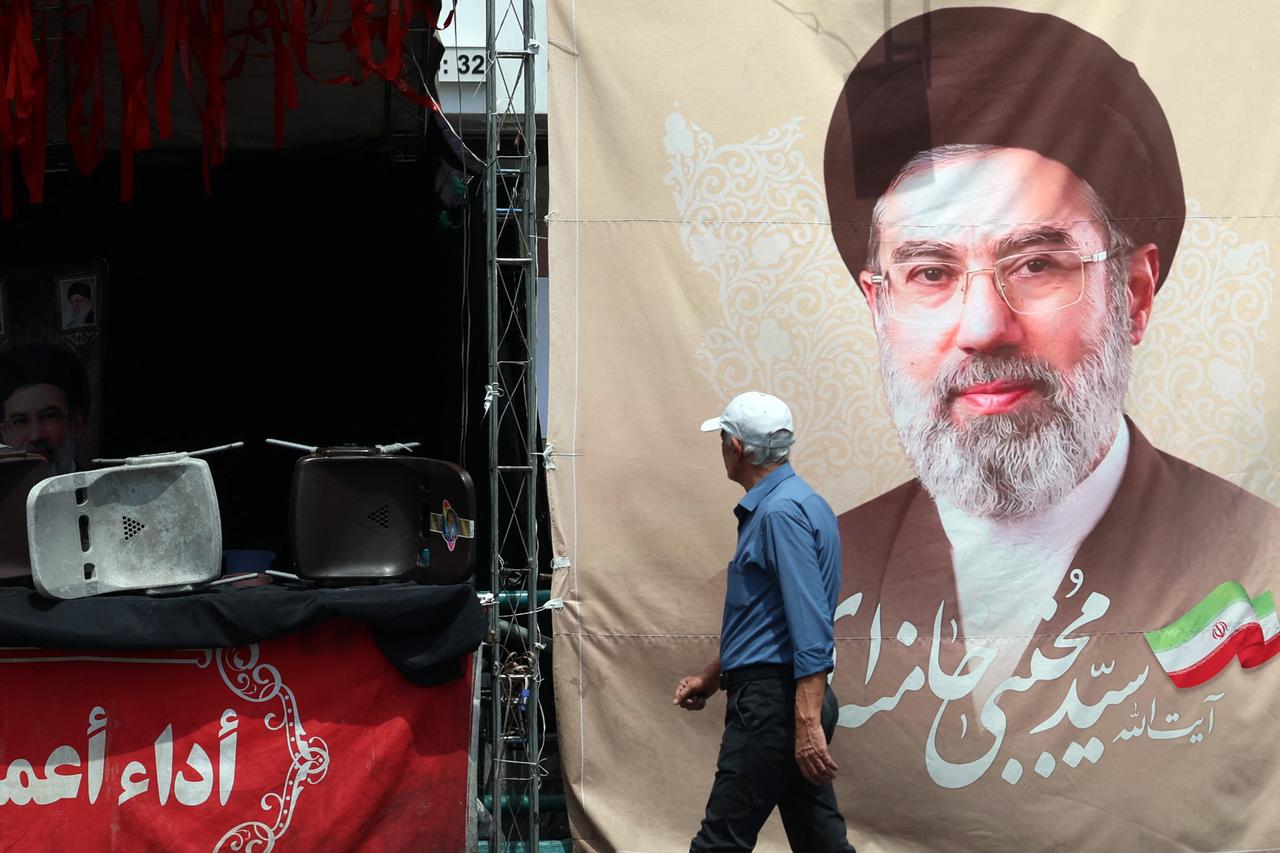


Iran's Supreme Leader, Mojtaba Khamenei, stated Thursday that the United States and Israel are attempting to fracture Iranian society from within, warning in a written message to parliament that the enemy strategy after military defeats is to "create divisions and disintegration in order to compensate for military defeats and bring the nation to its knees."
The message, read on state television, marked the anniversary of the founding of the Islamic Consultative Assembly and the start of the third year of the 12th parliament's activities.
He has not appeared in public since before assuming the position.
Khamenei, 56, succeeded his father, Supreme Leader Ali Khamenei, who was killed on Feb. 28 in the opening U.S.-Israeli strikes on Iran that sparked the regional war.
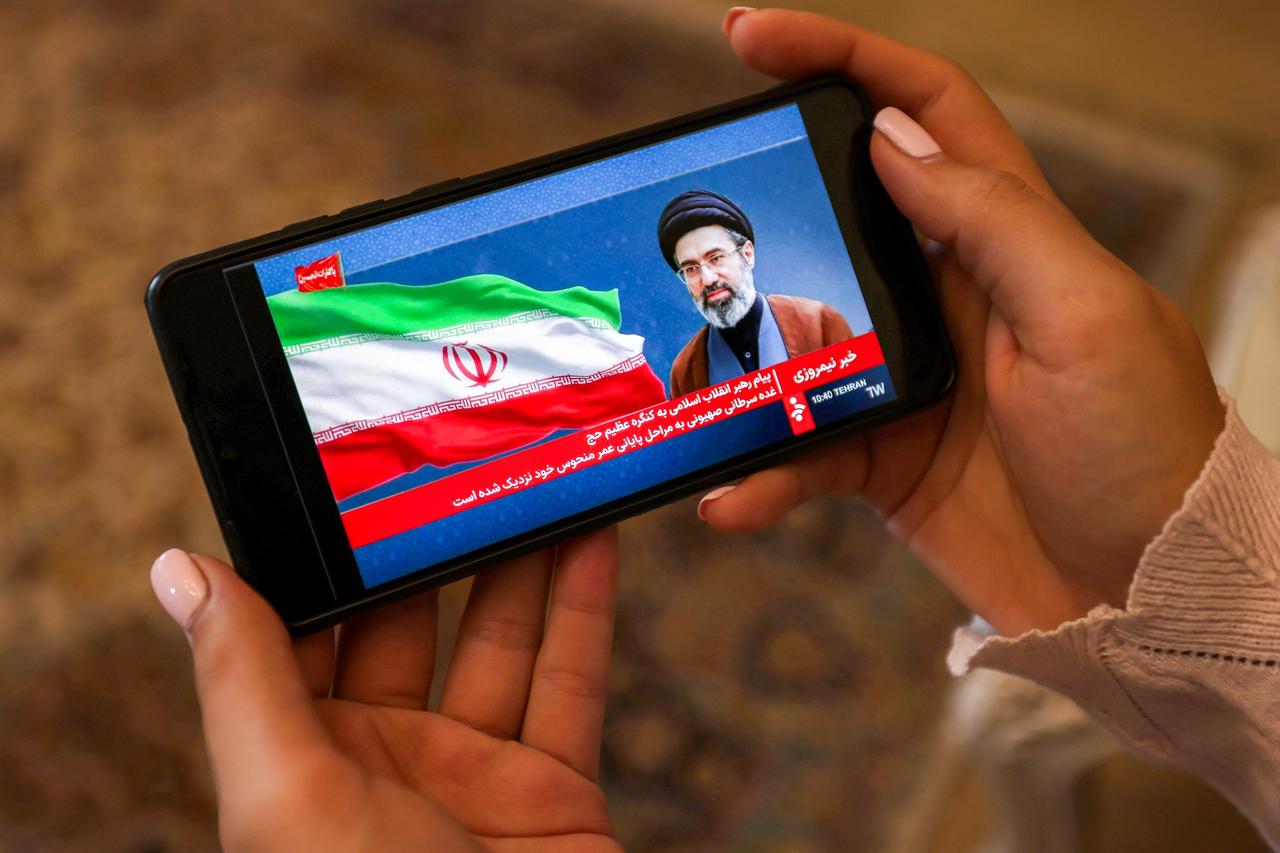

Khamenei framed national cohesion as a military and political imperative, saying, "The enemy's blind plan, after the imposed war, the economic pressure, and the political and propaganda siege, is to create divisions and disintegration in order to compensate for military defeats and bring the nation to its knees."
He called on all Iranians, and especially political and intellectual elites, to safeguard national unity and avoid "empty political disputes" and the highlighting of social differences.
He said those whose hearts beat for Iran's independence and glory must not allow even justified differences to turn into strife and division, and must be, "in word and deed, the embodiment of the nation's cohesion and unity."
The message set out a specific legislative agenda. Khamenei called on parliament to work in coordination with the executive and judiciary around the year's governing slogan, "resistance economy in the shadow of national unity and national security," and to prioritize economic stability, reducing inflation, liquidity management and boosting production and employment.
He called for the amendment of the Seventh Development Plan to incorporate the reconstruction of war damage from what he described as the second and third "imposed wars," and said lawmakers should draw a roadmap for government action suited to current conditions and the post-war era.
Parliament's legislation must have "a direct and visible relation to the country's main issues and the needs of the people" and be oriented toward "creating hope and building the country's future," he said.
Three months have passed since the conflict, which is called "the third imposed holy defense", a reference to the war that began Feb. 28 with the U.S.-Israeli strikes on Iran.


 Set as preferred source
 Set as preferred source


 1 min read

 1 min read



