Newsletters


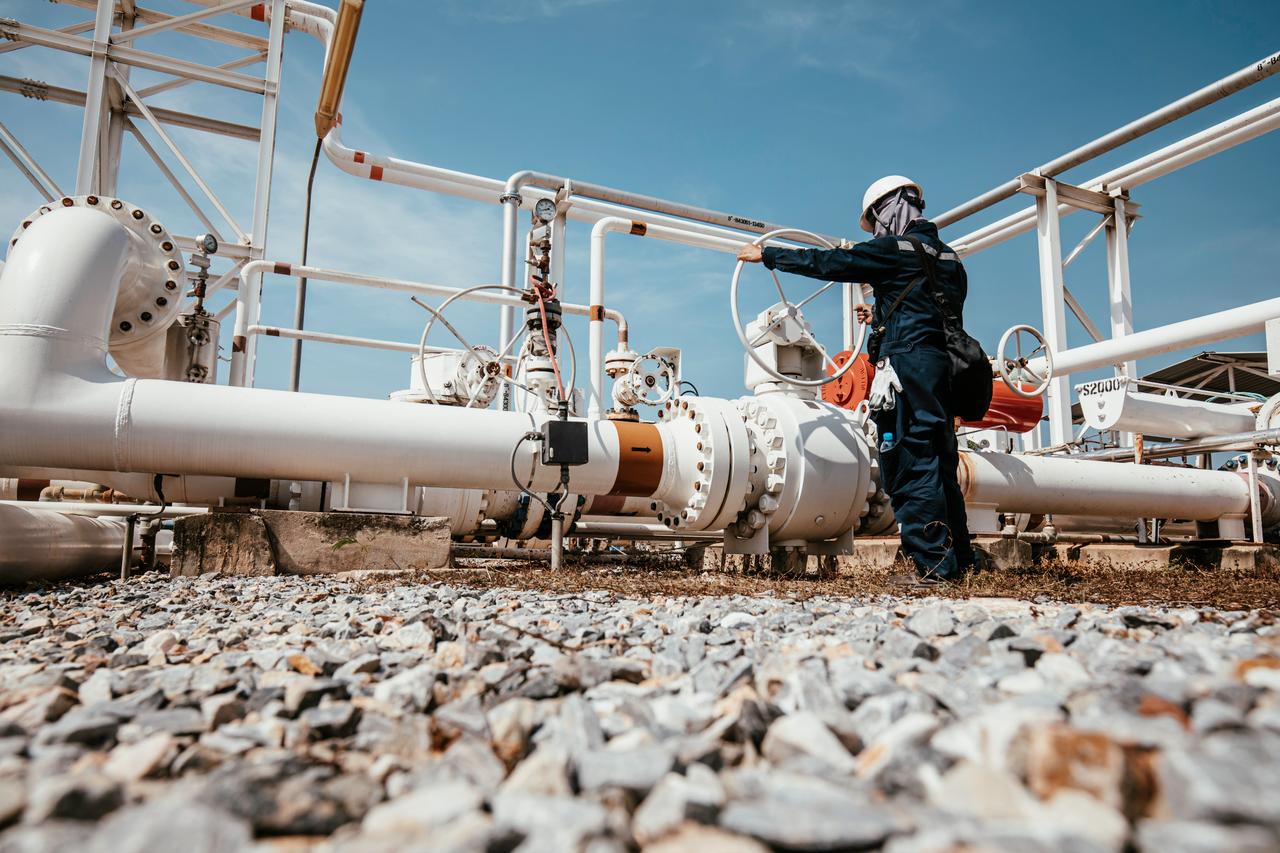


Countries are reworking energy strategies and stepping up investment in renewables as the Iran war rattles global fuel markets and disrupts key shipping routes, the International Energy Agency (IEA) said Thursday.
"We are in the midst of the largest energy security crisis the world has ever faced," Fatih Birol said in the agency’s World Energy Investment 2026 report, pointing to ongoing supply disruptions in the Strait of Hormuz since the Iran war began in late February.
He stressed that both energy producers and importing nations are stepping up efforts to diversify trade routes, roll out new pipeline infrastructure and rely more heavily on domestic energy resources.
Global energy investment is expected to reach $3.4 trillion in 2026, slightly above the previous year, according to the report. Around $2.2 trillion is projected to flow into electricity grids, storage, renewables, nuclear power, low-emission fuels, electrification and efficiency projects. Another $1.2 trillion is set to go toward oil, natural gas and coal.
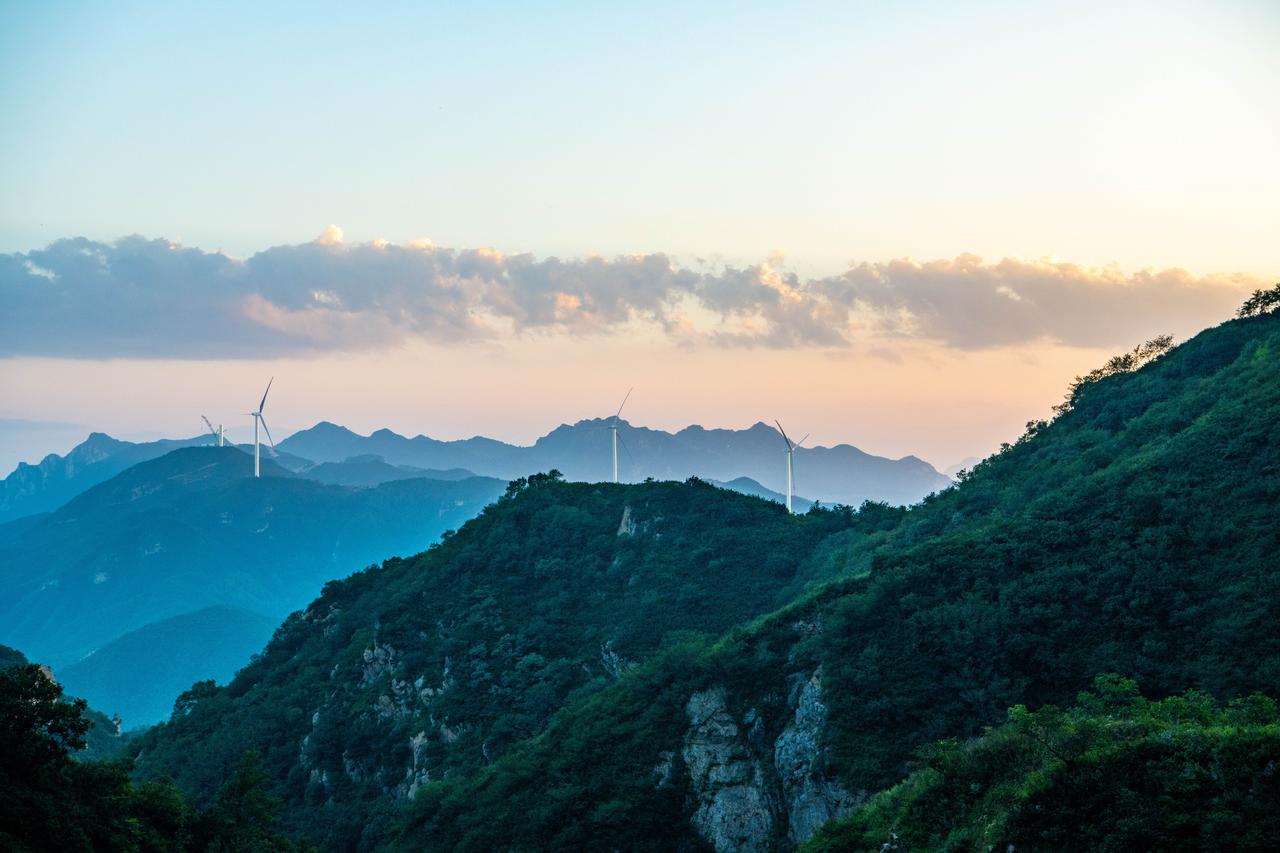
Renewables continue to attract a major share of spending as governments move to shore up domestic energy security. Investment in renewable power projects is expected to total around $665 billion this year, including $365 billion allocated to solar energy alone.
Nuclear investment is also picking up pace and is forecast to exceed $80 billion annually, with nearly 80 gigawatts of nuclear capacity currently under construction across 15 countries.
Electricity infrastructure remains the biggest driver of global energy spending trends. Investment in electricity supply and infrastructure is projected to approach $1.6 trillion in 2026, while spending on power grids alone is expected to near $550 billion. Battery storage investment is forecast to exceed $100 billion.

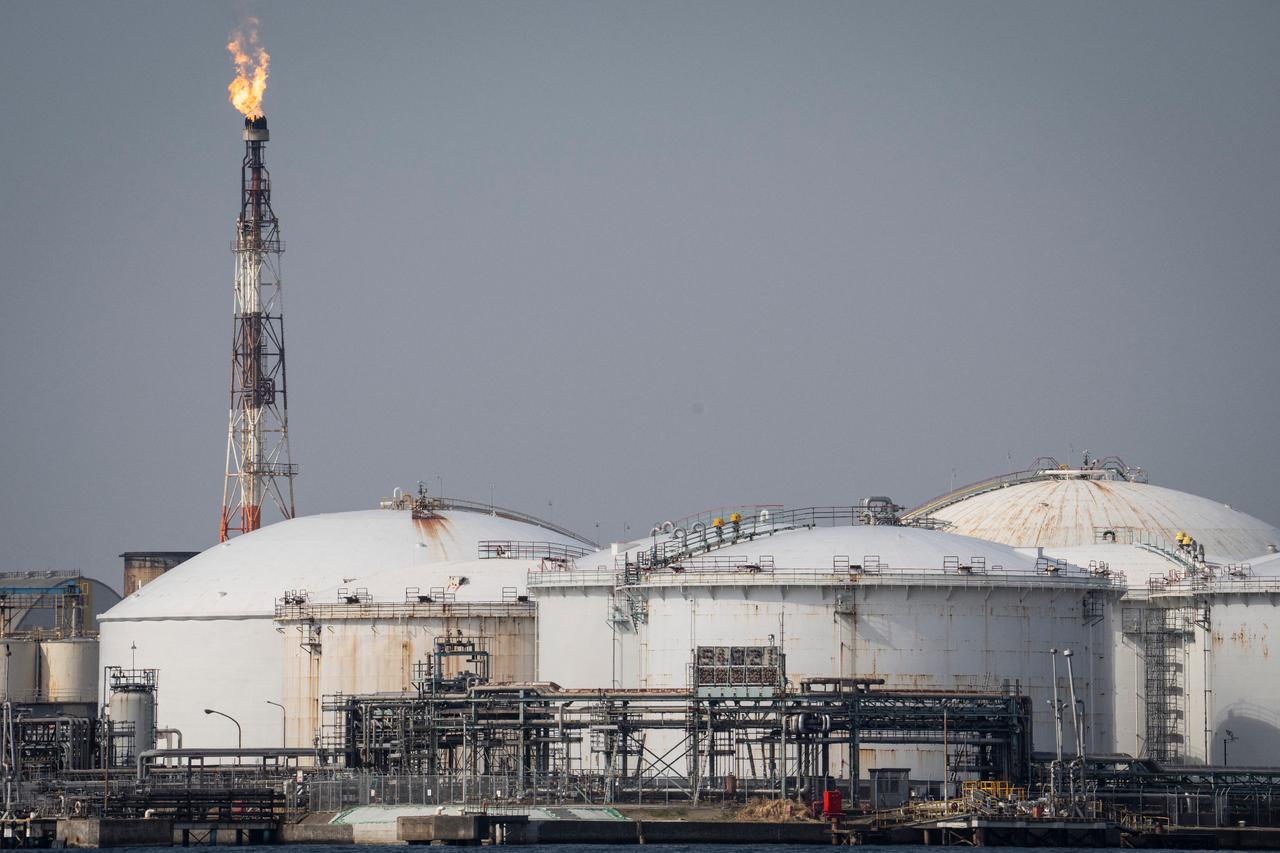
Despite crude prices climbing amid the conflict, oil investment is projected to decline for a third straight year and fall below $500 billion in 2026. The IEA attributed the weaker spending outlook to uncertainty over the durability of higher prices, as well as supply chain constraints, tighter offshore rig availability and lengthy project timelines outside the Middle East.
Natural gas investment, meanwhile, is projected to climb to $330 billion, the highest level in a decade, supported by a fresh wave of LNG export projects in the United States and Qatar.
Coal spending is also heading higher as countries try to secure a backup supply. The IEA expects coal investment to rise to $180 billion in 2026, the highest level since 2012, with China accounting for almost 70% of global coal supply spending.
Some Asian economies affected by the current crisis may extend the life of coal-fired power plants to strengthen energy security, the report noted.
The report also flagged growing electricity demand from artificial intelligence and data centers, especially in the United States, as another factor reshaping global investment patterns. Orders for new gas-fired power plants reached a 25-year high in 2025 as data center expansion accelerated, according to the IEA.


 Set as preferred source
 Set as preferred source


 1 min read
 1 min read