Newsletters


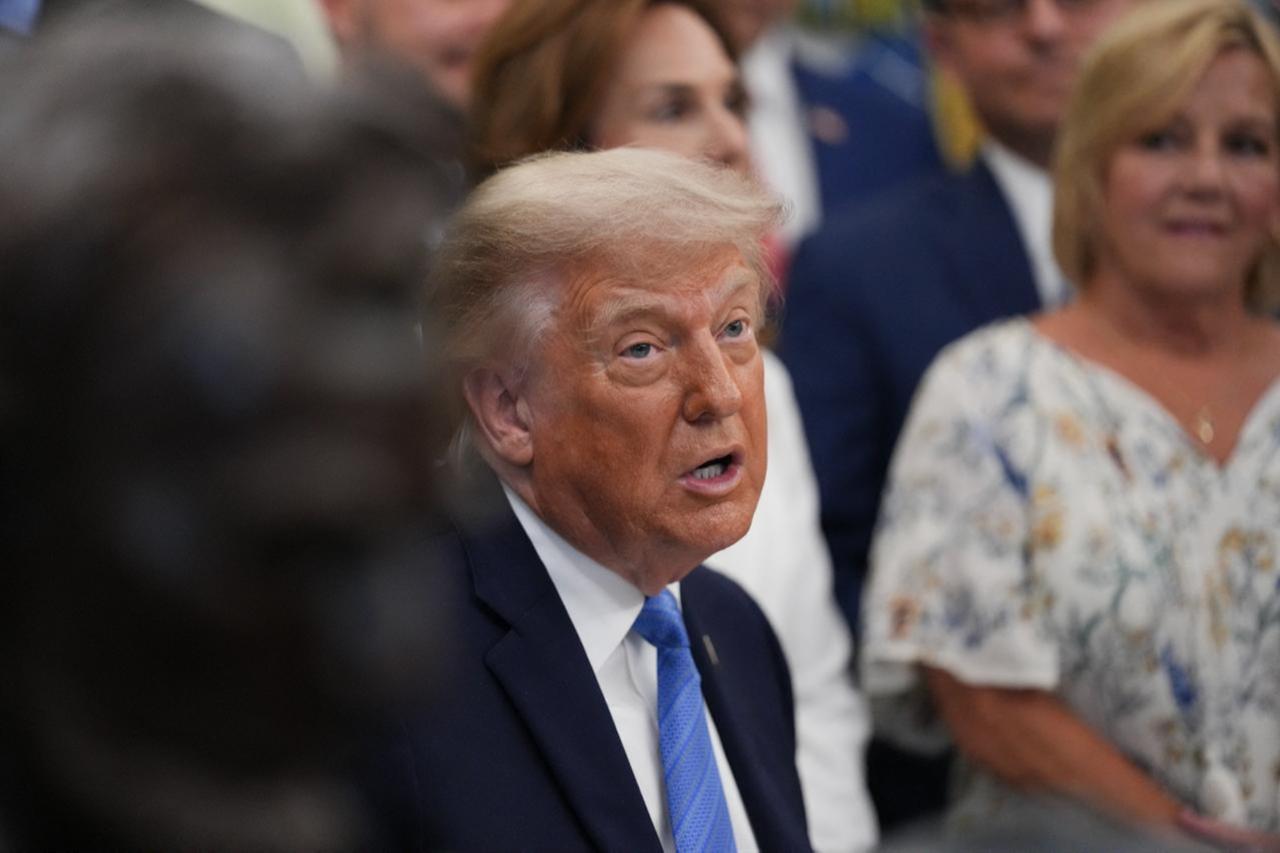


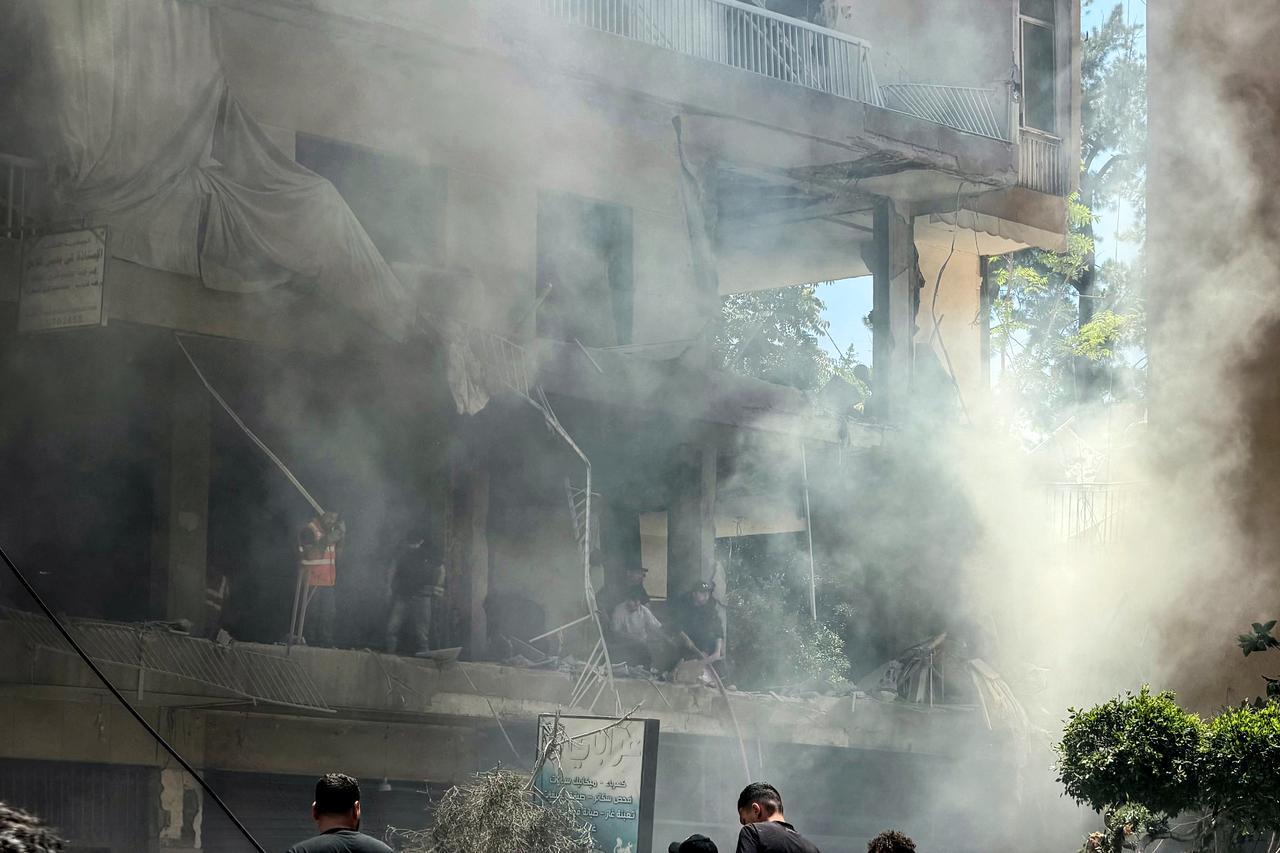
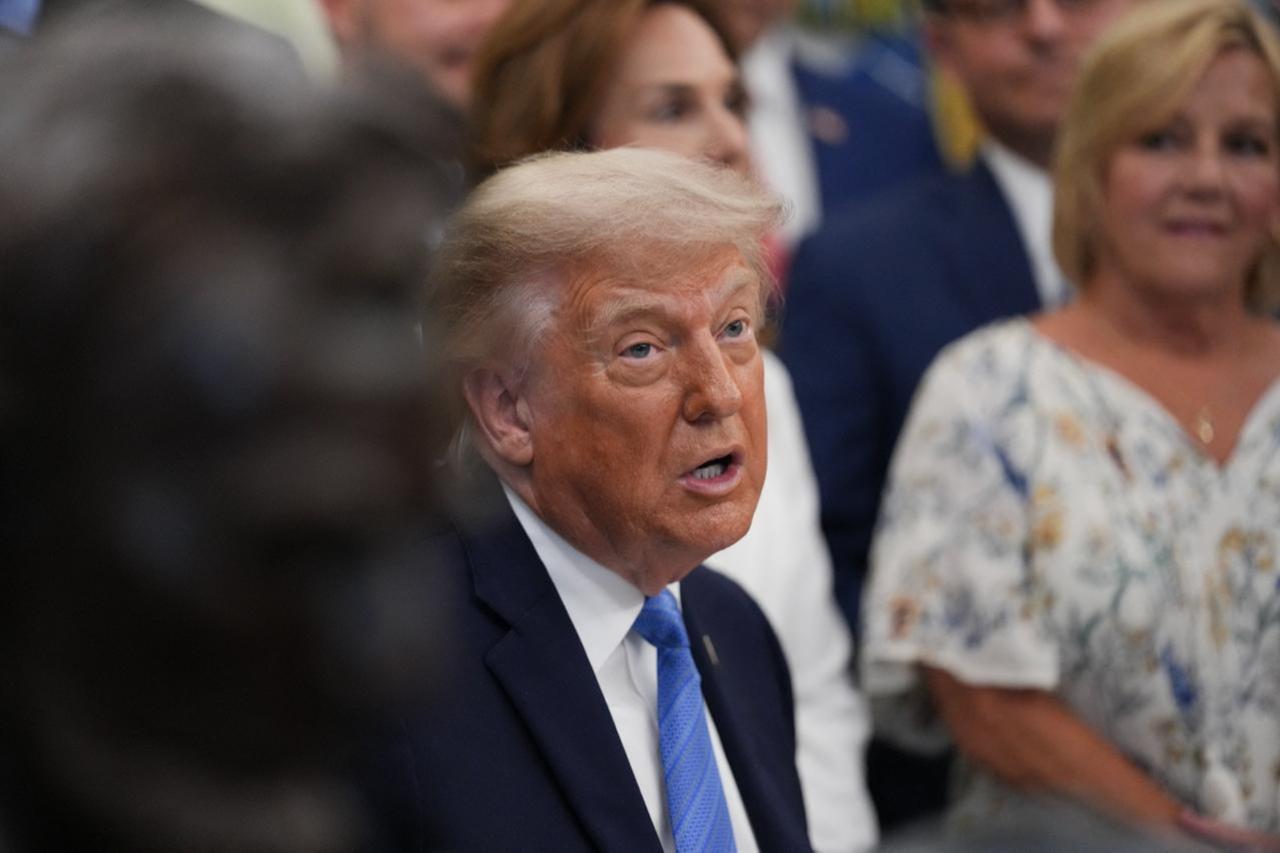
U.S. President Donald Trump publicly broke with Israel on Sunday, condemning an Israeli military strike on Beirut and warning that the attack could derail a peace agreement with Iran that he said was within reach.
In a post on his Truth Social platform, Trump declared that the Beirut strike "should not have happened, particularly on a special day when we are so close to a Peace Deal with Iran."
The rebuke was unusually direct from a president who has maintained close ties with the Israeli government, and it signaled mounting US frustration with Israeli military operations in Lebanon at a critical moment in diplomacy with Tehran.
Trump characterized the incident Israel cited as justification for the strike as inconsequential, arguing it was "very small and meaningless" and resulted in no casualties.
He called on all parties, including Hezbollah, to stand down, framing the moment as a rare diplomatic opening. "This could be the beginning of a long and beautiful peace," he wrote, adding, "Let's not blow it."
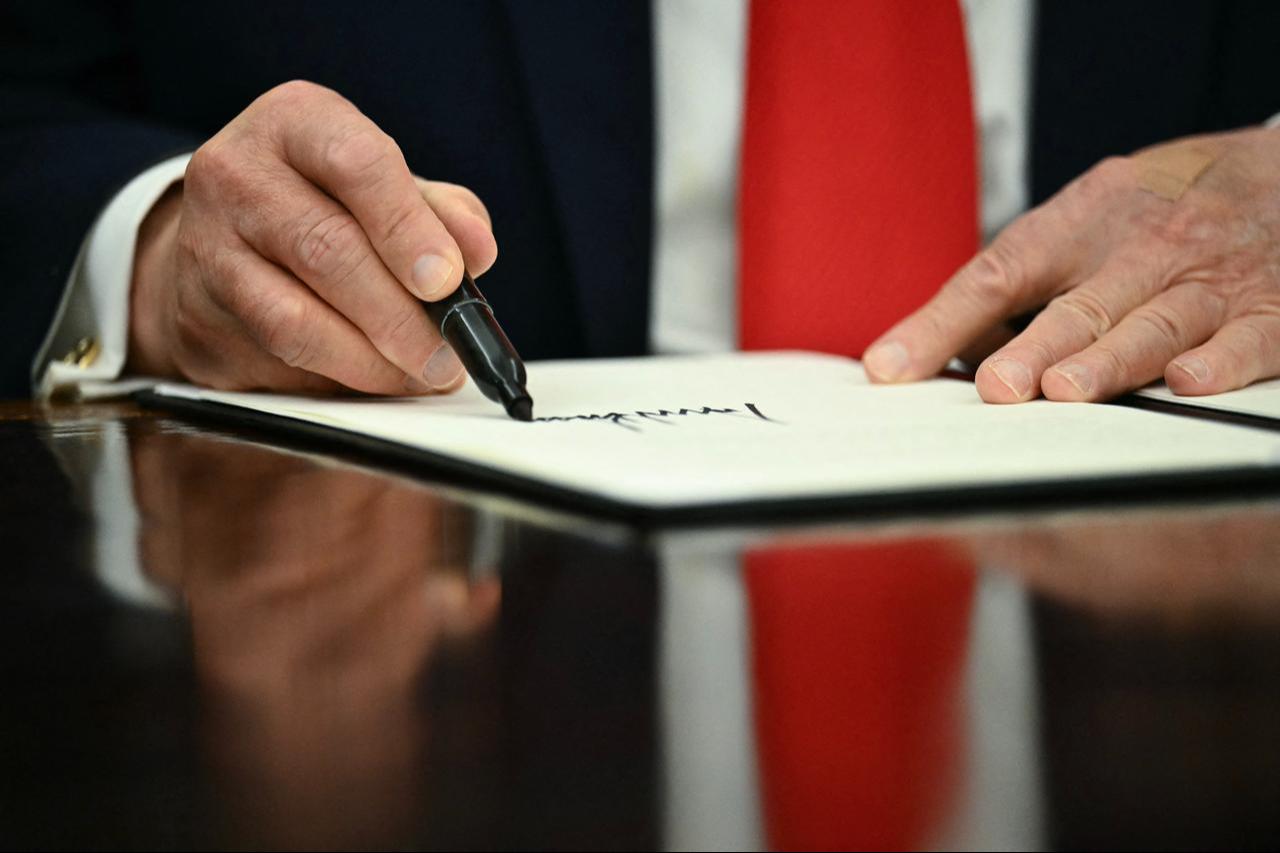

Trump said on Saturday that a deal with Iran was set to be signed on Sunday, but Iranian officials quickly pushed back on that timeline. Sources in Tehran told the state-linked Fars News Agency that a proposed memorandum of understanding remains "under consideration" and that no final decision had been announced, suggesting the two sides remain at least somewhat apart on terms and timing.
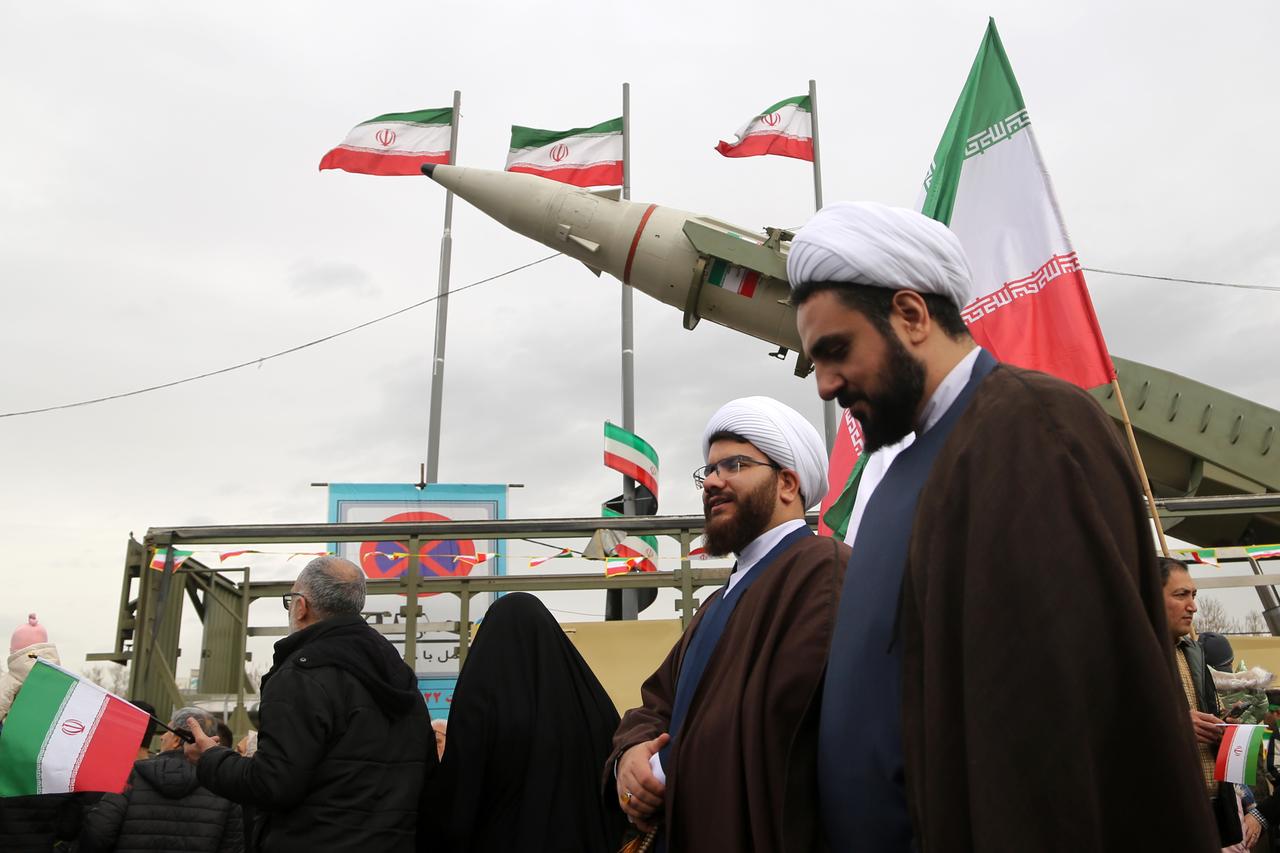
The US has demanded that Iran halt its nuclear program and fully reopen the Strait of Hormuz, the narrow waterway through which a significant portion of global oil exports pass.
Iran, in turn, has called for an end to the war on all fronts, including Lebanon, the release of frozen Iranian assets, and an end to the US blockade of its ports.
Adding to the tensions, Mohammad Bagher Qalibaf, the speaker of Iran's parliament, accused Washington on Sunday of lacking the "will or ability" to meet its obligations, pointing to continued Israeli strikes in Lebanon as evidence. The remarks illustrated the extent to which Israel's military actions in Lebanon are complicating US credibility in the negotiations, with Tehran linking the two issues directly.
Iran has long maintained that the conflict in Lebanon, where it backs Hezbollah, cannot be separated from any broader regional settlement.
Axios, citing Israeli and US officials, reported that Israel had notified US Central Command before carrying out the Beirut strike, a detail that raises questions about the degree of coordination, or lack thereof, between Washington and its closest Middle East ally. The White House did not publicly address the claim.


 Set as preferred source
 Set as preferred source


 1 min read
 1 min read