Newsletters


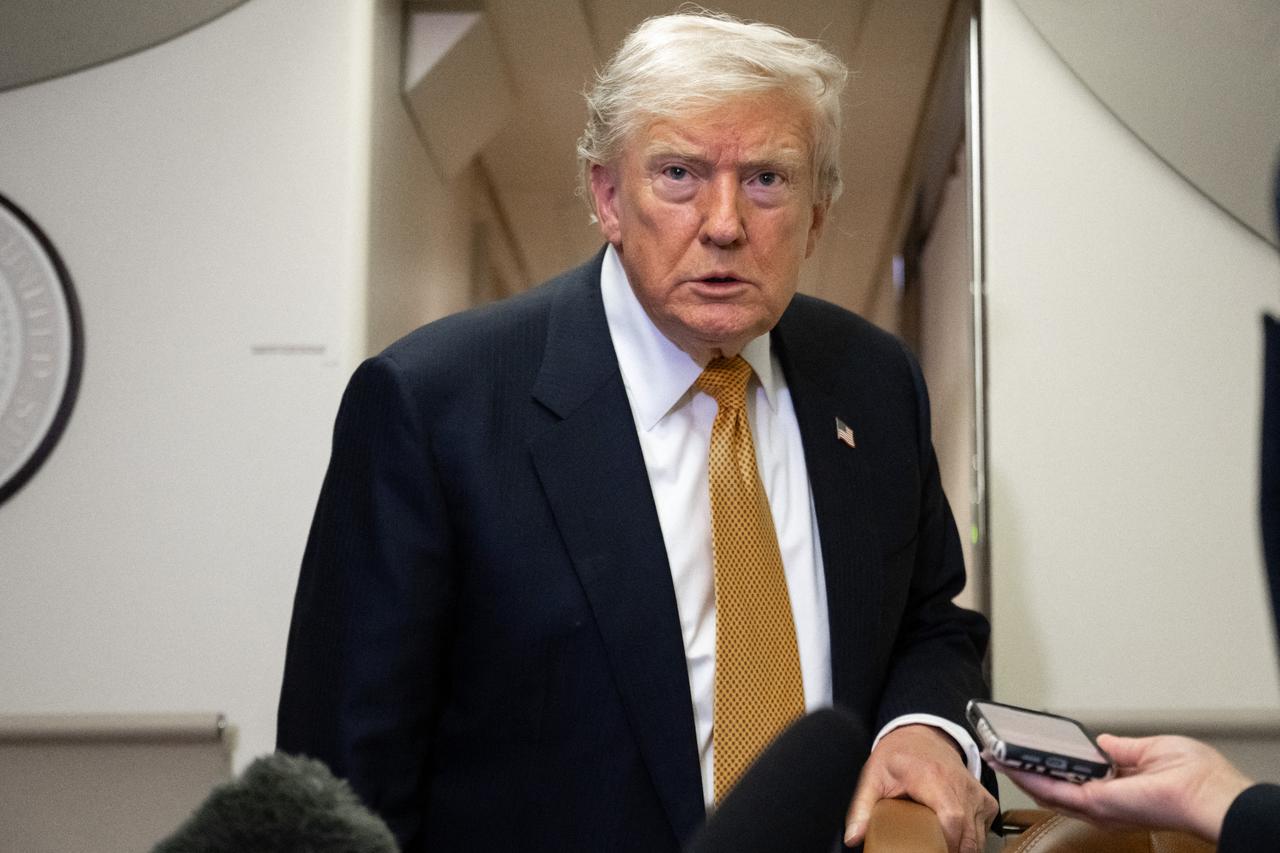


U.S. President Donald Trump said Friday that Washington agreed to continue talks with Iran after Tehran requested further discussions, even as he maintained that a ceasefire reached between the two countries is no longer in effect.
"The Islamic Republic of Iran has asked us to continue 'talks.' We have agreed to do so, but the United States has stated to them, in no uncertain terms, that the Cease Fire is OVER!" Trump wrote on Truth Social.
The president did not disclose where or when the next round of talks could take place, and the White House immediately provided no additional details.
Responding to Trump's post, Iran's Foreign Ministry spokesman Esmaeil Baghaei denied that Tehran had requested negotiations with the U.S., warning that any breach of Washington's commitments would be met with reciprocal action.
Trump earlier stated at the NATO summit in Ankara that the ceasefire "over" and said he no longer wanted to deal with Iran after renewed military exchanges between the two sides.
The ceasefire, brokered last month under a memorandum of understanding reached with Pakistani mediation, was intended to halt hostilities, reopen the Strait of Hormuz and pave the way for broader negotiations.
The arrangement began to unravel after Iran attacked three commercial vessels in the Strait of Hormuz, accusing Washington of breaching the memorandum by encouraging ships to use the southern Oman route rather than a transit system Tehran says it is entitled to oversee.
The U.S. responded with strikes on Iranian military targets, and Tehran then retaliated by launching attacks targeting U.S. military infrastructure in Bahrain and Kuwait.
Following Trump's warning, U.S. forces carried out another round of strikes against Iran, hitting about 90 military targets after attacking roughly 80 the previous day, U.S. Central Command (CENTCOM) stated.
Amid the renewed fighting, Qatari mediators traveled to Tehran in an effort to lower tensions and revive technical negotiations between Washington and Tehran.
According to Iranian media, the Qatari delegation is expected to meet Iranian officials to discuss ways to resume broader negotiations between the two sides. The reports said the diplomatic effort is being coordinated with the U.S.
The talks are expected to focus on implementing the U.S.-Iran memorandum of understanding, easing tensions that have flared in recent days and addressing disputes over navigation in the Strait of Hormuz.


 Set as preferred source
 Set as preferred source


 1 min read
 1 min read