Newsletters


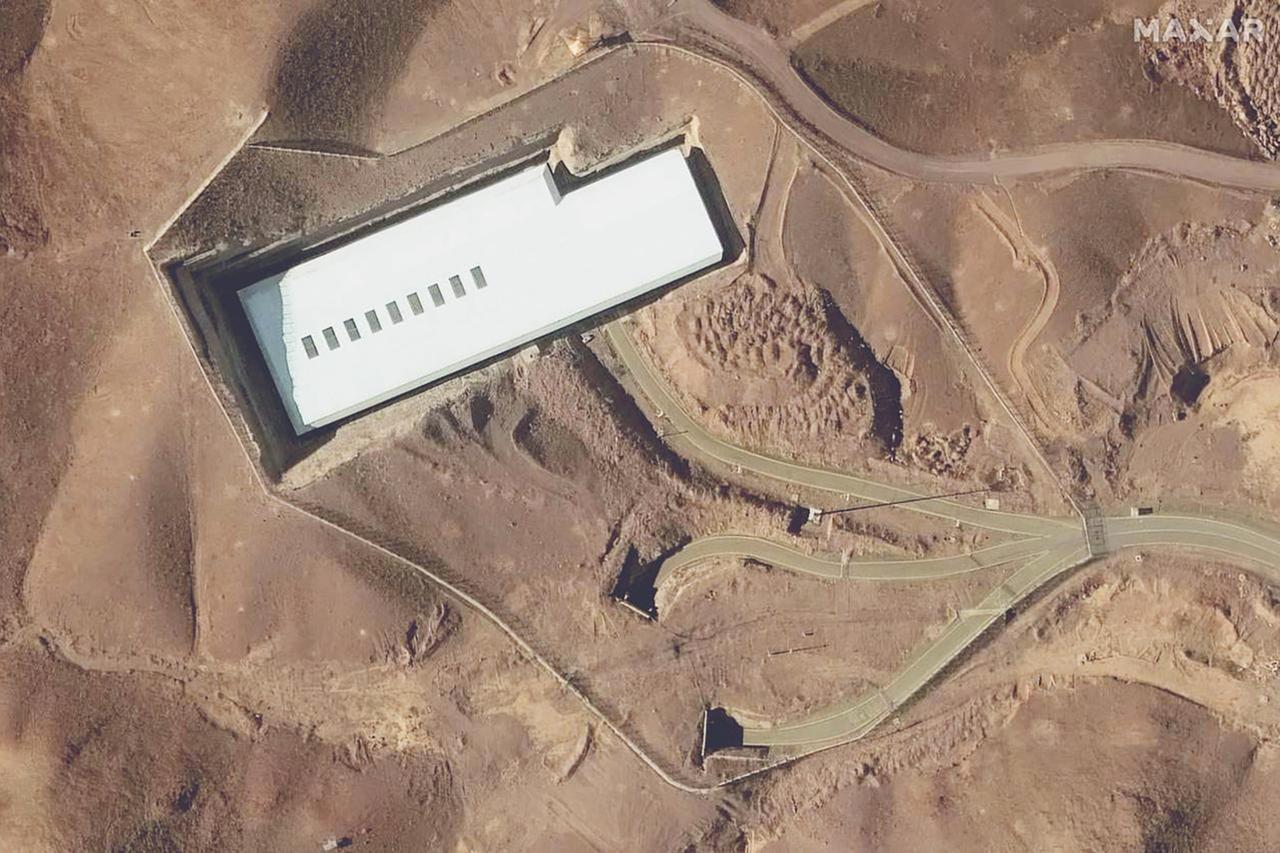


Securing Iran’s enriched uranium stockpile by force would be a complex, risky and lengthy military operation involving significant radiation and chemical hazards, experts and former officials told The Associated Press (AP), as U.S. President Donald Trump weighs options in the ongoing war with Iran.
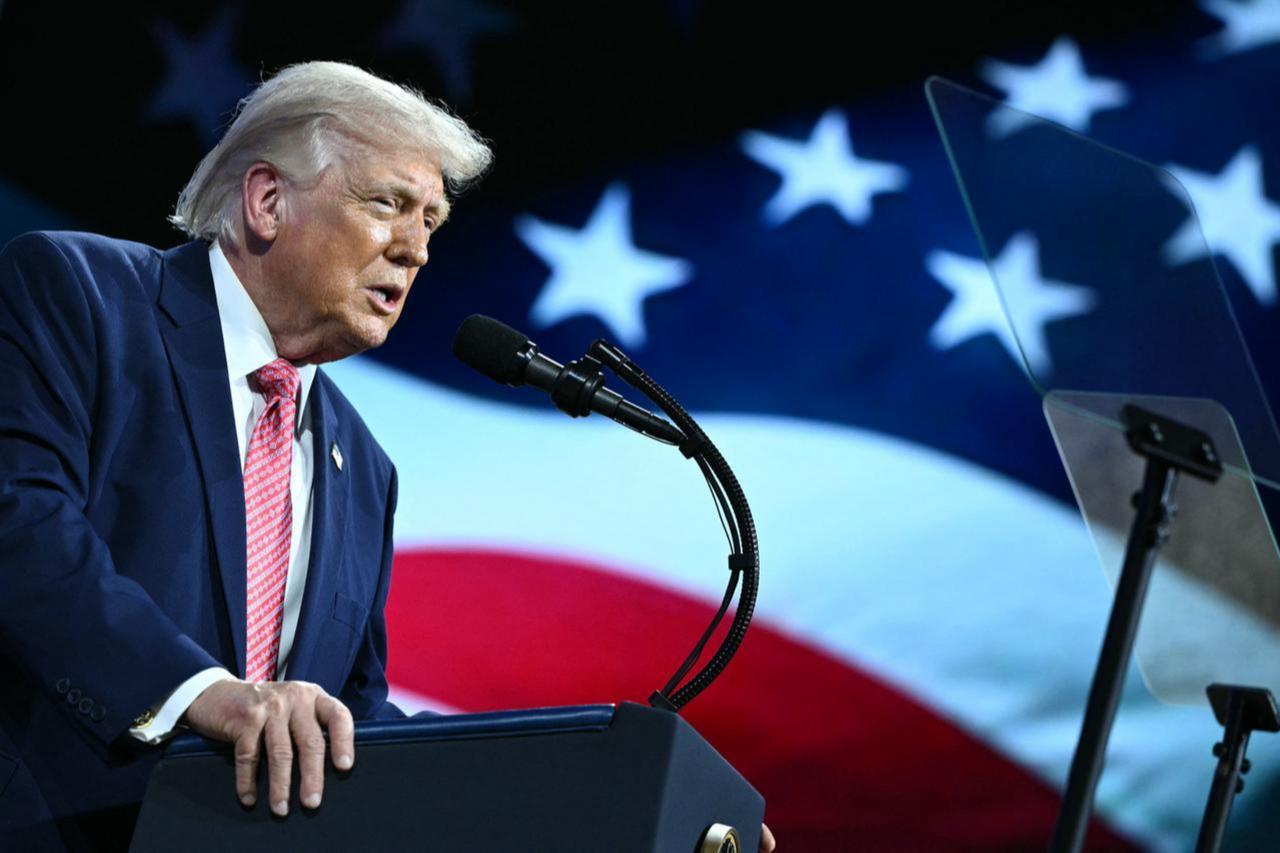
Trump has repeatedly said a key objective of the conflict is to ensure Iran will “never have a nuclear weapon,” but it remains unclear how far the U.S. would go to seize Iran’s nuclear material.
Experts say inserting as many as 1,000 specially trained personnel into a war zone to retrieve uranium stockpiles would pose serious operational and safety challenges, while a negotiated agreement with Iran could offer an alternative path to secure the material without military action.
According to the International Atomic Energy Agency (IAEA), Iran has 440.9 kilograms (970.2 miles) of uranium enriched to up to 60% purity, just below the 90% level considered weapons-grade.
IAEA Director General Rafael Grossi previously said that amount could be sufficient for as many as 10 nuclear bombs if weaponized, although he noted that does not mean Iran possesses such weapons.
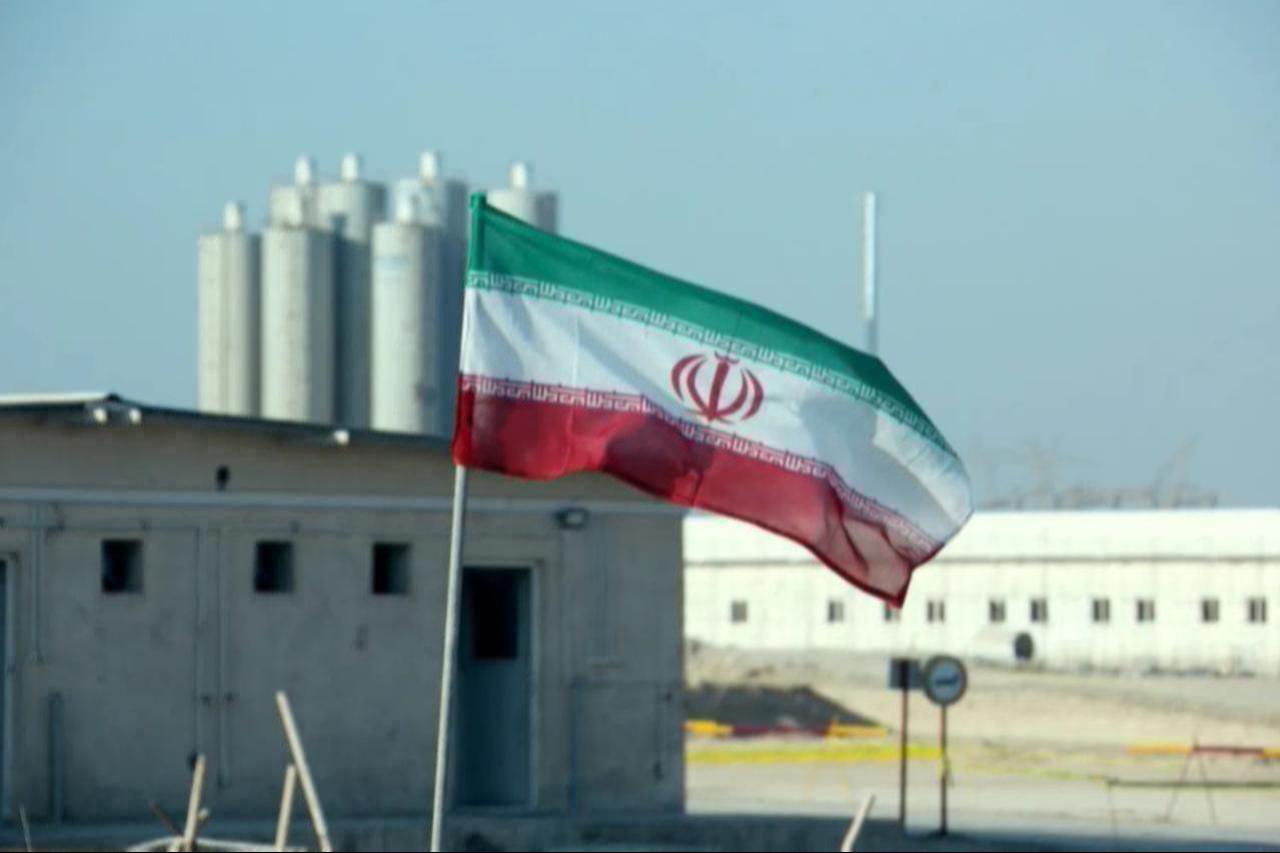

IAEA inspectors have been unable to verify the location of the enriched uranium since June 2025, following U.S.-Israeli strikes that weakened Iran’s air defenses and nuclear infrastructure.
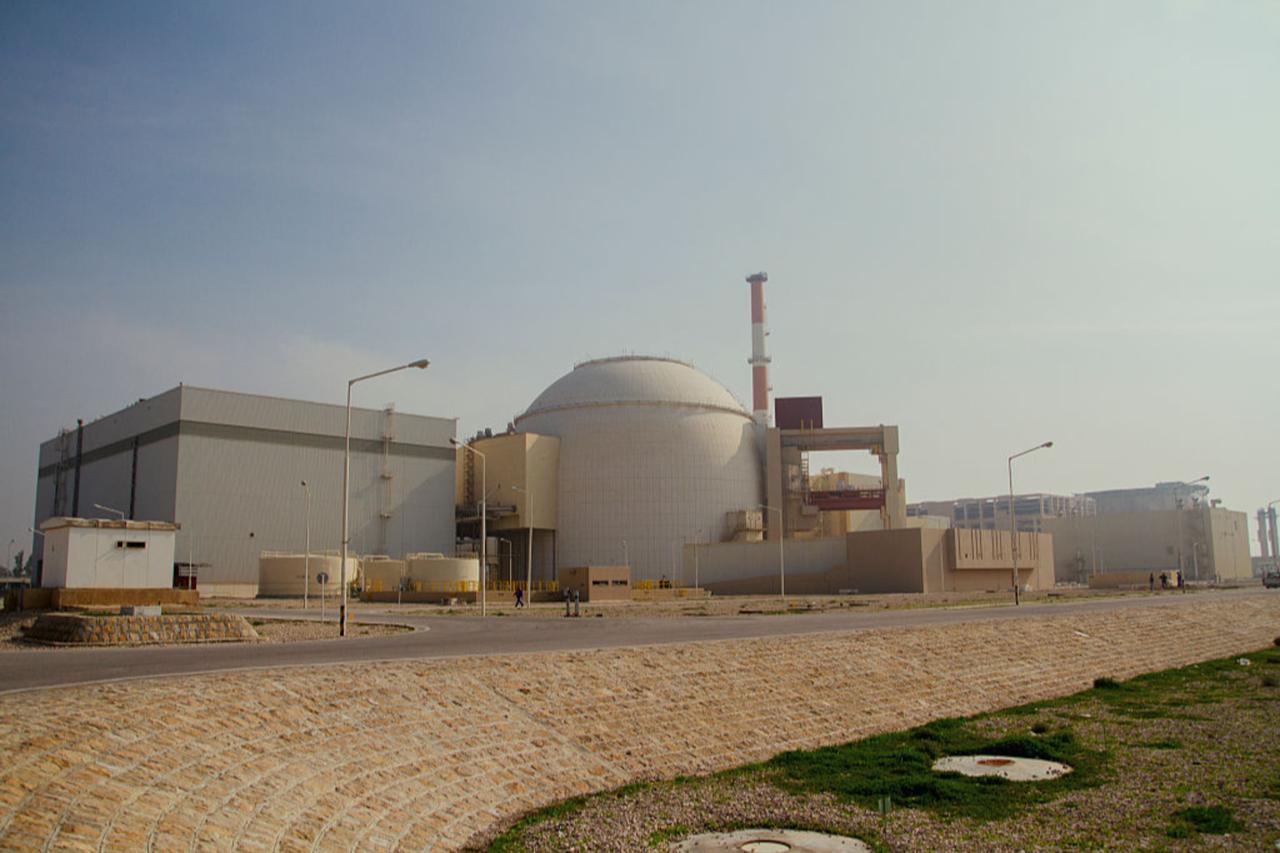
Grossi said roughly 200 kilograms of highly enriched uranium are believed to be stored in tunnels at a nuclear complex outside Isfahan, while additional quantities are thought to be located at the Natanz facility and smaller amounts at Fordo. The exact locations remain uncertain.
U.S. Director of National Intelligence Tulsi Gabbard told lawmakers in March that the U.S. intelligence community has “high confidence” in its knowledge of the stockpile locations.
Experts noted that the uranium is stored in canisters weighing about 50 kilograms each, in the form of uranium hexafluoride gas. Estimates suggest there are between 26 and roughly twice that number of canisters.
David Albright, a former U.N. weapons inspector, said the containers are designed for transport but warned that damage could expose them to moisture, creating hazardous chemical reactions involving toxic fluorine gas.
Personnel retrieving the material would require protective equipment, including hazmat suits, and would need to maintain careful spacing between canisters to prevent a critical nuclear reaction that could release significant radiation.
Christine E. Wormuth, former U.S. Army secretary under President Joe Biden, described any ground operation to secure the uranium as “very complex and high risk.”
She said the dispersed nature of the material across multiple sites would likely require around 1,000 troops for operations at a single location, such as Isfahan, including special forces and nuclear specialists.
Wormuth said heavy equipment would likely need to be transported by helicopter to access tunnel systems that may be buried under rubble, and U.S. forces could be required to construct an airstrip to support the mission.
She added that units such as the 75th Ranger Regiment and Nuclear Disablement Teams under the 20th Chemical, Biological, Radiological, Nuclear, Explosives Command could be involved, working together to locate and safely extract the material while securing the area.
“The Iranians have thought this through,” Wormuth said, warning that forces could face decoys, booby traps and other obstacles underground.
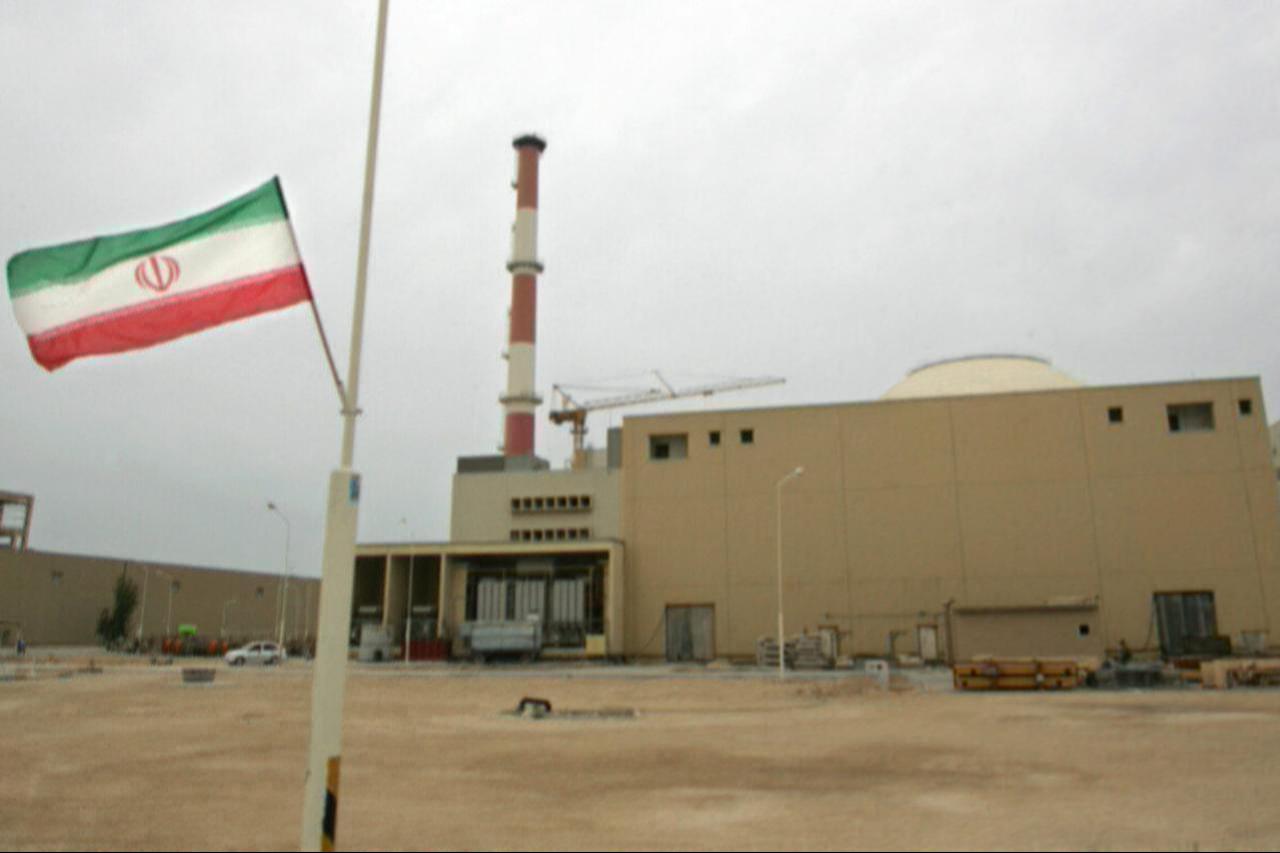
Experts told AP that a negotiated agreement with Iran would be the most effective way to secure the uranium without the risks of a military operation.
Scott Roecker, former director of the Office of Nuclear Material Removal at the U.S. Department of Energy, said removing the material under an agreement would be preferable, citing previous operations such as the 1994 “Project Sapphire” mission that transferred weapons-grade uranium from Kazakhstan.
Roecker said the Department of Energy’s Mobile Packaging Unit, developed from earlier missions in Kazakhstan, Georgia and Iraq, could be deployed to safely remove nuclear material if an agreement is reached.
Under such a scenario, IAEA inspectors could also play a role. Grossi said in March that such options were under consideration but noted that inspections cannot proceed while active conflict continues.
Iran has consistently maintained that its nuclear program is for peaceful purposes, although Western nations and the IAEA have said Tehran had an organized weapons program until 2003.
Experts also noted that downblending the uranium, reducing its enrichment level for civilian use, would likely need to occur outside Iran, as the necessary infrastructure inside the country may have been damaged during the war.


 Set as preferred source
 Set as preferred source


 1 min read
 1 min read