Newsletters


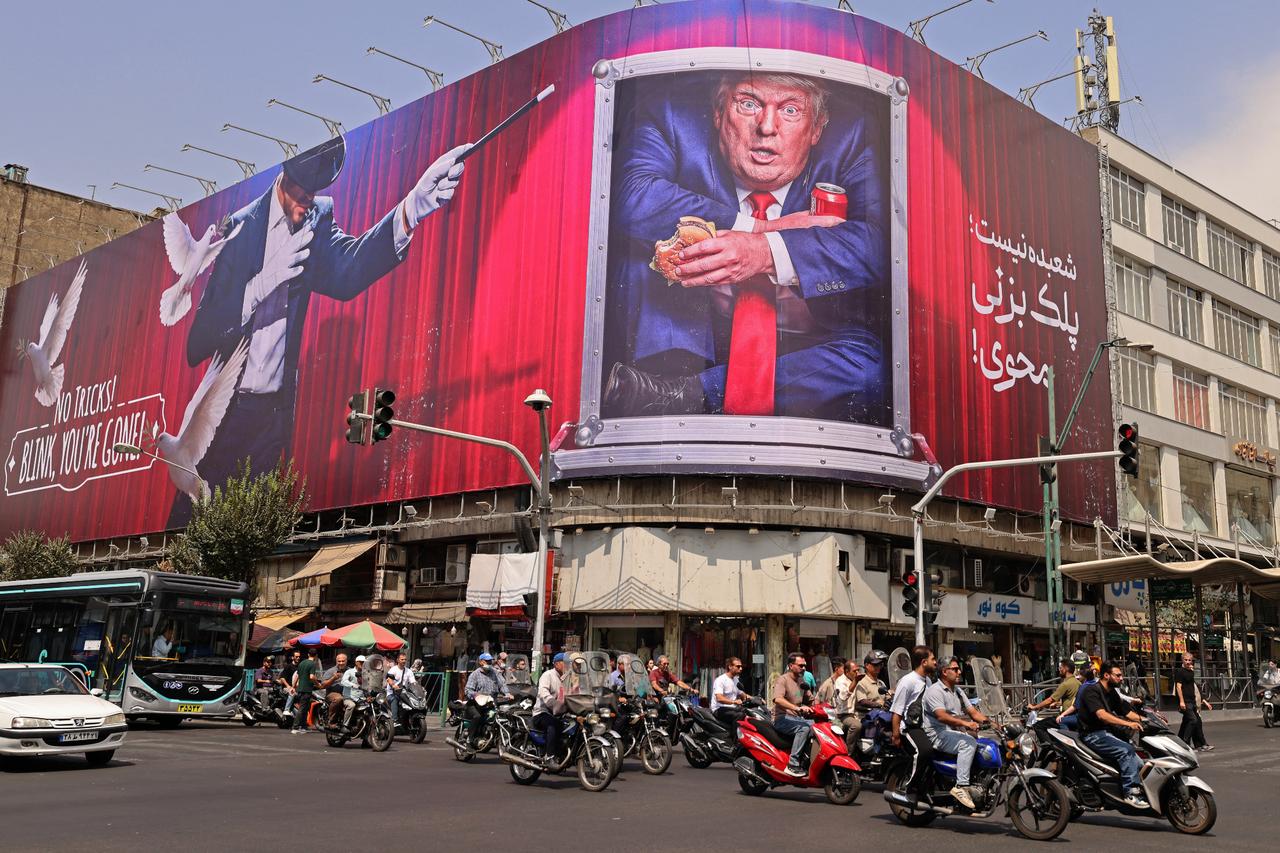


Iran on Tuesday accused the U.S. of treating negotiations as “dictation,” warning that such an approach would not work with Tehran.
“The Americans have mistaken the concept of negotiation for dictation, something that will definitely not work with Iran,” Foreign Ministry spokesperson Esmaeil Baqaei said at a televised news conference.
He accused Washington of acting in “bad faith” and said it would achieve no different result as long as it maintained the same approach.
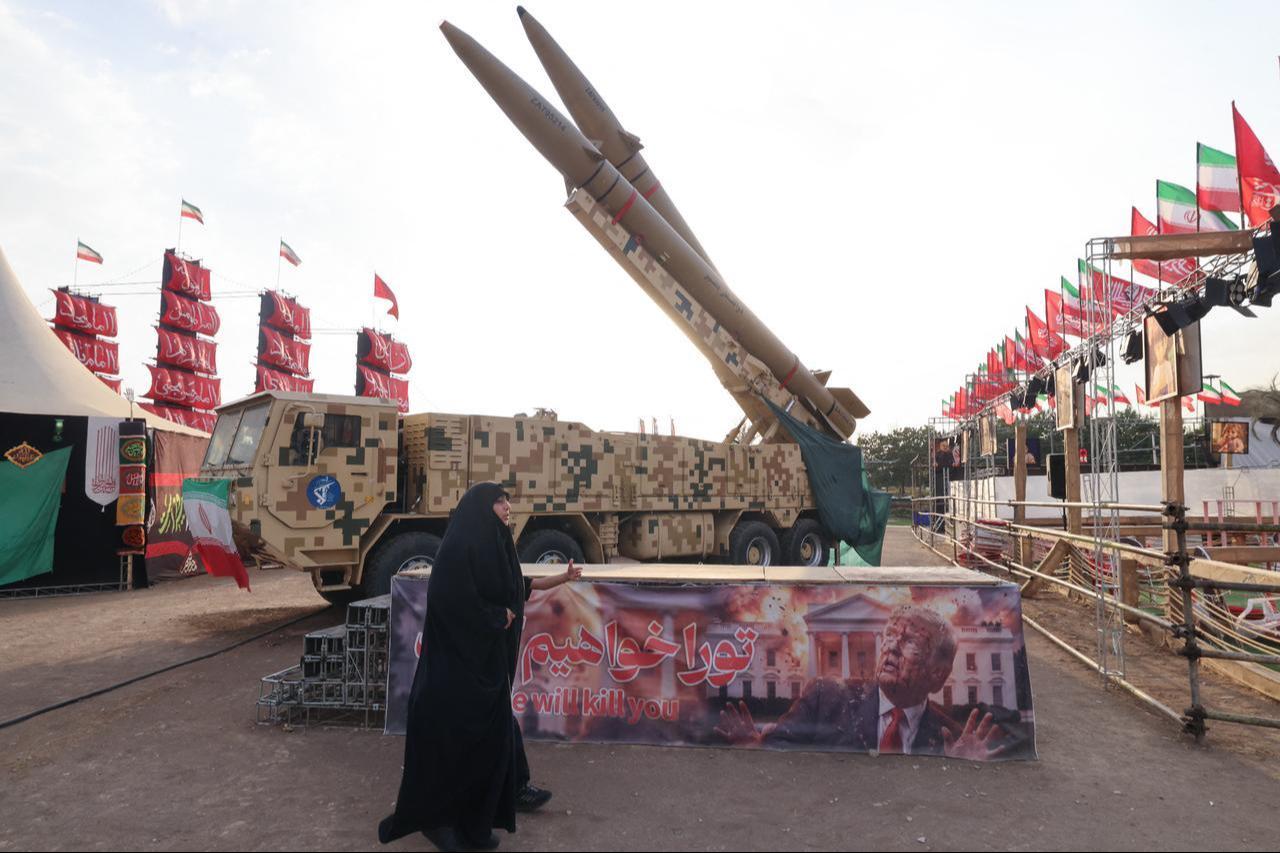

Referring to a recent U.S. attack on Khark Island, Baqaei said Iran would respond to any further strike.
He also accused Washington of violating the Islamabad Memorandum of Understanding, saying U.S. President Donald Trump had signed the agreement and that the U.S. broke its commitments about three weeks later.
Baqaei said Tehran would decide how to proceed based on developments while accusing Washington of continuing sanctions, a naval blockade and an intensified “economic war.”
He added that Iran would still use diplomacy whenever necessary to protect its national interests and rights.
Baqaei said Iran remains in routine contact with the International Atomic Energy Agency but denied that any new negotiations are underway.
He reiterated that there is no nuclear activity at the Kuh-e Kolang, or Pickaxe Mountain, site and said recent remarks by IAEA Director General Rafael Grossi, who said there was no solid evidence of such activity, supported Tehran’s position.
Baqaei also urged the agency to avoid politically influenced statements and operate within its mandate.
Asked about possible Iranian withdrawal from the Nuclear Non-Proliferation Treaty, Baqaei said the issue is being debated but Tehran’s official position has not changed.
“As long as we are a member of this document, we consider ourselves committed to the obligations contained in it,” he said.
He also reiterated Iran’s opposition to nuclear weapons, calling them “anti-human” weapons of mass destruction.
Separately, Baqaei said Tehran does not view the Mecca defense pact between Türkiye, Pakistan and Saudi Arabia as a threat and would continue consultations with Türkiye and other regional countries.


 Set as preferred source
 Set as preferred source


 1 min read
 1 min read