

 Newsletters


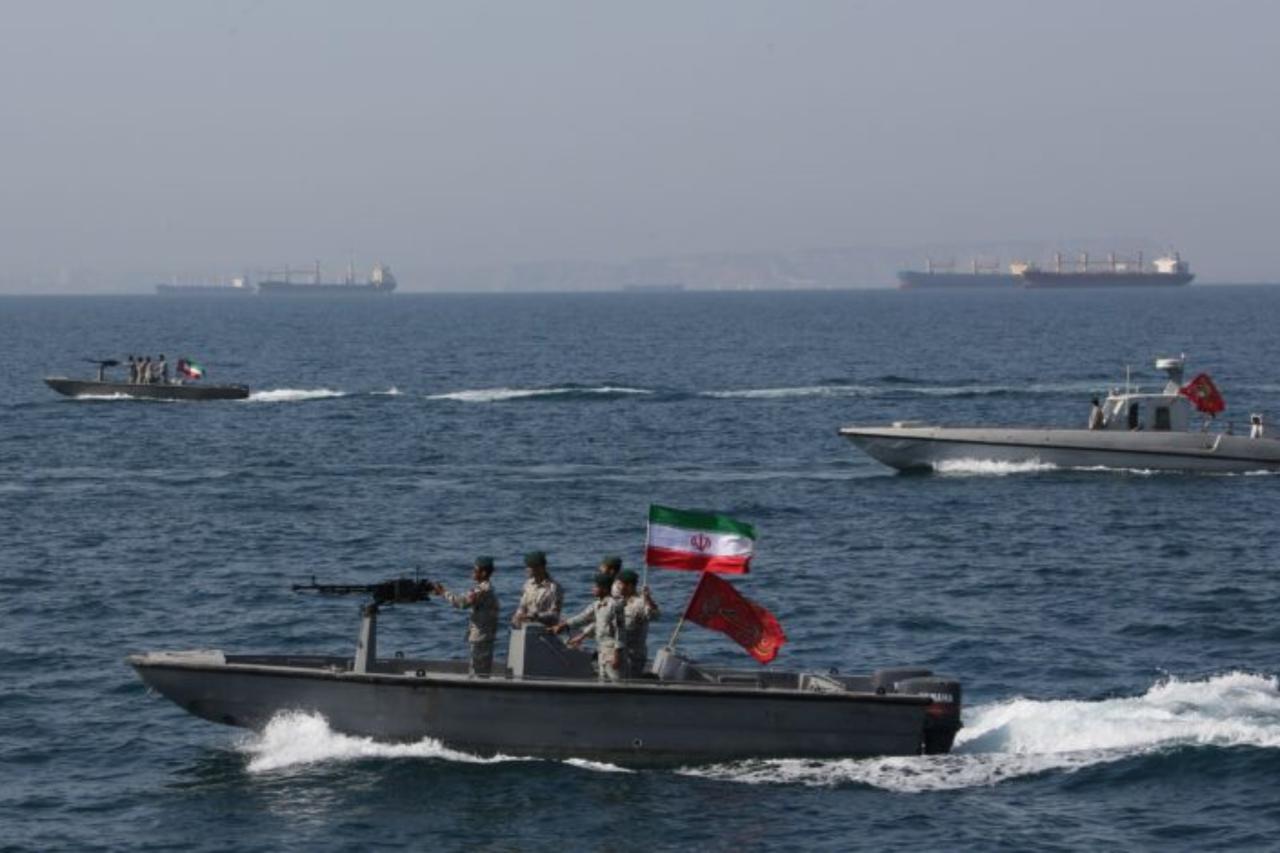


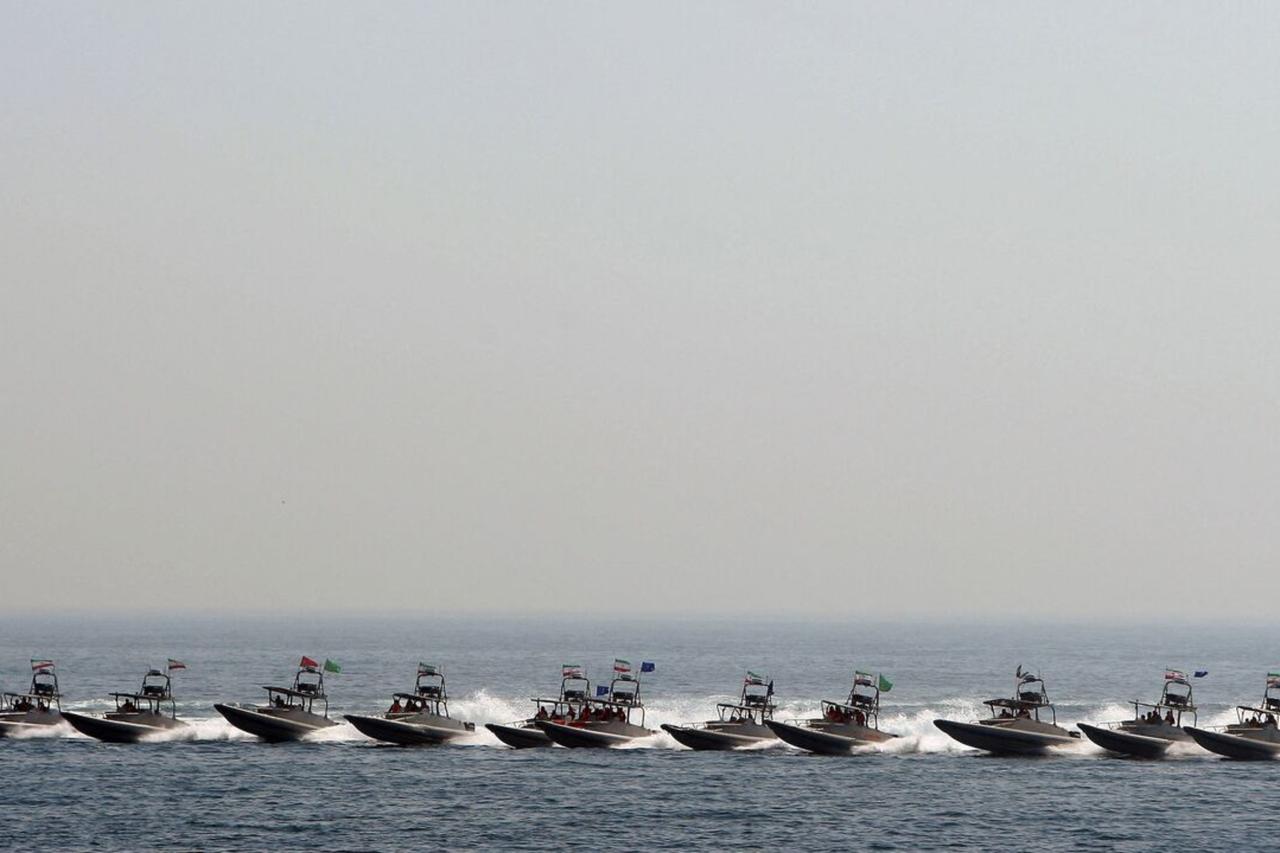
Iran's National Defense Council threatened on Monday to deploy naval mines across the entire Persian Gulf if the country's coasts or islands are attacked.
The council warned that all access routes and communication lines in the waterway would be mined, effectively extending the Hormuz blockade to the entire Gulf, as concern in Tehran mounts over the potential arrival of U.S. Marines and the possibility of a ground operation.

Iran's high-level security body issued a stark warning in a statement carried by semi-official Fars News.
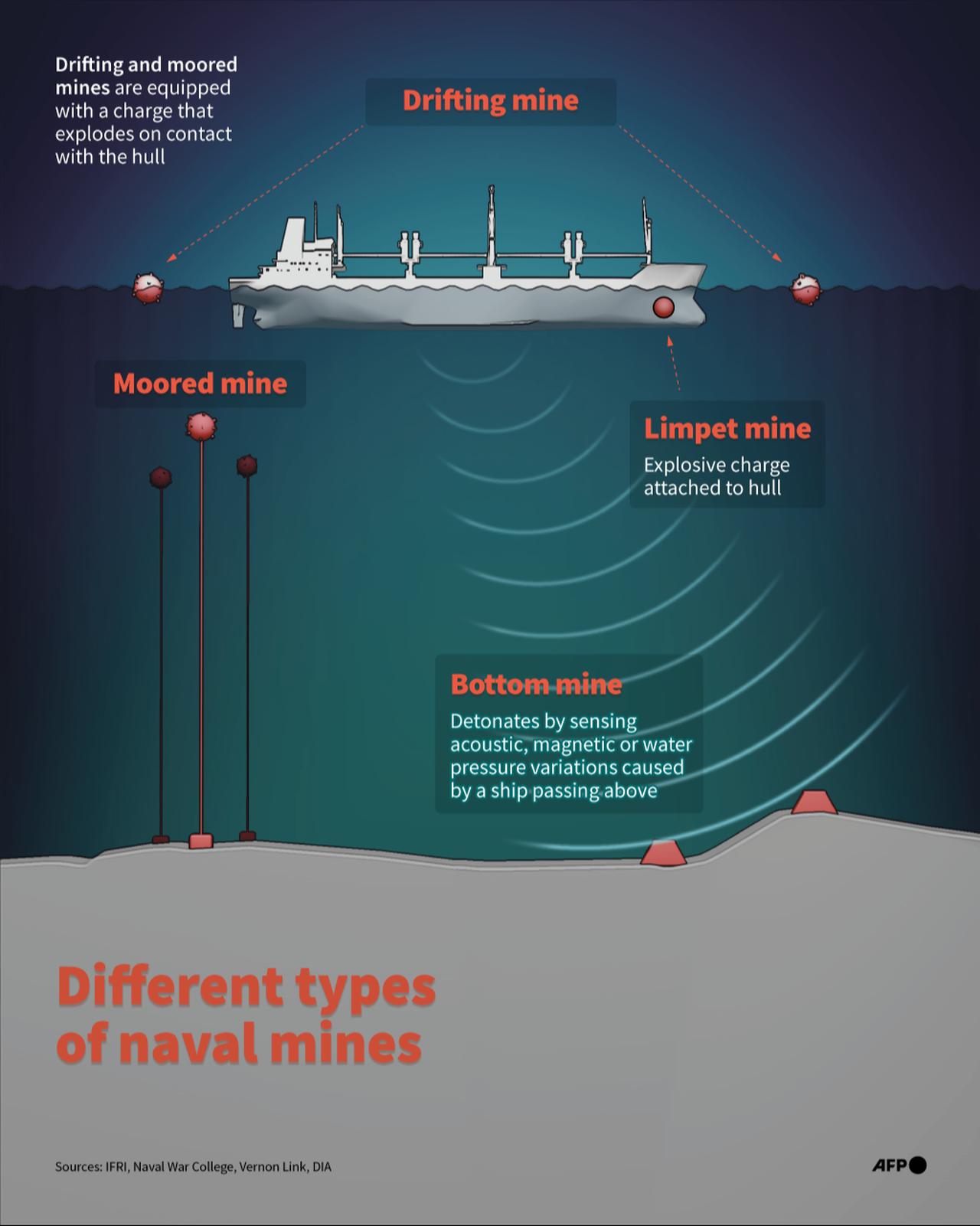
"Any attempt to attack Iran's coasts or islands will cause all access routes in the Gulf to be mined with various types of sea mines, including floating mines that can be released from the coast," the Defense Council said.
"In this case, the entire Gulf will practically be in a situation similar to the Strait of Hormuz for a long time. One should not forget the failure of over 100 minesweepers in the 1980s in removing a few sea mines," the statement added.
"The entire Persian Gulf will effectively be blocked, and the responsibility for this will lie with the threatener," the statement noted.
The council reiterated that non-belligerent states can only pass through the Strait of Hormuz by coordinating passage with Iran.
"The only way to pass through the Strait of Hormuz for non-belligerent countries is coordination with Iran," it said.
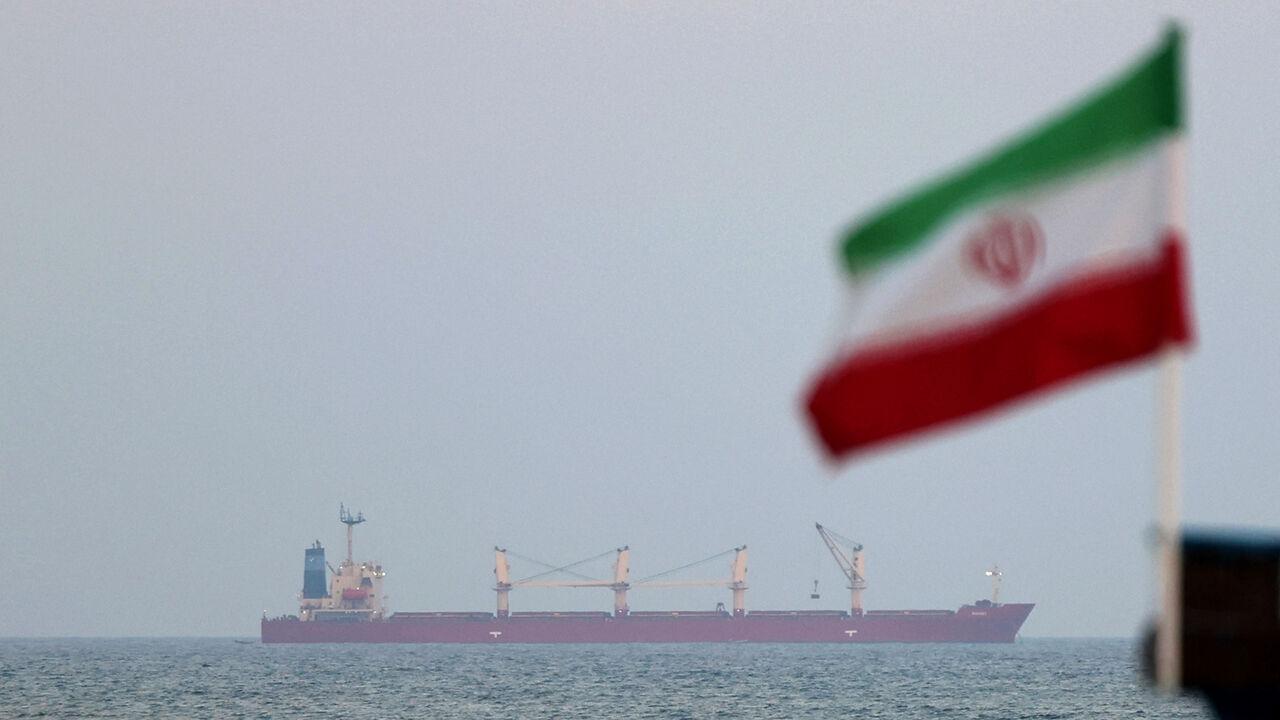
The threat was issued as concern grows in Tehran over the potential arrival of U.S. Marines in the region.
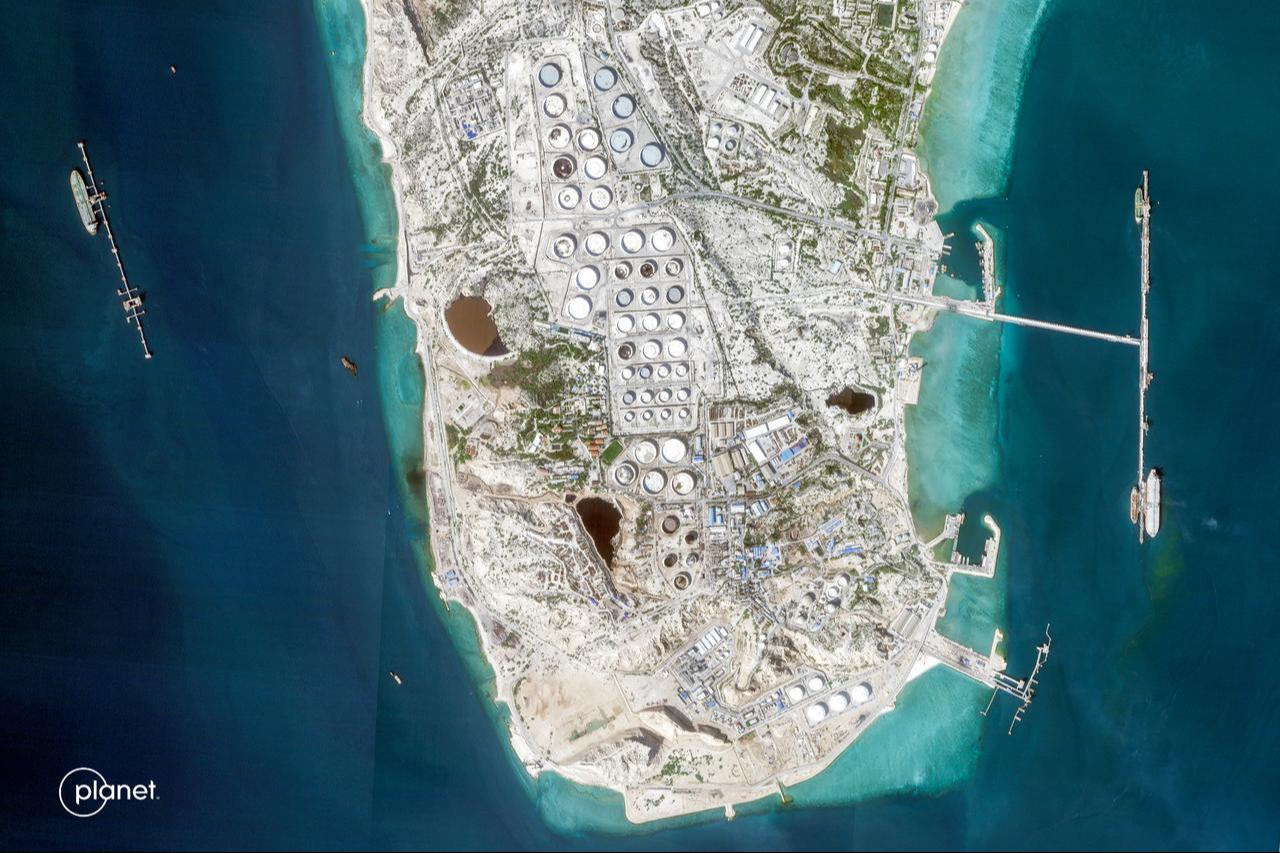
Axios reported that the Trump administration is considering plans to occupy or blockade Kharg Island, located approximately 15 miles off Iran's coast in the northern Persian Gulf, which hosts storage tanks and pumping facilities accounting for 90% of Iran's oil exports.
The Marines could come ashore to seize either islands or territory in Iran to support the mission of reopening the strait.
Israel has also suggested a ground operation could form part of the war.
The warning follows Trump's 48-hour ultimatum issued Saturday, threatening to "obliterate" Iran's power plants if the Strait of Hormuz is not fully reopened.
Iran's military has separately declared it would attack regional infrastructure if Trump carries out that threat.
Iranian Foreign Minister Abbas Araghchi maintained on Sunday that the Strait of Hormuz is not closed.
The Strait of Hormuz is not closed. Ships hesitate because insurers fear the war of choice you initiated—not Iran. No insurer—and no Iranian—will be swayed by more threats. Try respect," Araghchi wrote on X.
"Freedom of Navigation cannot exist without Freedom of Trade. Respect both—or expect neither," he added.
The Iranian Foreign Ministry also said in a statement that the strait is "not blocked," but added that vessels "belonging to the aggressor parties cannot be considered as normal and non-hostile passage and will be dealt with in accordance with the legal framework arising from the conflict as well as the decisions and measures of the competent Iranian authorities."
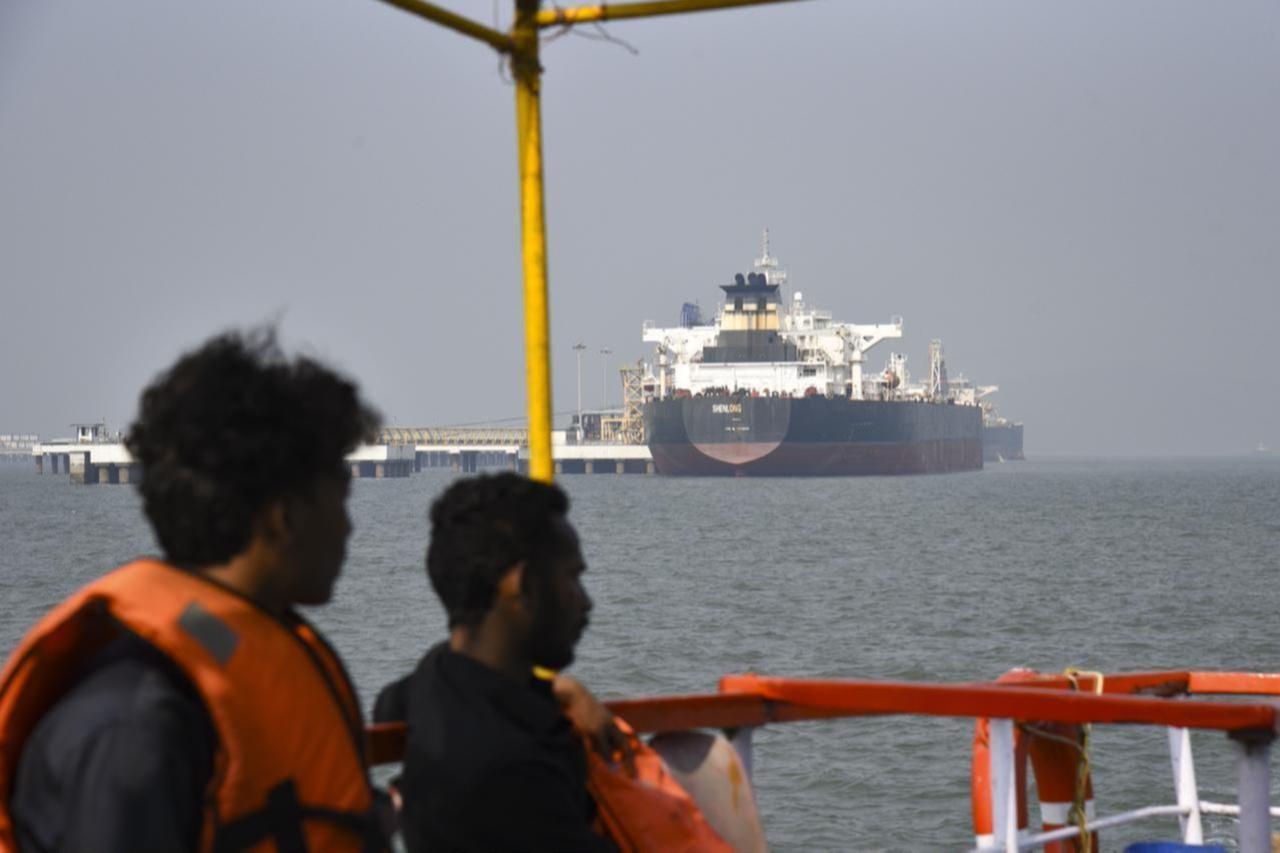
The Strait of Hormuz normally handles approximately 20 million barrels of oil per day and roughly 20% of global liquefied natural gas (LNG) trade.
Its effective closure since early March has driven up shipping and insurance costs and pushed global oil prices higher.
Regional escalation has continued to flare since the U.S. and Israel launched a joint offensive on Iran on Feb. 28, killing so far over 1,300 people, including then-Supreme Leader Ali Khamenei.
Iran has retaliated with drone and missile strikes targeting Israel, along with Jordan, Iraq, and Gulf countries hosting U.S. military assets, causing casualties and damage to infrastructure while disrupting global markets and aviation.


 Set as preferred source
 Set as preferred source


 2 min read

 1 min read


