Newsletters


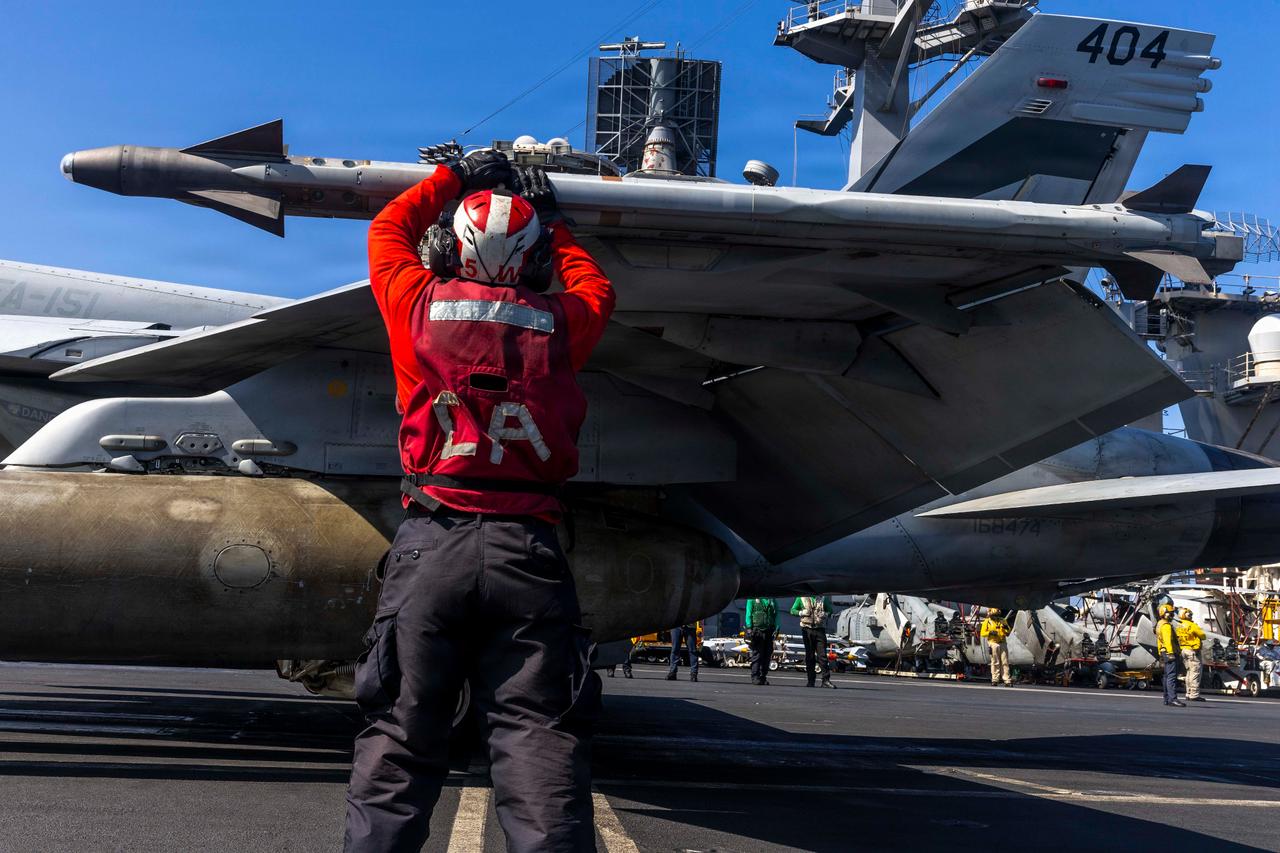


U.S. President Donald Trump is working to assemble a multinational coalition to reopen the Strait of Hormuz and hopes to announce it later this week, while also weighing a potential seizure of Iran's Kharg Island oil terminal if tankers remain bottled up in the Persian Gulf, four sources told Axios.
 Breaking News, Direct to You.
 Follow Türkiye Today on WhatsApp
for real-time updates and key insights from Türkiye and beyond.
Follow Türkiye Today on WhatsApp
for real-time updates and key insights from Türkiye and beyond.
Trump and senior administration officials spent the weekend on the phones working to assemble the coalition, a U.S. official said.
Trump spoke Sunday with British Prime Minister Keir Starmer about the effort, a notable reversal after Trump had said days earlier it was "too late" for the U.K. to help.
"It was a busy weekend of diplomacy between the U.S. and European, Gulf and Asian allies," a source familiar with the details said.
"The Trump administration's primary focus is to build political commitment from allies for a Strait of Hormuz grouping," the source added.
No country has publicly committed yet, but a senior administration official said Trump expects some to announce their support this week, forming what the White House is calling a "Hormuz Coalition."
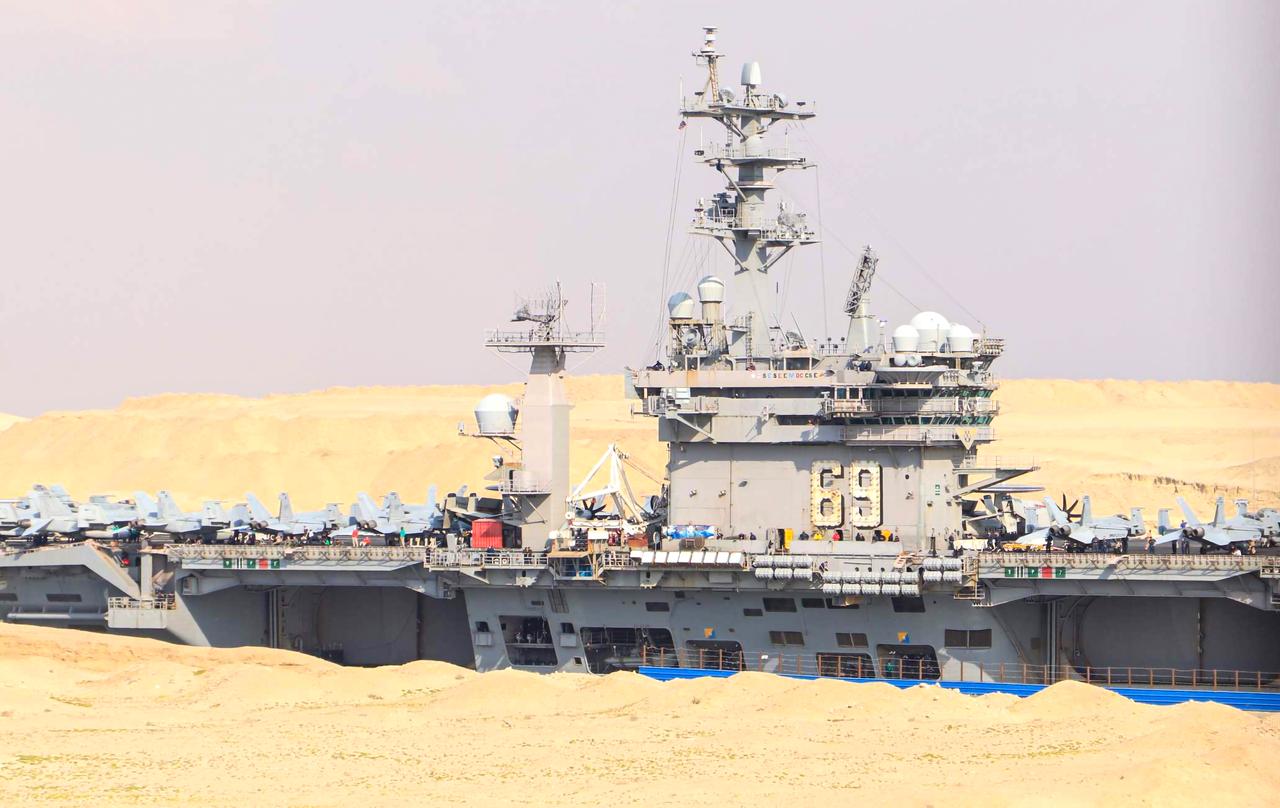

Countries will be asked to contribute warships, command-and-control support, drones and other military assets. The question of "who sends what and when" will be worked out after political commitments are secured.
"Most of this oil isn't our oil, it goes to other countries. So if they want it and they want the price to come down, they need to help out," the official said.
Trump is also pressing China to commit to the coalition before he travels to Beijing for his summit with President Xi Jinping at the end of the month, and told the Financial Times he may delay the trip if Beijing does not engage.
On Thursday, Trump will discuss Iran and the safe passage of oil tankers with Japanese Prime Minister Sanae Takaichi during her first official White House visit.
One Iranian official told CNN that Iran might allow tankers safe passage if oil cargo is traded in Chinese yuan rather than the U.S. dollar.
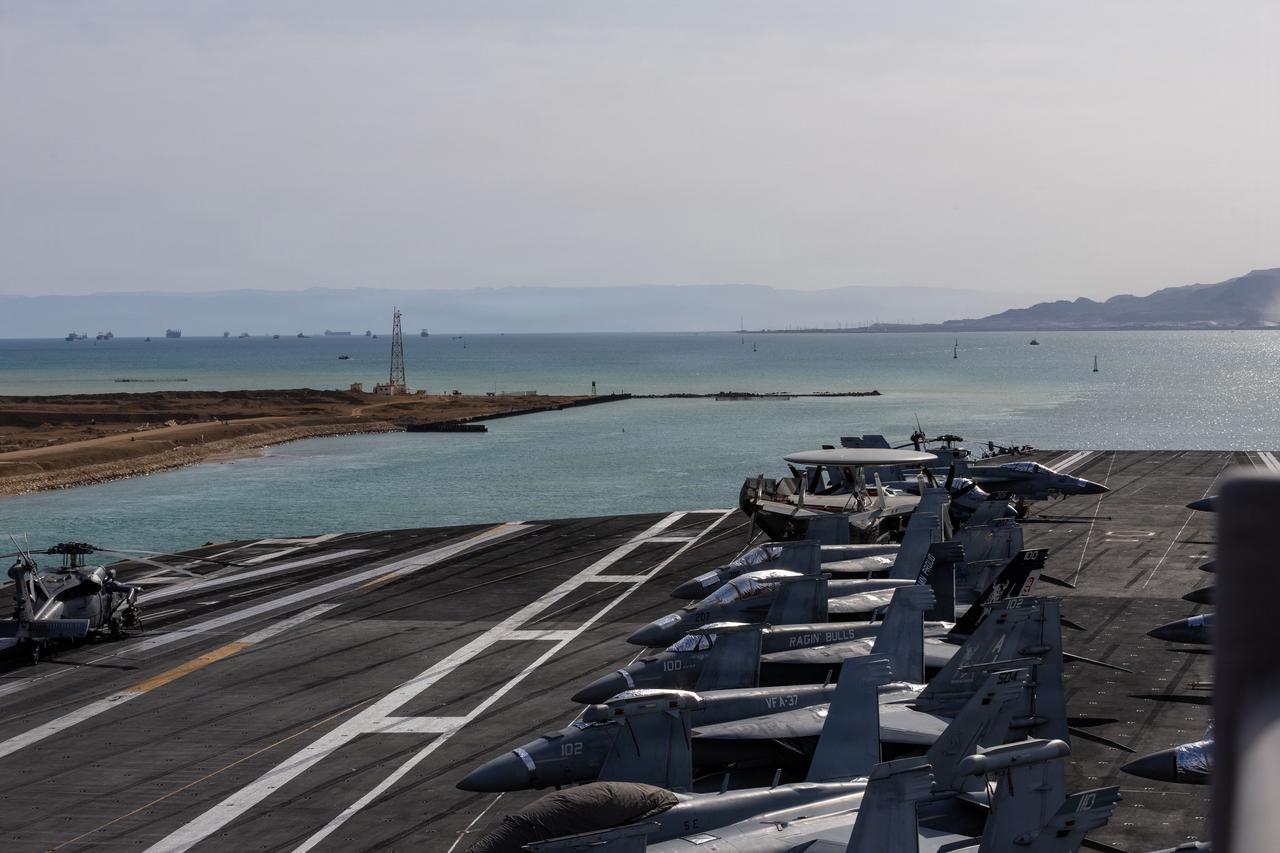
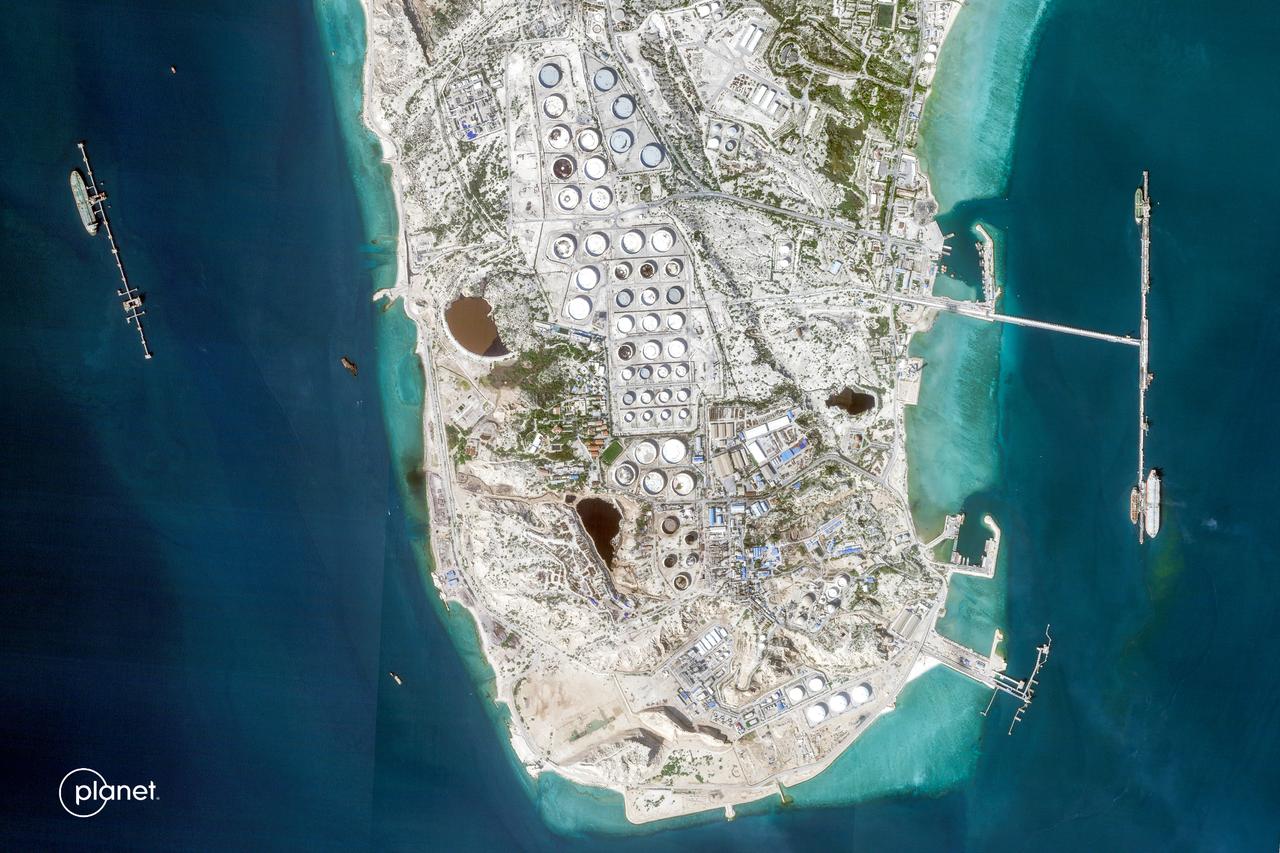
U.S. officials said Trump is also weighing a seizure of Kharg Island outright if the blockade continues. Trump is drawn to the idea because it would constitute "an economic knockout of the regime", essentially defunding Tehran, a third U.S. official told Axios.
However, the move would require U.S. boots on the ground and could trigger Iranian retaliatory strikes against oil facilities and pipelines across Gulf countries, particularly Saudi Arabia.
"There are big risks. There are big rewards. The president isn't there yet and we're not saying he will be," the official said.
A senior White House official said Trump has made no decisions on Kharg Island, but added that "could change" if efforts to clear the strait drag on.
"The president is not going to wait around and let the Iranians dictate the pace of the conflict," the official said.
The U.S. military had previously been considering seizing Kharg Island and, separately, sending special forces to secure Iran's alleged stockpiles of highly enriched uranium, Axios previously reported.
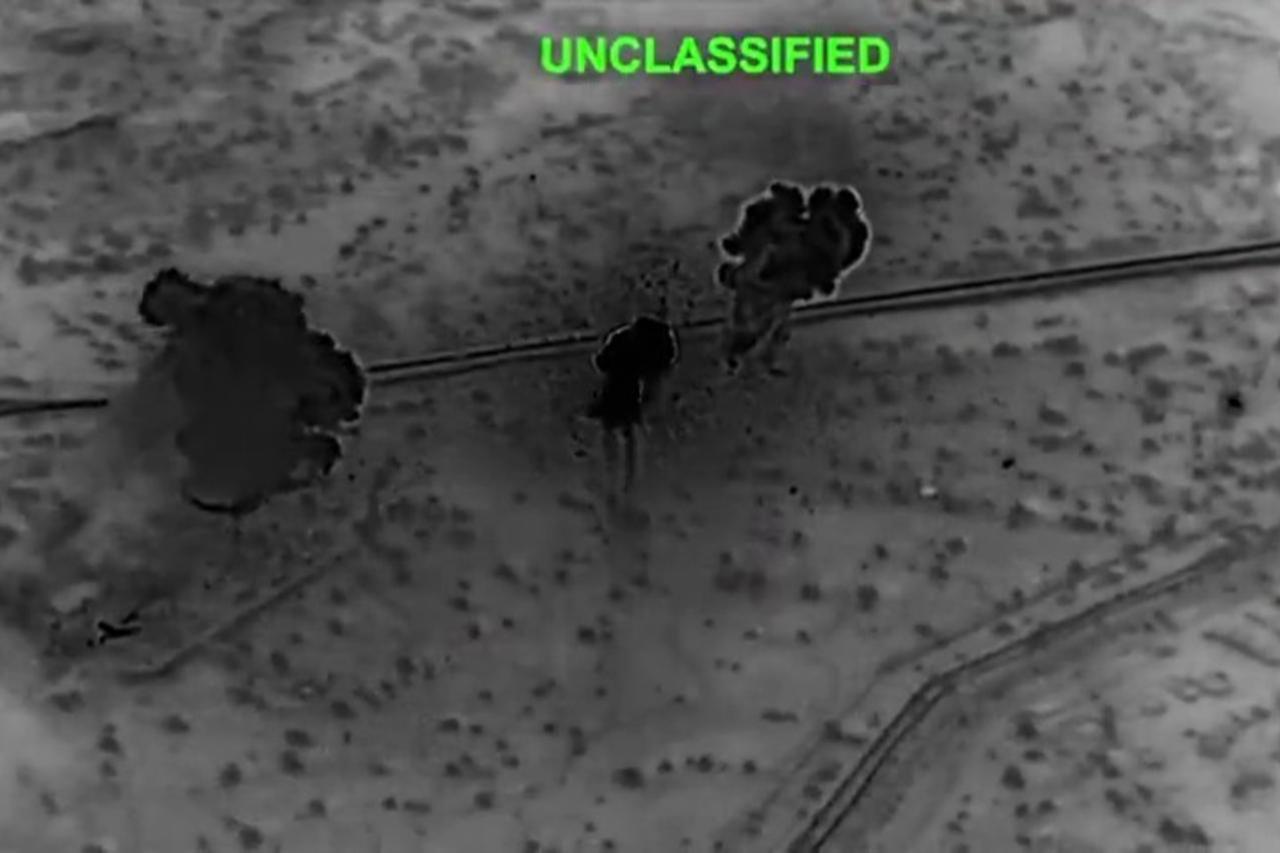
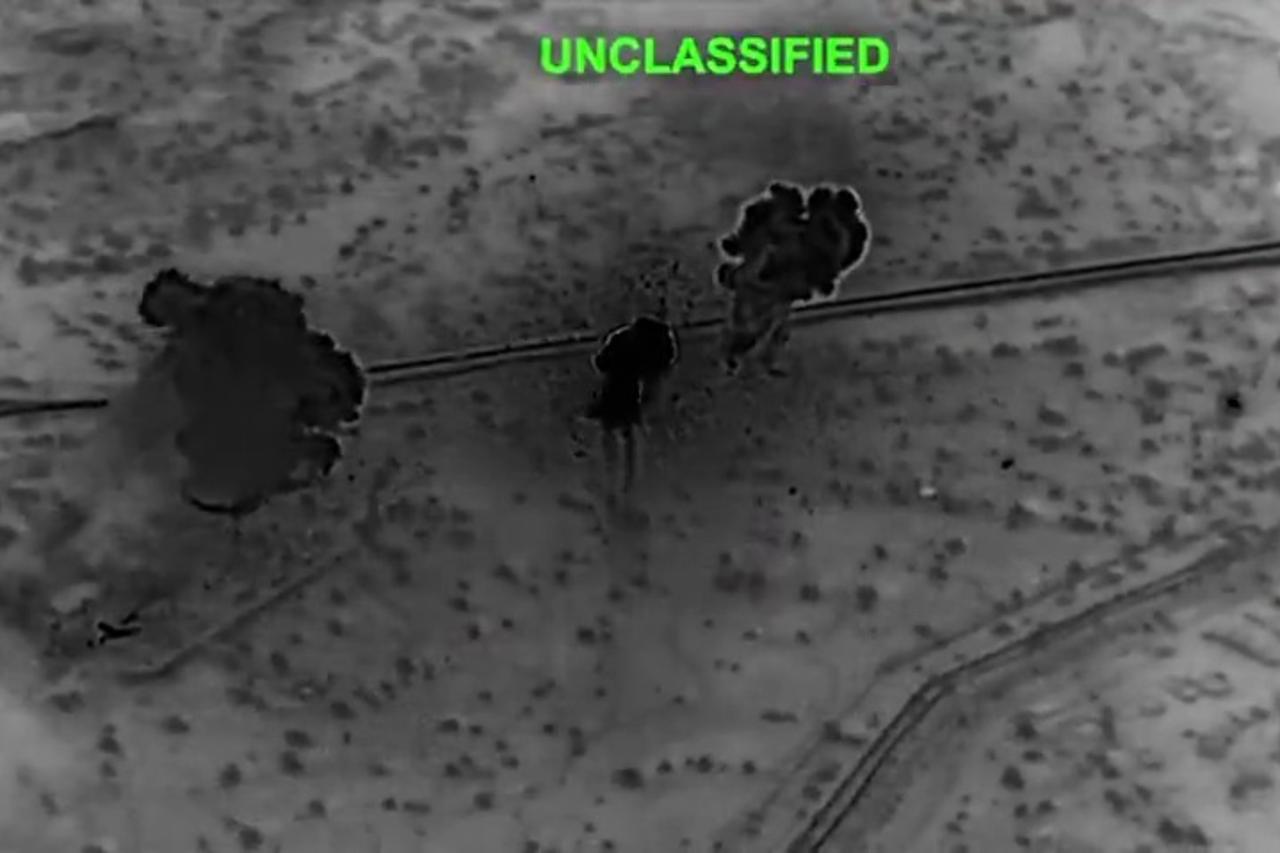
Sen. Lindsey Graham applauded Trump's strikes on Kharg Island and said Iran's economy would be "annihilated" if it loses control of the hub. "Seldom in warfare does an enemy provide you a single target like Kharg Island that could dramatically alter the outcome of the conflict," Graham wrote on X.
"He who controls Kharg Island, controls the destiny of this war."
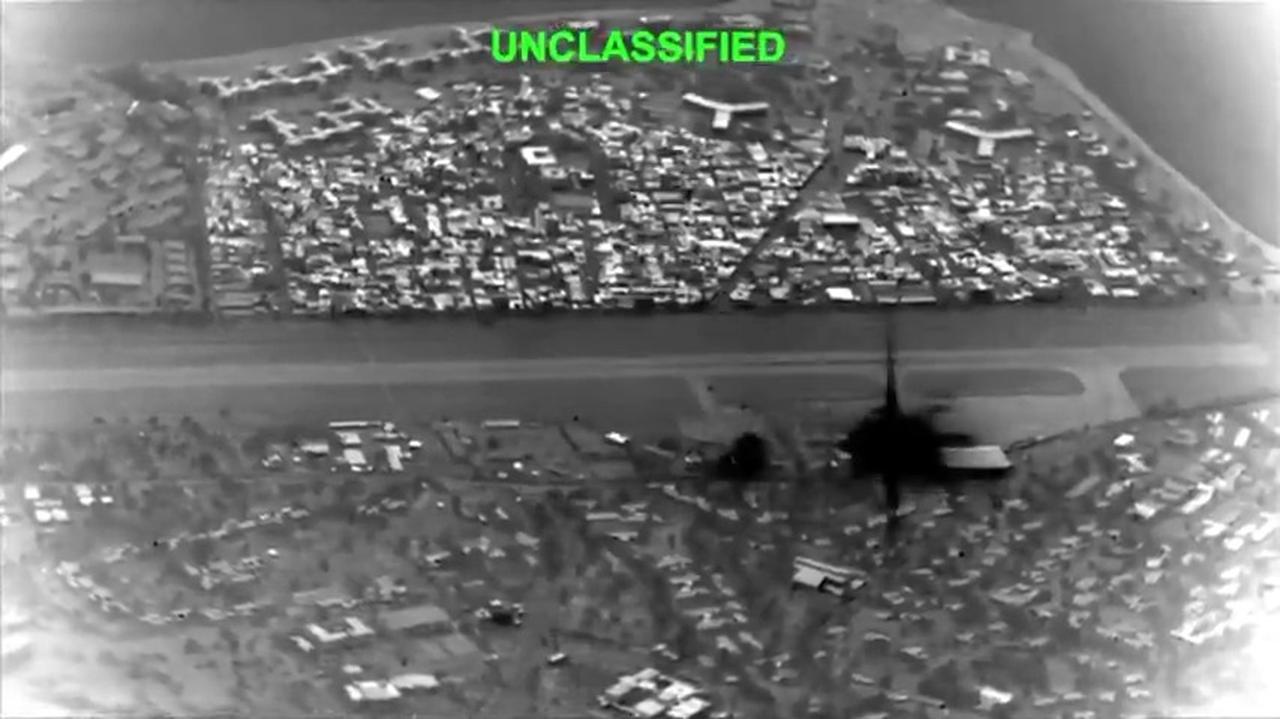
Since Israel and the U.S. launched joint attacks on Iran on Feb. 28, around 1,300 people have been killed, including then-Supreme Leader Ali Khamenei. Iran has retaliated with drone and missile strikes targeting Israel, Jordan, Iraq, and Gulf countries hosting U.S. military assets.


 Set as preferred source
 Set as preferred source


 1 min read
 1 min read