Newsletters




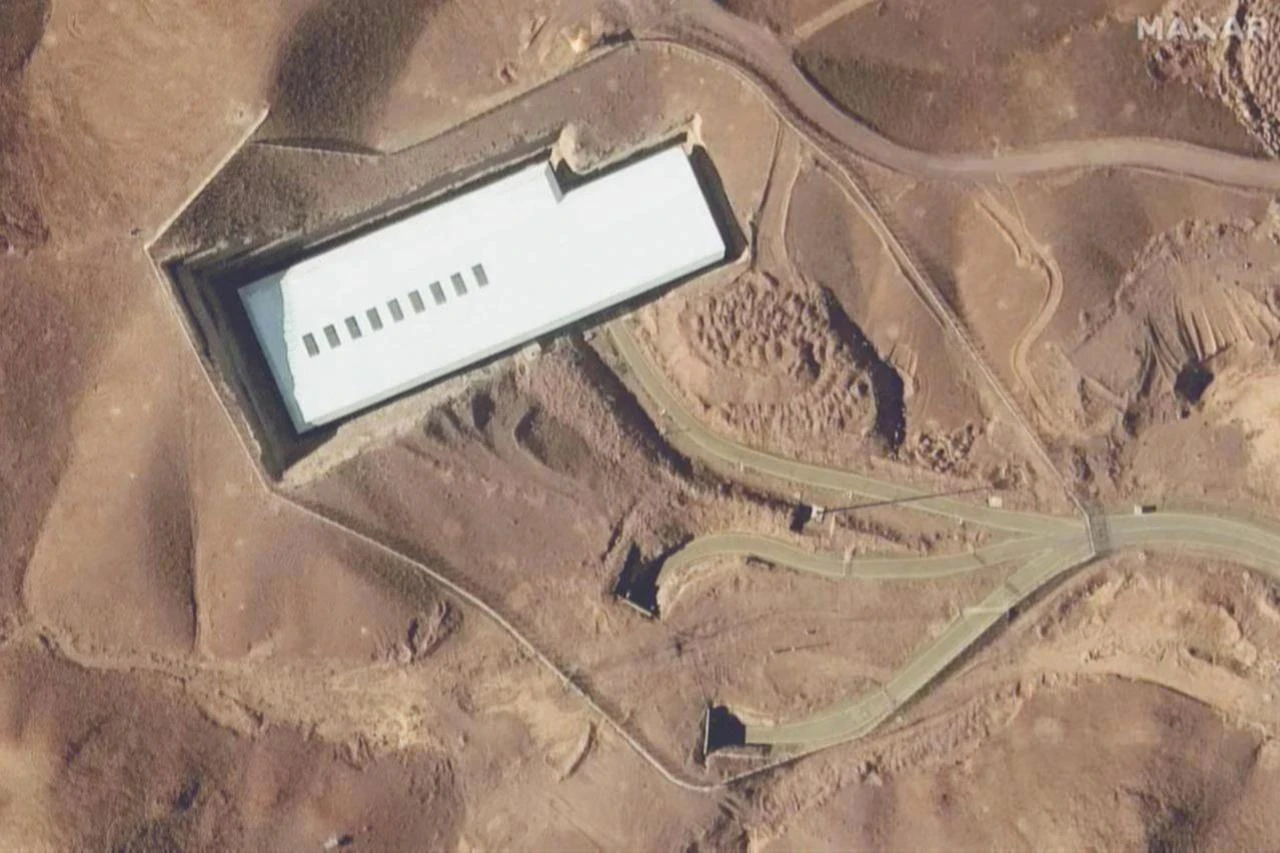
The Trump administration is considering plans to occupy or blockade Iran's Kharg Island to pressure Tehran into reopening the Strait of Hormuz, four sources with knowledge of the discussions told Axios.
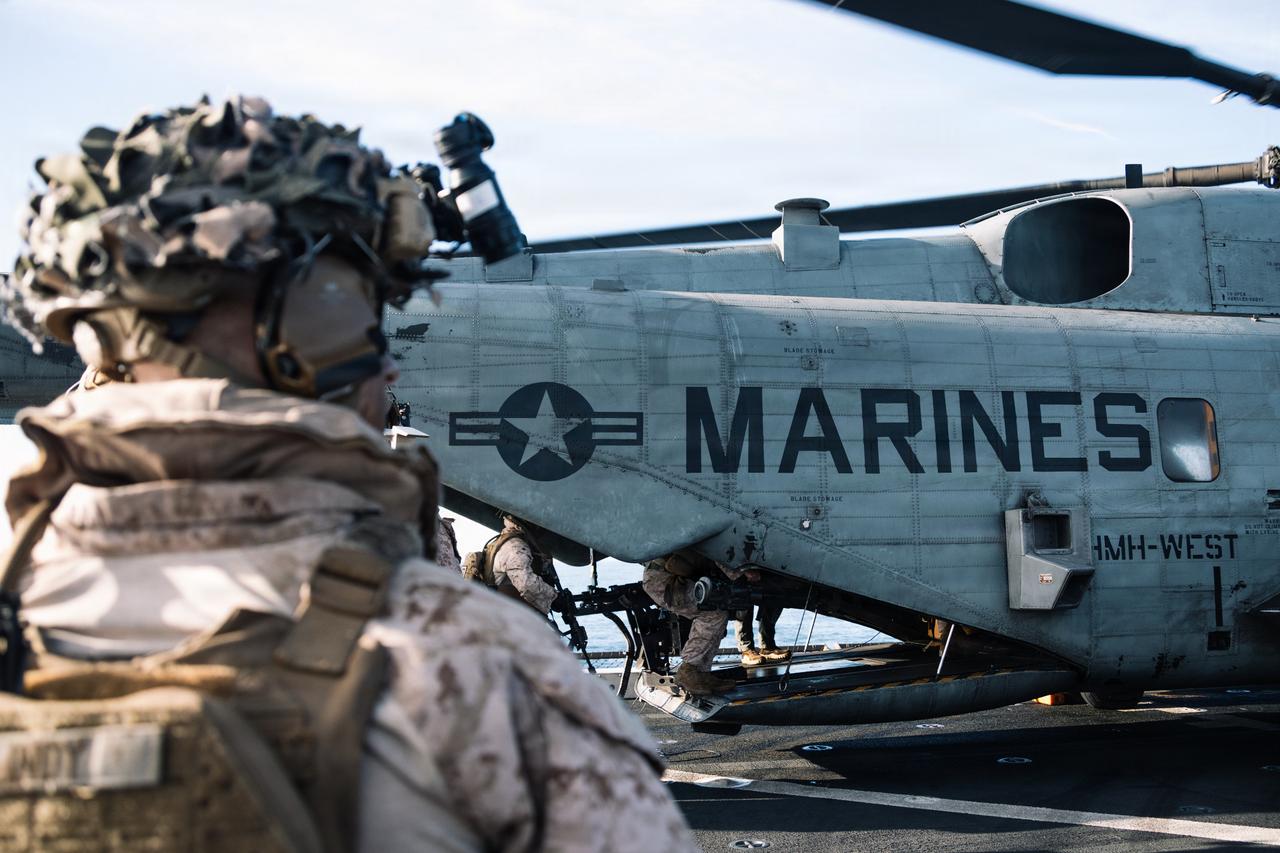
Three Marine units are also heading to the region, as White House and Pentagon are weighing further reinforcements.
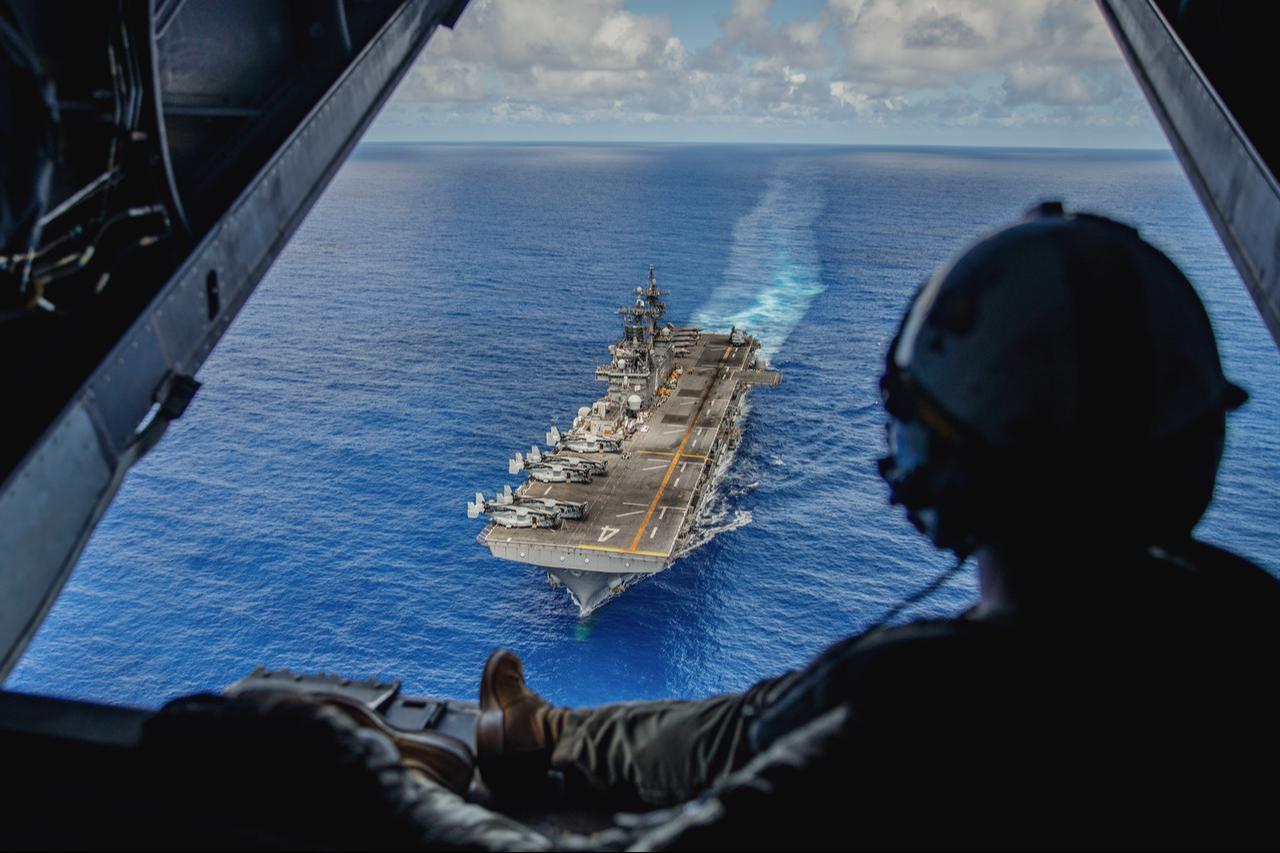
The USS Boxer set off from San Diego and is set to carry at least 2,200 Marines, according to two people familiar with the decision speaking to NBC News. "It is leaving sooner than expected," they said.

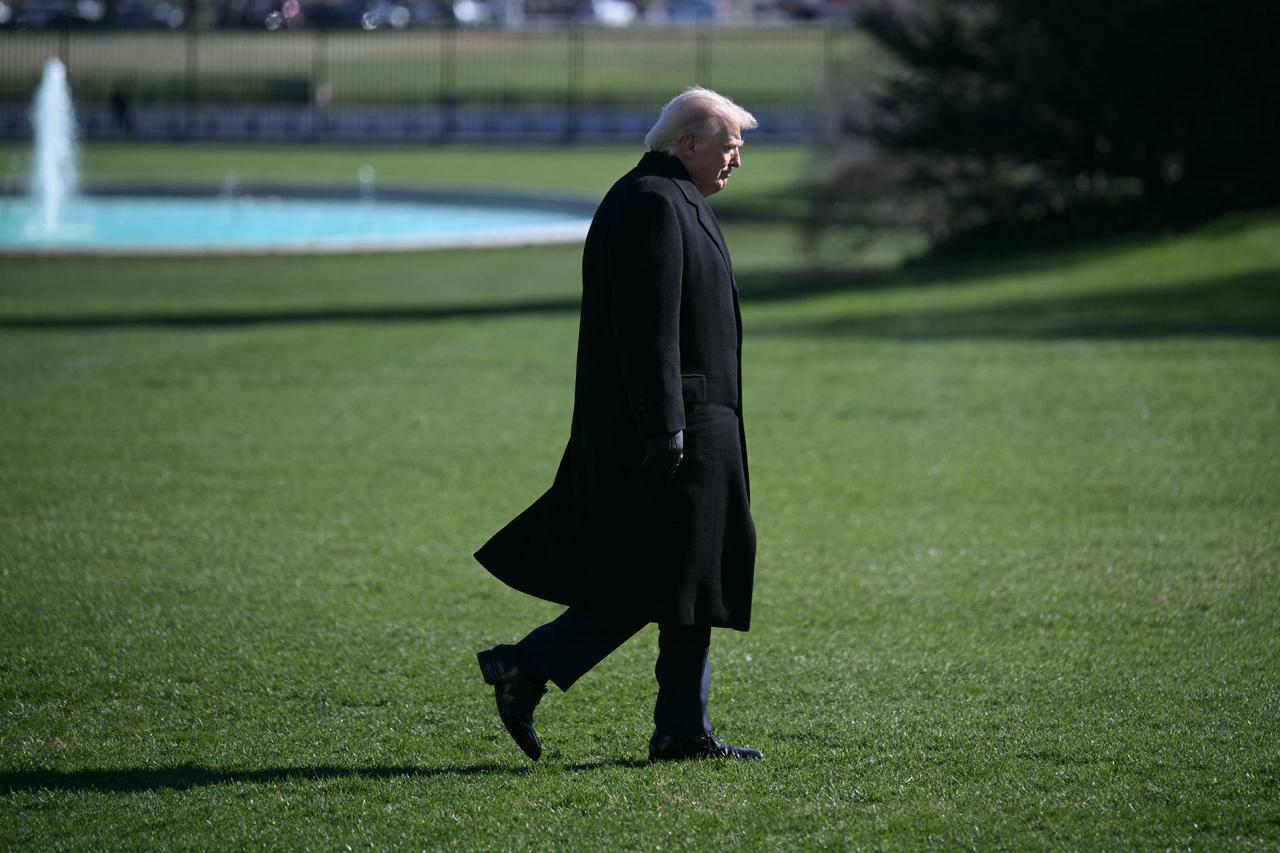
Trump has concluded he cannot end the war on his preferred terms until Iran's chokehold on the Strait of Hormuz is broken, the report said.
An operation to seize Kharg Island, which sits 15 miles off Iran's coast and handles roughly 90% of its crude oil exports, would likely only be launched after the U.S. military further degrades Iran's capabilities in the area.
"We need about a month to weaken the Iranians more with strikes, take the island and then g** th** by the b**** and use it for negotiations," a source with knowledge of White House thinking told Axios.
"He wants Hormuz open. If he has to take Kharg Island to make it happen, that's going to happen. If he decides to have a coastal invasion, that's going to happen. But that decision hasn't been made," a senior administration official also said.
A second senior official added, "We've always had boots on the ground in conflicts under every president, including Trump. I know this is a fixation in the media, and I get the politics, but the president is going to do what's right," stressing no decision had been reached.
"Pentagon lawyers have been consulted to provide legal opinions on such potential moves," one source said.
A naval blockade preventing tankers from reaching the island is also under consideration as an alternative to physical occupation.
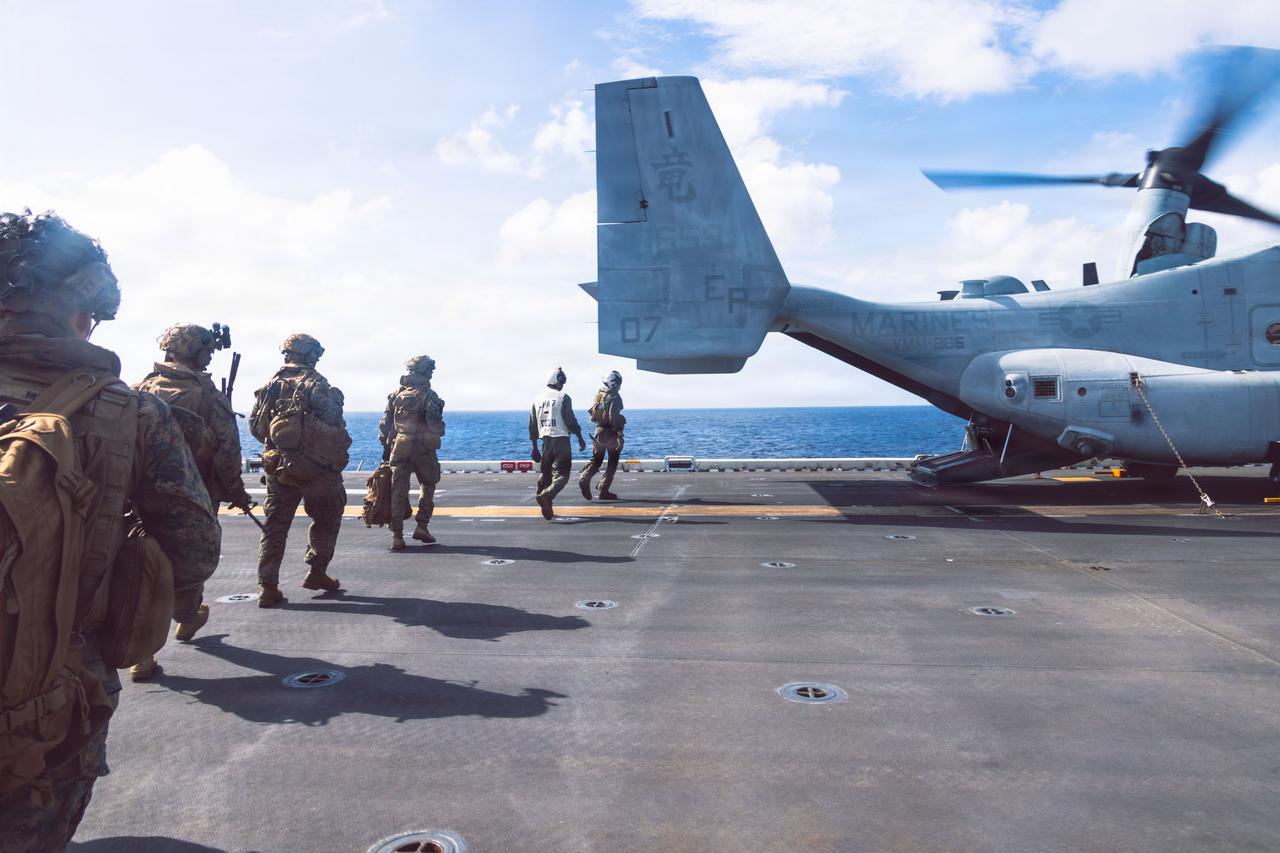
Three Marine units are already heading to the region. In addition to a 2,500-strong Marine expeditionary force expected to arrive within days, two more similarly sized units are also heading to the region, Axios reported.
The White House and Pentagon are discussing further reinforcements beyond that, though no decision has been made.
One source cautioned that there are many potential operations for the Marines beyond Kharg Island, including evacuating staff from embassies in the region if necessary.
Trump told reporters Thursday he was "not putting troops anywhere," though he added: "If I were, I certainly wouldn't tell you."
 1 min read
Retired Rear Admiral Mark Montgomery told Axios that an operation to seize Kharg Island could place U.S. troops in significant danger without a clear strategic payoff.
"If we seize Kharg Island, they're going to turn off the spigot on the other end. It's not like we control their oil production," he said.
Montgomery said a less risky path appeared more likely: after roughly two more weeks of strikes to degrade Iran's military capabilities, the U.S. would deploy destroyers and aircraft into the strait to escort tanker traffic, making a ground assault unnecessary.
Farzin Nadimi, senior fellow at the Washington Institute for Near East Policy, said seizing the island during active combat was "not a wise move" given that Kharg is "almost an entire island of oil facilities and pipelines and tank farms."
"It is very difficult to wage a military operation on that particular island," he told Agence France-Presse (AFP).
Sen. Tom Cotton, who chairs the Senate Intelligence Committee, said Trump had been "prudent" not to rule out a ground invasion, and said Trump had "mountains of plans" for contingencies around the strait.
Cotton contended that Iran's closing of the Strait was an "act of desperation."
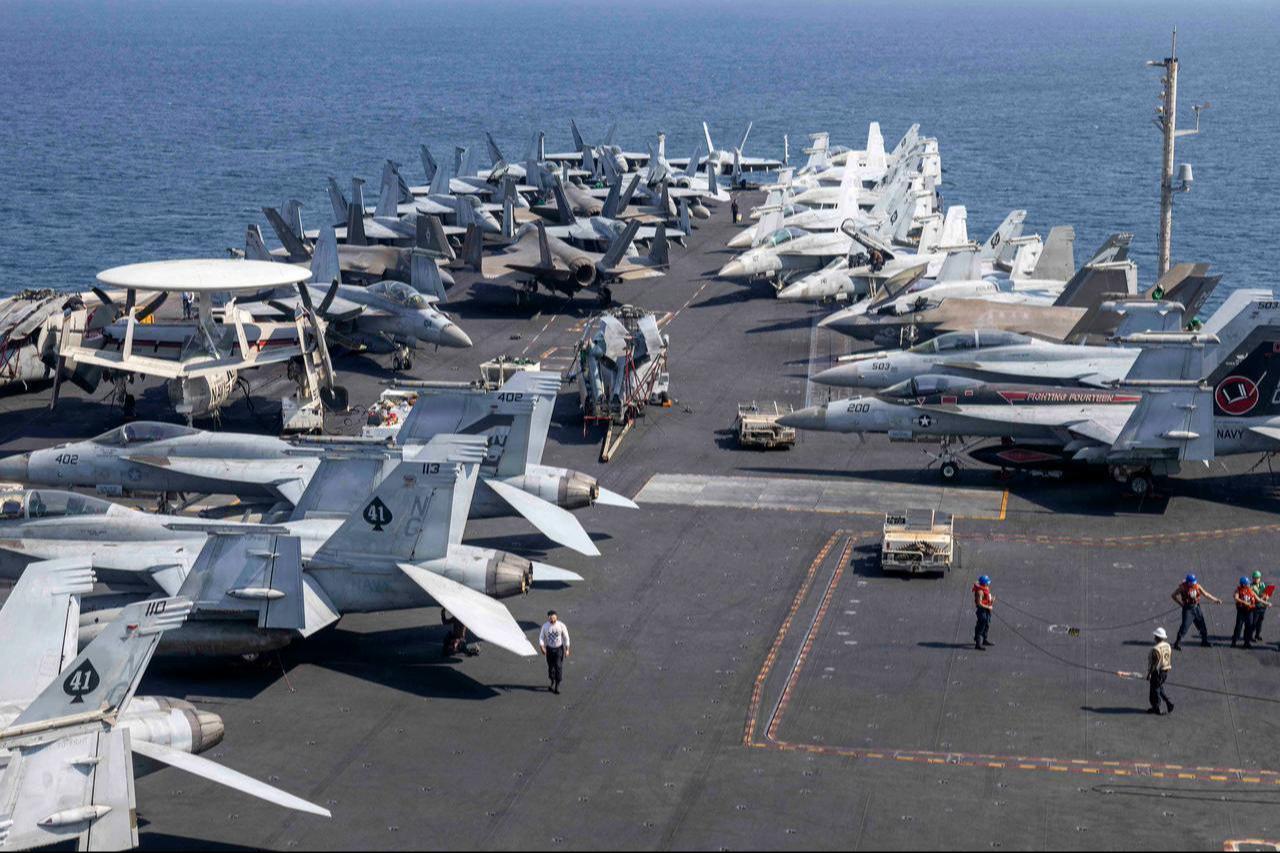
A senior Iranian parliamentary official said Thursday that Iran is not currently engaged in any negotiations with the United States, directly contradicting Trump's earlier statement that Iran wanted to negotiate but was "not ready."
Ebrahim Rezaei, spokesman for the assembly's National Security and Foreign Policy Commission, stated that security has been restored on Kharg Island and that oil exports are continuing.
He warned that any country allowing its territory or bases to be used against Iran in any form would be treated as an enemy.
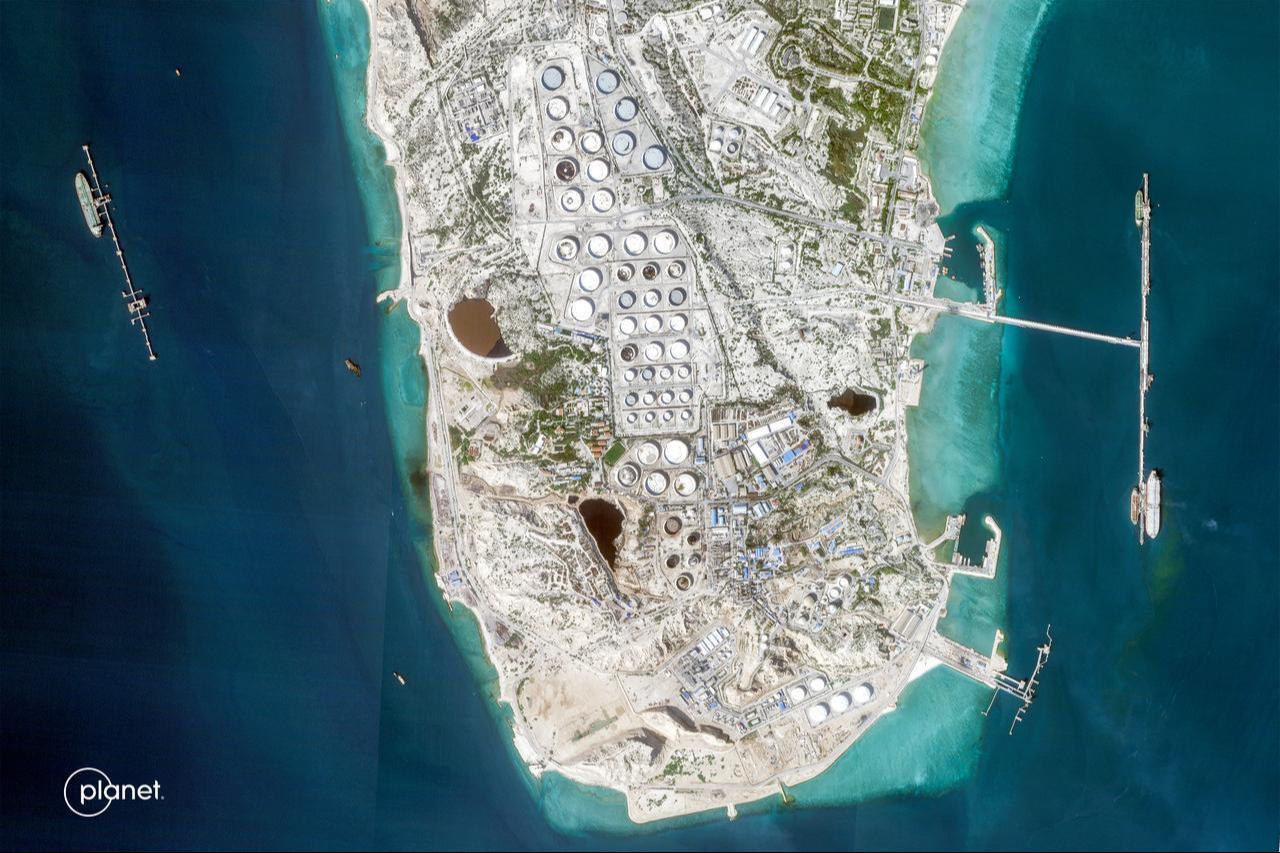
Since the start of the war, the U.S. has targeted multiple sites along Iran's southern coast.
Bandar Abbas, the main base of the Iranian navy and the nerve center for Gulf trade, has been heavily targeted.
On Tuesday, the U.S. announced it had "successfully" bombed Iranian anti-ship missile sites near the Strait of Hormuz after previously targeting warships and mine-laying vessels.
Iran has also occupied three disputed islets, Lesser Tunb, Greater Tunb, and Abu Musa, which are also claimed by the United Arab Emirates (UAE).
Iran has vowed that not one liter of oil would be exported from the Gulf while the war continues and has pledged an "eye for an eye" response to any attack on its infrastructure.
Trump's planned trip to China at the end of March has already been postponed because of the crisis in the Strait, two sources last told Axios.


 Set as preferred source
 Set as preferred source


 1 min read