Newsletters


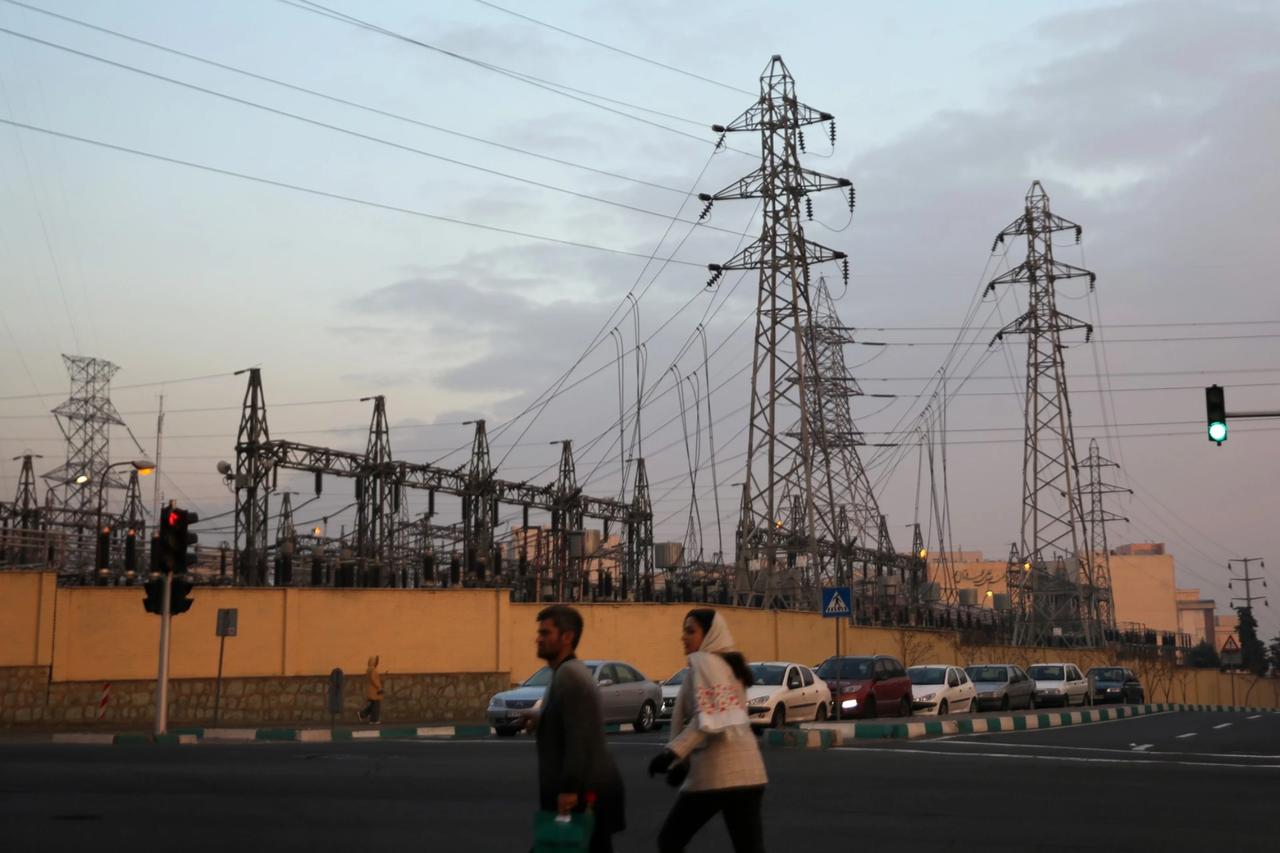


Iranian officials are urging the public to reduce energy consumption and warning of possible power outages as the country struggles to cope with rising demand and reduced gas production during the war with the United States and Israel.
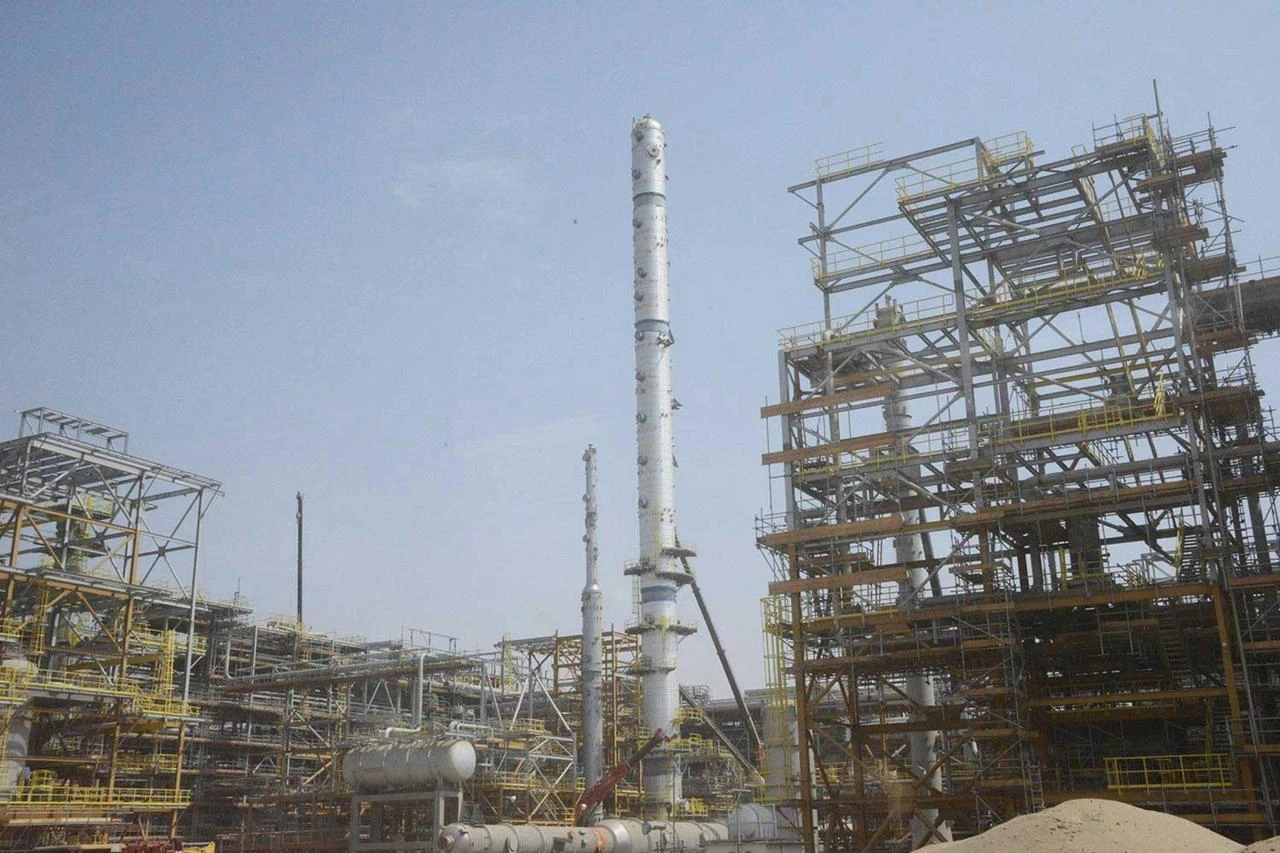
Iran has lost around 230 million cubic meters per day of natural gas production capacity since the start of the war, government spokeswoman Fatemeh Mohajerani said Tuesday, according to the Islamic Republic News Agency (IRNA).
"Lower gas production means less feedstock can be supplied to refineries and less fuel can be delivered to power plants. For this reason, we ask the public to conserve energy," Mohajerani said.
In a separate announcement Tuesday, Iran's Chamber of Commerce Energy Commission said the country's daily gas shortfall had risen to between 300 million and 450 million cubic meters.
The country also faces an electricity shortfall of more than 15,000 megawatts, while gasoline production remains below demand, Iranian news agency Entekhab reported.
"The government may also be forced to cut gas supplies to villages and instead provide liquid fuel and the necessary equipment to help residents get through the winter," said Arash Najafi, head of the commission.
Iran's Energy Ministry had previously called on Iranians to limit their use of air conditioning to allow for a more stable electricity supply to southern parts of the country.
Temperatures in southern Iran have recently soared above 50°C (122°F), according to Iranian state media.

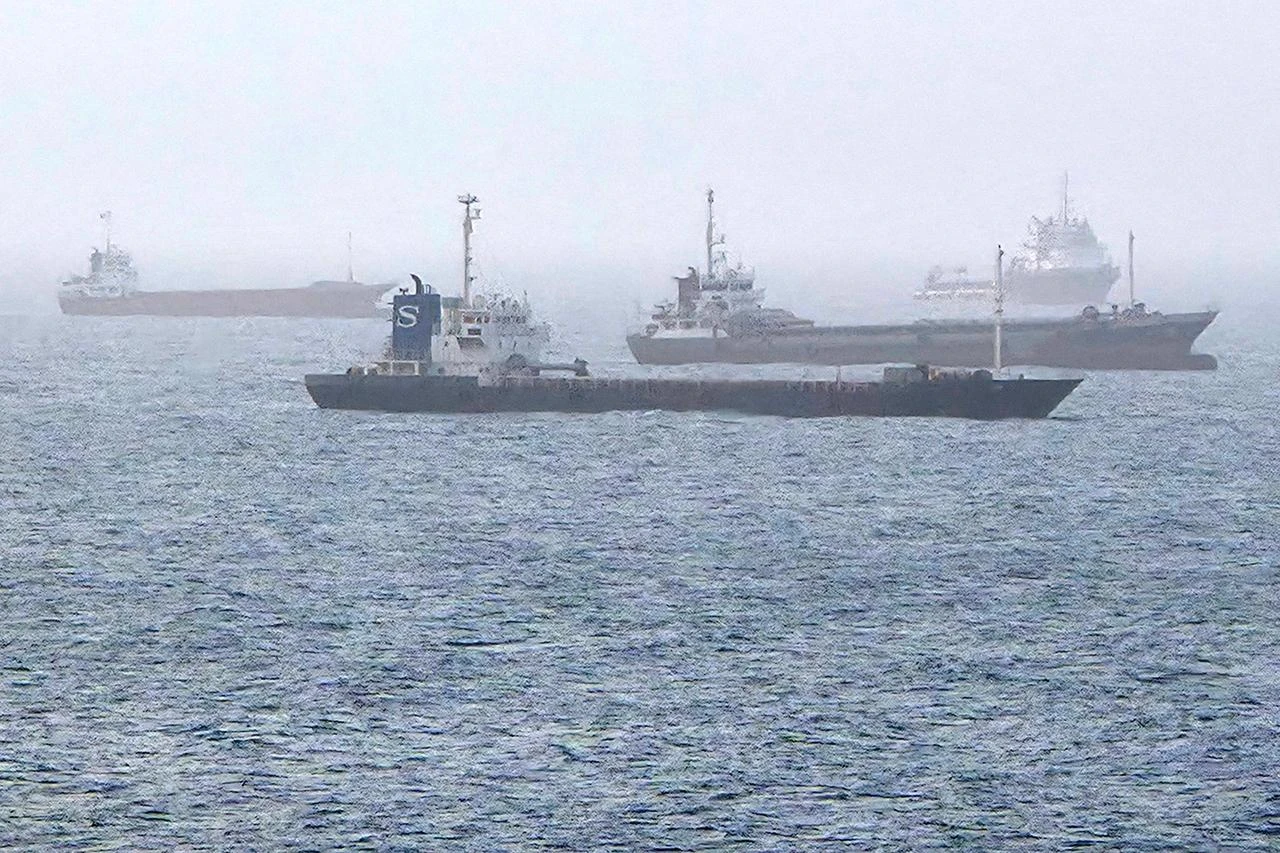
Meanwhile, Gulf Cooperation Council (GCC) foreign ministers held a meeting Tuesday to discuss ways to intensify coordination and consultation on regional developments and issues related to freedom and safety of navigation in the Strait of Hormuz.
A statement by Qatar's Foreign Ministry said the ministers exchanged views by video conference on current regional developments and ongoing negotiations to reach practical understandings to reduce tensions and strengthen regional security and stability.
The meeting also addressed ways to step up coordination among GCC states on matters related to freedom and safety of navigation in the Strait of Hormuz, ensuring passage and transit rights and the smooth flow of ships, trade and supplies under international law, the ministry said.
The ministers also stressed the importance of preserving the sovereign rights of all Gulf littoral states.
Oman's Foreign Ministry said the ministers emphasized the need to prioritize political and diplomatic solutions, create conditions to build confidence and reach solutions acceptable to all parties.
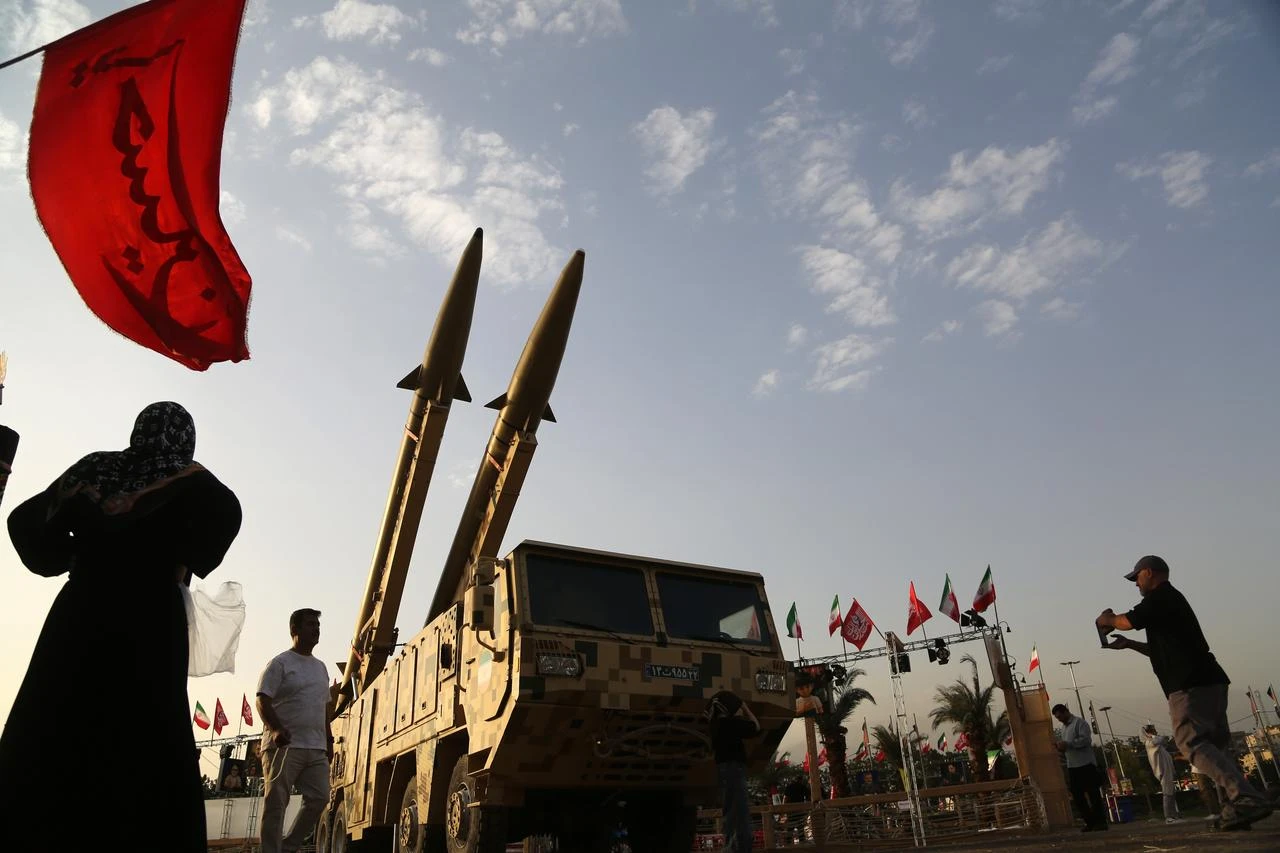
A cautious calm has prevailed in the region since Friday after the United States and Iran halted attacks following a 13-day escalation that began July 11.
During the escalation, the United States carried out strikes inside Iran, while Tehran responded by targeting what it described as U.S. military facilities and equipment in several Arab countries.
The hostilities erupted despite a memorandum of understanding signed by Washington and Tehran in June calling for an end to the fighting and the start of negotiations on a broader agreement to conclude the war launched by Israel and the United States on Feb. 28.
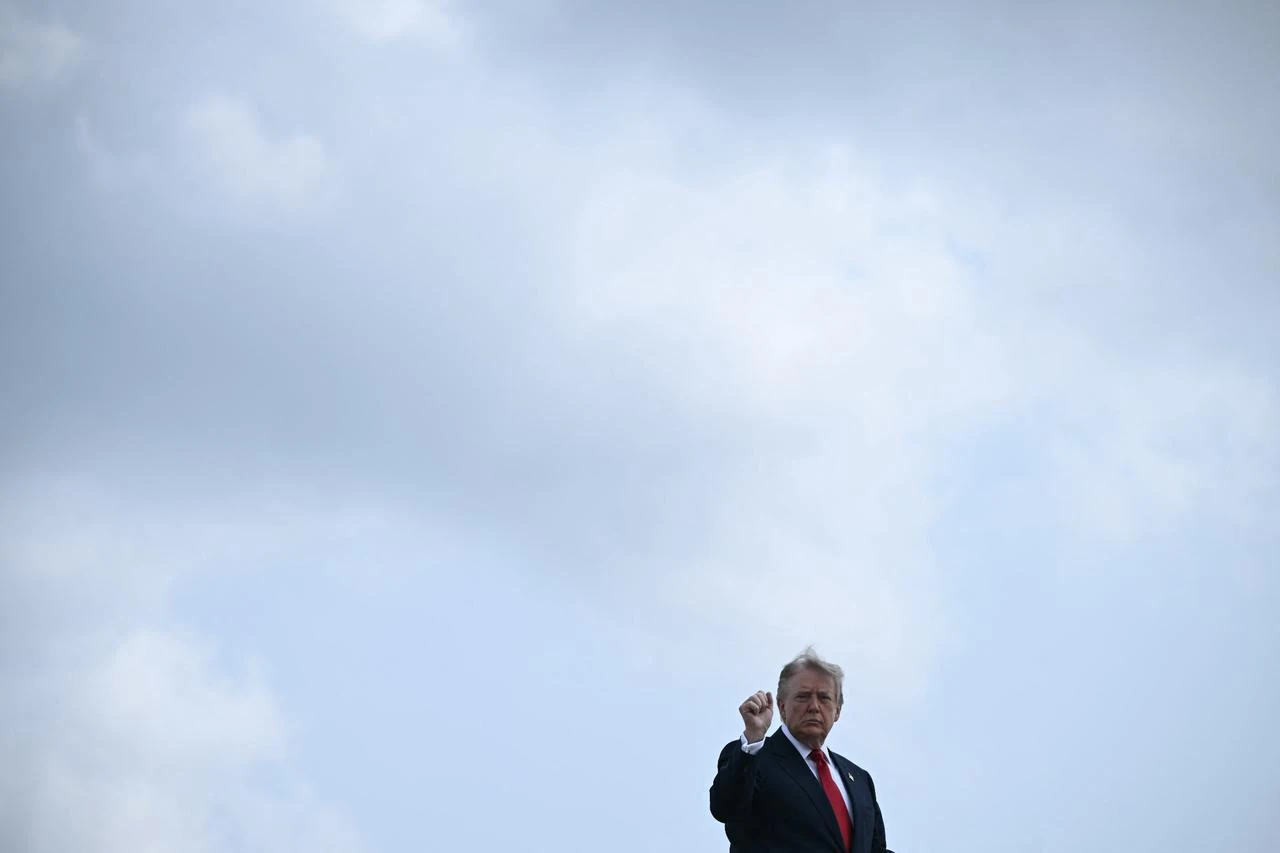
U.S. President Donald Trump declared a cease-fire with Iran following attacks on tankers in the Strait of Hormuz, incidents Washington blamed on Tehran.
Washington has demanded that Iran halt attacks on vessels and guarantee freedom of navigation through the strait.
Tehran, however, insists that ship traffic through waters adjacent to its coastline be governed by a mechanism under its supervision.


 Set as preferred source
 Set as preferred source


 1 min read
 1 min read