Newsletters


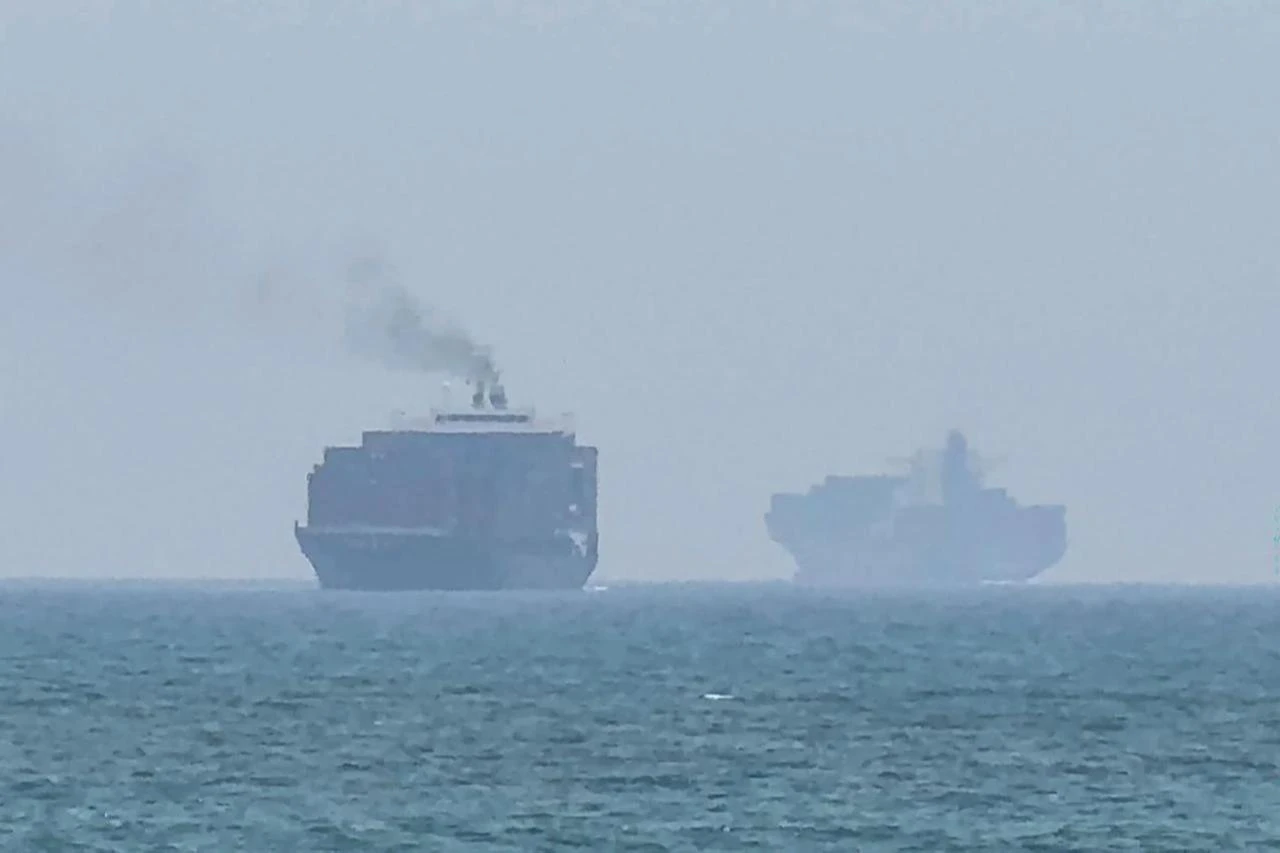
Iranian Foreign Minister Abbas Araghchi called on Tuesday for closer regional cooperation to restore stability in the Strait of Hormuz, blaming what he described as "U.S. aggression" for tensions in the strategic waterway, as a cautious calm held across the region following a 13-day escalation between Washington and Tehran.
Araghchi made the remarks during separate phone calls with Omani Foreign Minister Badr al-Busaidi and Saudi Foreign Minister Prince Faisal bin Farhan, according to the Iranian Foreign Ministry's statement.
The calls covered bilateral relations and recent regional developments, with Araghchi stressing "the need to strengthen cooperation and advance joint diplomatic efforts to establish stability in the region and eliminate the insecurity imposed on the Strait of Hormuz due to the aggressive actions of the United States."
The call between Araghchi and Saudi Foreign Minister Faisal bin Farhan came after Saudi Arabia said it had shot down drones launched at the kingdom by Iran-affiliated groups in Iraq.
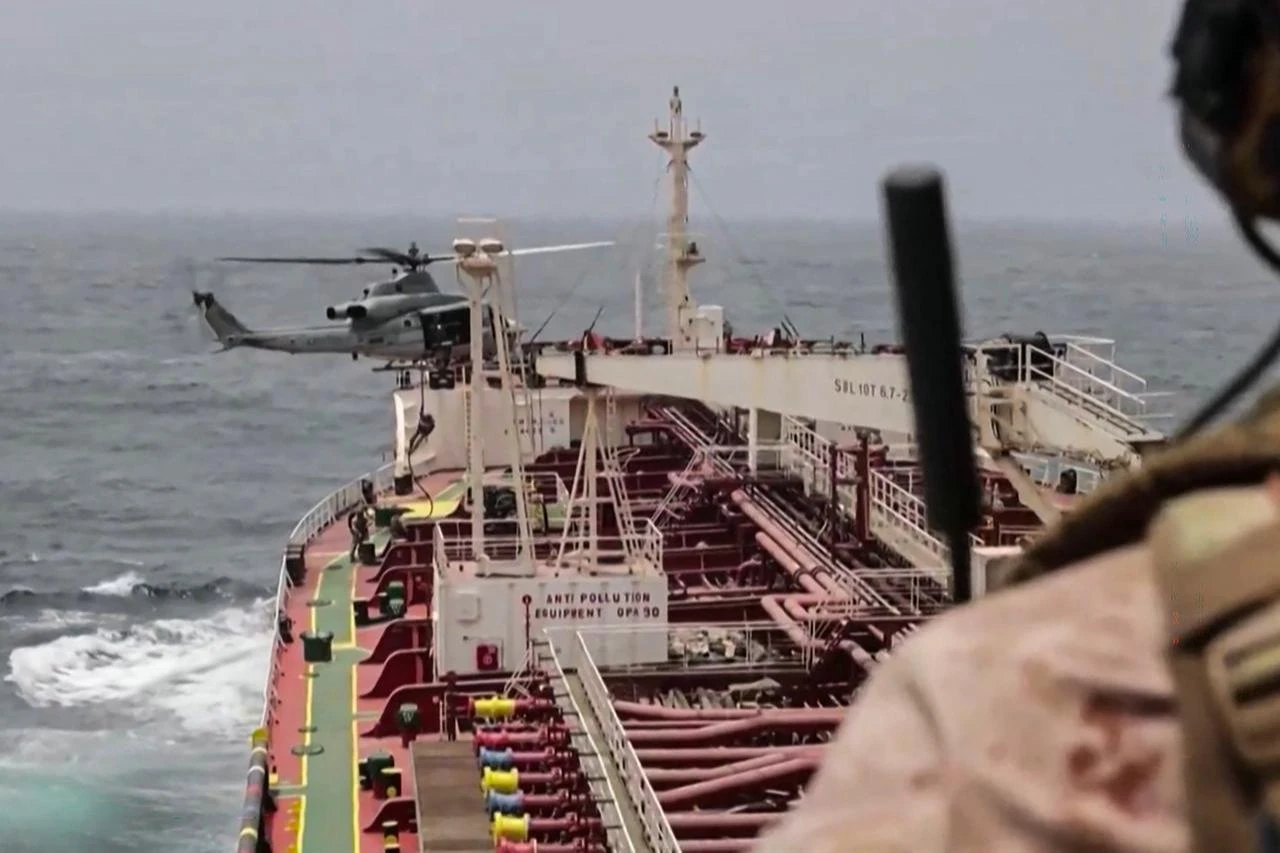

A cautious calm has prevailed across the region since Friday, after the U.S. and Iran halted attacks following a 13-day escalation that began July 11.
During that period, the U.S. carried out strikes inside Iran, while Tehran responded by targeting what it described as U.S. military facilities and equipment in several Arab countries.
Fighting had also spread in recent weeks to involve Saudi Arabia and the Iran-backed Houthi movement in Yemen, but the past few days have seen a "lull in hostilities" in the region.
The 13-day escalation erupted despite a Memorandum of Understanding (MoU) signed by Washington and Tehran in June calling for an end to the fighting and the start of negotiations on a broader agreement to conclude the war launched by Israel and the U.S. on Feb. 28.
U.S. President Donald Trump declared the ceasefire over on July 8 after tankers were attacked in the Strait of Hormuz, incidents Washington blamed on Iran.
Washington has demanded Iran halt attacks on vessels and guarantee freedom of navigation through the strait, while Tehran has insisted that ship traffic through waters adjacent to its coastline be governed by a mechanism under its own supervision.
Iran has maintained effective control over the strait since the war began Feb. 28, disrupting shipping through the vital waterway.


 Set as preferred source
 Set as preferred source


 1 min read
 1 min read