Newsletters


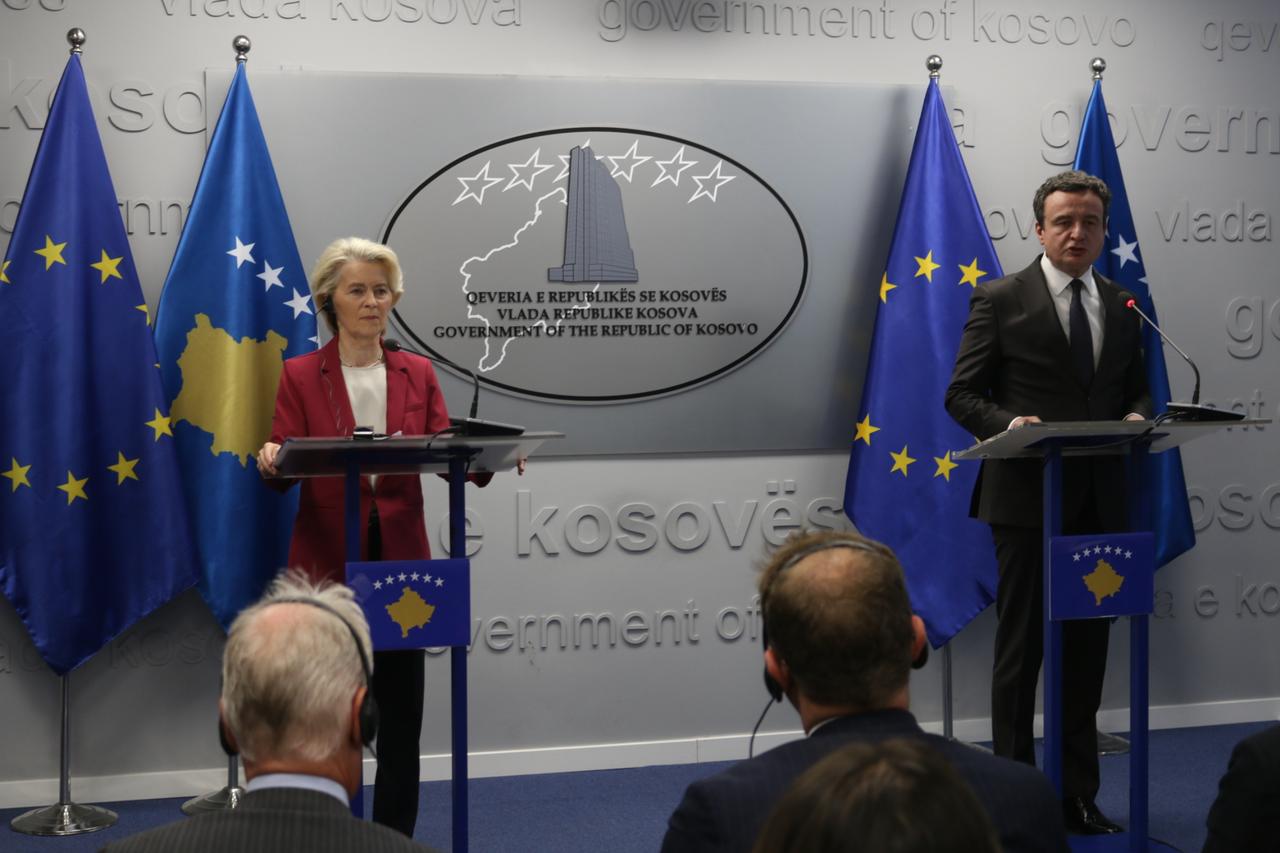


European Commission President Ursula von der Leyen on Thursday ruled out an “associate membership” model for Kosovo, saying the country should pursue full EU membership as a European state.
Speaking at a joint news conference with Kosovo Prime Minister Albin Kurti in Pristina during her Western Balkans tour, von der Leyen said EU treaties allow European countries to apply for membership, distinguishing Kosovo’s position from Canada’s.
“The difference between Canada and Kosovo, for example, is the following: Our treaties say it must be a European country that is applying for membership in the European Union,” von der Leyen said.
“Canada geographically is no more Europe, so Canada cannot apply for a membership in the European Union ... For Kosovo, it’s different. As a European country, you can be member of the European Union,” she said.
Von der Leyen’s remarks came after she proposed in September that Canada could become the EU’s first “associate member” as part of efforts to develop closer ties between the bloc and Ottawa.
“I believe in a European future for Kosovo very clearly,” she added.
She also called for faster reforms and fully functioning institutions in Kosovo, saying institutional stability was essential for reforms, economic growth and progress on the European path.

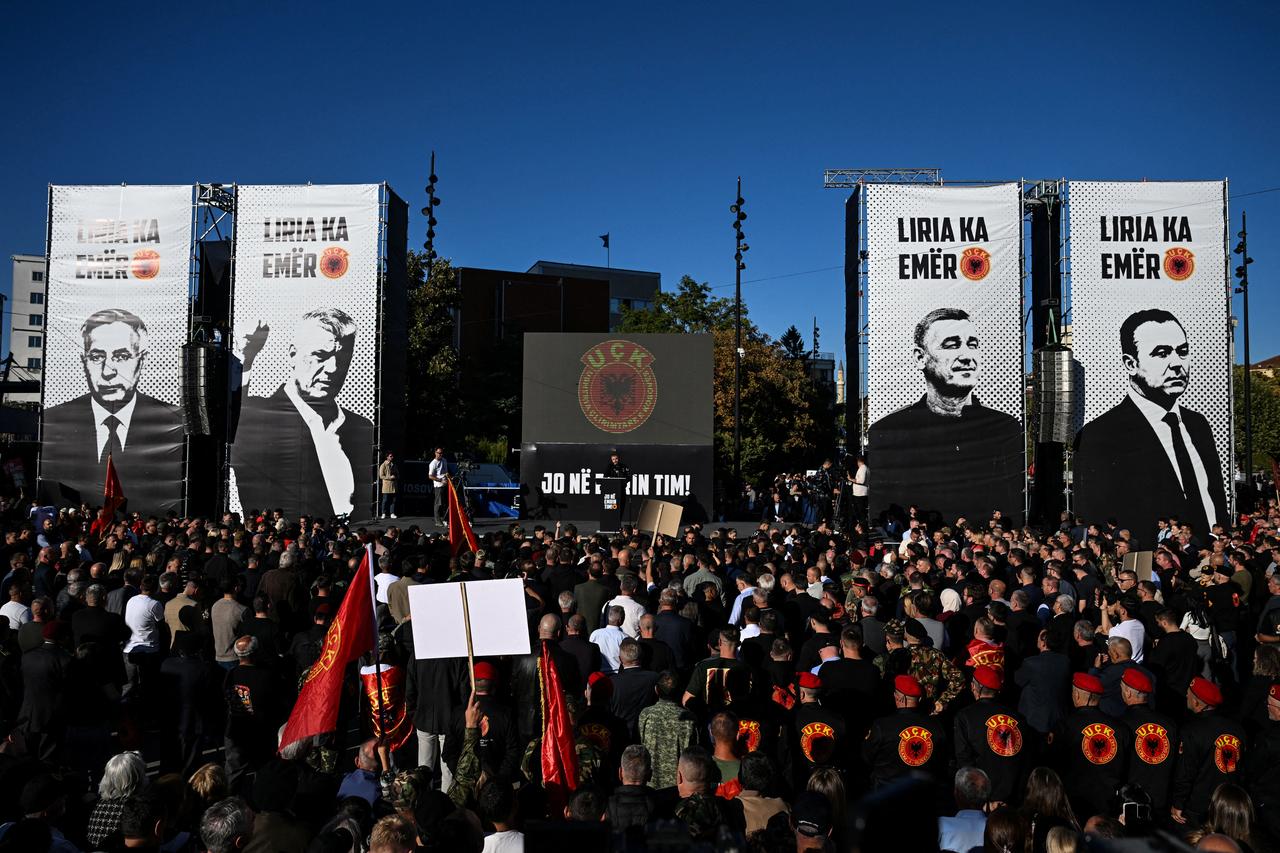
Von der Leyen’s visit came as thousands rallied in Kosovo against the war crimes convictions of former President Hashim Thaci and other former Kosovo Liberation Army leaders.
A series of protests have been held in Kosovo since Thaci was sentenced last month to 25 years in prison for crimes committed during the 1990s struggle for independence from Serbia.
The Kosovo Specialist Chambers, based in the Netherlands, ruled that Thaci and three other former KLA leaders were criminally responsible for murders, illegal arrests, torture and cruel treatment committed by KLA fighters during the conflict.
The long sentences for the men, who are still widely viewed as heroes in Kosovo, sparked outrage across the country.
Speaking after her meeting with Kurti, von der Leyen said the court’s “mandate must be fully respected.”
“The defendants now have the right to appeal,” she told reporters.
“But one thing is clear. This judgement is about the individual responsibility of the defendants. Kosovo’s resistance is not on trial,” she said.
Kurti has previously said the court’s decision contained “factual, legal and historical errors” and said he would consider opposition proposals to change the court.
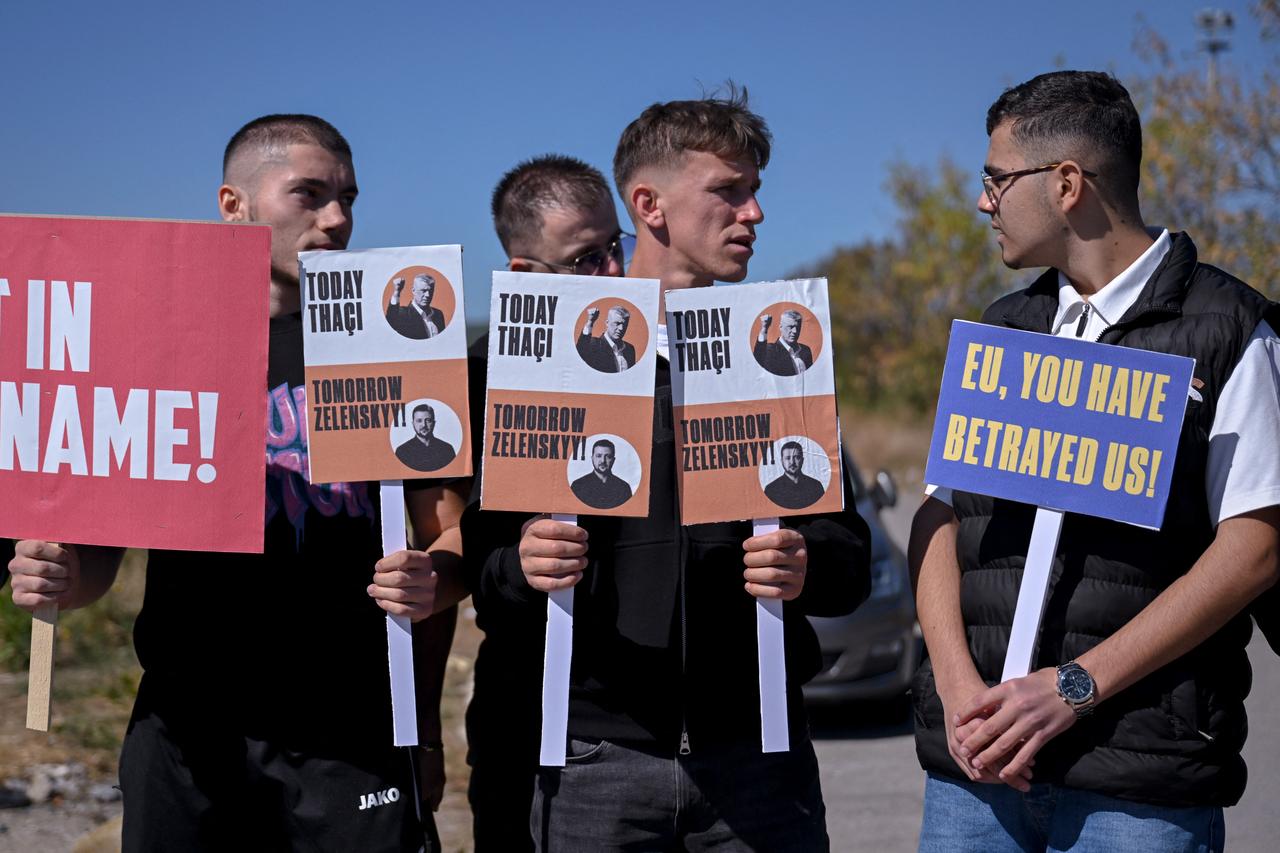
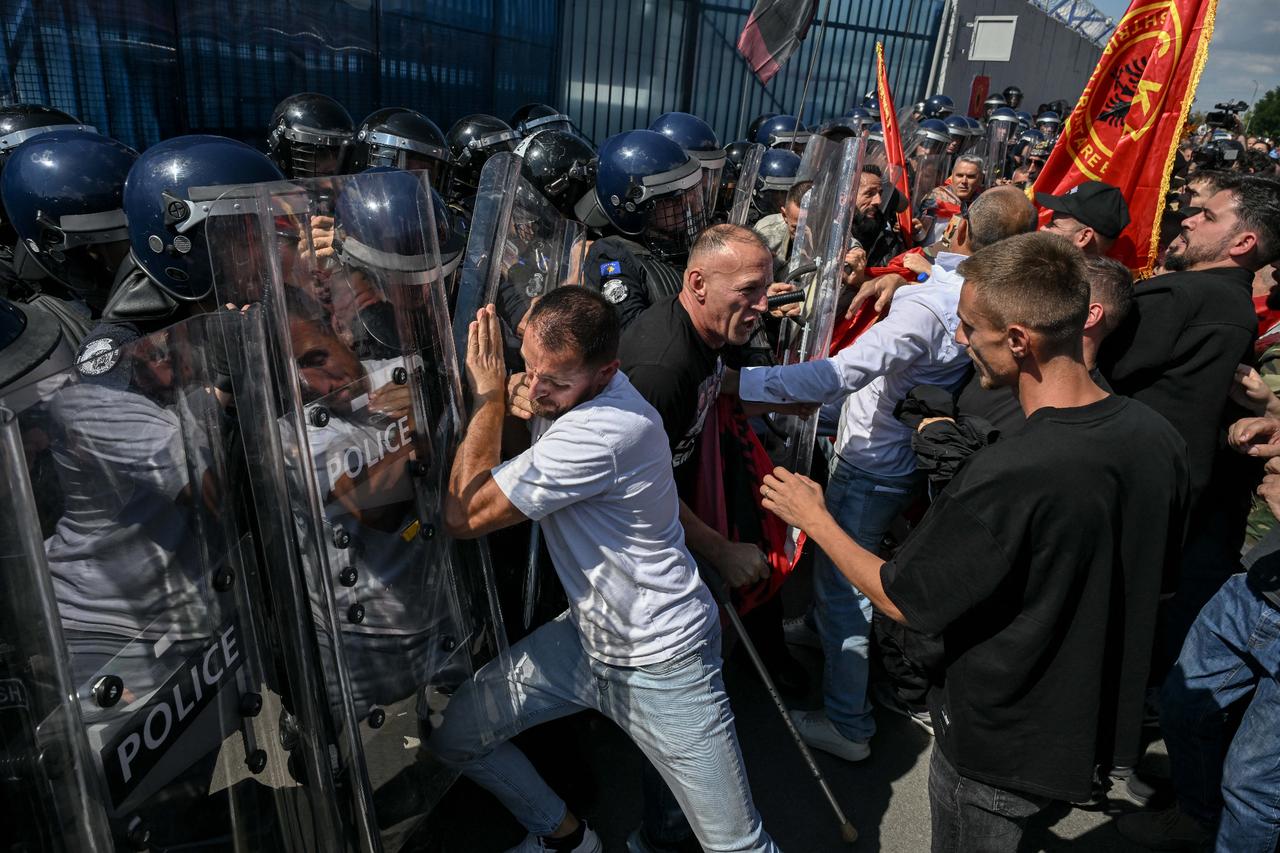
Earlier, as von der Leyen arrived in Kosovo, local broadcasters showed footage of a small group of protesters attempting to block her exit from the airport with a truck and a tanker.
Carrying banners reading “EU, you have betrayed us” and “Today Thaci, tomorrow Zelensky,” they chanted the acronym of the KLA.
Von der Leyen’s motorcade was escorted under heavy police presence through a different exit.
Later, as she met behind closed doors with students at the University of Pristina, thousands of protesters gathered in the city center as part of continuing rallies against the court.
Demonstrators accuse the court of political bias, saying it used evidence supplied by Serbia, which has never recognized Kosovo’s independence.
Thaci was sentenced alongside former senior KLA figures Jakup Krasniqi, Rexhep Selimi and Kadri Veseli. They received sentences ranging from 13 to 25 years in prison.


 Set as preferred source
 Set as preferred source


 2 min read
 1 min read