Newsletters




Iran and the U.S. have reportedly made progress on a key Iranian demand to unfreeze billions of dollars in frozen assets. Negotiations in Qatar are pushing talks toward a potential agreement to end the ongoing conflict, according to Iranian media reports.
An informed source close to Iran’s negotiating team told the Tasnim News Agency that a proposed 14-article memorandum includes the release of around $24 billion in frozen Iranian assets during the course of the negotiations. Iran pushes for immediate access to half of the amount once the memorandum is announced, while the remaining funds would be transferred within 60 days.
The source noted that the Iranian delegation's visit to Qatar focused on resolving implementation details surrounding the release of the first $12 billion tranche and preventing complications that had emerged in previous asset transfer efforts involving South Korea and Qatar.
Iranian officials also stressed caution throughout the process, pointing to Washington’s unreliable track record in honoring commitments. Another source told Tasnim that the funds under discussion in Doha belong to Iran and are not tied to any guarantee mechanism for a future memorandum.
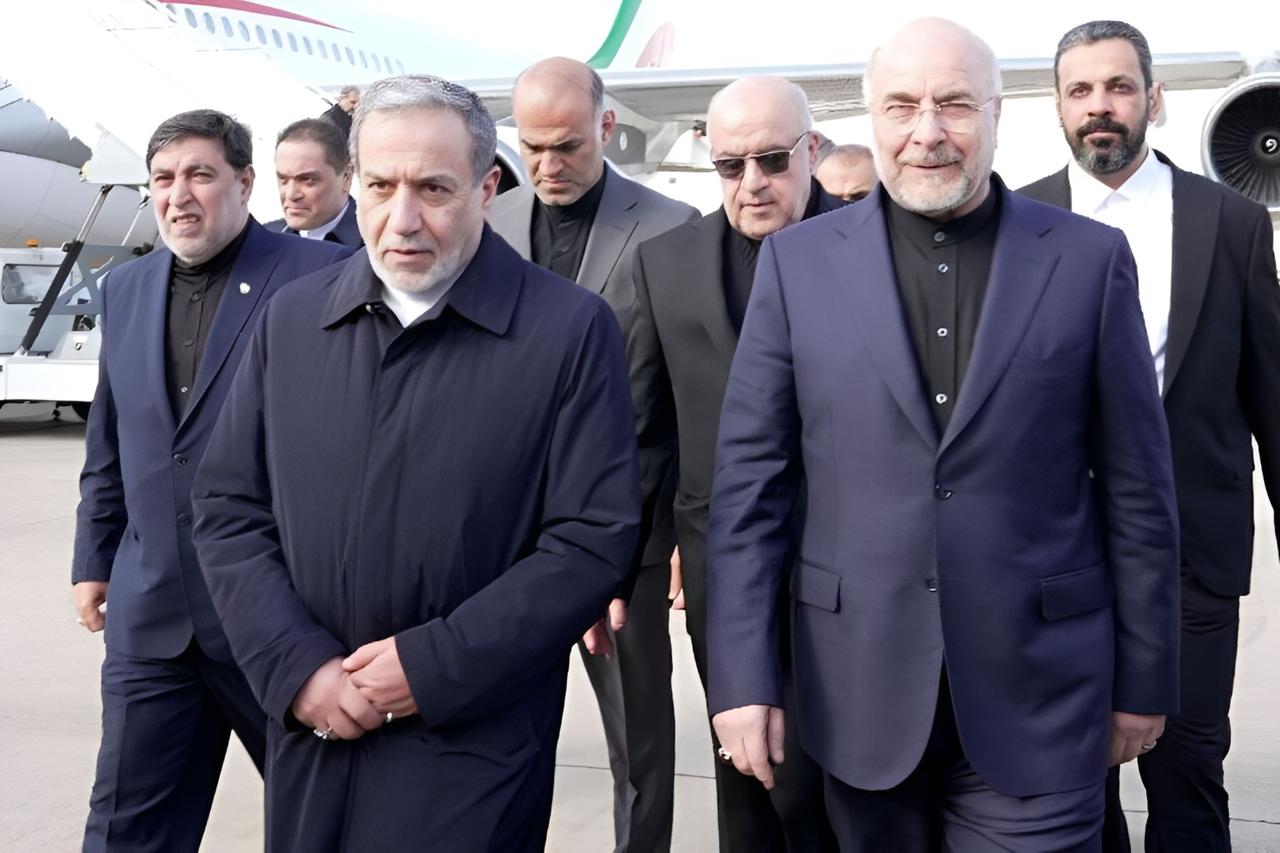
Iranian Foreign Minister Abbas Araghchi, Parliament Speaker Bagher Ghalibaf and Central Bank Governor Abdolnaser Hemmati traveled to Doha on Monday to discuss unresolved issues tied to a possible deal aimed at ending the nearly three-month conflict involving Iran, Israel and the U.S.
The presence of Iran’s central bank governor in the Doha delegation signals that discussions over frozen Iranian funds are becoming one of the central pillars of the negotiations.
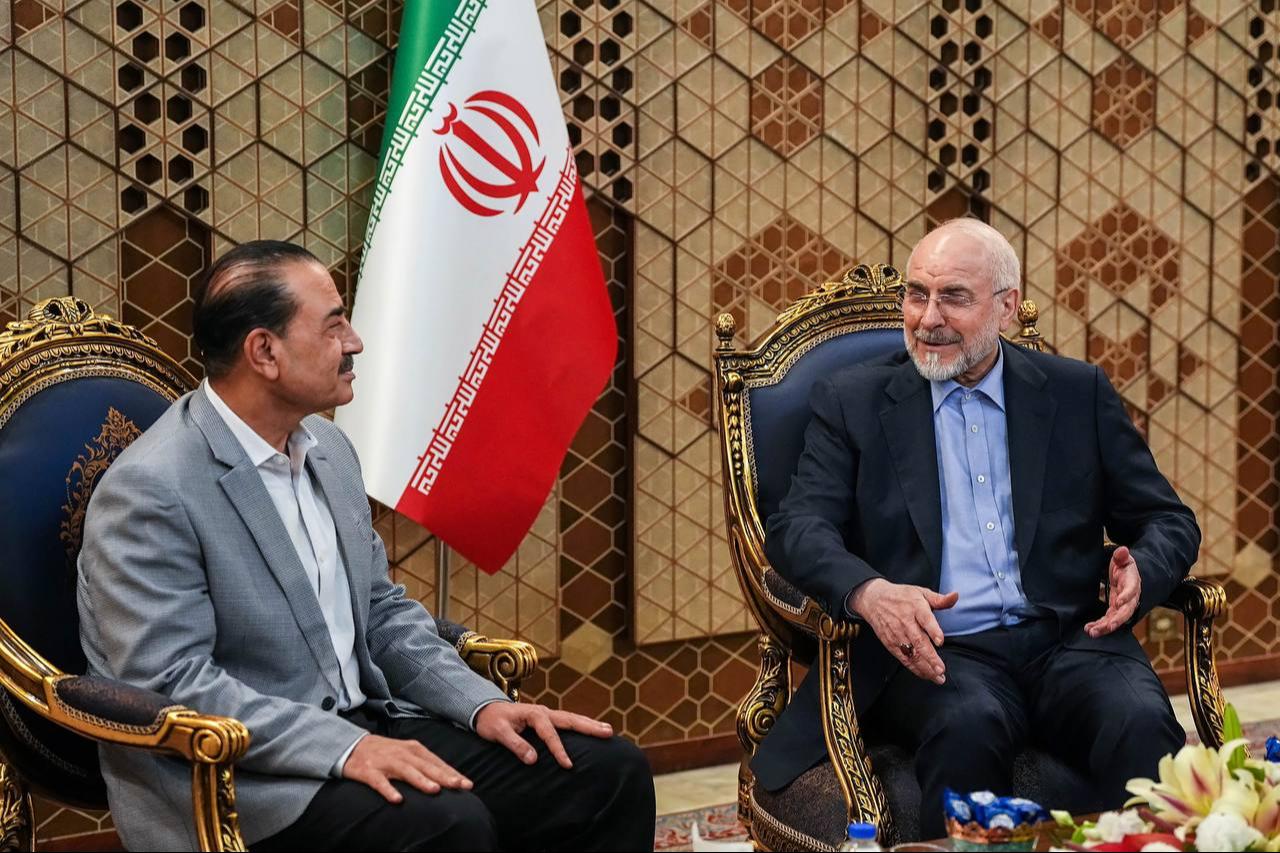
Meanwhile, Pakistani Prime Minister Shehbaz Sharif and Army Chief Asim Munir traveled to Beijing for talks with Chinese officials as regional mediation efforts continue. China states that it is prepared to work with Pakistan to help restore stability in the Middle East.
Speaking in India, U.S. Secretary of State Marco Rubio signaled that negotiations were still ongoing and centered largely on wording disputes in an initial framework document.
"There were some talks going on in Qatar today, so we’ll see if we can make progress," Rubio remarked, adding that discussions could take several more days.
The diplomatic push unfolded hours before the U.S. Central Command announced "self-defense strikes" in southern Iran, around the Strait of Hormuz. American forces targeted missile launch sites and Iranian vessels allegedly attempting to place naval mines, according to U.S. officials.

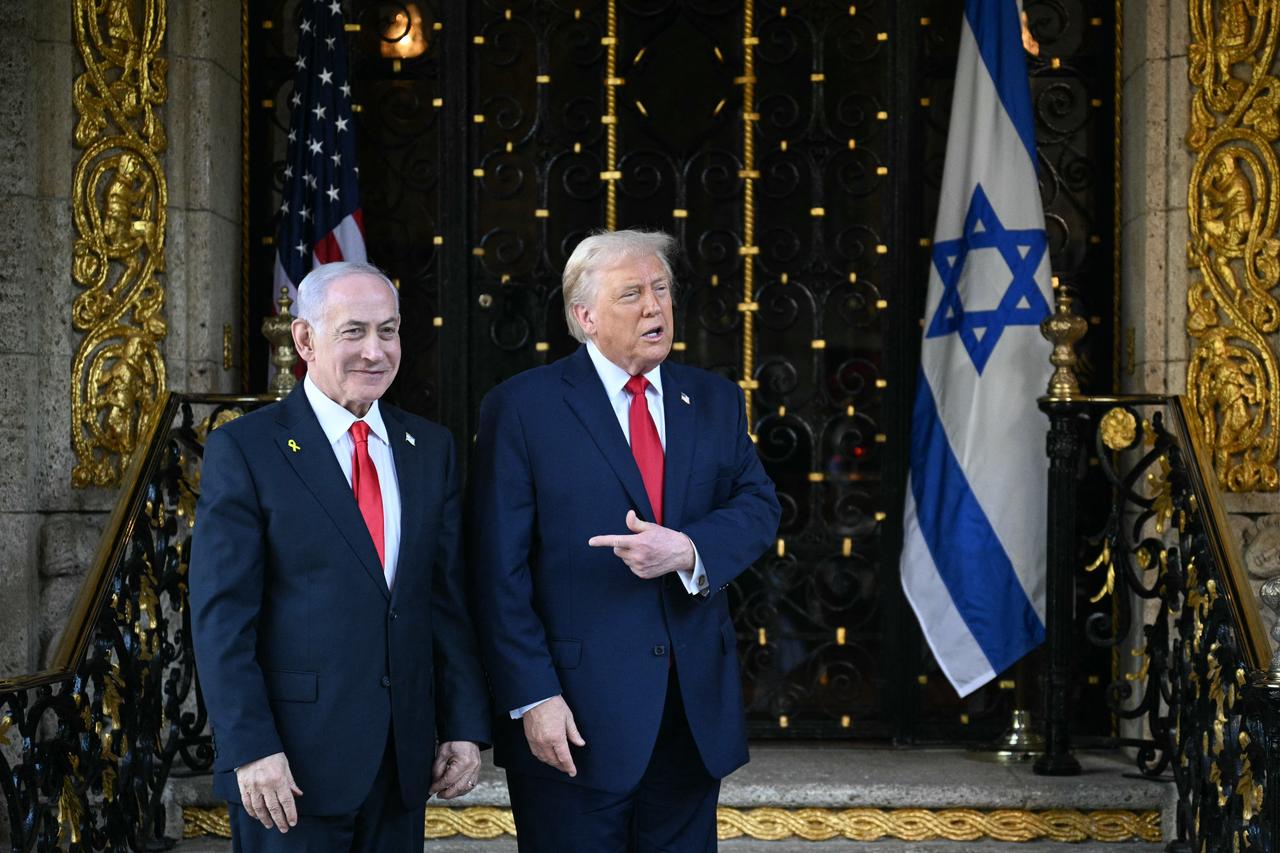
U.S. President Donald Trump earlier insisted that any agreement with Tehran must be "meaningful," warning that the alternative remained "no deal."
Despite the ongoing negotiations, tensions in the region remain high. Iran continues to restrict shipping through the Strait of Hormuz while Washington maintains a naval blockade targeting Iranian ports.
Iranian Foreign Ministry spokesperson Esmaeil Baghaei stated that Tehran and Washington had reached conclusions on "a large portion of the discussion topics," but cautioned that this did not mean an agreement was imminent.
Baghaei also emphasized that current talks focus primarily on ending the war rather than Iran’s nuclear program. "There are no guarantees that the U.S. would fulfill future commitments," he added.
Reuters reported that Iran had agreed "in principle" to dispose of its highly enriched uranium and reopen the Strait of Hormuz in exchange for the lifting of the U.S. naval blockade.
Japan’s Nikkei newspaper also reported that discussions remained underway over reopening the strategic waterway, which handles roughly one-fifth of global oil and gas exports.
According to diplomatic sources cited by the outlet, Iran could begin clearing naval mines from the strait during a 30-day period following the deal.
The reported framework would also extend the current ceasefire by 60 days while separate negotiations continue over Iran’s nuclear program.


 Set as preferred source
 Set as preferred source


 1 min read
 1 min read