Newsletters




Iran warned Tuesday that any U.S. military strike would draw a response at least equal in force, dismissing claims that Washington had asked Tehran not to retaliate for a possible attack on Pickaxe Mountain, as Pakistan's army chief arrived in Tehran amid stalled U.S.-Iran talks.
"If our response is not stronger, it will certainly be equal in force," Foreign Ministry spokesman Esmaeil Baghaei told his weekly news conference.
With U.S. strikes paused since September but U.S. President Donald Trump eyeing the Pickaxe Mountain site, Tehran's warning raises the stakes as Pakistan, a key mediator, steps up efforts to revive negotiations.
"Do you believe it? Do you believe the American side would say, ‘I will strike, you stay silent,’ and Iran would say, ‘Go ahead’?" Baghaei said, responding to reports about the site, known in Persian as Kuh-e Kolang.
"Over these two years we have shown in practice that we leave absolutely no blow unanswered," he said, adding, "This is among the illusions they have put forward, and you all know it is nothing more than a claim."
"We live with this possibility day and night, and we cannot rule it out, even as we speak," Baghaei said of renewed war.
Asked about the main obstacle to a deal, Baghaei replied: "America’s excessive demands."
He called a recent U.S. message "insufficient and incomplete" and said Iran’s seven demands, including lifting the naval blockade and ending hostilities on all fronts, were already part of the June understanding.
"If there is even the slightest possibility that diplomacy can prevent an escalation of tensions, we must pursue that path," he said.

"We have not entered nuclear negotiations with the American side to discuss their details with other parties," Baghaei said, adding Iran had "absolutely not deviated" from its principled positions.
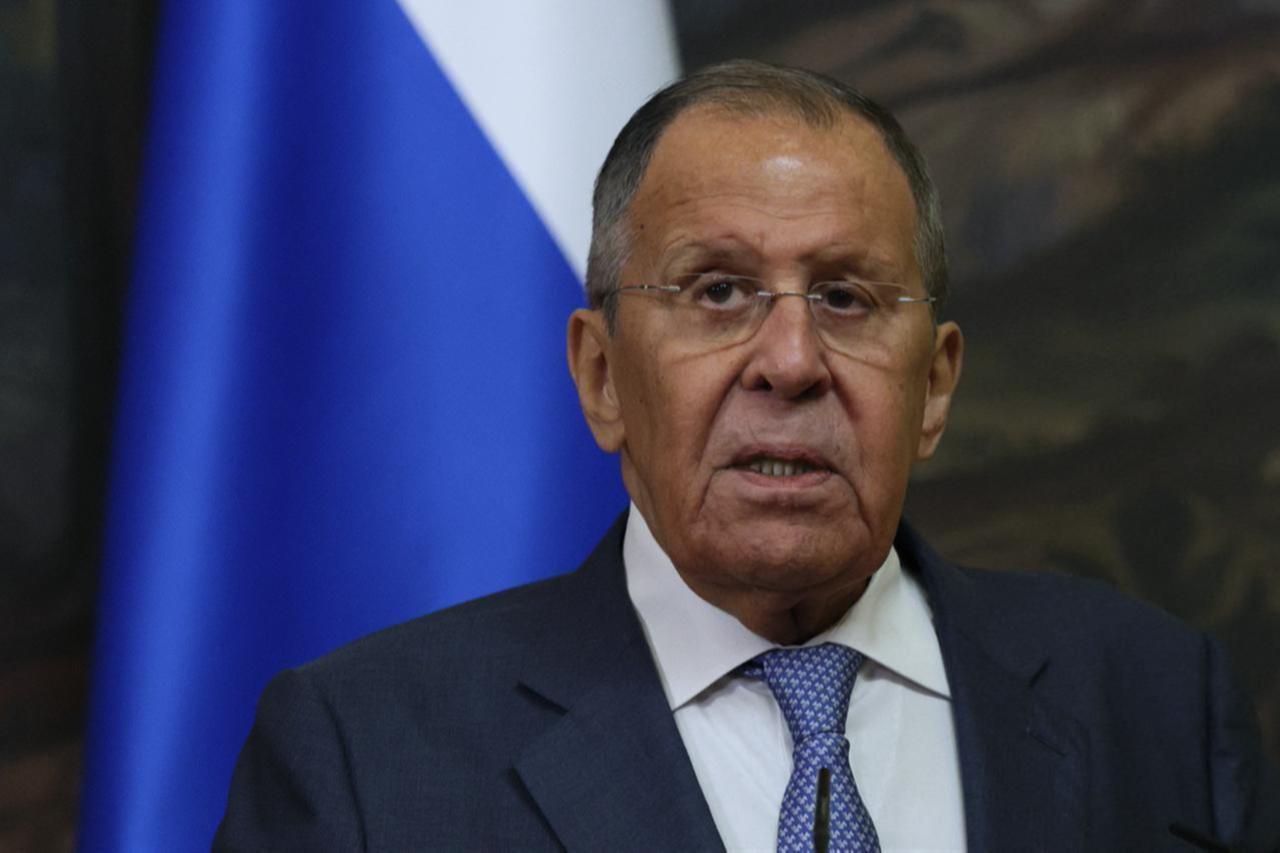
He said Russian Foreign Minister Sergey Lavrov's visit Monday covered the Caucasus, Ukraine, the Gulf, Hormuz and the nuclear issue.
The Iranian official said Tehran blocked two paragraphs on Yemen from the Organization of Islamic Cooperation's (OIC) Baghdad declaration and does not consider a separate resolution backing Saudi Arabia against Houthi attacks a valid OIC decision, citing procedural violations.
"The issue of Yemen cannot be resolved through force and military means," he said.
He also criticized a Gulf Cooperation Council (GCC) foreign ministers' statement in Manama holding Iran responsible for drone and missile attacks. "Unconstructive remarks by certain officials from Gulf states do not contribute to confidence-building or good neighborliness," Baghaei said, adding "Iran’s defensive responses were directed at the sources of aggression."
Asked about a Qatari spokesman’s remark that the world may be in the first year of World War III, Baghaei said: "I confess that I do not have the power of prophecy," adding Iran is prepared for any eventuality.
Pakistan's army chief, Field Marshal Asim Munir, arrived in Tehran on Tuesday, IRIB reported, his fifth visit since the June Memorandum of Understanding (MoU).
Baghaei said the talks "relate to issues concerning the negotiations, but they are mainly focused on bilateral relations and strengthening interactions and cooperation."
He said Islamabad had cited technical issues for halting crossings at the shared border, noting Iranian exports continued while the Pakistani side had stopped unilaterally, and expressed confidence it would be resolved, as Iran sets out its terms amid the threat of renewed U.S. strikes.
The U.S. and Israel launched a war against Iran on Feb. 28.
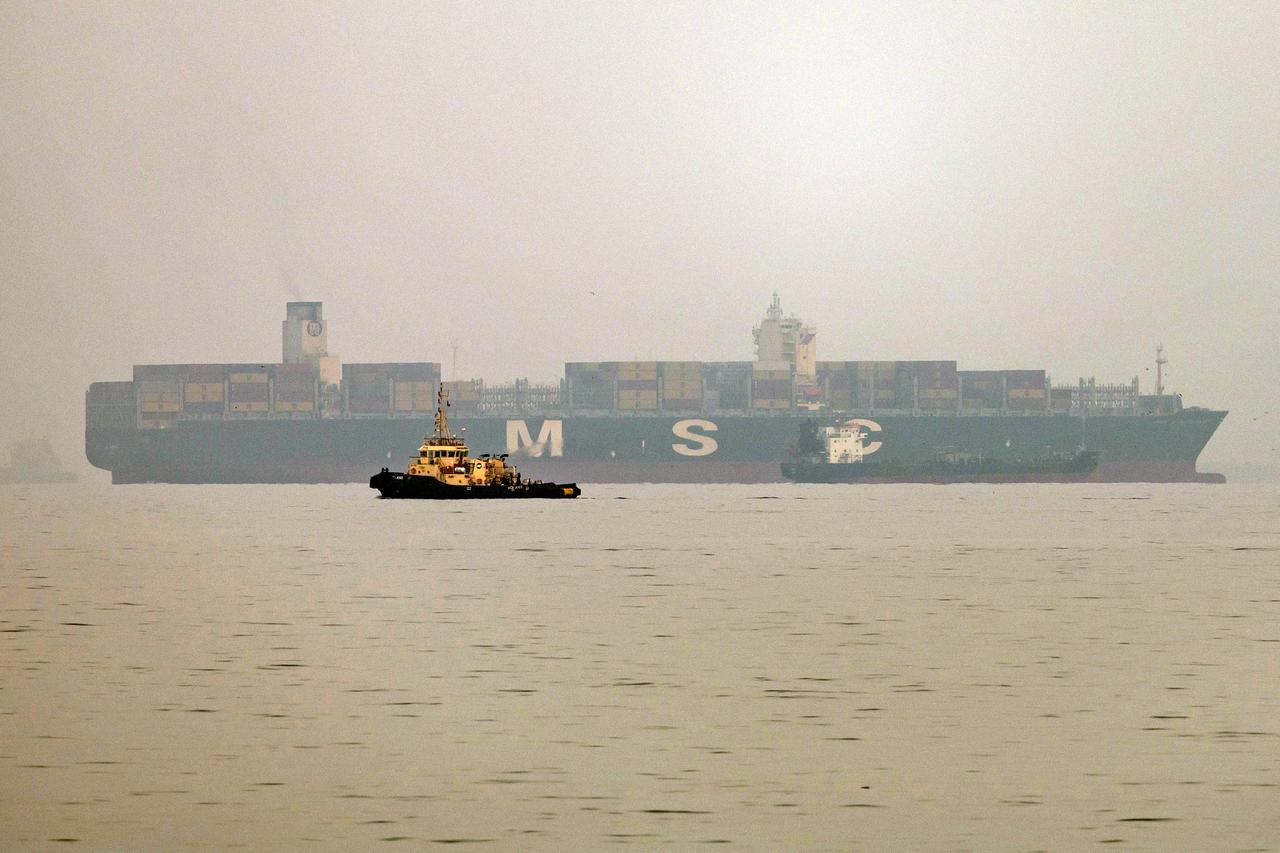
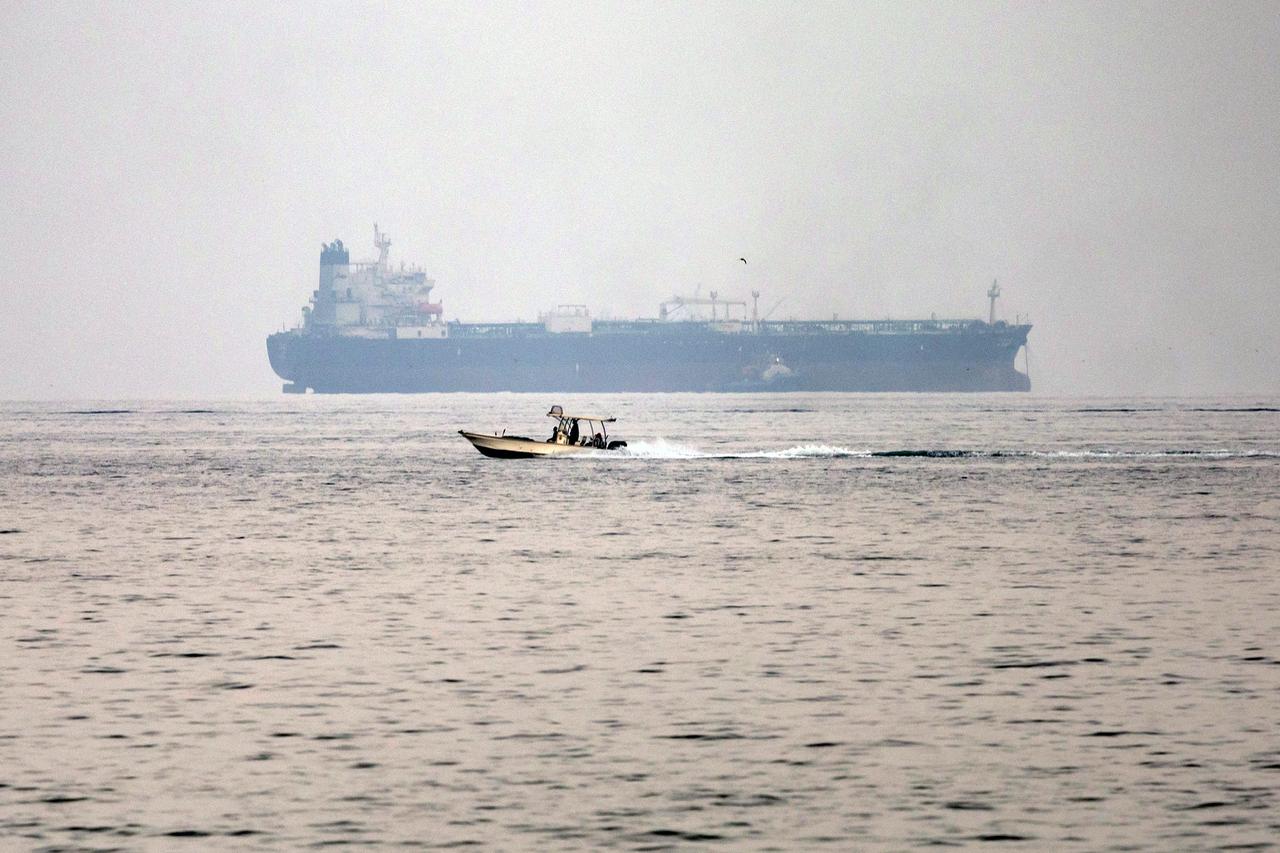
Tehran responded with missile and drone attacks across the region and effectively closed the Strait of Hormuz, while Washington later imposed a naval blockade on Iranian ports.
The U.S. and Iran subsequently signed a MoU in June concerning freedom of navigation in the strait, but implementation stalled over disagreements related to security in the strategic waterway.


 Set as preferred source
 Set as preferred source


 1 min read
 1 min read