Newsletters


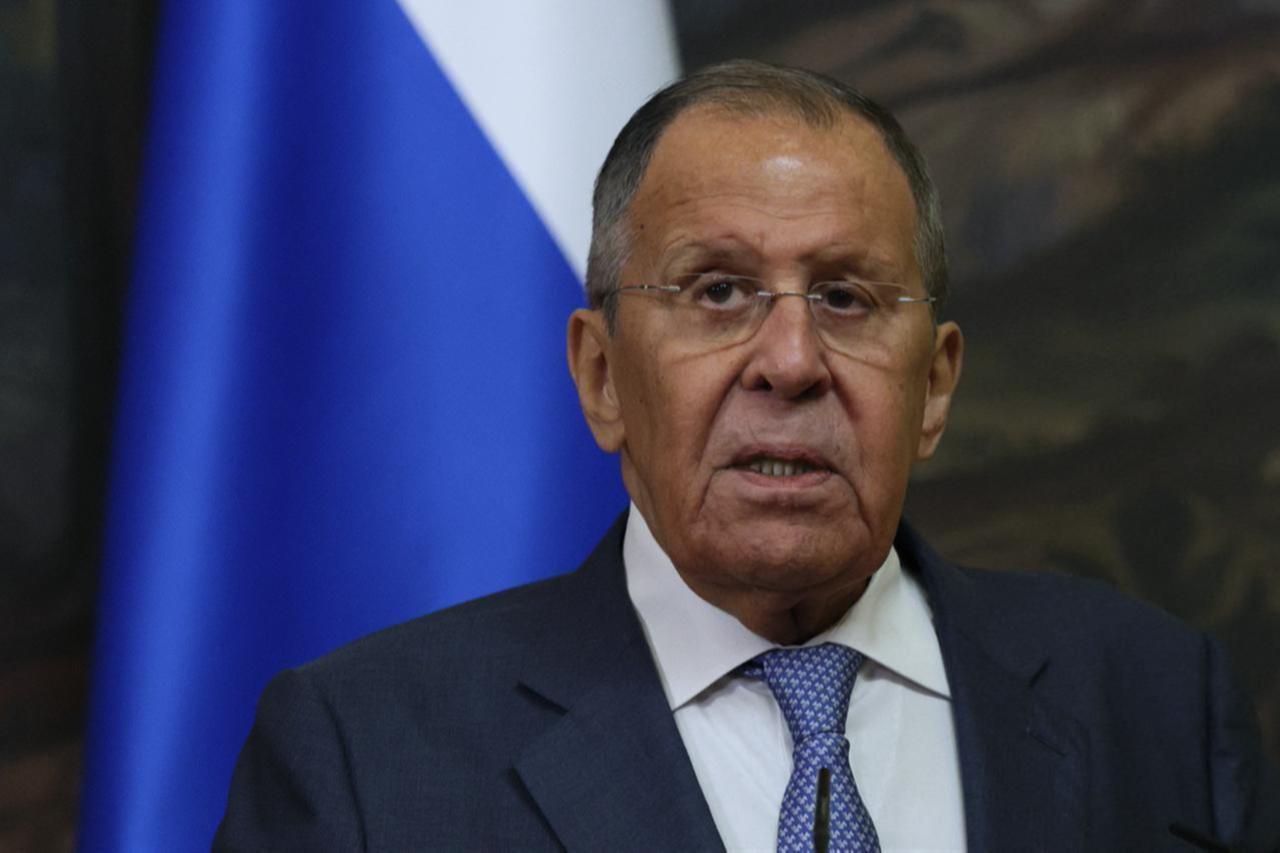


Russian Foreign Minister Sergey Lavrov held talks with Iranian President Masoud Pezeshkian in Tehran on Monday. They discussed the strategic partnership between their countries and developments across the region.
Pezeshkian called for speeding up the implementation of agreements already reached between the two countries, naming energy, transportation and trade as priorities, according to the Iranian presidency.
Russia’s Foreign Ministry said the visit continued the political dialogue between Moscow and Tehran and helped identify practical steps to advance bilateral relations and foreign policy cooperation.
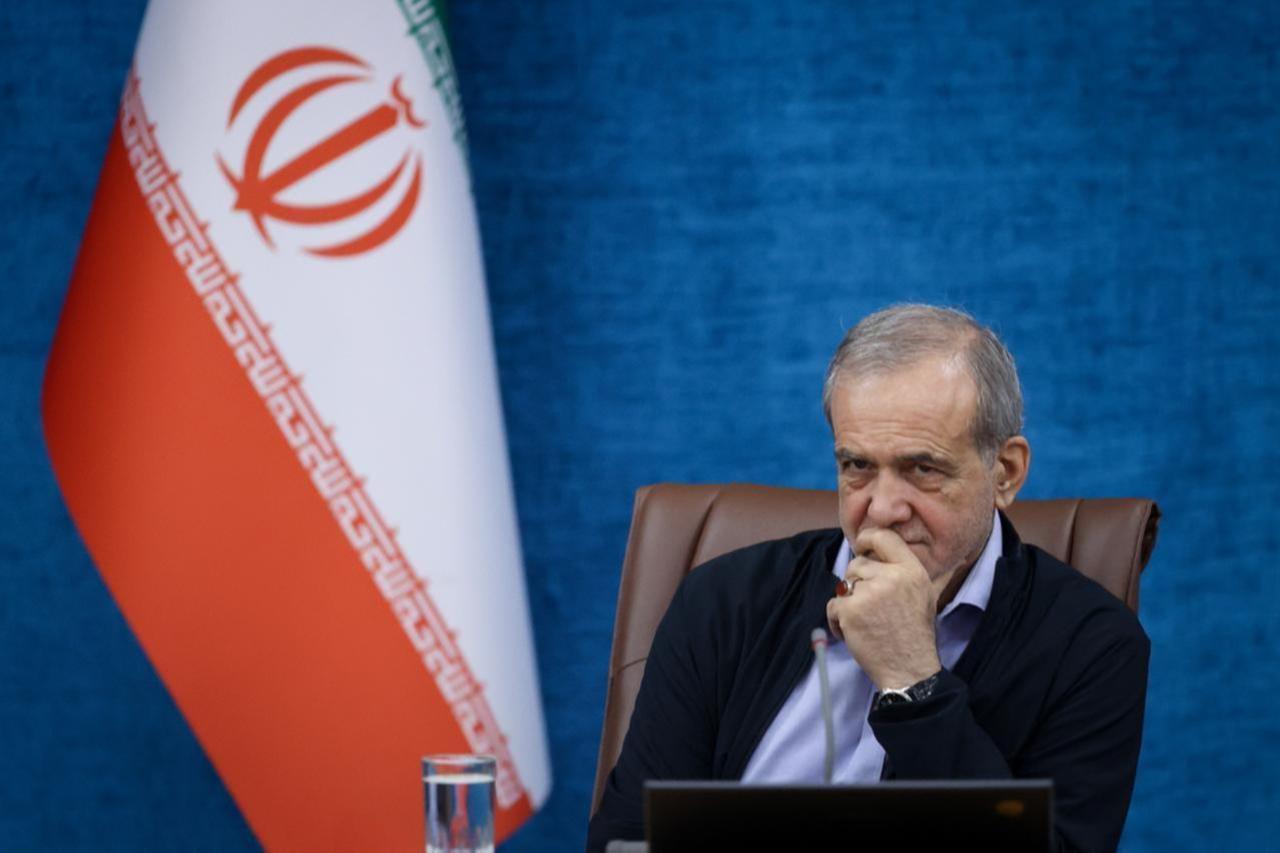

Pezeshkian said his upcoming trip to Moscow could help move bilateral agreements forward and produce tangible outcomes, particularly in energy, transport and infrastructure.
The two countries signed a comprehensive strategic partnership treaty in January 2025. The pact covers cooperation in areas including energy, trade and security, but it does not include a mutual defense commitment.
Pezeshkian also criticized the US-Israeli war against Iran. He said attacks on Iranian infrastructure and the killing of senior officials, scientists and schoolchildren violated international norms, and he thanked Russia for its support during the conflict.
He called for a regional security framework built on mutual respect, dialogue and cooperation. He argued that US military bases in the region heightened tensions and instability.
Lavrov also met Iranian Foreign Minister Abbas Araghchi and Mohsen Rezaei, the secretary of Iran’s Supreme National Security Council, the Russian ministry said.
Lavrov reaffirmed Russia’s readiness to help resolve the situation surrounding Iran. He also briefed Iranian officials on talks he held Sunday in Bahrain with representatives of countries on the Arabian Peninsula, according to the ministry.
The sides stressed the need for close coordination on developments in the Middle East, the Persian Gulf, the South Caucasus and the Caspian Sea, the ministry said.
They also discussed expanding political, economic and investment cooperation, including joint transport, logistics and energy projects. The ministry said that cooperation would involve continued engagement among government agencies, parliaments, regional authorities and businesses.


 Set as preferred source
 Set as preferred source


 1 min read
 1 min read