Newsletters


Iran will keep control over the management of the Strait of Hormuz and considers Washington’s response to its seven conditions for reopening the waterway "insufficient," the secretary of Iran's Supreme National Security Council, Mohsen Rezaei, said Sunday.
"We presented seven conditions to the Americans and clearly stated that the Strait of Hormuz would not be opened to them, and no negotiations would take place, until these conditions are met," Rezaei said, according to Iranian state media.
The remarks signal a hardening position as U.S.-Iran talks through Qatari, Pakistani and Iraqi mediators stall and attacks on ships in the strait increase.
"In their response, they have accepted some of our conditions, while others remain unclear," Rezaei said, adding that Iran is "no longer in the process of responding to the Americans."
"They must clarify the issues that remain ambiguous to us," he said.
"Our control over the Strait of Hormuz represents enormous national wealth and a major national asset," Rezaei told Press TV, adding, "From now on, therefore, we will maintain control over the management of the Strait of Hormuz. It will remain under our management to ensure peace and security in the region. We will not back down on this issue."
Iran's demands include an end to hostilities, the release of frozen assets, the lifting of restrictions on its oil exports and an end to the U.S. naval blockade of its ports.

"Iranian diplomacy has changed, and there will be no return to the status quo ante," Rezaei wrote on X.
He said U.S. President Donald Trump, "deluded by the fantasy of conquering Iran, launched one of the most idiotic wars in human history after being duped by Netanyahu."
"Now, after the US fleet failed to reopen the Hormuz, he has resorted to smuggling," he wrote.
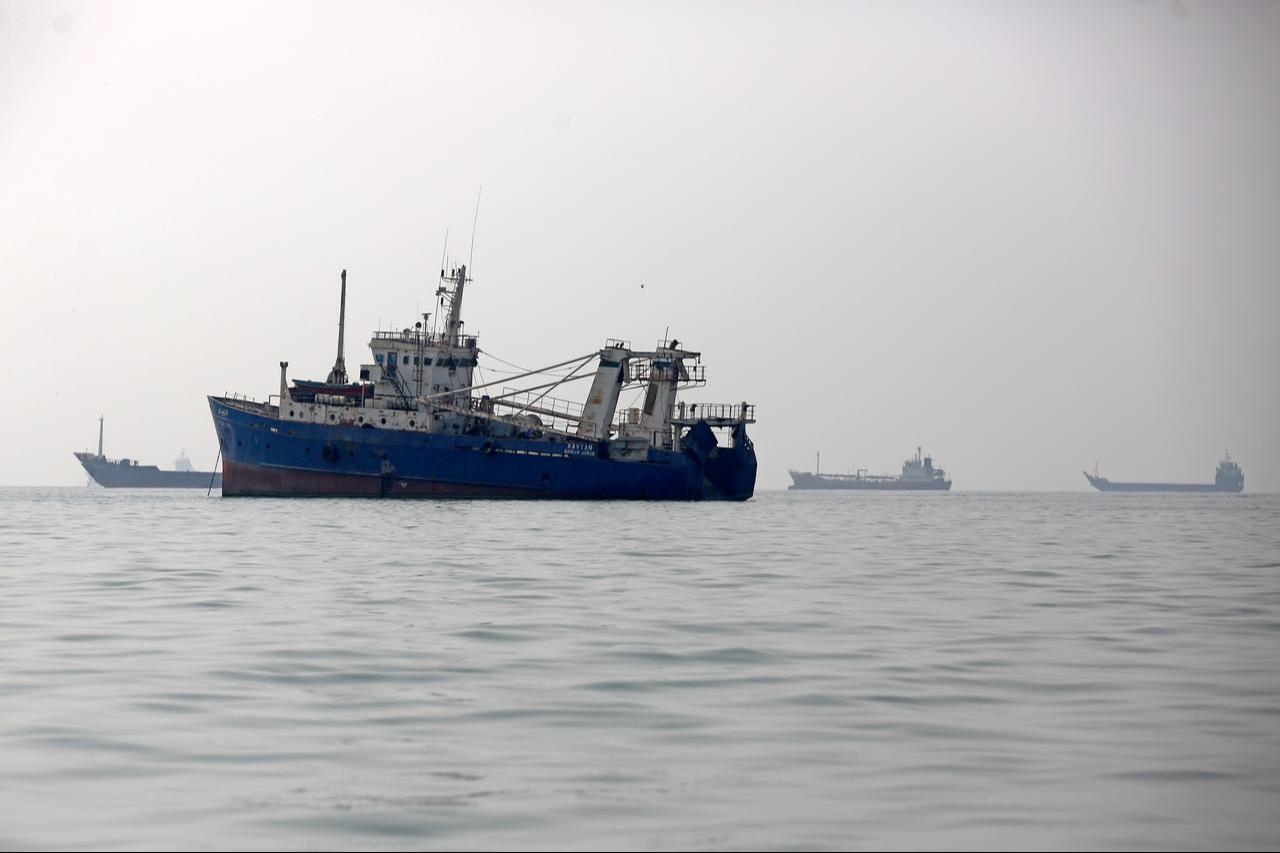
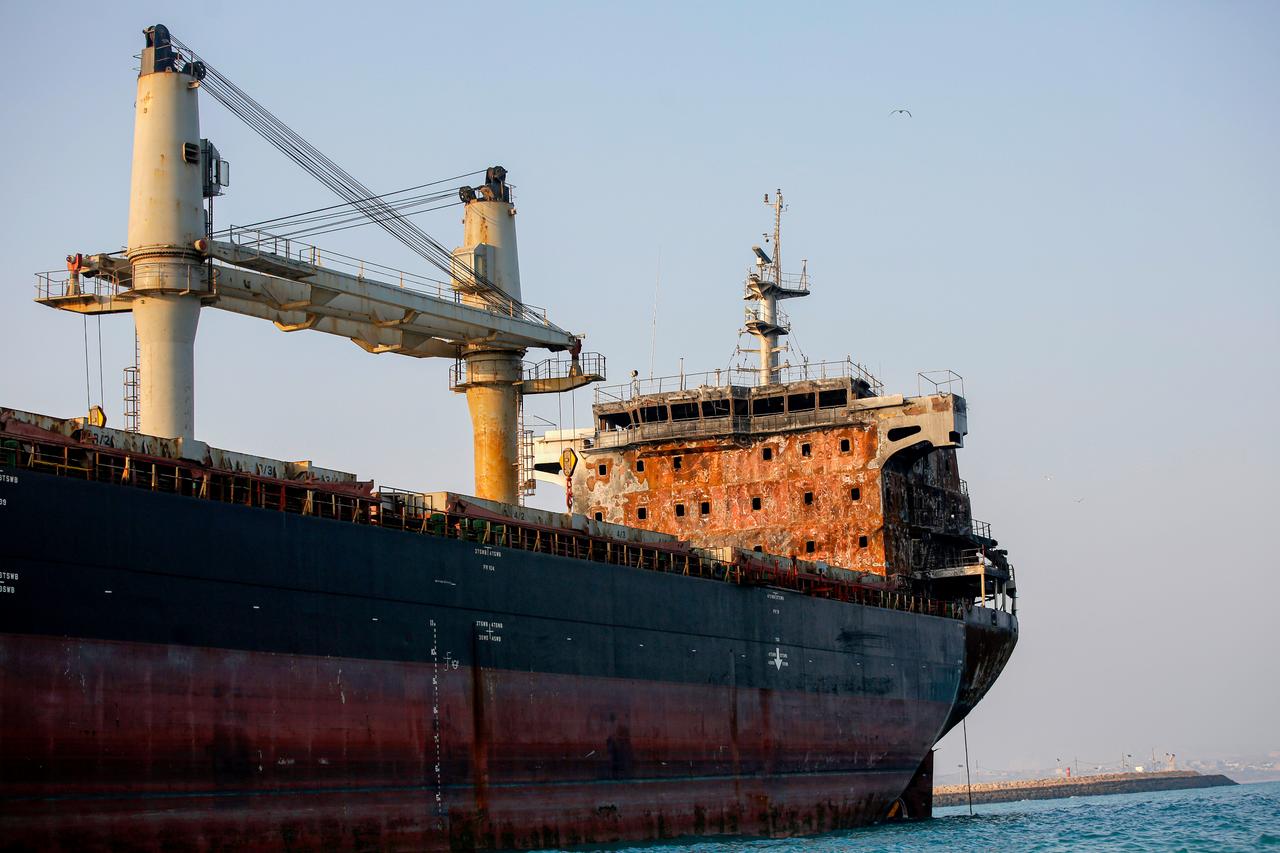
Rezaei rejected U.S. claims that the strait is open and said Iranian forces had been striking five or six vessels on any given night in recent months, a claim that could not be independently verified.
The Iranian official warned that U.S.-linked technology infrastructure in the region worth more than $2 trillion could be targeted if Iran is attacked again.
"We have not yet included these assets among our targets. But if war breaks out, many of these cables, data centers, artificial intelligence facilities, and numerous other sites will be destroyed," he said.
"Today, we are fully prepared to introduce new capabilities if the war starts again," Rezaei added.
Iran's Islamic Revolutionary Guard Corps (IRGC) Navy warned that any ship in the strait that switches off navigation and identification systems would be "identified as hostile," as most ships crossing the strait do so at night with GPS signaling off, raising the stakes as Iran tightens its grip on the Strait of Hormuz.


 Set as preferred source
 Set as preferred source


 1 min read
 1 min read