Newsletters


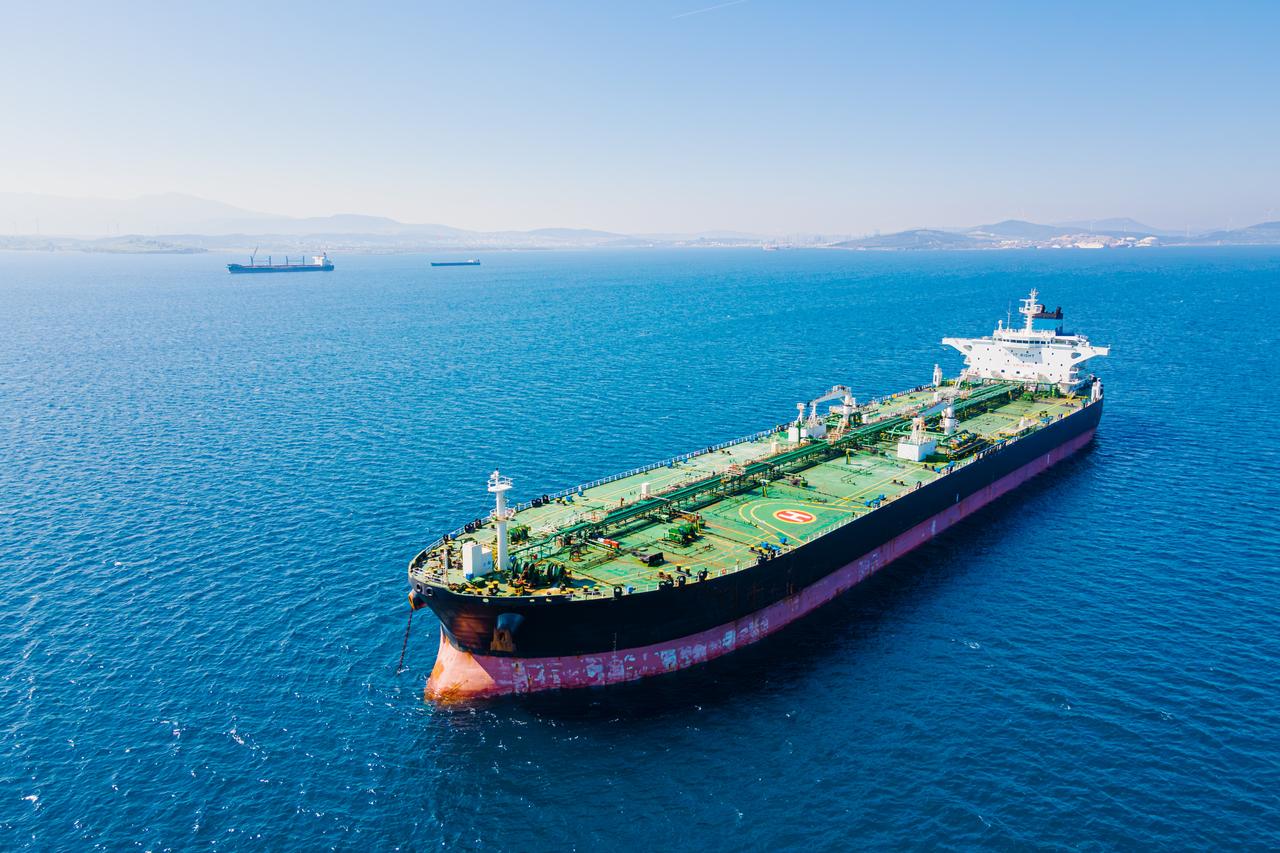


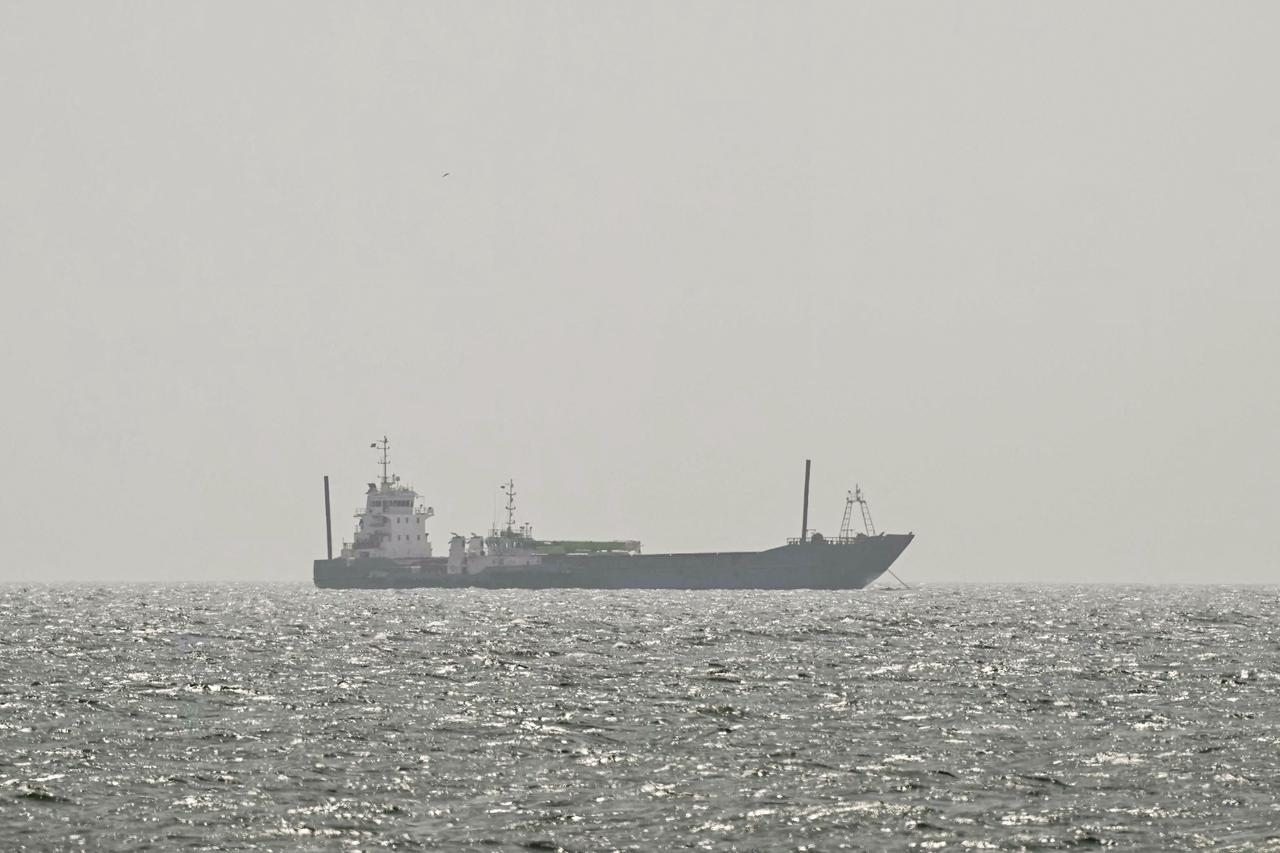
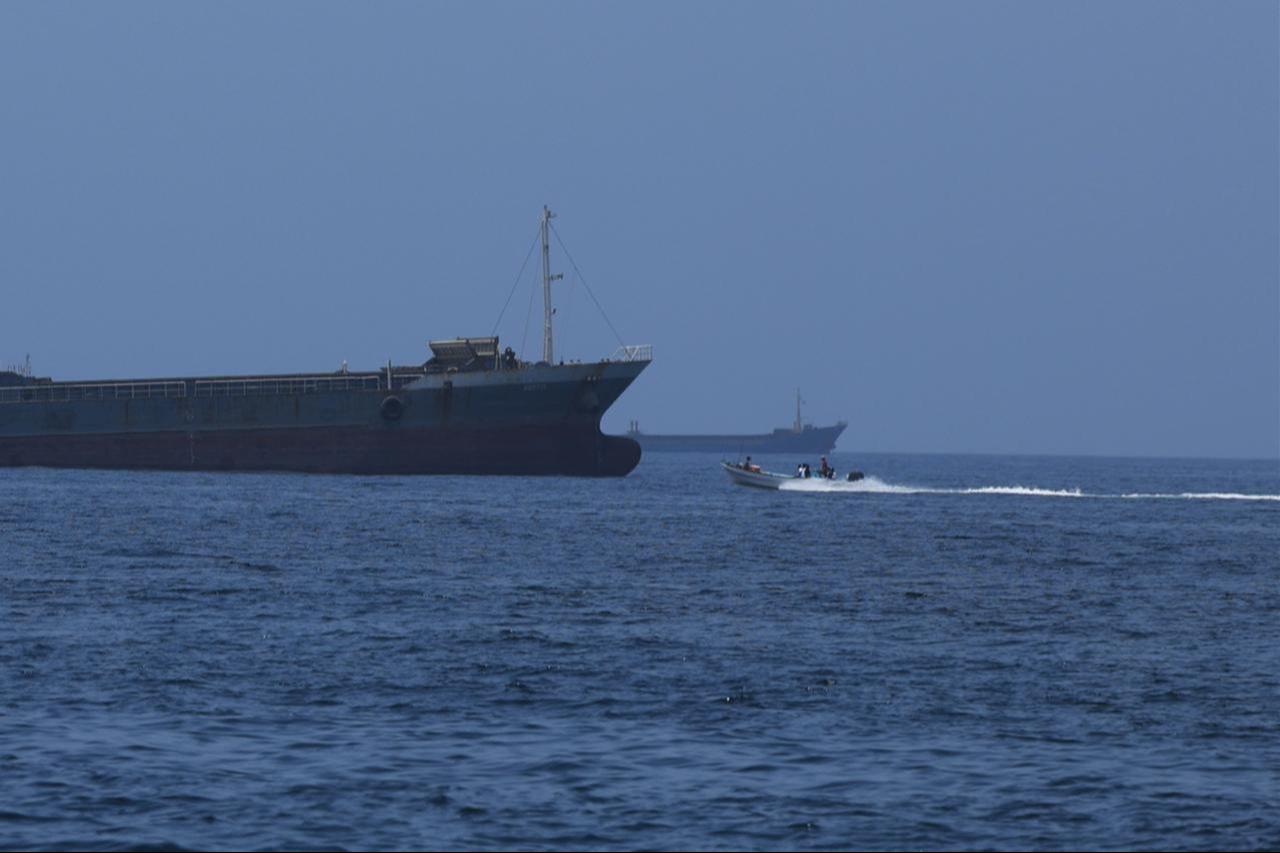
An oil supertanker struck a naval mine while attempting to cross the Strait of Hormuz, triggering an explosion in its engine room, Iran’s Islamic Revolutionary Guard Corps (IRGC) Navy announced Sunday, hours after a senior Iranian security official accused the U.S. of smuggling oil through the strategic waterway.
The vessel, capable of carrying around 2 million barrels of oil, was attempting to pass through the strait with its navigation system switched off, according to the IRGC Navy. The statement did not identify the tanker or disclose its nationality or flag.
The incident marks the third vessel to hit a naval mine along what Iran describes as a prohibited route through the Strait of Hormuz since Saturday, the navy added. The IRGC Navy renewed its warning that ships switching off their navigation systems while crossing the waterway would be classified as "hostile vessels."
The incident comes amid ongoing tensions over access to the Strait of Hormuz, a key route for global oil shipments.
In late August, the U.S. Central Command (CENTCOM) announced that international shipping lanes had reopened after U.S. forces removed Iranian naval mines. Iran declared the strait closed again on July 12 after U.S. attacks resumed on July 8. Tehran has threatened to target vessels using unauthorized routes or crossing without permission.
Meanwhile, Mohsen Rezaei, secretary of Iran’s Supreme National Security Council, accused CENTCOM chief Adm. Brad Cooper of running oil-smuggling operations through the strait with help from the United Arab Emirates military.
Rezaei told Iranian state-run Press TV over the weekend that Cooper oversaw oil transfers from five or six small boats to larger tankers, which Iranian forces allegedly targeted nightly over the past two or three months.
He rejected U.S. President Donald Trump’s claim that the strait was open, insisting that Iran would retain control. "From now on, therefore, we will maintain control over the management of the Strait of Hormuz. It will remain under our management to ensure peace and security in the region. We will not back down on this issue," he said.
He added that maritime traffic remained far below prewar levels and accused Washington and its regional allies of using smuggling networks to move oil through the waterway.

Rezaei also warned that Iran could target U.S.-linked technology infrastructure across the region if Washington attacks again. "We have not yet included these assets among our targets. But if war breaks out, many of these cables, data centers, artificial intelligence facilities and numerous other sites will be destroyed," he said.
He put the value of the infrastructure at more than $2 trillion and warned that Tehran was ready to deploy additional military capabilities if hostilities resumed. "Today, we are fully prepared to introduce new capabilities if the war starts again," he added.
Iran had previously targeted infrastructure belonging to U.S.-based tech companies in the region, particularly Amazon’s data centers in Bahrain and the UAE during the earlier stages of the conflict. Amazon Web Services (AWS) reported in September that it remained unable to restore access to its Bahrain facility and one of its data-hosting zones in the UAE.
The United States and Israel launched a war against Iran on Feb. 28. Tehran responded with missile and drone attacks across the region, effectively closing the strait, while Washington later imposed a naval blockade on Iranian ports.
The two sides signed a memorandum of understanding in June on freedom of navigation through the strait, but disagreements over security have stalled its implementation.


 Set as preferred source
 Set as preferred source


 1 min read
 1 min read