Newsletters


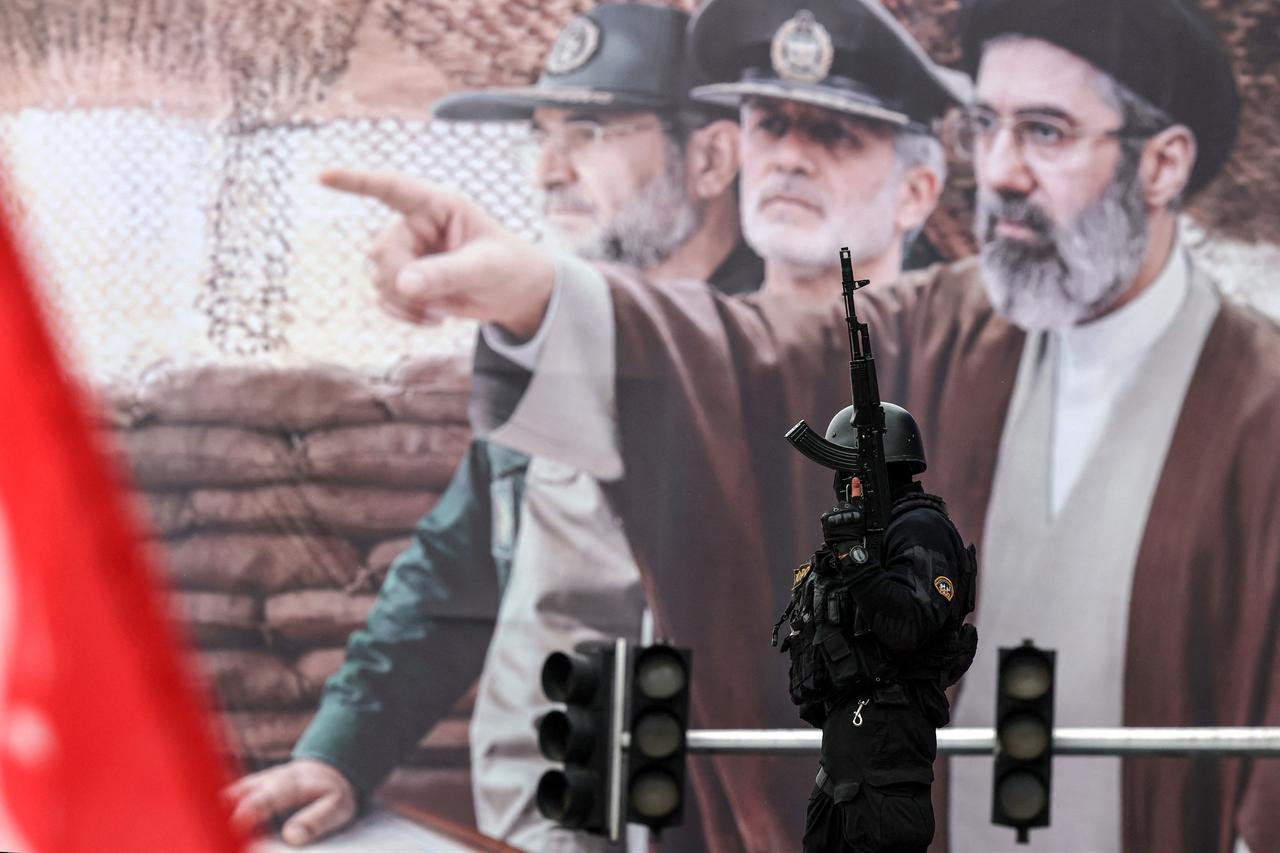


Iran's Foreign Ministry spokesman vowed Friday that Tehran's armed forces would deliver an "unforgettable lesson" to the United States and Israel, as deadly explosions struck near an Al-Quds (Jerusalem) Day rally in Tehran and the Middle East war approached the two-week mark.

Foreign Ministry spokesman Esmaeil Baqaei said Iran would not accept alternating offers of dialogue with continued strikes.
"We cannot accept that they talk about dialogue and ceasefire every now and then and after that we face the repetition of these crimes and war. Our armed forces are very determined to firmly teach the enemy an unforgettable lesson," Baqaei said.
He said all of Iran's institutions were focused on defense, noting, "We are all focused, whether at the national or military level, on defending the Iranian nation in every aspect."
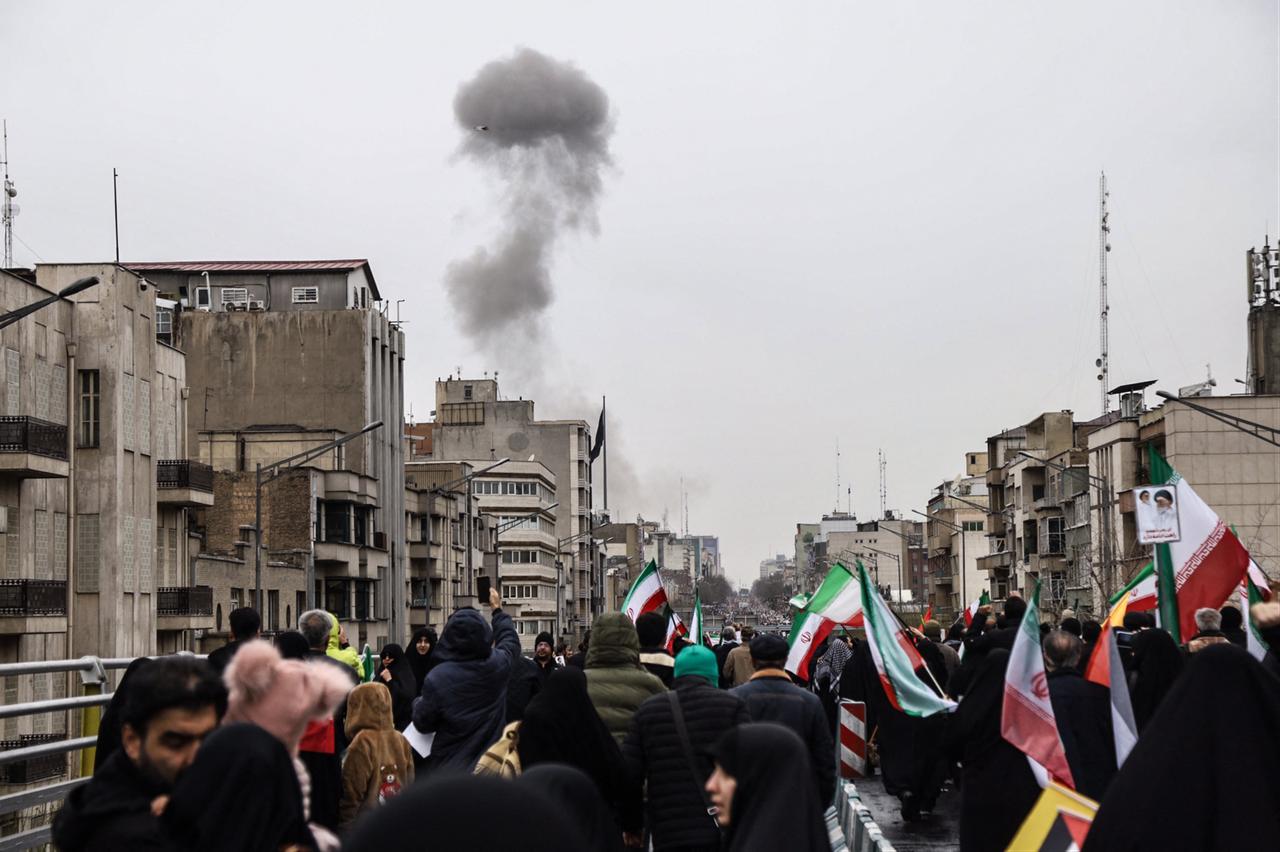
Deadly explosions struck Tehran on Friday close to a Al-Quds (Jerusalem) Day rally attended by top officials, including President Masoud Pezeshkian, Foreign Minister Abbas Araghchi and Ali Larijani, secretary of the Supreme National Security Council.
The rally marked Al-Quds Day, the last Friday of Ramadan.
Israel's military said it had struck more than 200 targets in western and central Iran in the past day.
Iran's state media said at least one person was killed when blasts hit an area near the demonstration, where large crowds had gathered waving flags and banners reading "Death to America" and "Death to Israel."
Larijani, speaking at the rally in a broadcast carried on state TV, said: "These attacks are out of fear, out of desperation. One who is strong wouldn't bomb demonstrations at all. It's clear that it has failed."
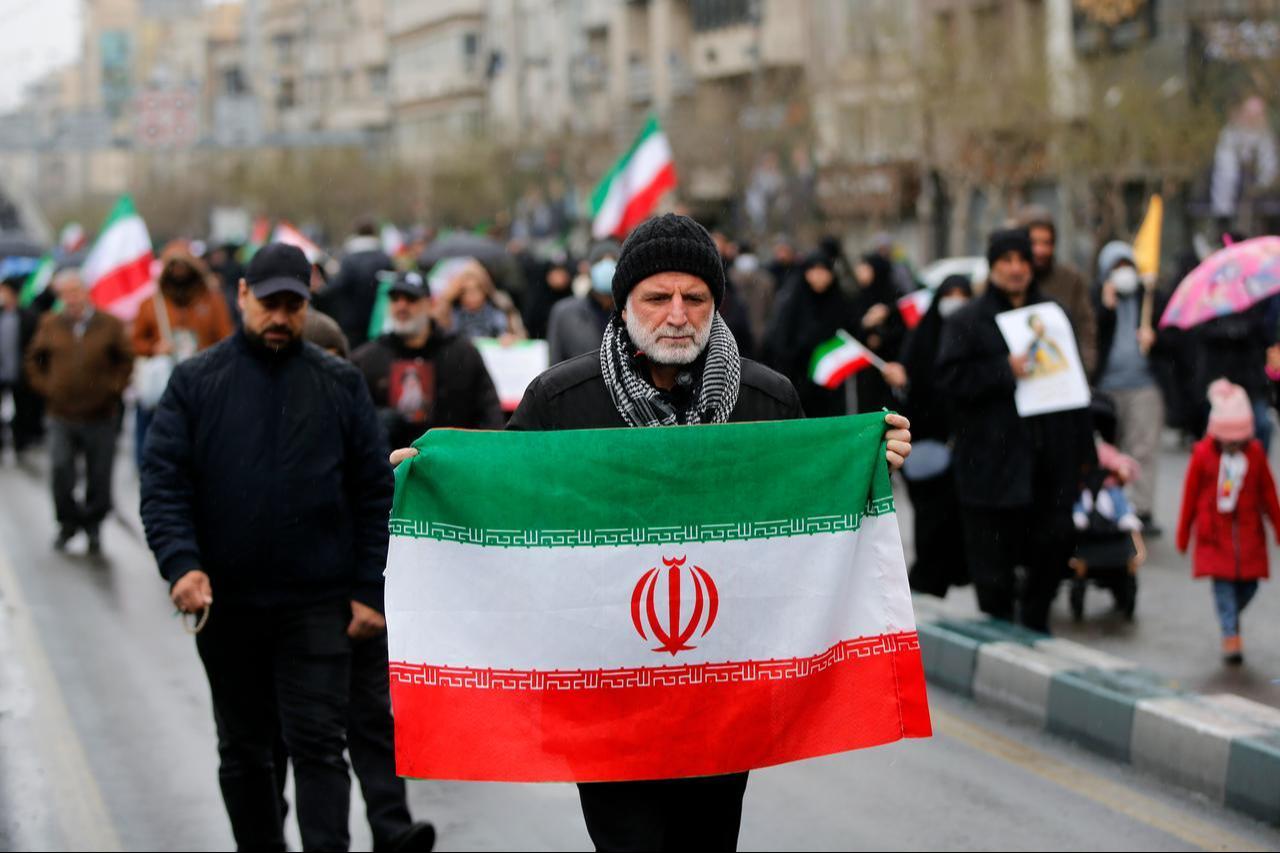
The war, which erupted Feb. 28 with U.S.-Israeli attacks on Iran, has cascaded throughout the region, drawn in global powers and triggered a major oil shock.
The United Nations refugee agency estimated that up to 3.2 million people have been displaced inside Iran since the war began.
Iran's health ministry said on March 8 that more than 1,200 people have been killed, a figure AFP said it has not been able to verify independently.
Iranians speaking to Agence France-Presse (AFP) on condition of anonymity described deteriorating conditions.
"People are desperately trying to withdraw their savings from the banks, as trust in them has vanished," a 30-year-old woman in Kermanshah, western Iran, told Agence France-Presse (AFP).


 Set as preferred source
 Set as preferred source


 1 min read

 1 min read