Newsletters


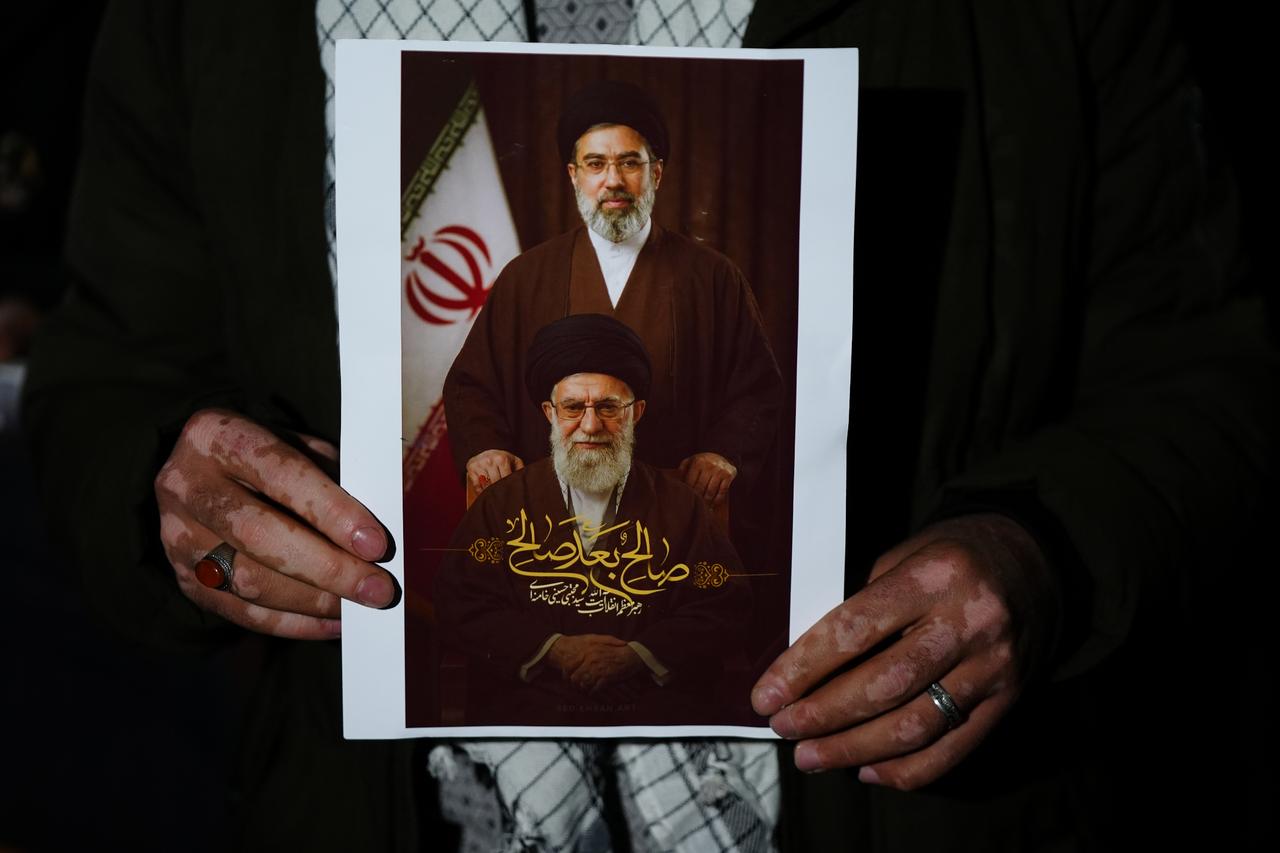


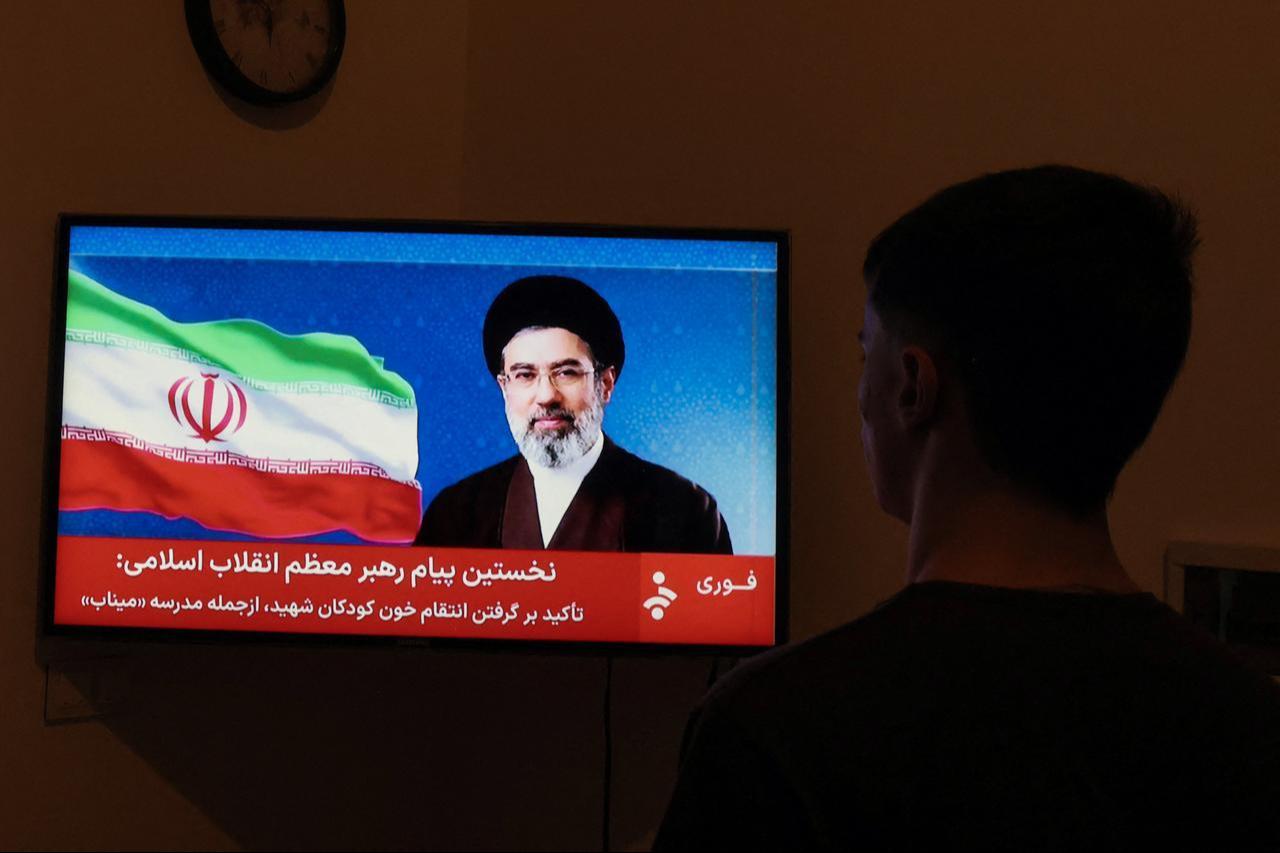
Iran's Foreign Ministry stated that Mojtaba Khamenei, the country's new supreme leader, is injured but well, while Iranian officials also said Tehran does not want to continue the war and denied seeking hostility with neighboring states.
Foreign Ministry spokesman Esmaeil Baqaei made the remarks in an interview with the Italian newspaper Corriere della Sera published Thursday.
He condemned the U.S.-Israeli attacks on Iran and said the U.S. military presence in the region creates "mistrust."
Baqaei said Iran remains in close contact with neighboring countries and has no hostility toward them. He also urged European countries to "stand against this injustice" and said Tehran would welcome a mediating role from Europe.
The comments came as regional tensions continued to rise after Israel and the United States launched joint attacks on Iran on Feb. 28. Iranian authorities said the attacks killed around 1,300 people and injured more than 10,000 others.
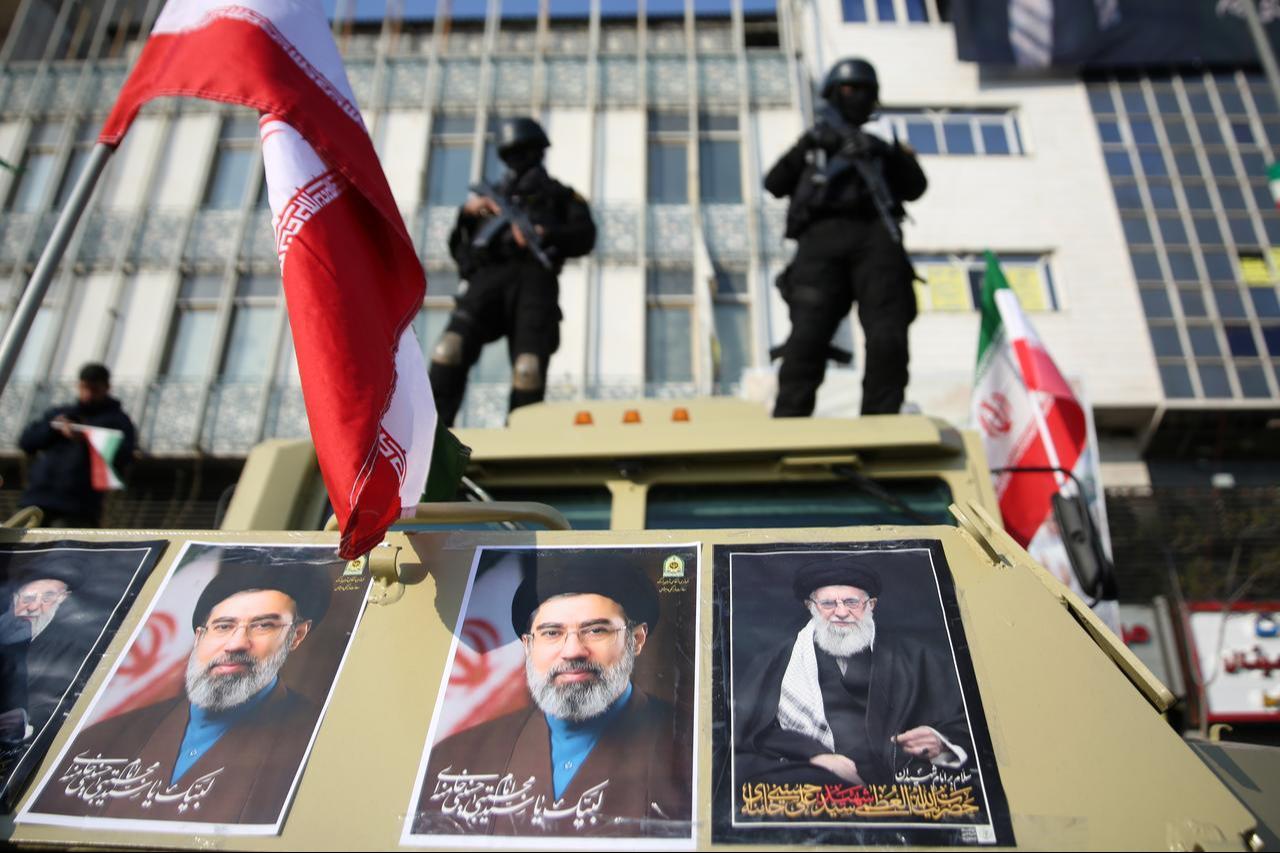

Baqaei told Corriere della Sera that Mojtaba Khamenei is injured but well after being declared earlier this week the successor to his father, Ali Khamenei.
In his first statement since the conflict began, Mojtaba Khamenei said Thursday that the "lever of blocking the Strait of Hormuz must continue to be used."
Iran has retaliated for the Feb. 28 attacks with drone and missile strikes targeting Israel, Jordan, Iraq and Gulf countries that host U.S. military assets.
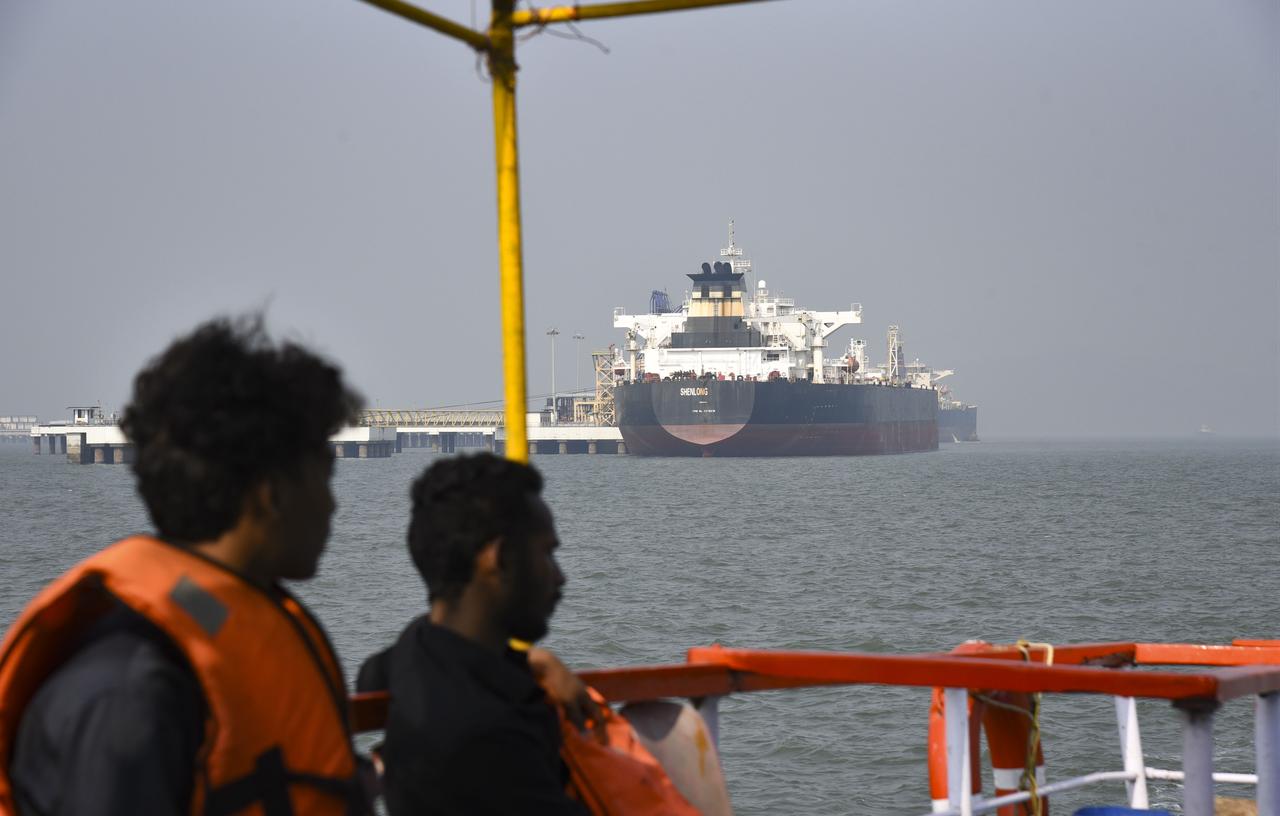
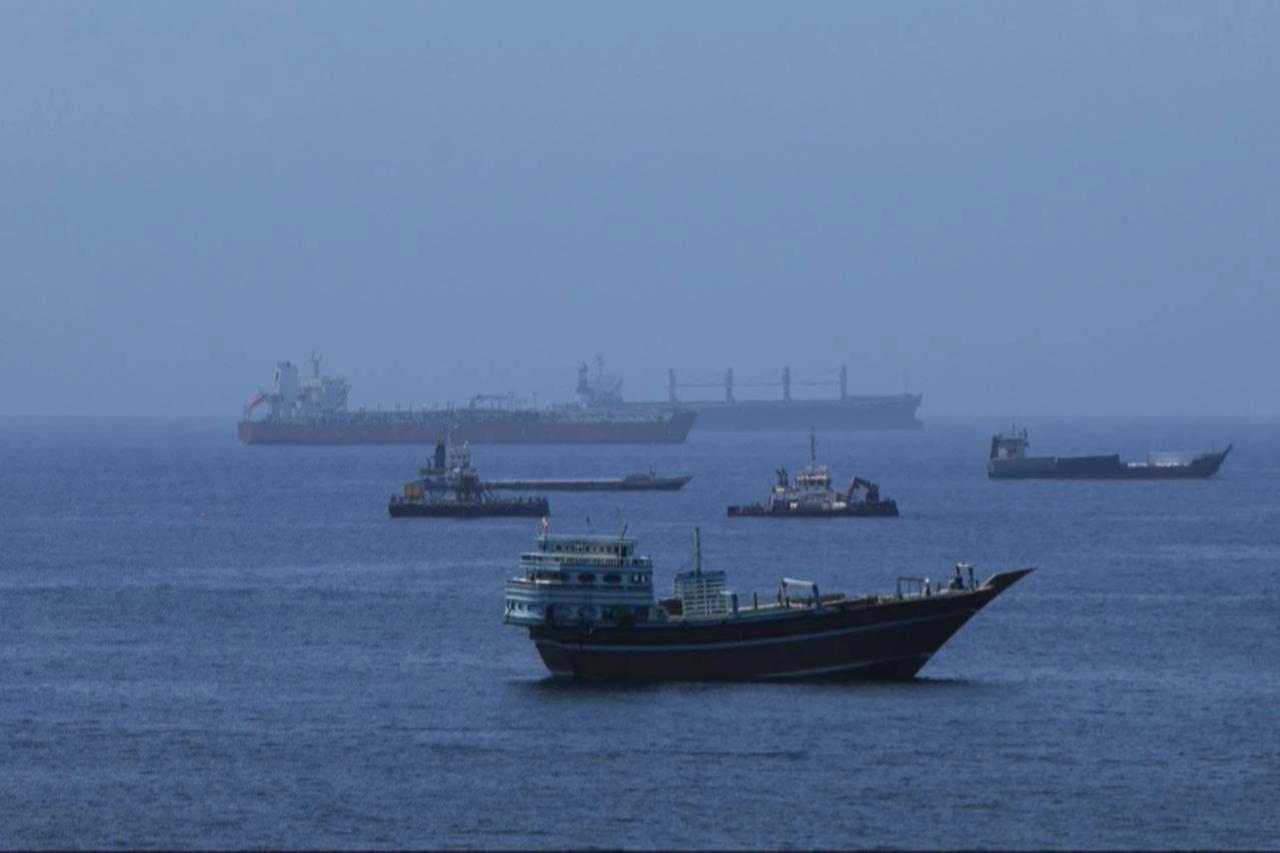
U.S. officials said Thursday that Iran has begun laying mines in the Strait of Hormuz, The New York Times reported.
A U.S. official briefed on the intelligence said Iran turned to smaller boats after U.S. forces destroyed larger Iranian vessels capable of quickly laying mines. The report said Iran’s Islamic Revolutionary Guard Corps can deploy hundreds of such boats and appears to be trying to place mines faster than they can be cleared.
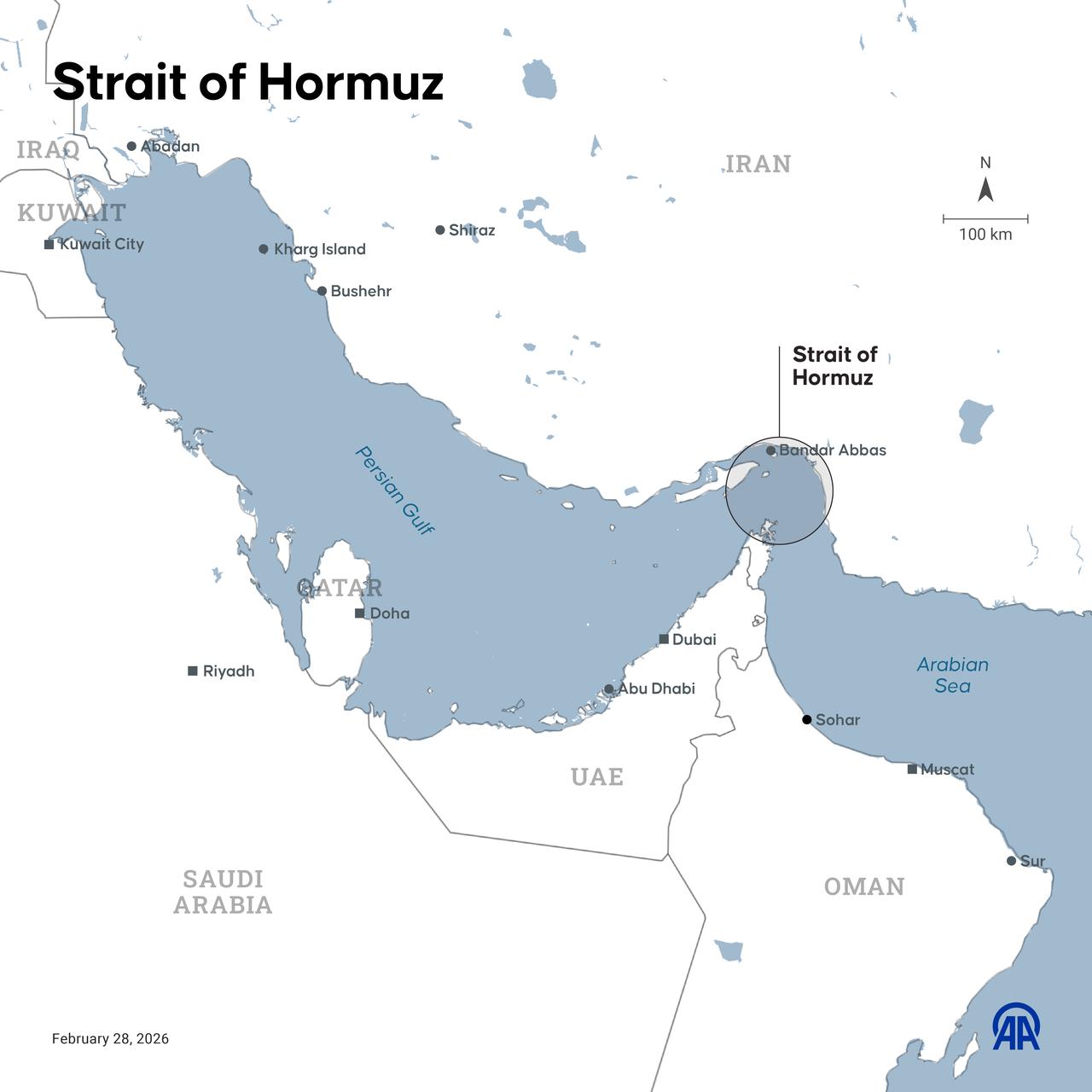
The New York Times said the effort is slow and not highly efficient, but it could further deter shipping through the strait, a waterway through which about 20% of the world’s crude oil and natural gas typically passes.
Iran announced the strait was closed after the U.S. and Israel launched joint attacks on Feb. 28, disrupting shipping and driving oil prices higher. Strikes have hit multiple vessels in the area, and Iran claimed responsibility for some of them.
On Tuesday, Iranian Deputy Foreign Minister Majid Takht-Ravanchi denied that Iran was mining the strait.
The report said the U.S. military has targeted 16 Iranian mine-laying ships, while President Donald Trump warned Iran it would face severe consequences if it blocked oil flows.
Iran's U.N. Ambassador Amir Saeid Iravani also stated on Thursday that Tehran was not going to close the Strait of Hormuz, but added that it was Iran's right to preserve the security of the key shipping route.
"We are not going to close the Strait of Hormuz," Iravani said, adding that, "But it is our inherent right to preserve the peace and security in this waterway."
Iravani noted that "Iran fully respects and remains committed to the principle of freedom of navigation under the law of the sea. However, the current situation in the region, including in the Strait of Hormuz, is not the result of Iran's lawful exercise of its right of self-defense."
"Rather, it is the direct consequence of the destabilizing actions of the United States in launching aggression against Iran and undermining regional security," he added.
Iranian President Masoud Pezeshkian also stated that Iran did not start the war and does not want to continue it.
"Iran did not start the war and does not want to continue it. However, within the framework of the legitimate right of self-defense, U.S. bases in the region that were the source of the attack were targeted," Pezeshkian said during a phone call with Indian Prime Minister Narendra Modi, IRNA reported.
Pezeshkian also said Iran does not want to create insecurity in the region and added that BRICS should play an active role in preserving regional peace, stability and security.
Modi said escalating the conflict would benefit no side. In a post on X, he said he had conveyed deep concern over rising tensions, civilian deaths and damage to civilian infrastructure.
Modi also said uninterrupted goods and energy shipments remain among India’s priorities and called for dialogue and diplomacy.
Iran’s top security official Ali Larijani said earlier on X that Iran would not leave the United States alone until it admitted its mistake and paid the price.
His remarks referred to Trump’s statement that "We must achieve victory quickly in this war."


 Set as preferred source
 Set as preferred source


 1 min read