Newsletters


The U.S. is preparing for a wider war with Iran, a U.S. official says, even as another official warns the military lacks the munitions and air-defense stockpiles to sustain expanded operations safely, the Washington Post reported.
American combat deaths in the conflict have climbed to at least 17.
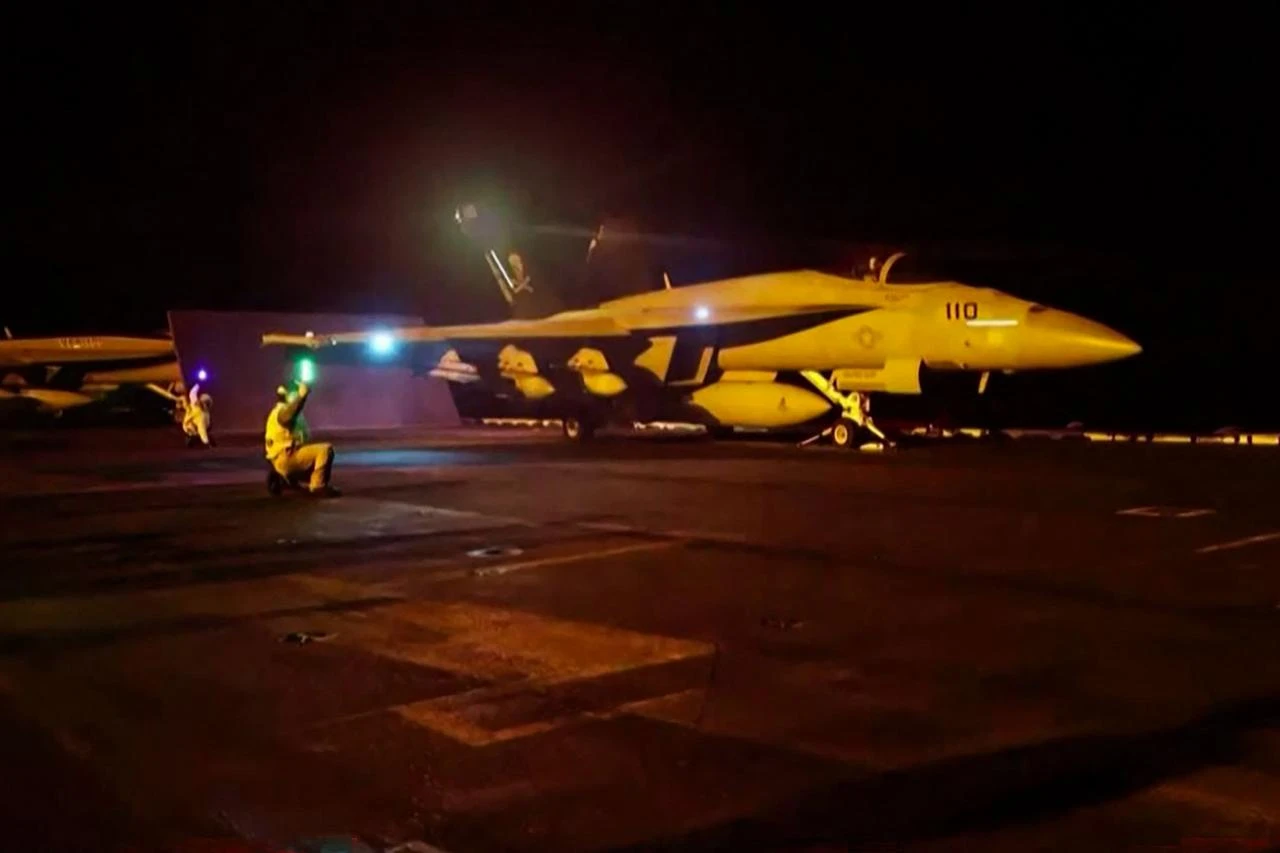
"The U.S. is planning for a wider war," one U.S. official familiar with internal administration discussions told the Post, adding that the Pentagon is increasing the number of military aircraft in the region.
But the same official, granted anonymity because they were not authorized to speak to the media, cautioned that any expansion of operations would be constrained by dwindling stockpiles of air-defense and long-range munitions, as well as limits on the military's ability to surge more troops and aircraft into the region because of battle damage.
"We do not have enough to safely sustain operations, and I don't think the White House is aware of that," the official said, according to the Post.
The Post reported that military experts have separately warned the U.S. is unprepared for potential ground operations inside Iran, an option Trump has declined to rule out.
"I think it would be a mistake to put ground forces anywhere in islands in the strait or onshore," Seth Jones, who heads the defense and security department at the Center for Strategic and International Studies (CSIS), told the Post.
"I don't think U.S. forces are prepared for standoff strikes from Iranians," he added.
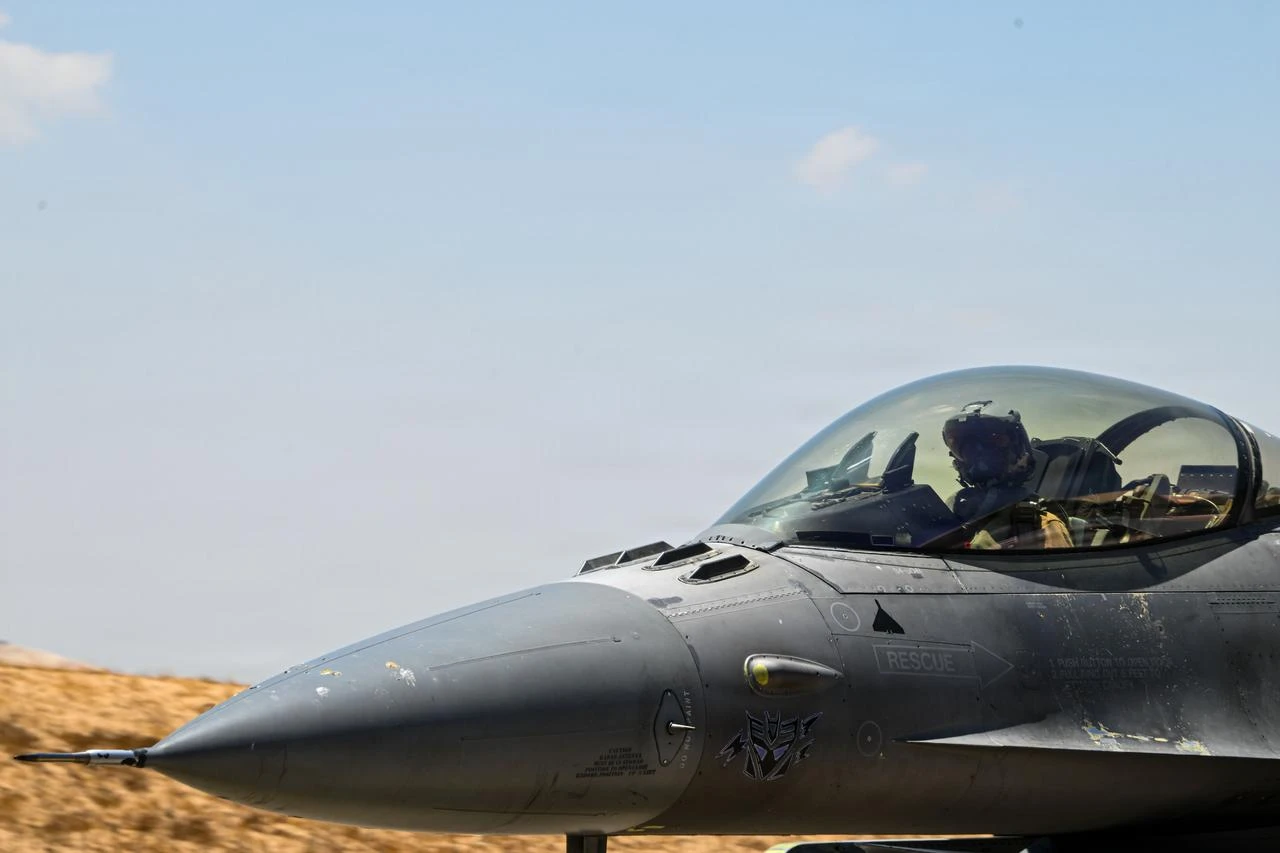

U.S. Central Command (CENTCOM) said Sunday that a U.S. service member is killed in action in northern Iraq during the "controlled detonation of unexploded ordnance" from a downed Iranian drone, and that another set of unidentified remains had been found at the site of the Friday attack on Muwaffaq Salti Air Base in Jordan, where two service members were killed earlier in the weekend.
That brought the confirmed number of American military fatalities since the war began on Feb. 28 to at least 17, possibly 18, with more than 430 wounded.
Trump said CENTCOM launched a new wave of strikes against Iran in response. "We hit them very hard again tonight, and we did that in honor of the ... great patriots" who were killed, he told reporters after landing at Joint Base Andrews following the World Cup final Sunday.
CENTCOM said the strikes targeted "Iranian military capabilities used to attack commercial vessels and civilian mariners transiting the Strait of Hormuz."
The anonymous U.S. official told the Post that American strikes on bridges and rail lines around Bandar Abbas last week were viewed by Iran as a significant escalation and prompted a broader Iranian response.
"They had less concern about inflicting mass casualties on the United States," the official said.
The Post reported that a soldier previously deployed to Muwaffaq Salti Air Base, speaking anonymously out of fear of retaliation, said many buildings there are containerized or metal structures and tents unable to withstand rocket, mortar or drone attacks, and that even hardened U.S. construction elsewhere in the region cannot withstand a direct ballistic missile hit.
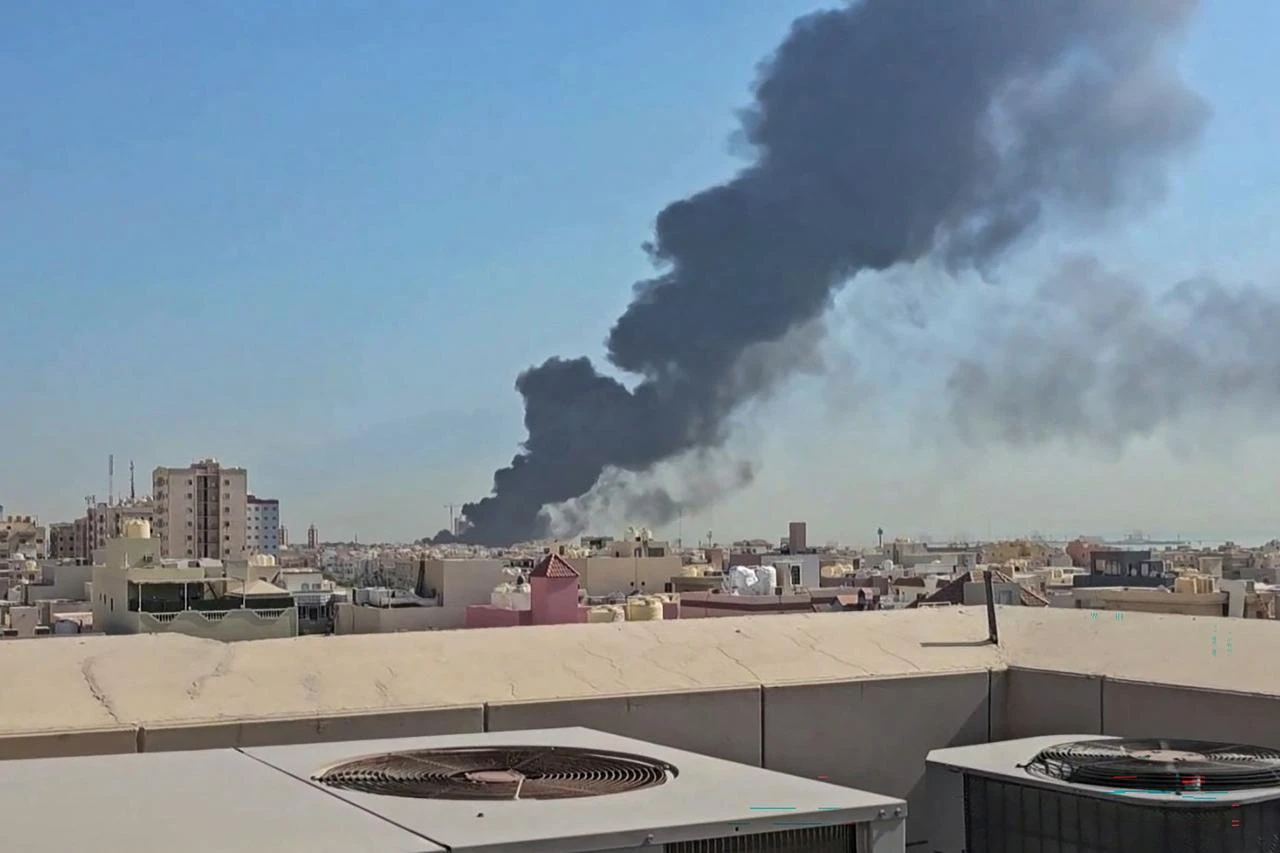
The soldier told the Post that a direct hit in early March had destroyed roughly half of a hardened barracks structure at Camp Arifjan in Kuwait, and that similar heavy damage had occurred at other U.S. facilities across the region.
"We're getting beat up across the board," the soldier said.
The Post reported that Friday's fatal Jordan attack was at least the second successful Iranian strike on that installation within a week, after a strike roughly a day earlier injured about 20 service members, some with shrapnel wounds, according to the anonymous official.
The Post said Jordan had also seen attacks in the past week on King Faisal Air Base, which injured several service members, and Prince Hassan Air Base, which damaged Black Hawk helicopters.
Pentagon has not held a news briefing on operations against Iran since May 5, according to the Post.
CENTCOM said it successfully completed a ninth consecutive night of strikes against Iran late Sunday, targeting "Iranian military command centers, air defense and coastal surveillance sites, maritime capabilities, missile and drone launch sites, and communications networks... to further diminish Iran's ability to attack commercial vessels and civilian mariners transiting the Strait of Hormuz."
CENTCOM added that it is "holding Iran accountable at the Commander in Chief's direction" and that its forces remain "highly vigilant, focused, lethal, and ready."


 Set as preferred source
 Set as preferred source


 1 min read
 1 min read