Newsletters


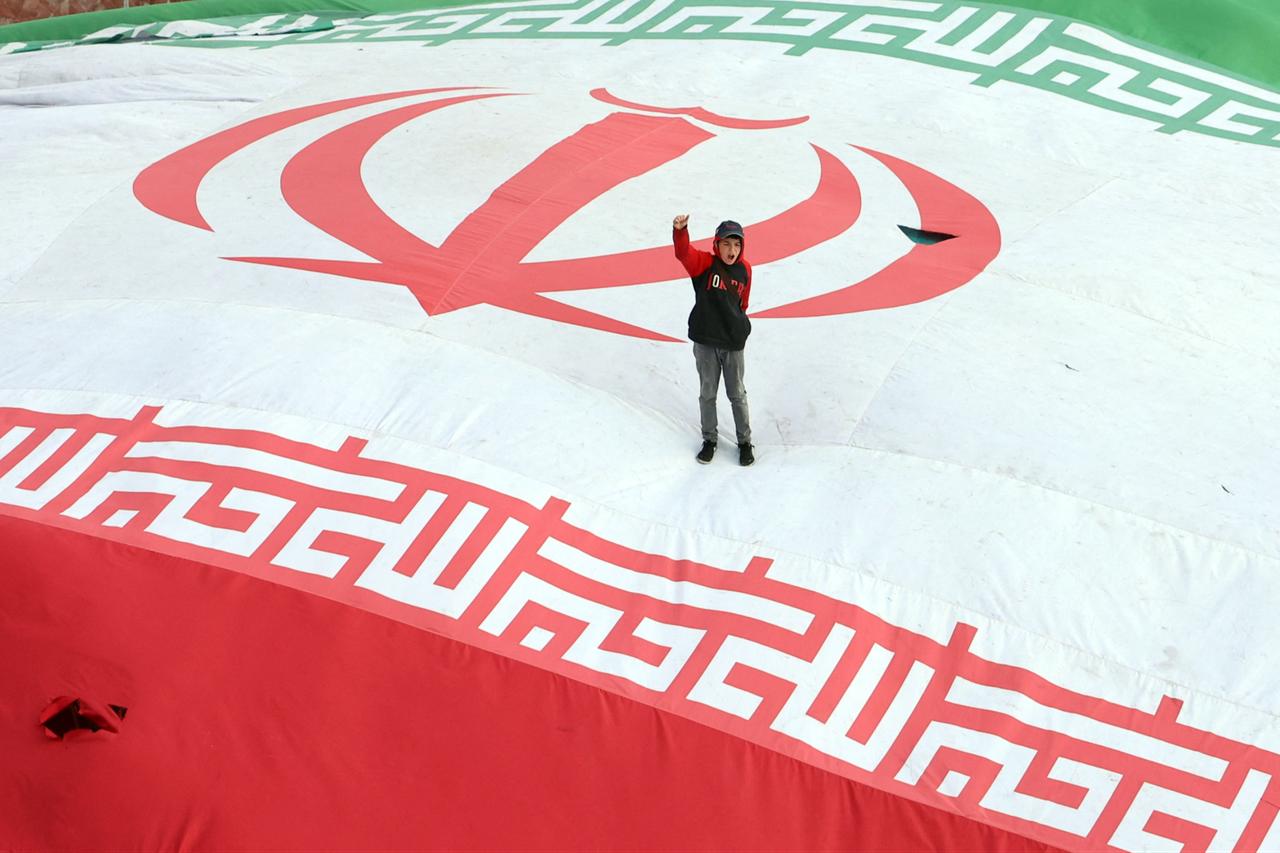


International relations experts say Iran's retaliatory strikes on U.S. bases across the Gulf have exposed the failure of America's security umbrella to protect its partners.
Speaking to Türkiye's state-run Anadolu Agency (AA) reporter, experts claimed that it may trigger a global reassessment of U.S.-centered alliances from the Persian Gulf to East Asia that could reshape the international security order long after the war ends.
"This is the beginning of the end, but it will ultimately end," said Trita Parsi, vice president of the Quincy Institute.
"After this war, when it becomes clear that U.S. bases did not provide security but instead became a source of insecurity for the Gulf countries, when it becomes understood that America's priority is actually Israel, and when it is seen that the U.S. withdrew all its soldiers and resources from these bases when it went to war with Iran, all of this truly calls into question the future utility and value of these bases," he added.
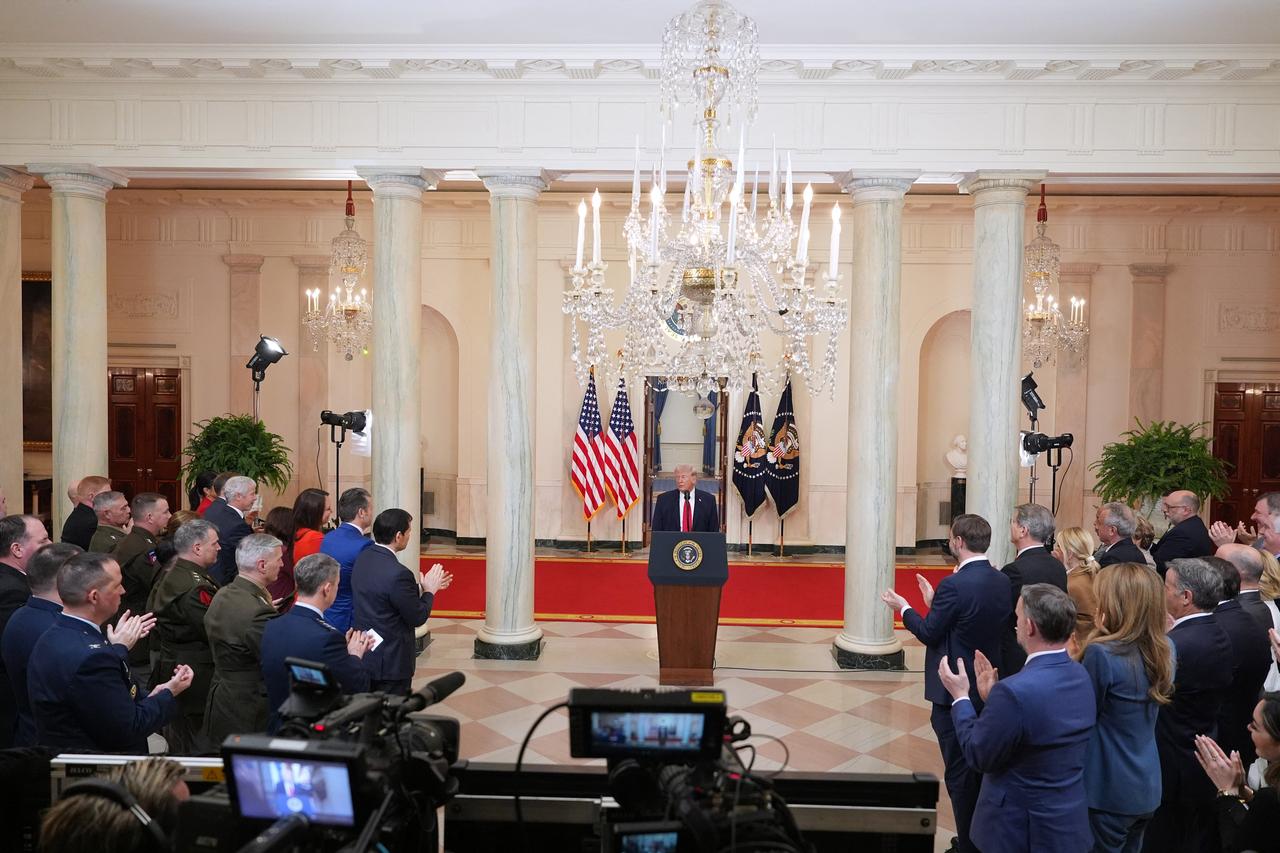

Dr. Kristian Coates Ulrichsen of Rice University's Baker Institute for Public Policy said the Iran war had deepened concerns that the "rules-based international order," already weakened by Israel's attacks on Gaza and Russia's war on Ukraine, was being further eroded.
"I think there are certainly those in the Gulf right now who see the U.S. as a source of instability and believe it has turned Gulf countries into targets," Ulrichsen said.
He said U.S. allies worldwide, including India, Japan and South Korea, all heavily dependent on Gulf energy flows, would reassess their partnerships.
"There will be a reassessment among U.S. allies and partners as to whether the U.S. is prioritizing the interests of these alliances, or whether a different course of action is needed to overcome the challenges created by the war," he said.
Ulrichsen noted that countries in South Korea, Japan and Southeast Asia were developing "a growing awareness that the norms that have held the world together since the end of World War II are being so fundamentally undermined by the very country that upheld this post-1945 architecture."
He said "mini-lateral" initiatives, smaller multilateral groupings such as Egypt, Pakistan and Türkiye working with Gulf states, or India aligning with the UAE, could become more important in the short term as the future of the United Nations system is reevaluated.
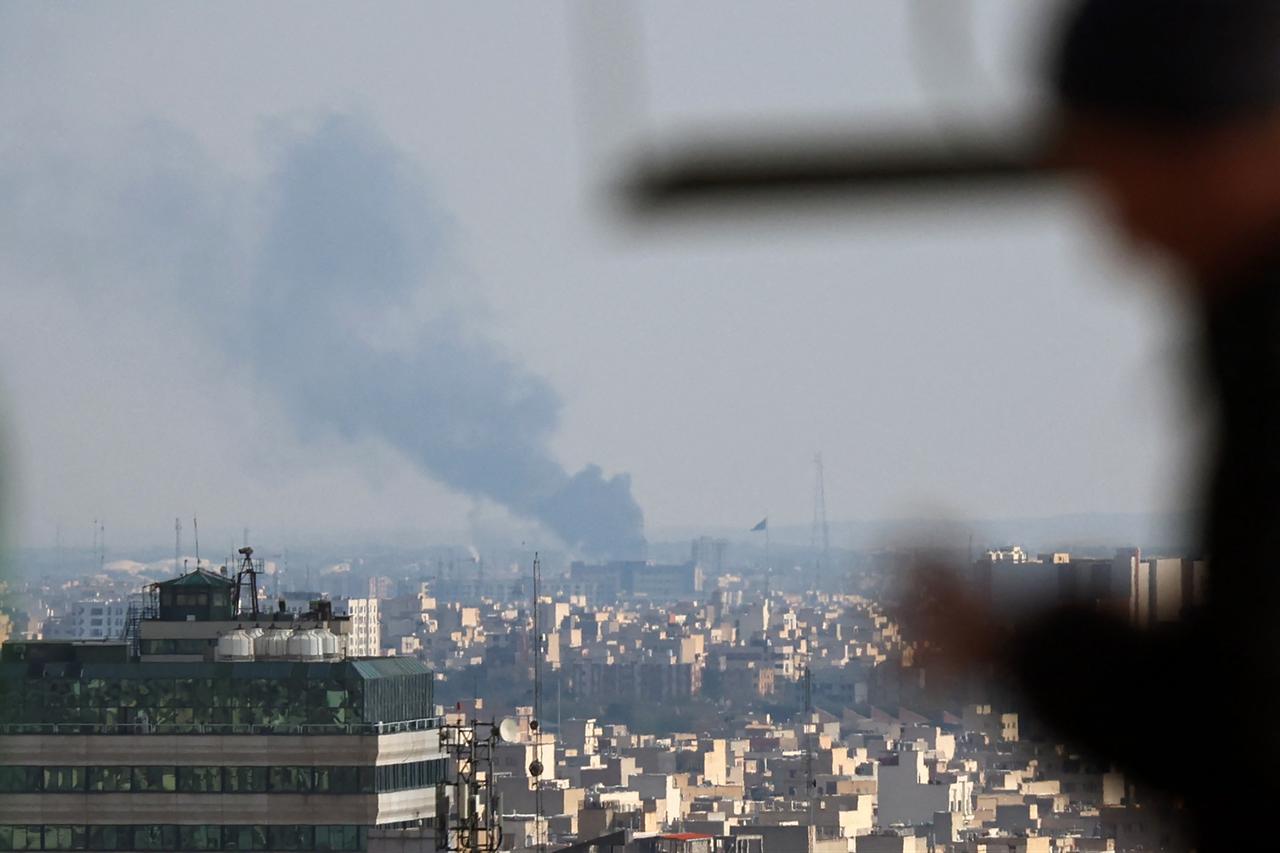
Professor Arshin Adib-Moghaddam of the University of London's School of Oriental and African Studies said the global order was evolving into what he described as a "poleless" structure.
"Alliances will be increasingly strained, and collective alliances like NATO are no longer in a position to either successfully sustain imperial wars or effectively contain other actors like Russia and China," Adib-Moghaddam said.
"Trump will be remembered, among his many failures, for destroying trust in the NATO alliance," he added.
He said the Trump administration's support for what he described as Israel's actions in Palestine, combined with war and destruction, had signaled to traditional allies like Japan and South Korea that "the U.S. will not be a reliable partner in the long term."
"Once again, the Trump administration has triggered insecurity in every country it is allied with," Adib-Moghaddam said.
He assessed that Türkiye would play a vital role in emerging processes due to its geopolitical position and historical weight in the Muslim world.
Parsi added that Asian nations also needed to recalibrate. "I don't think the U.S. will leave the Pacific anytime soon, but it is clear that the rest of the world cannot blindly trust American security," he said. "The U.S. no longer has the capacity to play this role."


 Set as preferred source
 Set as preferred source


 3 min read