Newsletters


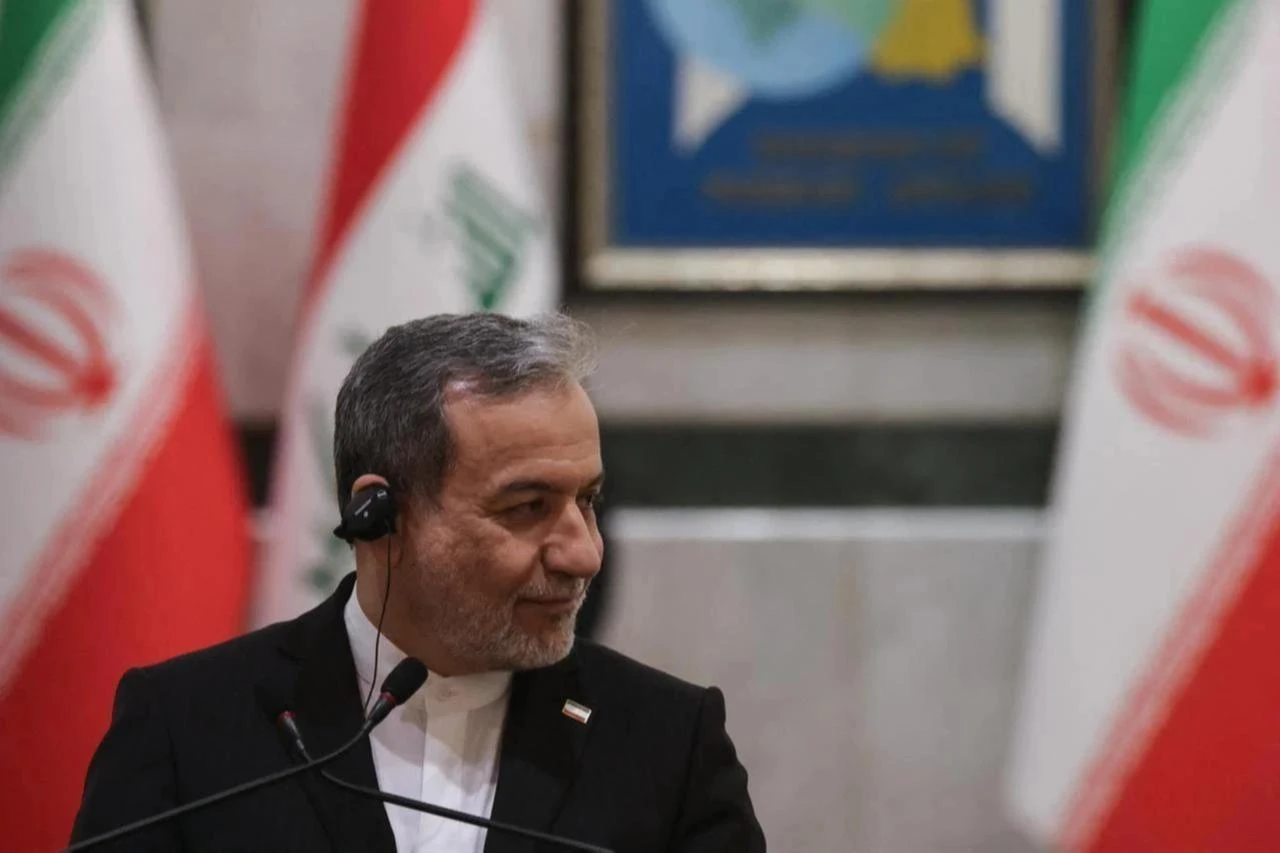


Iran's Foreign Ministry issued a sweeping rebuke of United States military conduct on Saturday, warning regional governments against allowing their territory or facilities to be used for attacks on Iran and accusing Washington of systematically dismantling a June ceasefire agreement that had briefly halted months of open conflict between the two countries.
In a formal statement, the ministry accused the US of maintaining a naval blockade on Iranian ports and commercial shipping, conducting strikes on targets across Iranian territory, intensifying economic pressure and issuing what it described as unlawful threats, all in violation of the memorandum signed on June 18 to end hostilities.
Tehran said it would continue to exercise its "inherent right to self-defense" against what it characterized as ongoing US-Israeli aggression.
The ministry argued that the continued naval blockade constitutes an act of aggression under the UN General Assembly's 1974 Definition of Aggression resolution, and that the blockade, combined with strikes on military and civilian infrastructure and attacks on Iranian citizens inside and outside the country, including in Iraq, violated Article 2(4) of the UN Charter.
It further argued that US conduct over the past 15 months met the threshold of a threat to international peace and security under Article 39 of the same charter.
The statement also leveled criticism at the UN Security Council for failing to take effective action, drawing a parallel with what Tehran described as the council's inadequate response during the 1980-1988 Iran-Iraq war.
UN Secretary-General Antonio Guterres was also criticized for issuing only "ambiguous" statements in response to the conflict.
The ministry rejected Washington's stated rationale for military operations, which had included preventing Iran from obtaining a nuclear weapon, the existence of an imminent Iranian threat, and the preemptive defense of Israel.
The real motive, it said, was Iran's insistence on preserving its independence and national sovereignty.
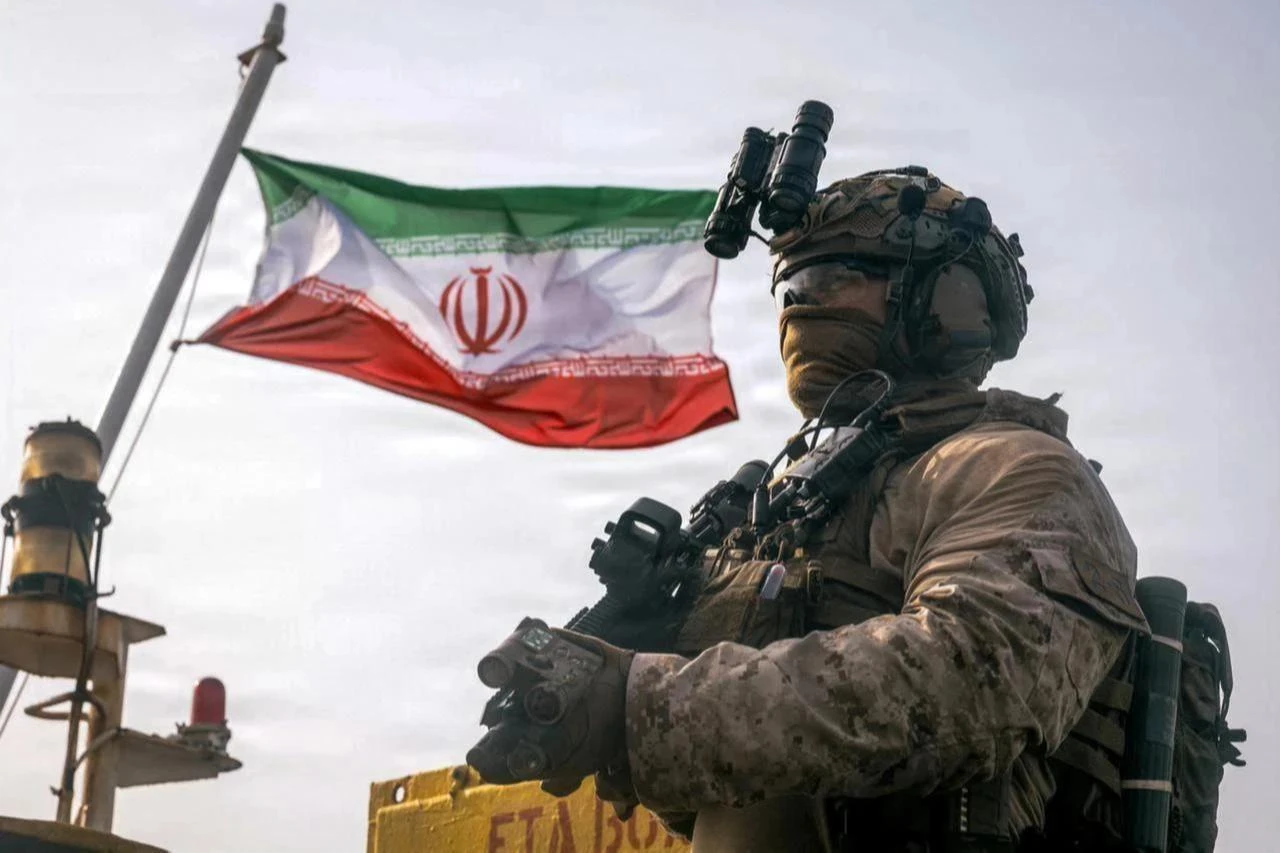

According to the ministry, the most recent wave of US military action against Iran began on July 8, during funeral ceremonies for Iran's late supreme leader.
Tehran said the strikes followed what it described as alleged incidents involving three commercial vessels transiting the southern shipping route through the Strait of Hormuz, a narrow waterway through which roughly a fifth of the world's seaborne oil trade passes.
The ministry rejected US justifications outright, saying no evidence had been presented linking Iran to any incidents involving the three ships.
It accused Washington of using those incidents as a pretext to abandon the war-ending memorandum, revoke licenses permitting Iranian oil exports and restore the naval blockade.
Iran alleged that the vessels had been deliberately routed through what it called an unauthorized and unsafe southern corridor, despite provisions in the June 18 memorandum assigning future administration of the strait to Iran.
The ministry added that Iranian forces had observed multiple instances between June 26 and July 8 in which US naval vessels sailed alongside large oil and liquefied natural gas tankers, and accused the US military of using commercial ships to transport military personnel, equipment and weapons.
It said a US Central Command warship transited the southern route alongside a large LNG carrier on July 8, describing the maneuver as dangerous to commercial navigation and as evidence that Washington intended to exploit the memorandum to prepare hostile action against Iran.
Despite the confrontational tone of the statement, the ministry emphasized that Iran holds no hostility toward its neighbors and seeks relations with Gulf states grounded in mutual respect and good neighborliness.
The warning, however, was explicit: any government that allows US or Israeli forces to launch attacks from its soil bears what Tehran described as legal, religious and moral responsibility for those actions.
Citing the UN definition of aggression, the ministry argued that Iranian retaliatory strikes against the origins of US attacks should not be characterized as attacks on the countries from which those strikes were launched, a formulation apparently aimed at giving Tehran legal and political cover for any cross-border responses.
The statement closed by casting the conflict in broad terms, describing Iran's position as a defense not only of its own sovereignty but of international law and what it called shared humanitarian values, against what the ministry characterized as a US-Israeli coalition.


 Set as preferred source
 Set as preferred source


 1 min read
 1 min read