Newsletters


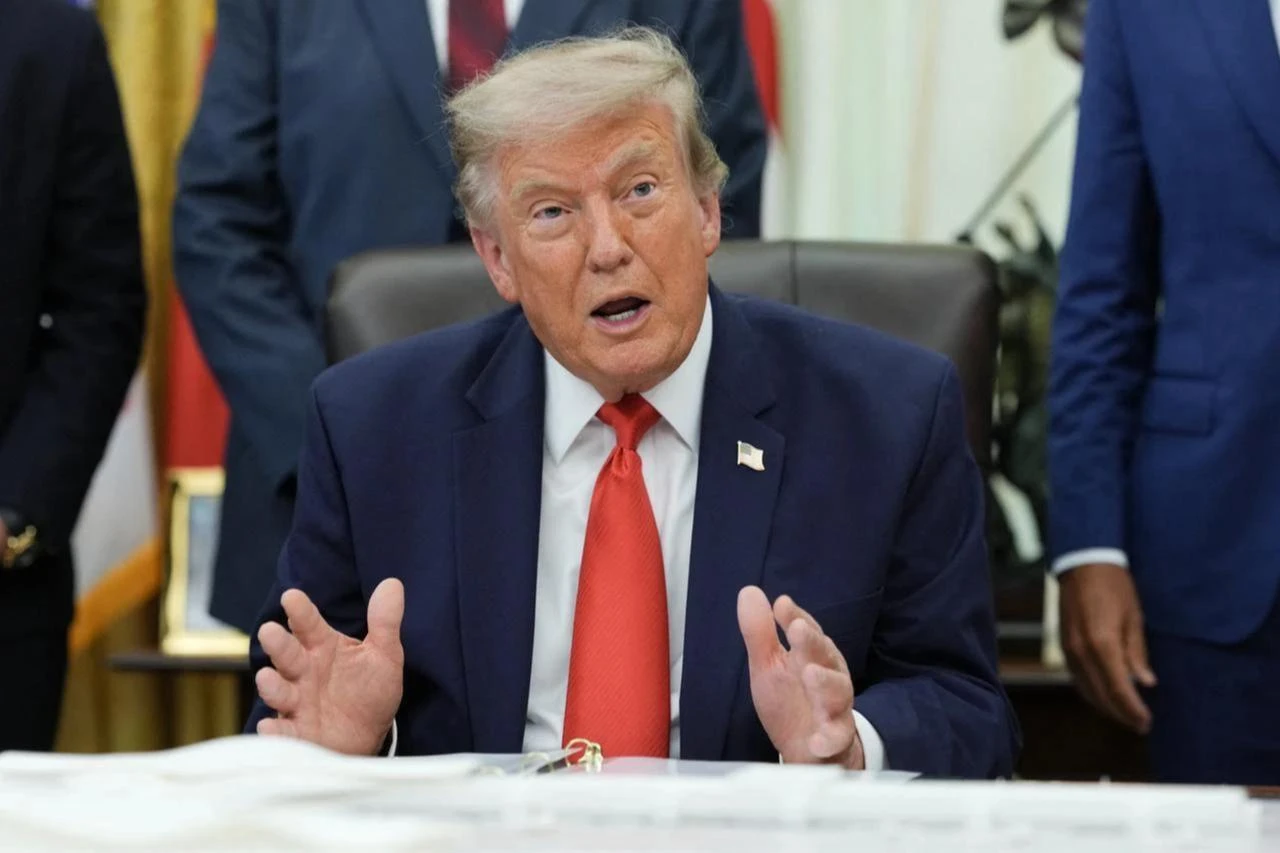


U.S. Secretary of State Marco Rubio declared this week that Iran is confronting a fundamentally different kind of American president in Donald Trump, warning that Tehran can no longer count on escaping consequences for what the administration describes as decades of deception.
Speaking in a Fox News interview, Rubio said the Iranian regime has grown accustomed, over the past two to three decades, to a permissive international environment in which it could lie, break deals and trick partners into agreements without facing serious repercussions. That era, he suggested, is over.
"I don't think the Iranian regime has ever faced a president like President Trump, which is someone that actually takes action," Rubio said.
The White House has signaled that Iran will continue to pay a price until it returns to negotiations in what Trump considers a meaningful way, following allegations that Tehran attacked commercial shipping and U.S. forces after signing a memorandum of understanding with the United States.
Fox News panelists noted the administration appears increasingly skeptical that Iran will negotiate in good faith as Trump weighs further military action.
On the conflict in Ukraine, Rubio offered a measured but cautious signal of diplomatic movement, saying efforts would be made over the next several weeks to determine whether talks between Kyiv and Moscow could be restarted.
He cautioned, however, that both sides hold firm red lines that remain far apart, and that substantive progress would require those positions to converge.
"Until we can bring those red lines a little closer together, we are not going to be there yet," he said.
Addressing the increasingly tense relationship between Washington and Beijing, Rubio struck a notably stark tone, saying that any conflict between the two powers, whether economic or military, would be catastrophic for both countries and for the world.
"We have to manage that, but we can't walk away and forfeit our national interests," he said, describing the challenge as the difficult, necessary work of foreign policy. The comments reflect a broader tension in U.S. policy toward China, which simultaneously pursues economic competition, military deterrence and diplomatic engagement.
Rubio's remarks collectively sketch an administration that presents itself as more willing than its predecessors to apply pressure across multiple fronts simultaneously, from the Middle East to Eastern Europe to the Indo-Pacific.
The secretary's framing of Trump as a president who "actually takes action" underscores a deliberate effort to project resolve, particularly toward adversaries who may have calculated that American warnings carry limited weight.


 Set as preferred source
 Set as preferred source


 1 min read
 1 min read