Newsletters


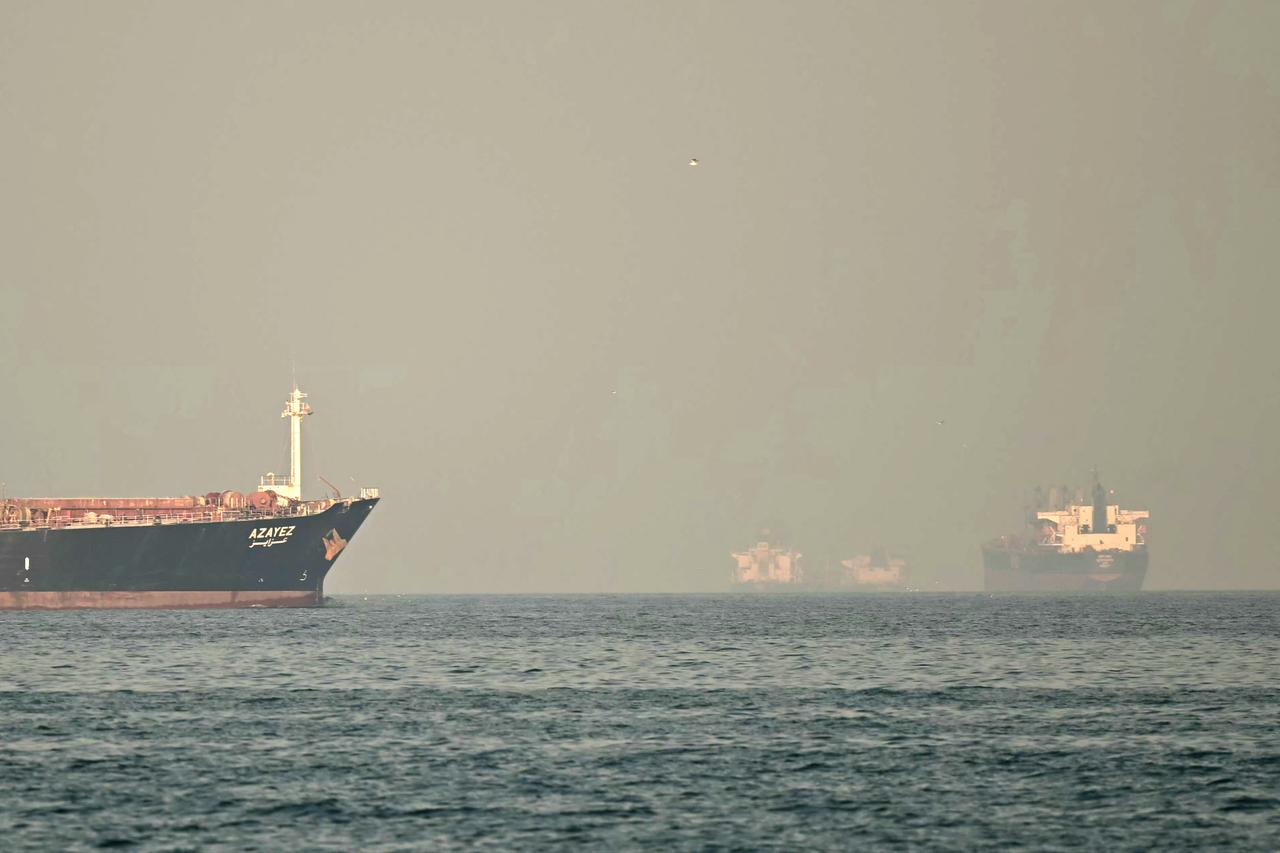


Iran's Revolutionary Guard (IRGC) is broadcasting warnings to vessels that passage through the Strait of Hormuz is "not allowed," an official from the European Union's Aspides naval mission told Reuters on Saturday, Feb. 28, raising the specter of a blockade of the world's most vital oil transit chokepoint amid the joint U.S.-Israeli military campaign.
"Vessels have been receiving VHF transmission from Iran's Revolutionary Guards saying 'no ship is allowed to pass the Strait of Hormuz,'" the EU naval official said, speaking on condition of anonymity.
The official said Iran had not formally confirmed any such order.
The UK Maritime Trade Operations (UKMTO) says it has received multiple reports from vessels in the Arabian Gulf indicating they were informed about the closure of the Strait of Hormuz.
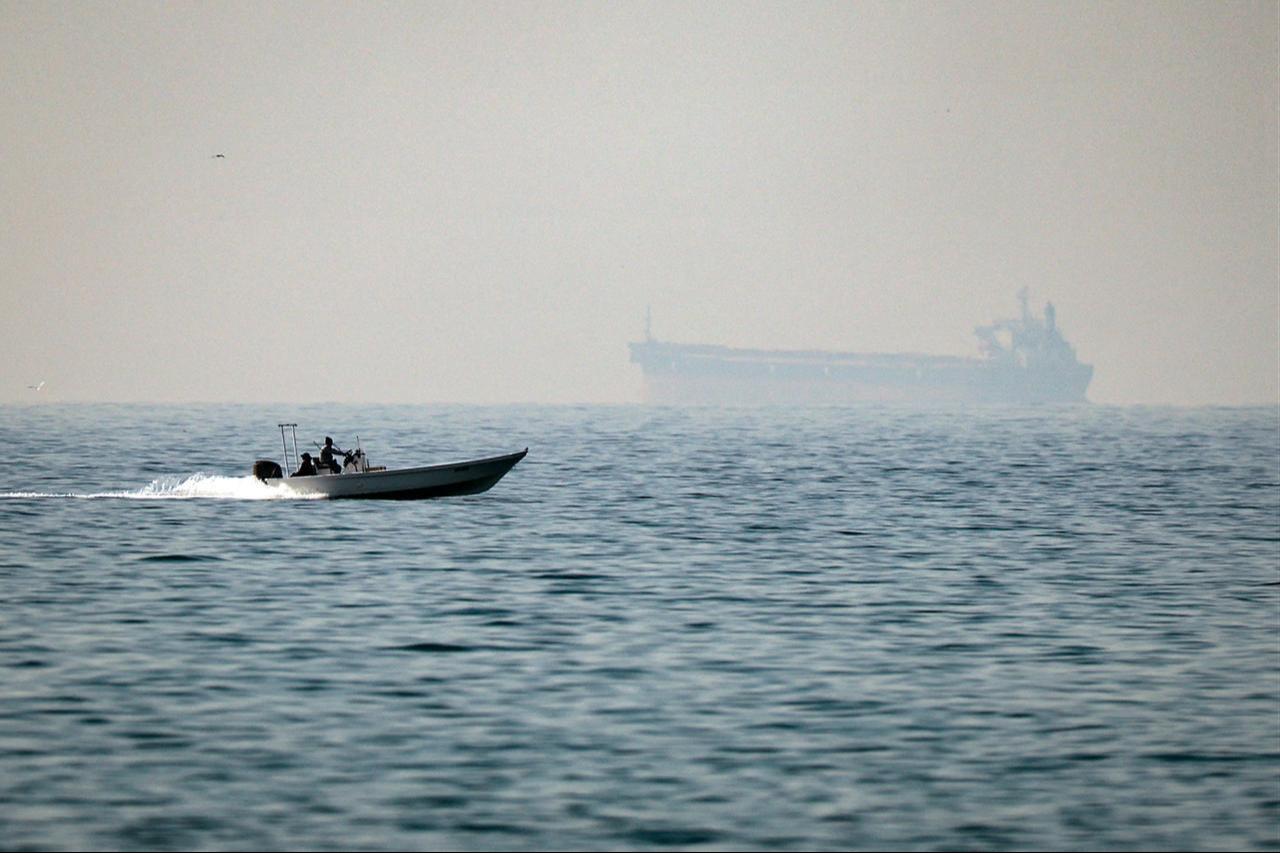

The Strait of Hormuz connects the oil-rich Persian Gulf with the Gulf of Oman and the Arabian Sea, serving as the primary export route for the biggest Gulf oil producers including Saudi Arabia, Iran, Iraq and the UAE.
About one-fifth of global oil and petroleum product consumption flows through the strait, averaging 20 million barrels per day in 2024, according to the U.S. Energy Information Administration. Around one-fifth of the global liquefied natural gas trade also transited the waterway in 2024, primarily from Qatar.
"Large volumes of oil flow through the strait, and very few alternative options exist to move oil out of the strait if it is closed," the EIA has warned.
Saudi Arabia and the UAE have infrastructure to partially bypass the strait, but their combined transit capacity is limited to around 2.6 million barrels per day, a fraction of the daily flow.
More than 80% of oil and gas moving through the strait is destined for Asian markets.
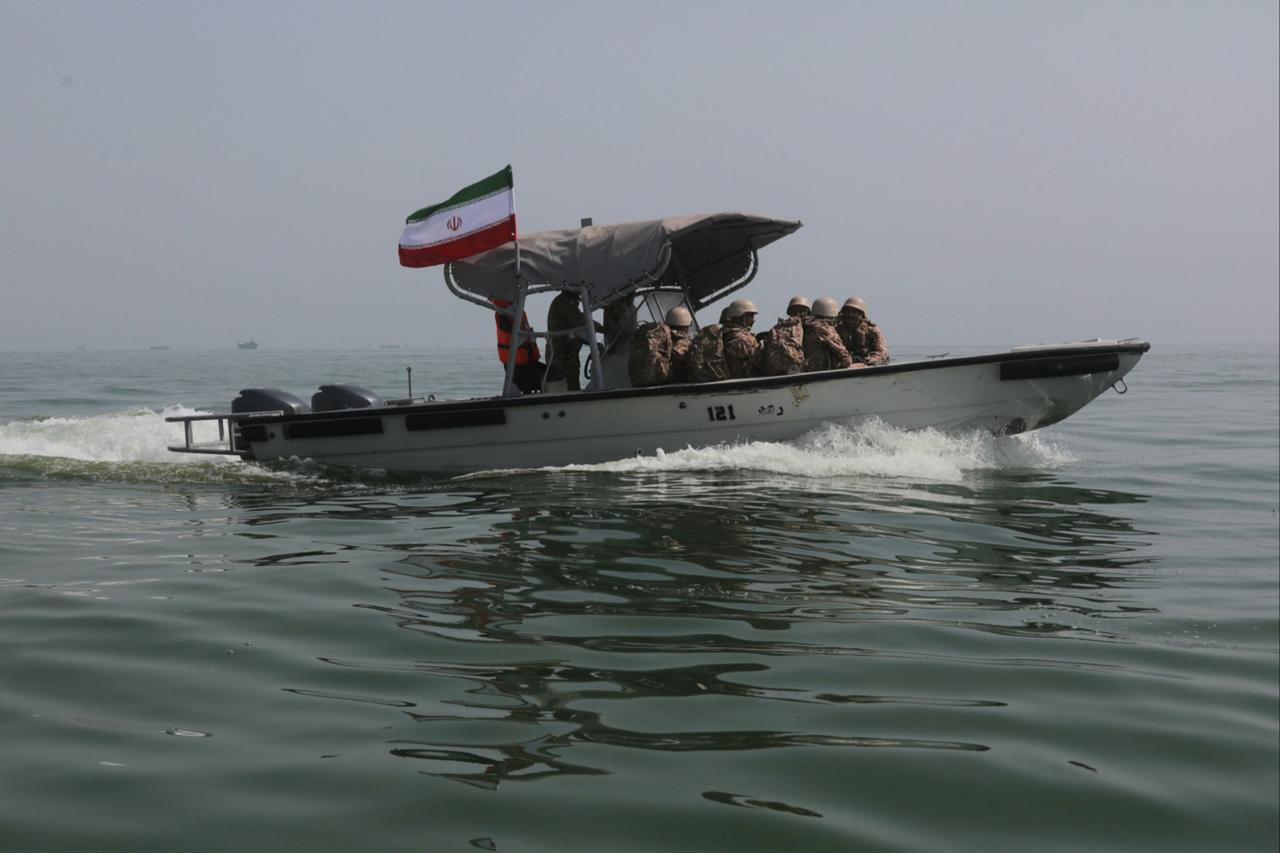
Iran has for years threatened to block the narrow waterway in retaliation for any attack.
A senior Revolutionary Guard naval commander in late January again threatened closure in the event of a strike, before Trump launched military action on Saturday.
The strait is approximately 50 kilometers (30 miles) wide at its narrowest point, with waters no deeper than 60 meters (200 feet), making it vulnerable to military blockade. Iran controls the northern shore and several strategically positioned islands including Hormuz, Qeshm and Larak.
Despite frequent warnings, Tehran had never acted on its closure threats, though it closed part of the strait briefly for "safety reasons" during recent military drills.
A full blockade would represent an unprecedented escalation with massive global economic consequences, potentially disrupting energy supplies to China, which buys more than 90% of Iran's oil exports, and markets across Asia, Europe and North America.


 Set as preferred source
 Set as preferred source


 3 min read