Newsletters




Iranian President Masoud Pezeshkian warned Sunday that Iran would be "forced to respond" to any attacks launched from the territory of neighboring countries, even as he stressed Tehran sought good relations with its regional partners, in an address to the nation as the war entered its ninth day.
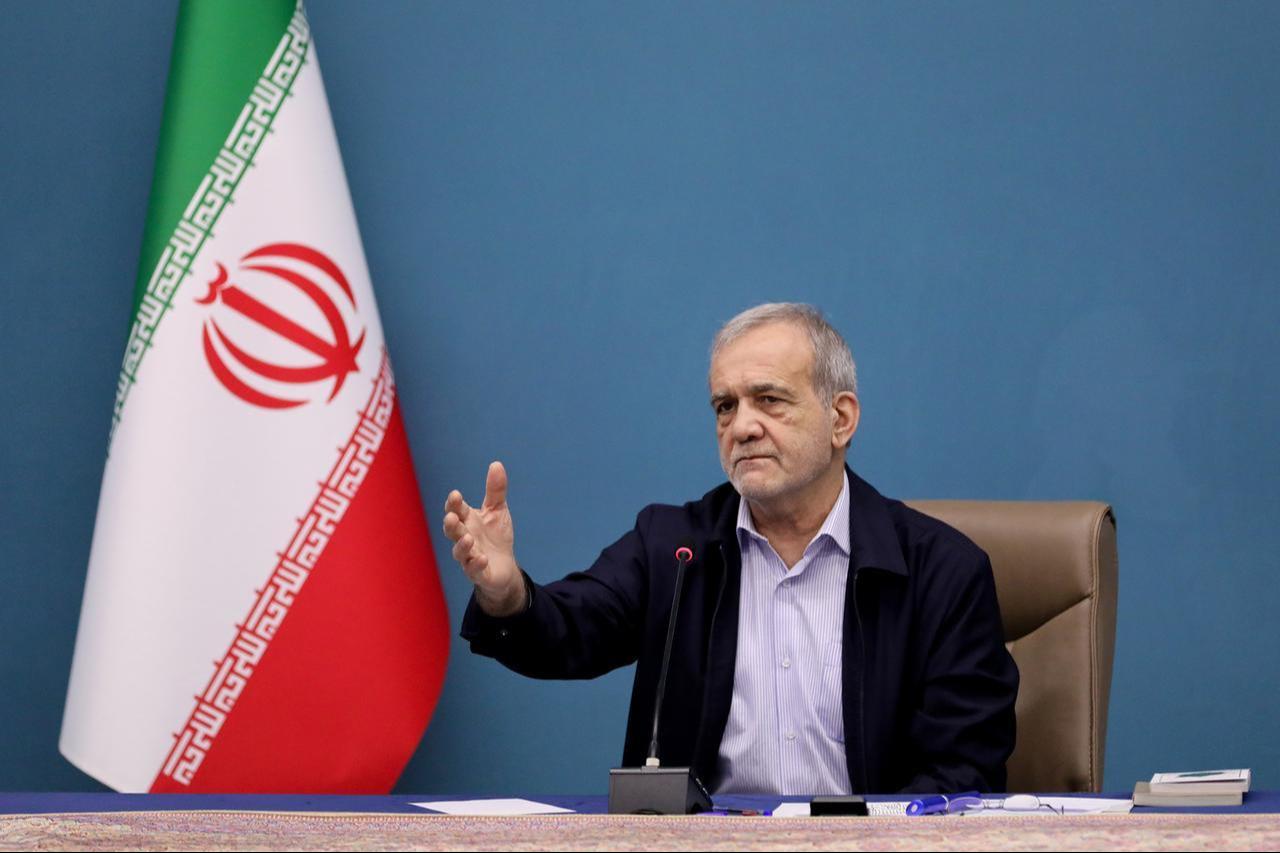

"If they want to attack and invade our soil from any country, we are forced to respond to this attack, and this response does not mean that we have a dispute with that country or want to upset its people," Pezeshkian said in comments carried by Iranian state media.
He reiterated that Iran wanted good relations with its neighbors.
"We are friends with regional countries, and they are our brothers. We must work hand in hand and not allow America and Israel to deceive regional countries into standing against each other," Pezeshkian said.
He accused Israel and the United States of trying to create divisions between Iran and its neighbors, saying any differences should be resolved internally. "If there are disagreements, we should resolve them among ourselves," he said.
Pezeshkian called on all Iranians to unite and take to the streets in "defense of the country."
"People should come out with unity and solidarity, not just one group or faction. Everyone should come out because we want to defend the water and soil of our country," he said.
"With the presence of all its people, Iran will not allow the enemy to seize a single inch of its soil," he added, saying the armed forces and Basij forces were present across the country and would defend the nation "with all their being."
He also challenged the United States and Israel over civilian casualties. "Are America and Israel not ashamed of killing this many children? Are they not ashamed of killing over 50,000 children in Gaza?" Pezeshkian concluded.
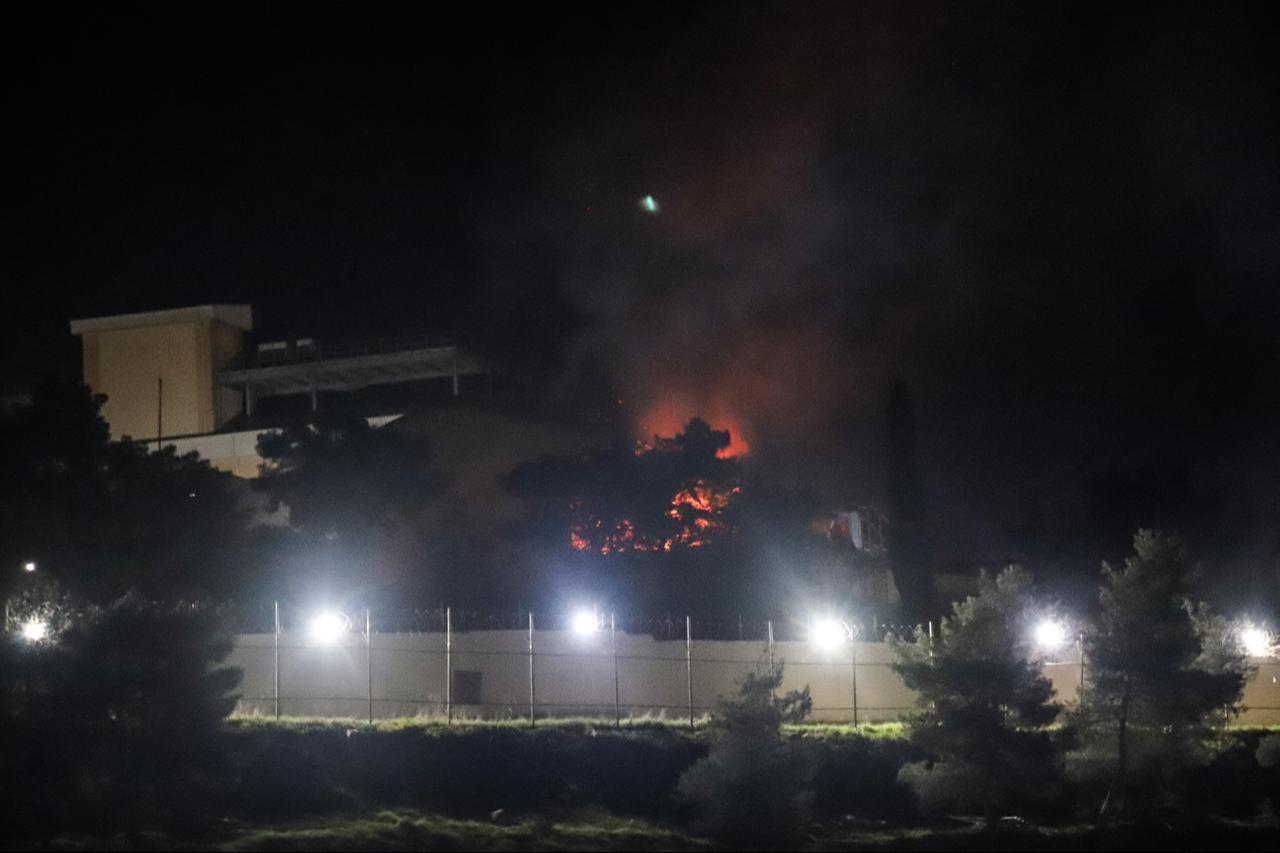
The IRGC said Sunday that Iran's armed forces could fight an intense war against the United States and Israel for at least six months at the current pace of operations.
"The Armed Forces of the Islamic Republic of Iran are capable of continuing at least a six-month intense war at the current pace of operations," IRGC spokesperson Ali Mohammad Naeini said, according to the Fars news agency.
Naeni said Iran had largely preserved its defense capacity.
The claims directly contradicted statements by U.S. Secretary of War Pete Hegseth, who stated that "Iran is toast," and U.S. President Donald Trump, who told reporters Iran was "running out of launchers."
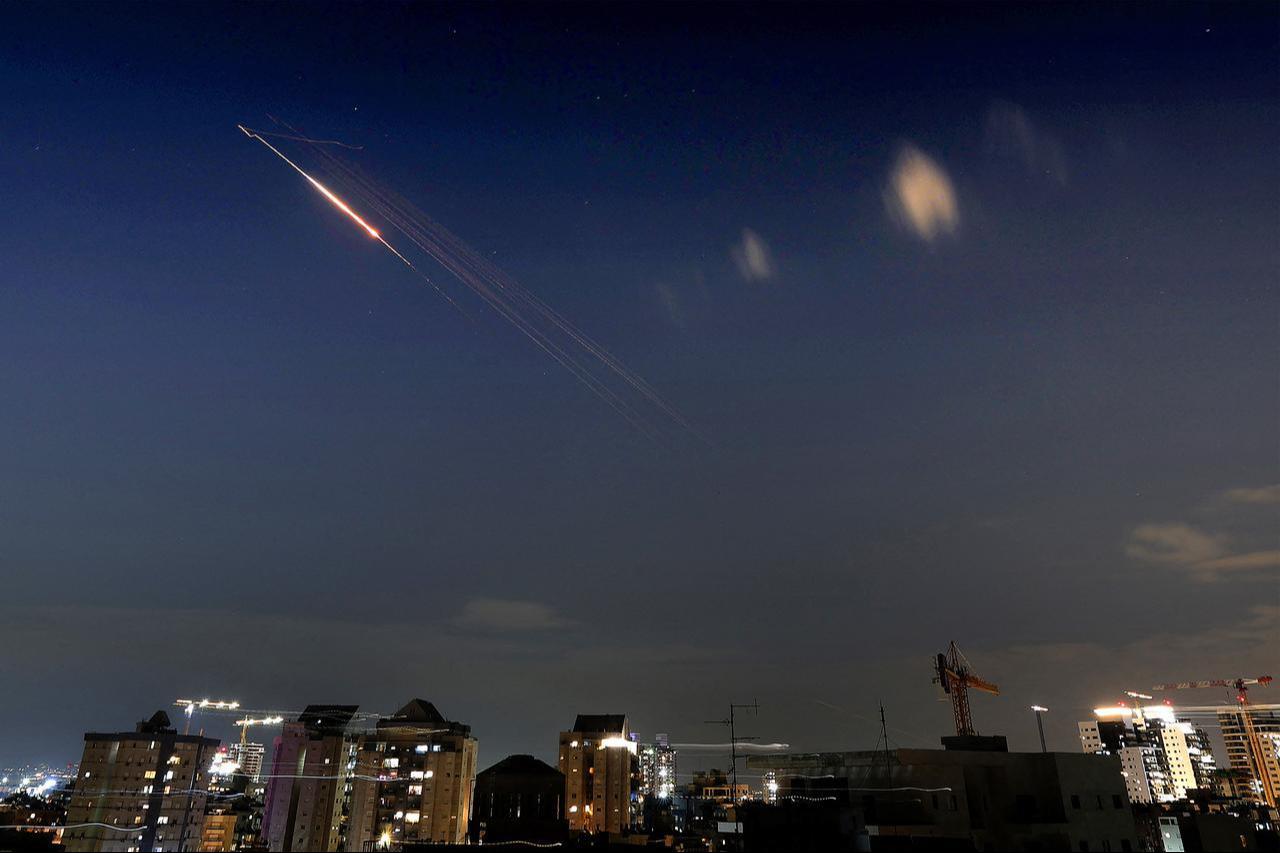
Iran launched fresh barrages over the weekend.
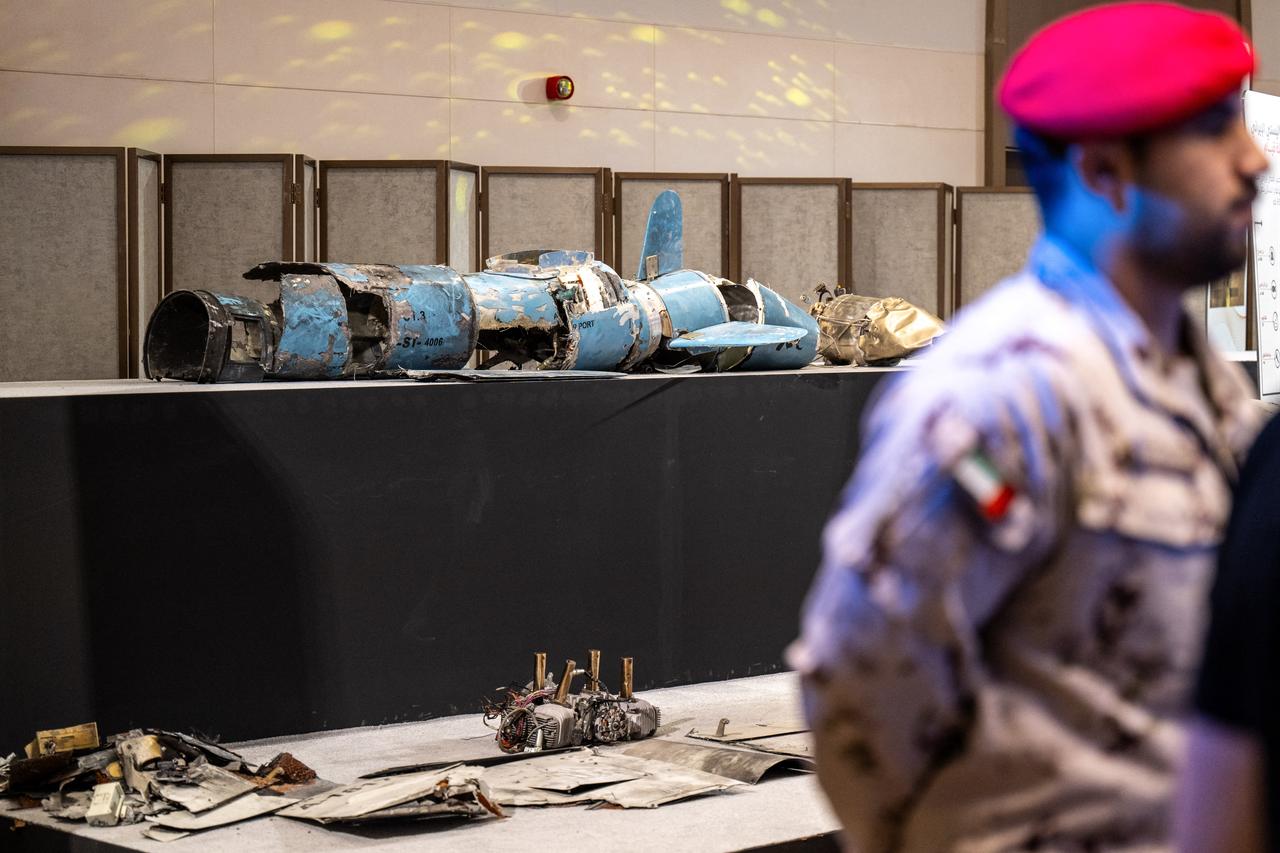
Kuwait's military said it was intercepting "hostile missile and drone attacks" after Iranian drones targeted fuel tanks at Kuwait International Airport.
UAE authorities said air defenses were responding to attacks.
Saudi Arabia intercepted a drone attack targeting the diplomatic quarter in Riyadh, reporting no casualties.
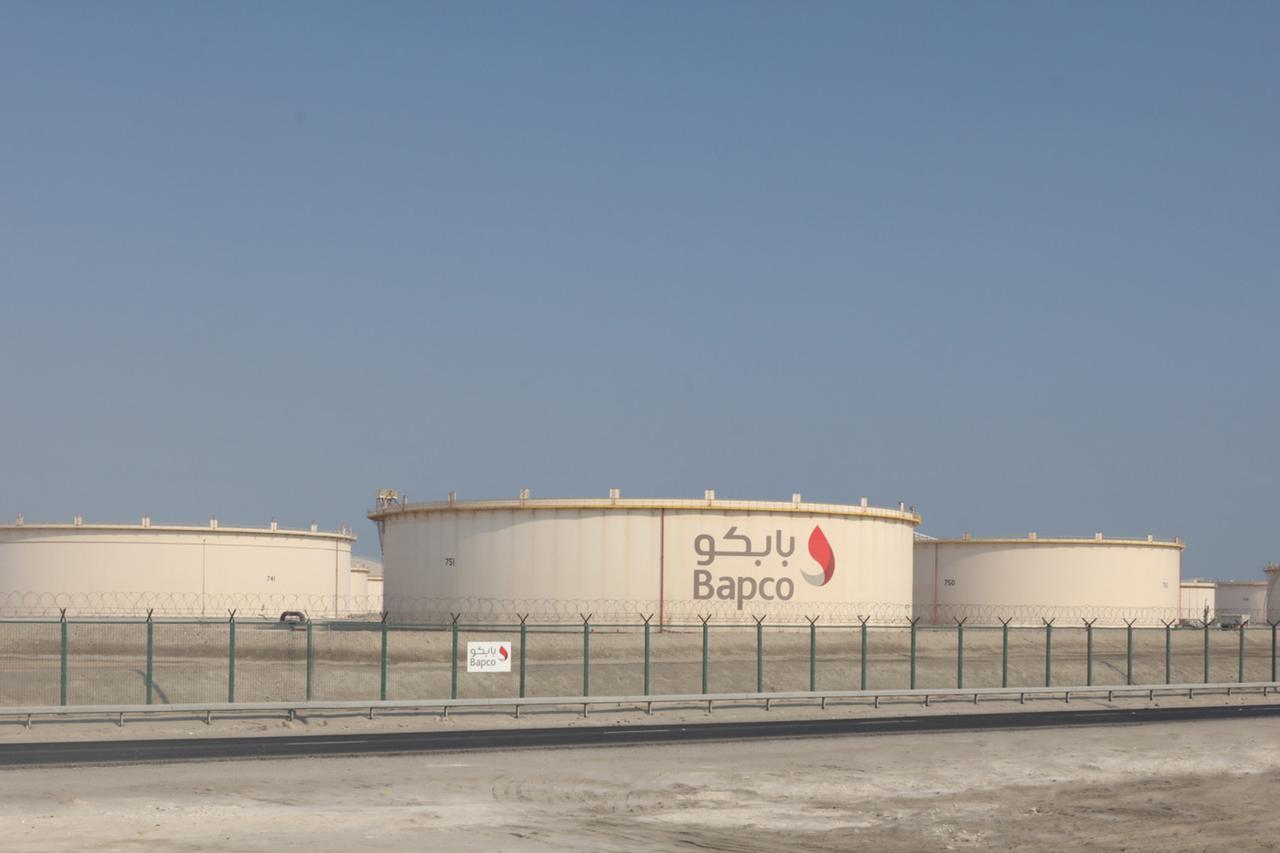
Kuwait's national oil company announced a precautionary reduction in crude oil production due to Iranian attacks and threats to the Strait of Hormuz.
Israeli Prime Minister Benjamin Netanyahu said Israel would continue its war with Iran "with all our force" as part of "a systematic plan to eradicate the Iranian regime."
He said U.S. and Israeli air strikes had secured "almost complete control of the airspace" over Tehran.
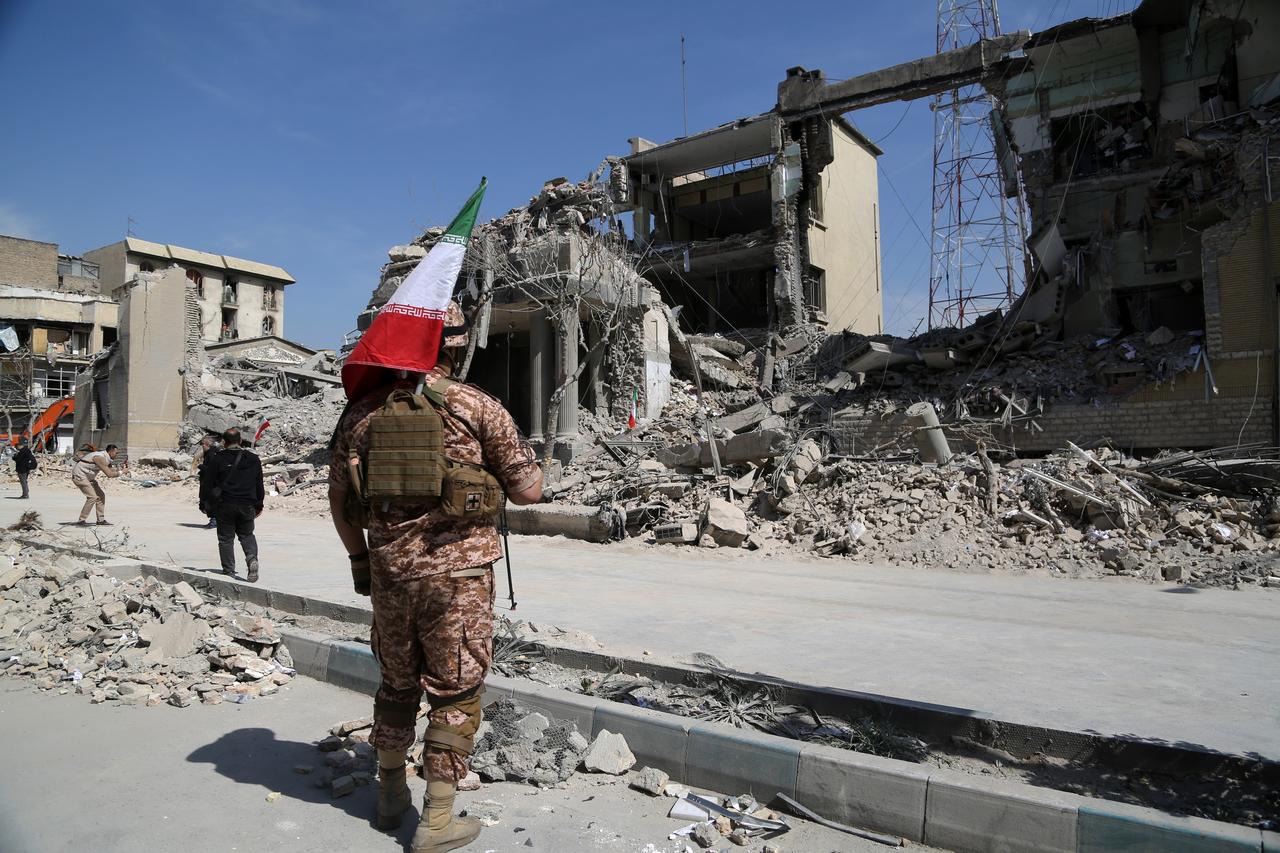
Israel's military said it had carried out around 3,400 strikes on Iran since the war began Feb. 28, launching a new wave on Sunday targeting "military infrastructure" across the country.
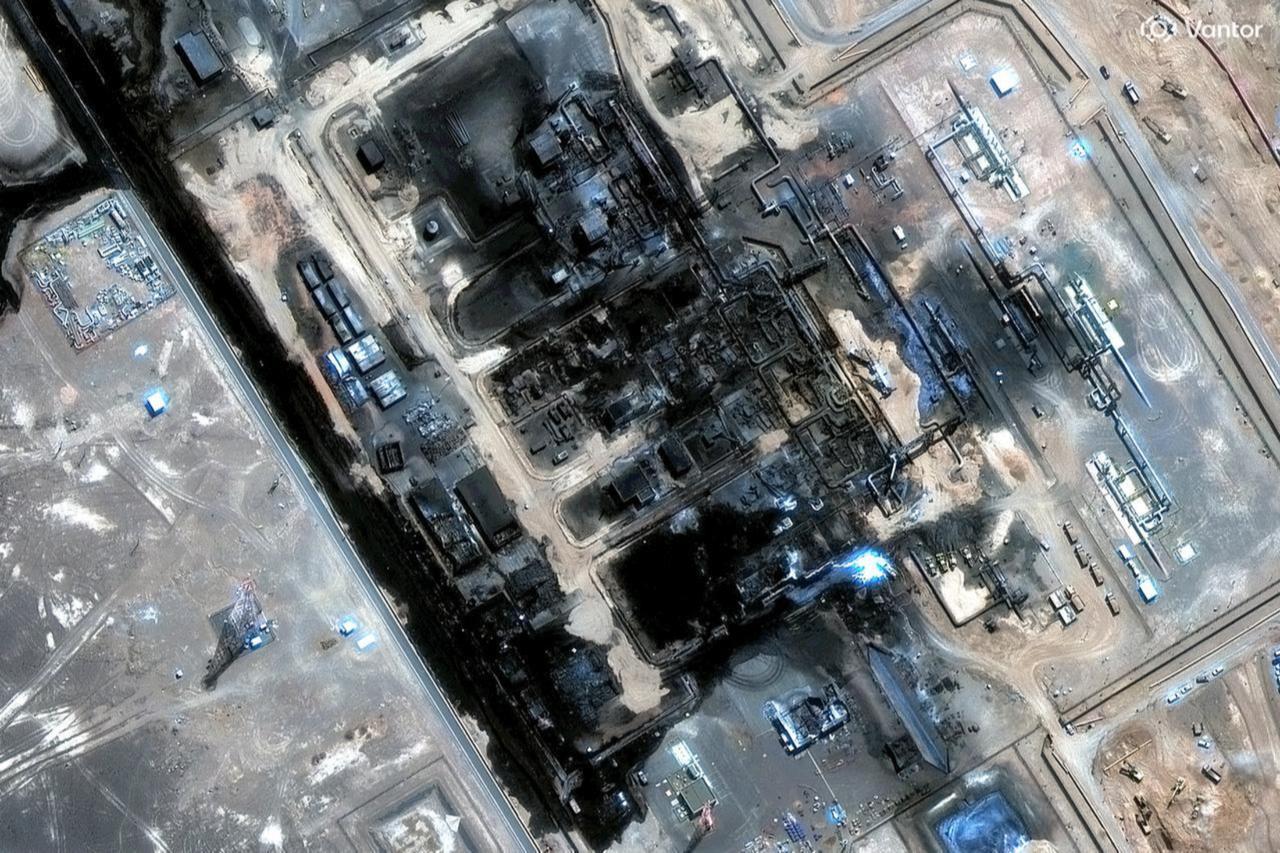
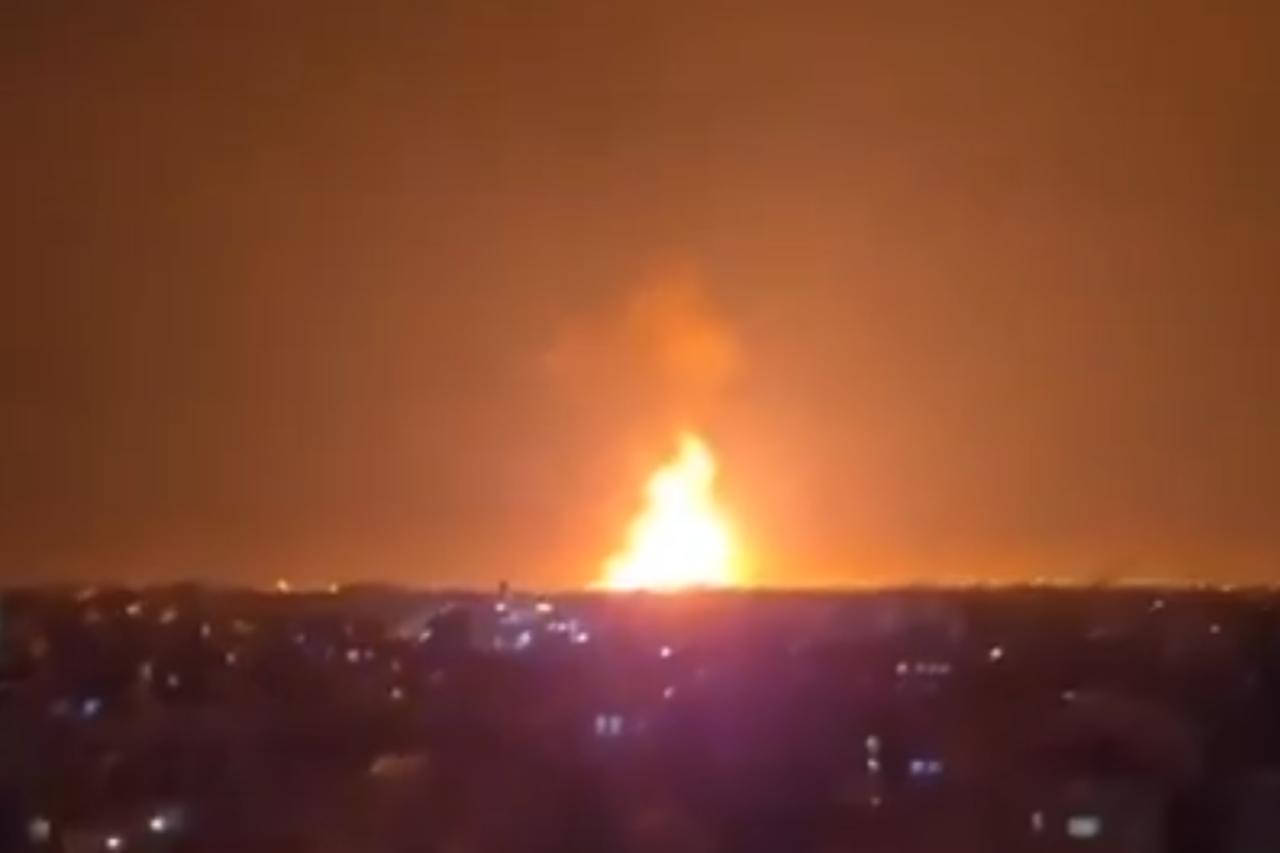
U.S. and Israeli strikes hit an oil depot in Tehran, the first reported attack on Iran's oil infrastructure, Iranian state media said.
Israel said it struck fuel storage facilities in Tehran used "to operate military infrastructure."
The United States and Israel launched large-scale strikes against Iran on Feb. 28, killing Supreme Leader Ali Khamenei, over 150 schoolgirls, and over 1,000 people in total, according to Iranian and international figures.
Iran has retaliated with sweeping barrages targeting U.S. bases, diplomatic facilities, and military personnel across the region, as well as multiple Israeli cities.


 Set as preferred source
 Set as preferred source


 1 min read

 1 min read