Newsletters


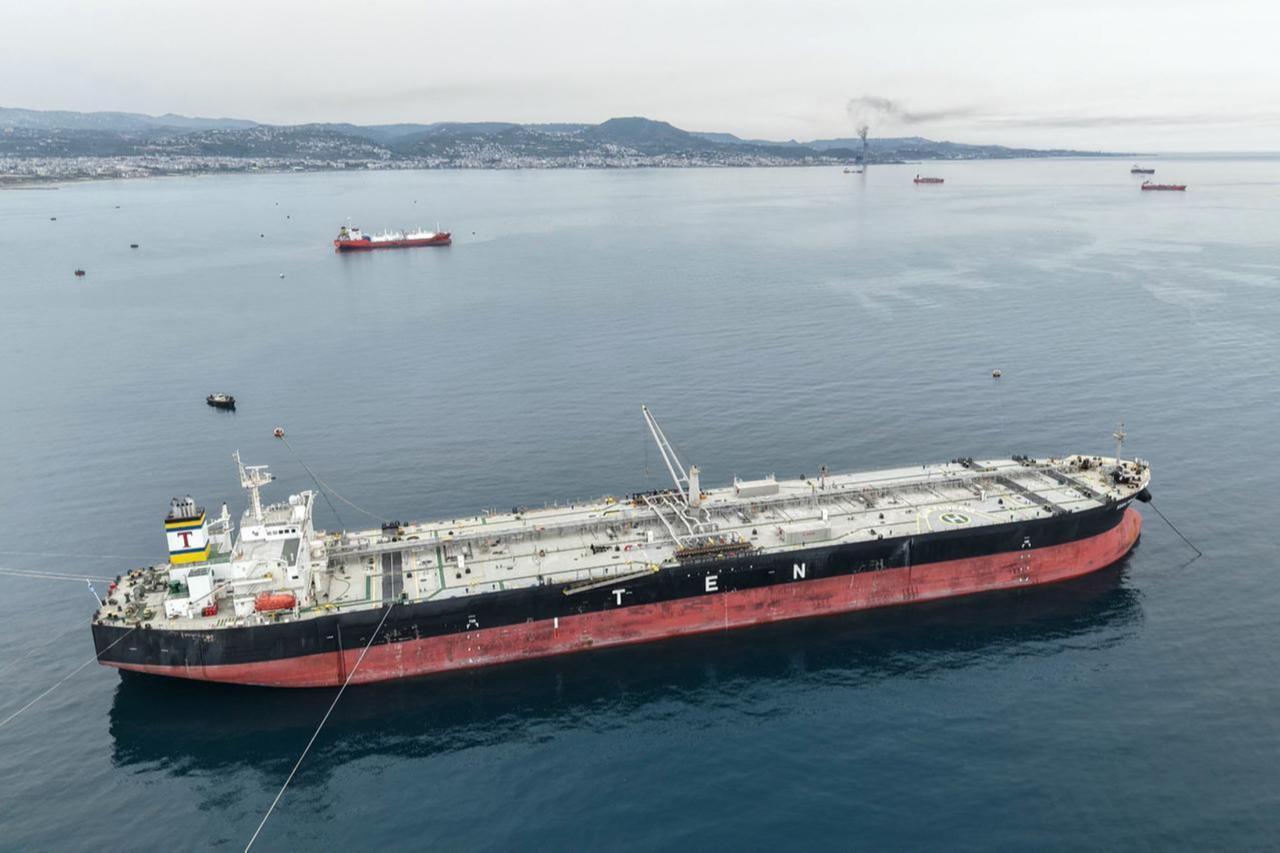


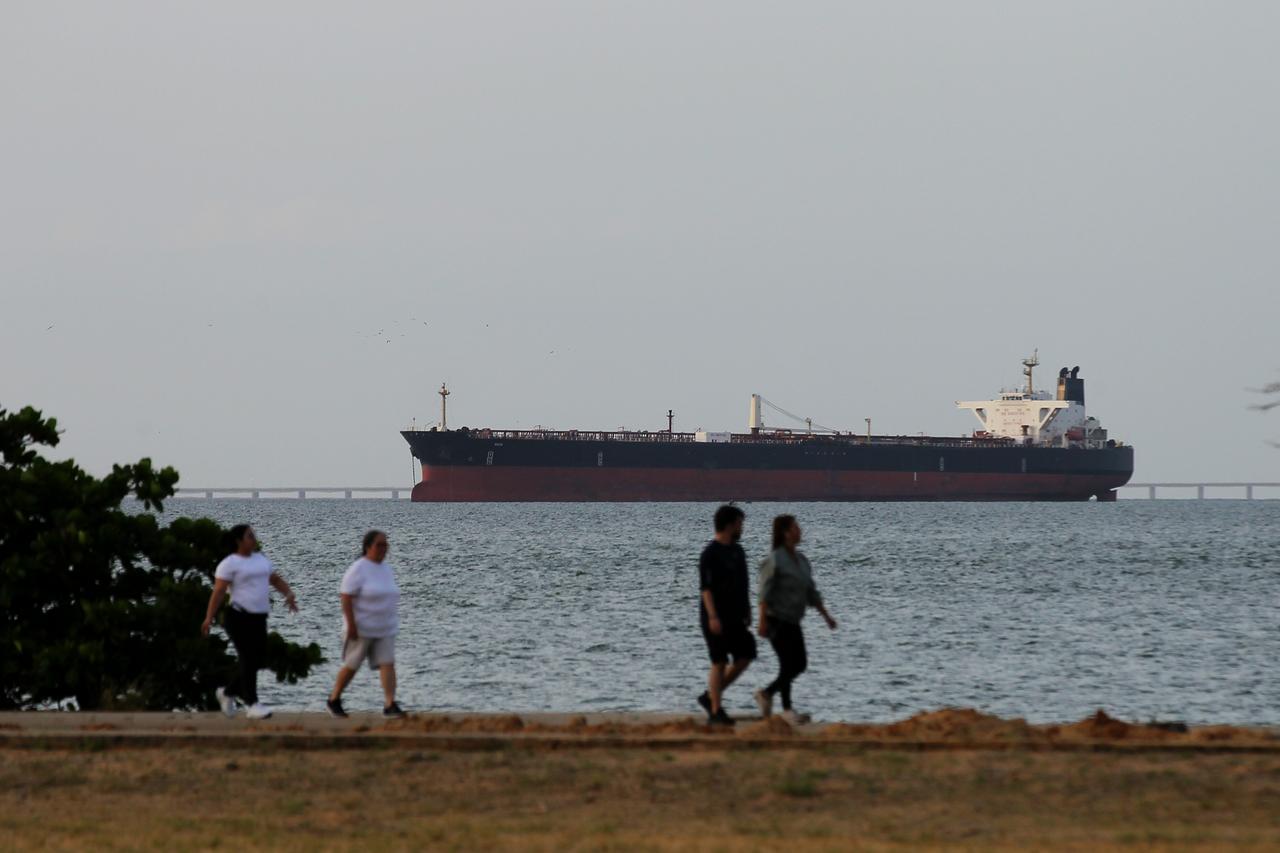
Oil prices pulled back Wednesday after Iran allowed five supertankers carrying crude oil to pass through the Strait of Hormuz, easing some pressure on global energy markets as fears over supply disruptions slightly cooled.
Already under selling pressure at the start of the day after U.S. President Donald Trump said the "war is going to end very quickly," both Brent and West Texas Intermediate (WTI) crude slid more than 3% to $108 and $101 per barrel, respectively, before trimming losses and recovering later in the session.
According to Iranian state television, the vessels received approval from the Naval Command of Iran’s Islamic Revolutionary Guard Corps to transit the strategic waterway. Each tanker can carry around 2 million barrels of oil, bringing the total volume to nearly 10 million barrels.
Iran’s Revolutionary Guard Navy said 26 commercial vessels, including oil tankers and container ships, crossed the Strait of Hormuz in the past 24 hours under Iranian coordination, adding that transit continues with prior approval and coordination.
Earlier, Seoul’s Foreign Ministry announced that a South Korean oil tanker had safely crossed the Strait of Hormuz on Wednesday, marking the first confirmed passage by a South Korean vessel since the Iran war began.
Last week, South Korea’s Oceans Minister Hwang Jong-woo pushed back against Iran’s decision to impose transit fees on ships passing through the strategically vital Strait of Hormuz, stressing that Seoul rejects any such charges as a violation of international law.
The clearance of the supertankers raised hopes for a return to more normal shipping activity through the key global energy artery after weeks of severe disruption.
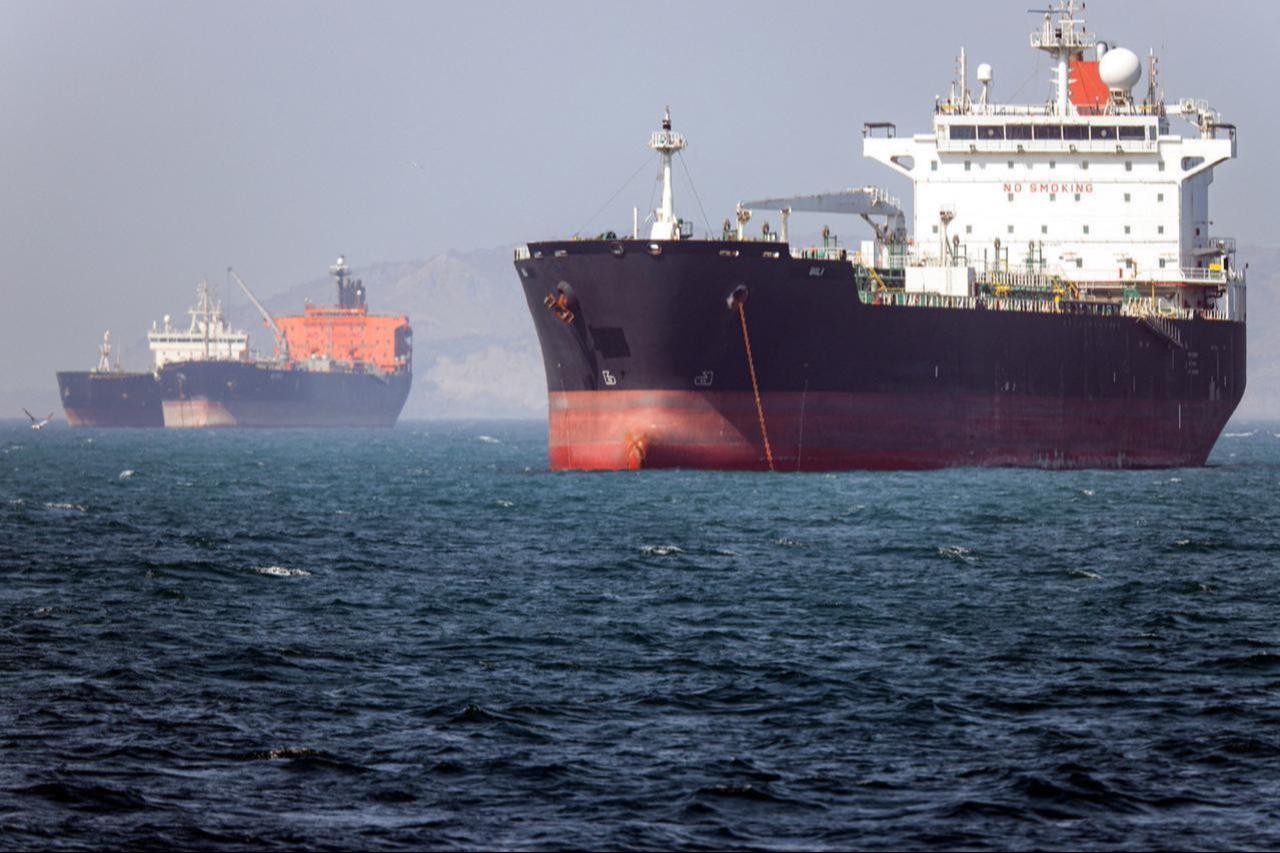

Iran shut down the Strait of Hormuz after the war triggered by joint U.S.-Israeli attacks on Feb. 28, pushing crude prices above $100 per barrel as global oil flows through one of the world’s most critical energy chokepoints were sharply cut.
During the standoff, the U.S. seized several Iranian commercial ships in the Arabian Sea and the Indian Ocean, while Iran intercepted and confiscated ships near Hormuz, including some linked to Israel.
Tehran has since moved to tighten institutional and military control over shipping through the strait rather than fully reopening it. Iranian authorities recently established a new transit body to oversee vessel movements and formalize passage procedures, while requiring ships to submit cargo, insurance, and crew information before entering the waterway.
Iran has also been pushing ahead with transit fees reportedly set at around $1 per barrel of oil, meaning charges for fully loaded supertankers can climb as high as $2 million per voyage, with some payments allegedly requested in Chinese yuan or cryptocurrencies.
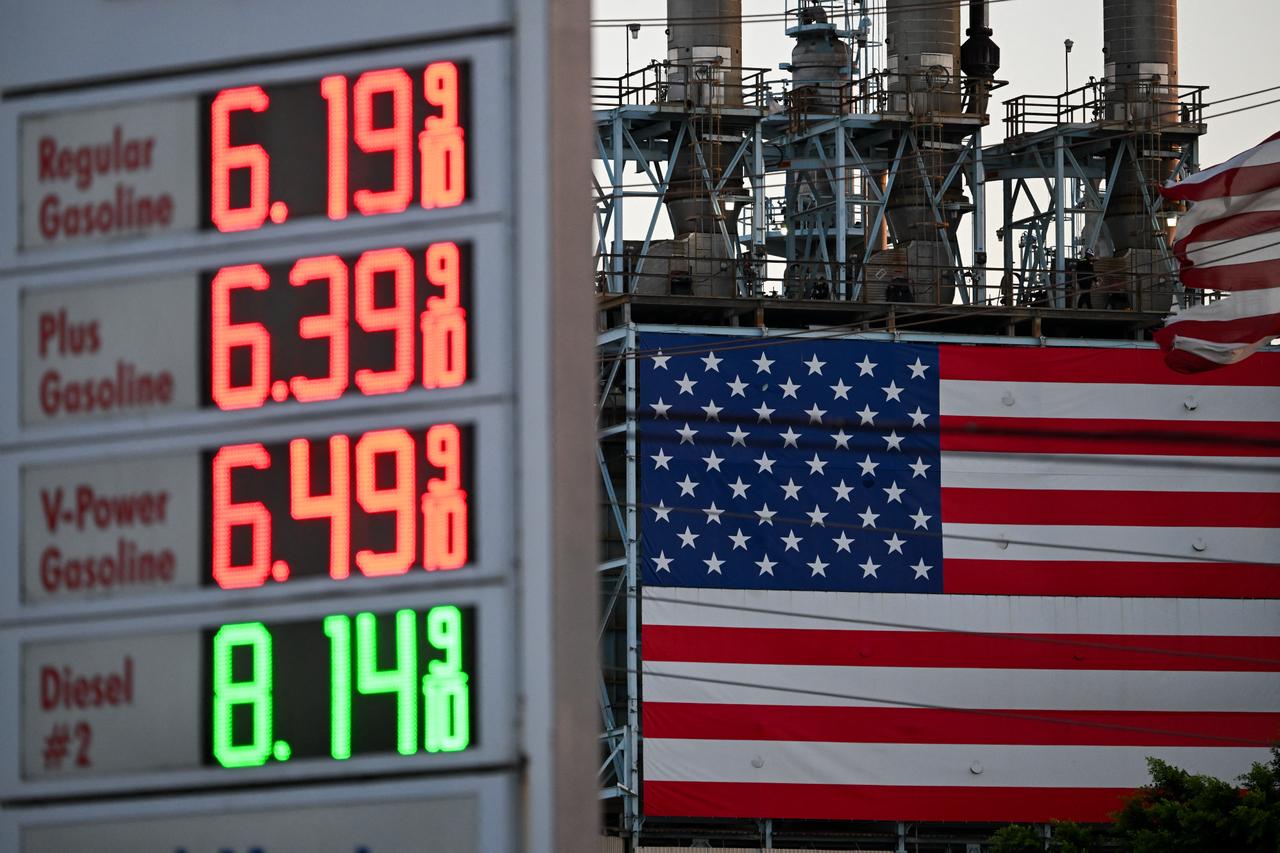
Despite Wednesday’s decline, oil prices still remain roughly 50% above pre-war levels after the effective closure of the strait removed around 13 million barrels of oil supply per day from global markets since the conflict started, earlier figures from the International Energy Agency (IEA) showed.


 Set as preferred source
 Set as preferred source


 1 min read
 1 min read