Newsletters


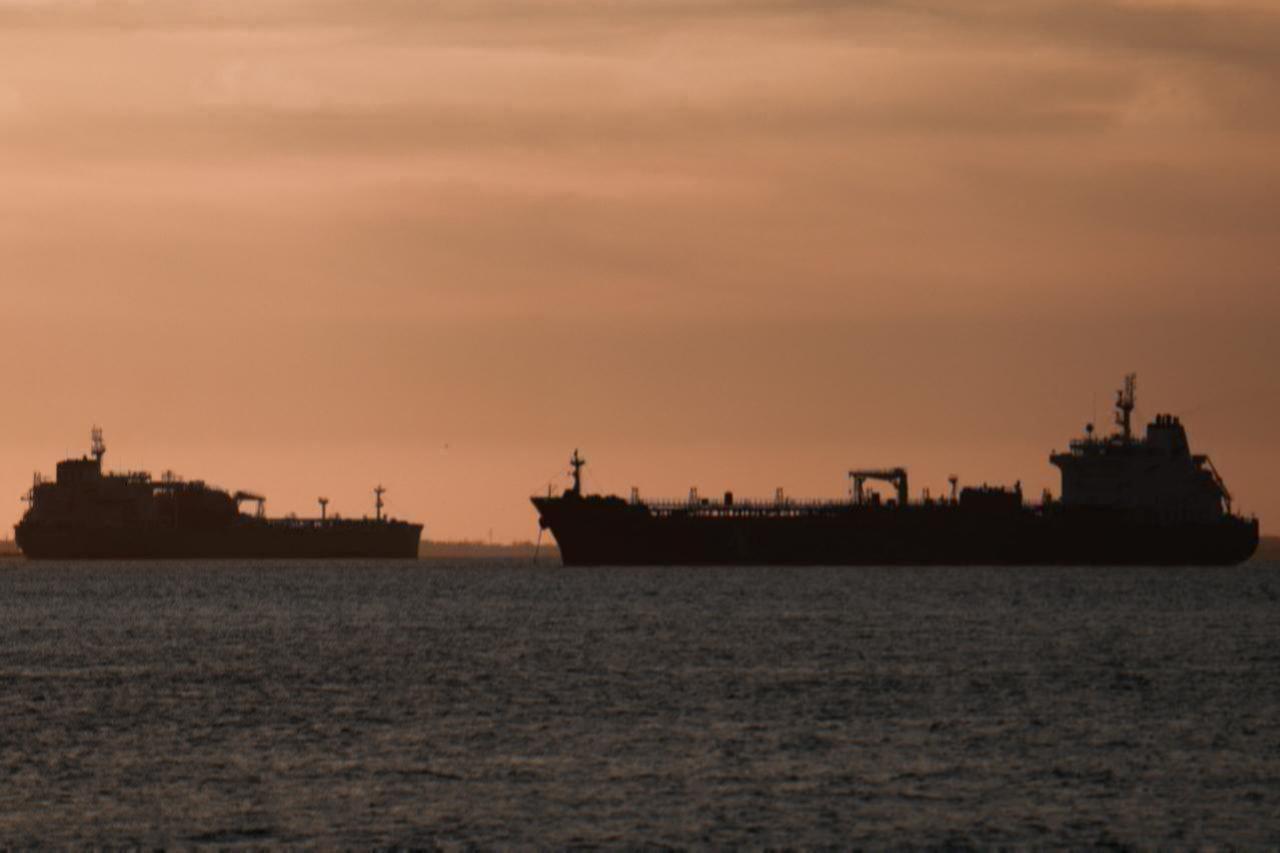


Iran's First Vice President Mohammad Reza Aref warned early Monday that security in the Strait of Hormuz cannot be guaranteed if Iran's oil exports continue to face restrictions, saying no country can expect safe passage through the waterway while blocking Iranian oil exports.
In remarks posted on X, Aref said "the security of the Strait of Hormuz is not free" and argued that restricting Iran's oil exports would come with a price.
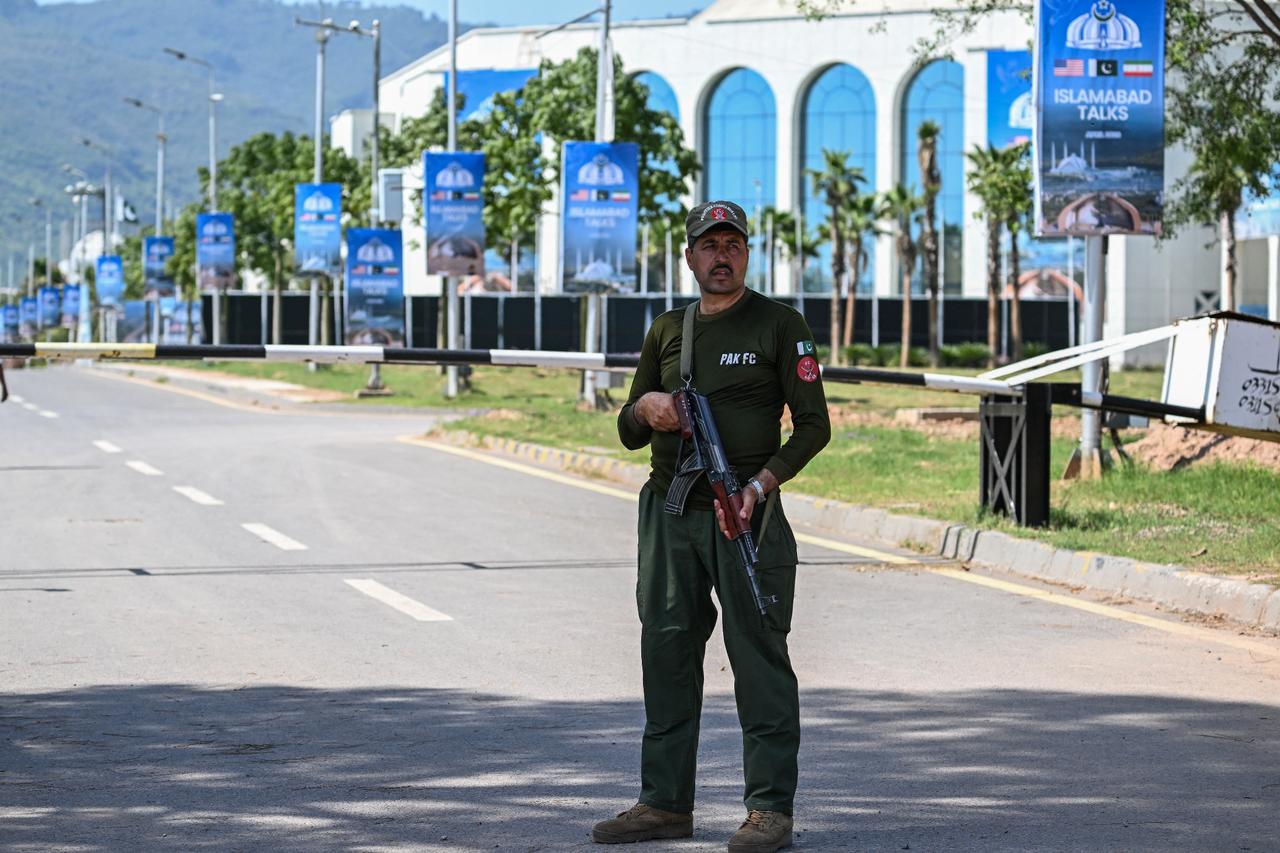
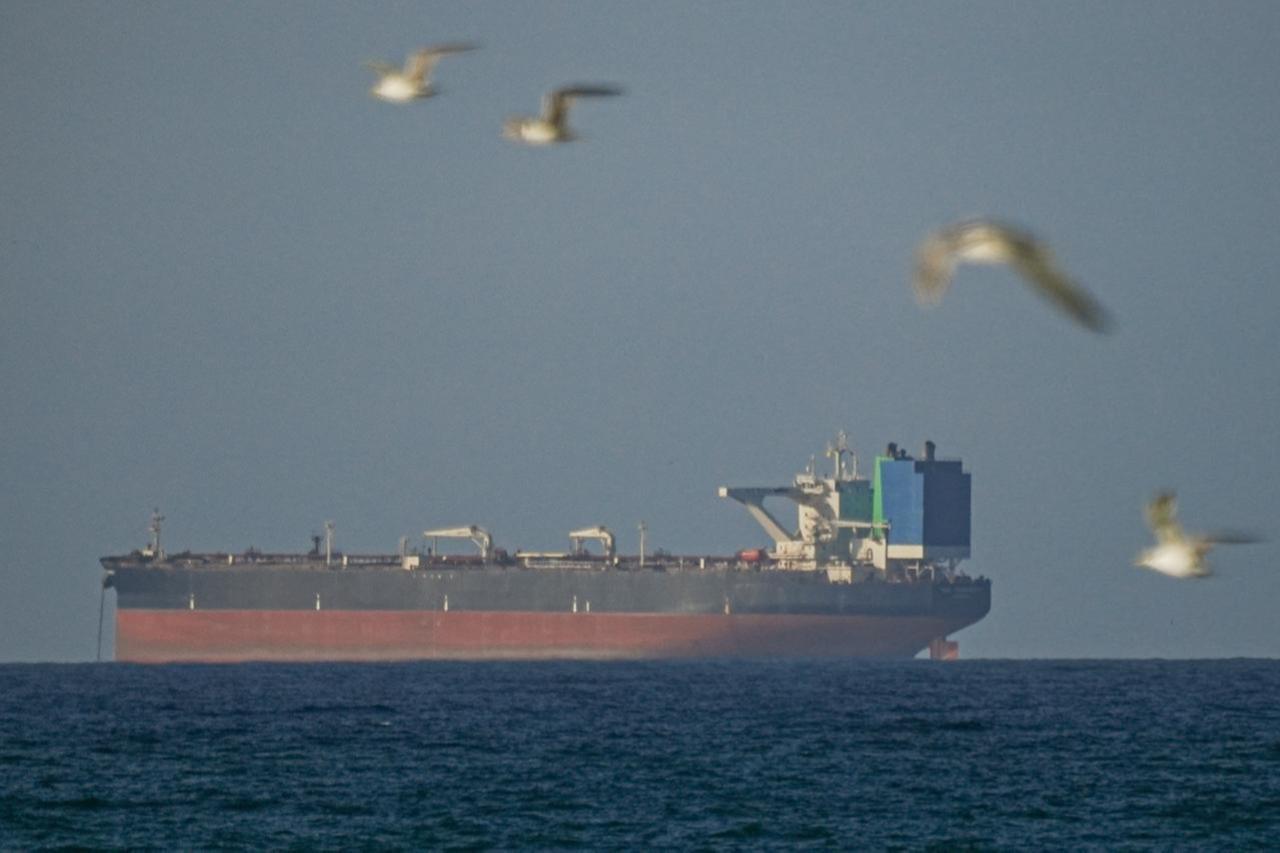
His comments appeared to criticize the U.S. blockade against Iranian ports and came as Tehran and Washington prepare for a second round of talks in Islamabad on Tuesday.
Aref said no one could restrict Iran's oil exports while expecting others to continue benefiting from secure passage through the Strait of Hormuz.
"One cannot restrict Iran's oil exports while expecting free security for others," he wrote.
He said the issue was not limited to Iran alone and framed it as a broader choice facing the global oil market.
"The choice is clear: either a free oil market for all, or the risk of significant costs for everyone," Aref said.
He also wrote that "the security of the Strait of Hormuz is not free".
Aref said stability in global fuel prices depends on an end to economic and military pressure against Iran and its allies.
He said fuel prices could stabilize only if such pressure ends in a guaranteed and lasting way.
According to Aref, the world faces a choice between "a free oil market for all" or "significant costs for everyone."
The remarks came after the U.S. imposed a naval blockade on Iran on April 13.
They also came ahead of a second round of talks between the two sides in Islamabad on Tuesday.
A previous round of talks held on April 11-12 ended without an agreement.
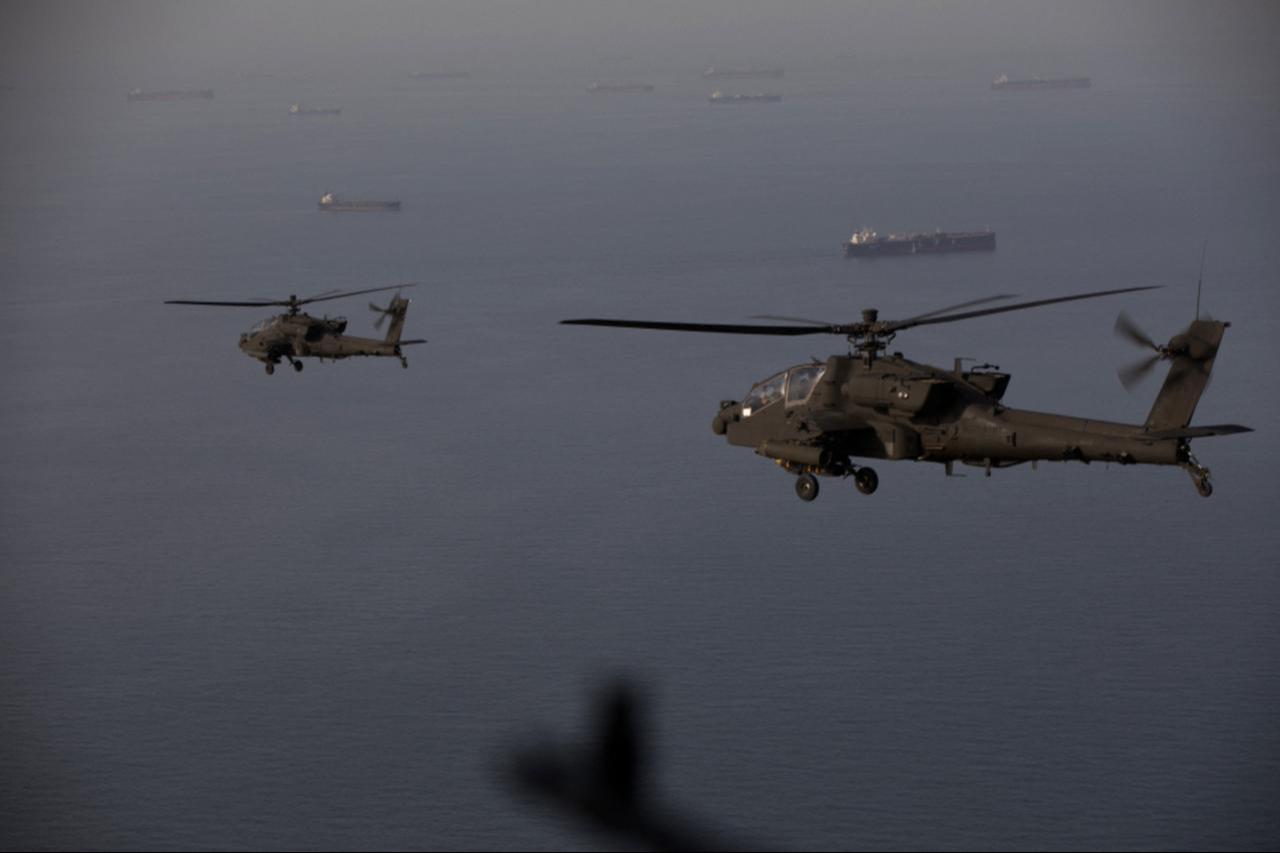

On Feb. 28, the U.S. and Israel launched a joint offensive on Iran.
Iran later retaliated with strikes on Israel and other regional countries hosting U.S. assets.
The U.S.-Israeli operations killed more than 3,300 people before Washington and Tehran announced a two-week ceasefire on April 8 mediated by Pakistan.
Aref's latest comments linked restrictions on Iranian oil exports to the broader question of security in the Strait of Hormuz and the future stability of global energy markets.


 Set as preferred source
 Set as preferred source


 1 min read
 1 min read