Newsletters


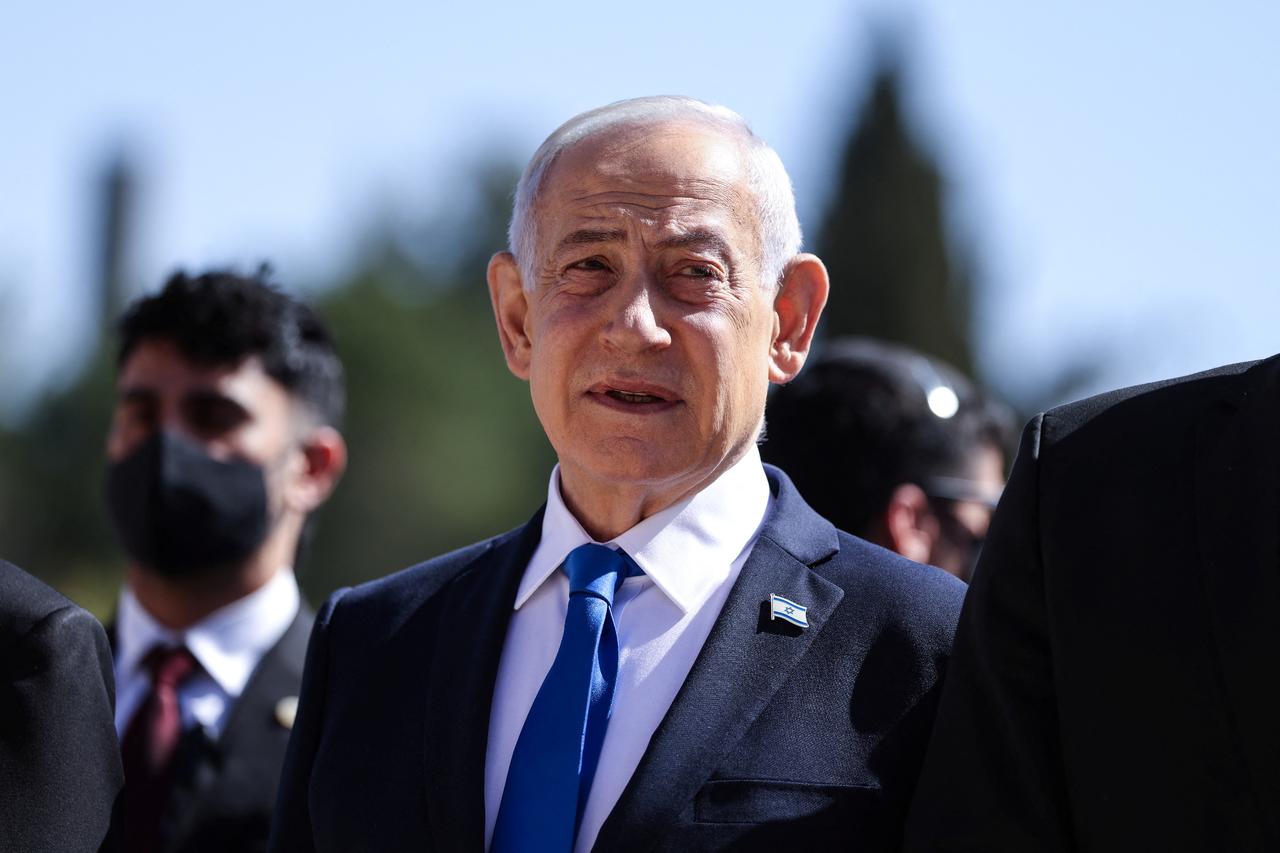


Israel’s Prime Minister Benjamin Netanyahu said on Sunday that the war with Iran remains unresolved, hinting that new developments could emerge at any moment as regional tensions continue to simmer.
"We have achieved enormous things. It’s not over yet," Netanyahu said, speaking alongside Argentine President Javier Milei.
Netanyahu justified the joint U.S.-Israeli campaign as "the battle of civilization against barbarism," saying Israel has been working with the United States against "the great tyranny of Iran," which he accused of seeking to destabilize the region and undermine Western powers.
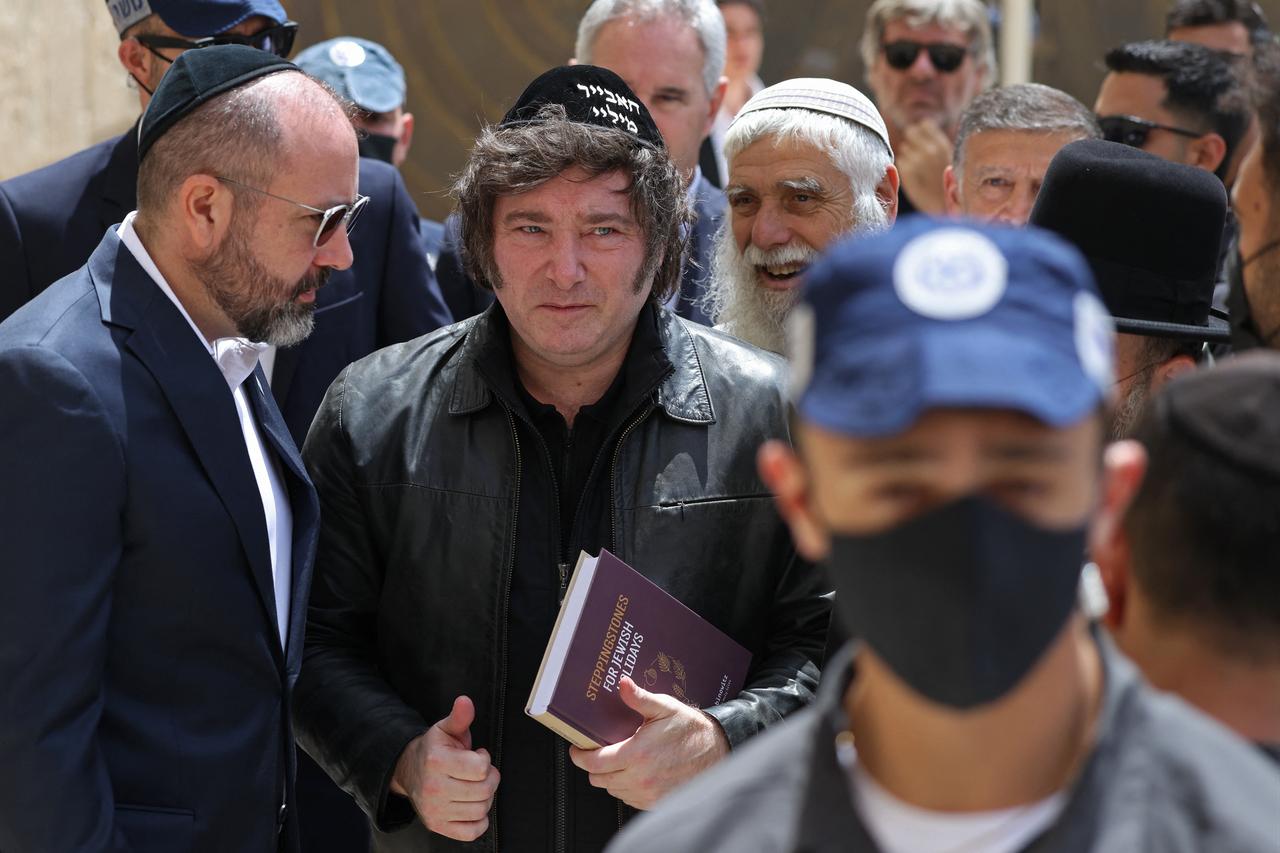
Milei arrived in Israel on Sunday for his third visit since taking office. During the visit, Israel and Argentina signed cooperation agreements in aviation, security, and artificial intelligence.
His previous visit to Israel ended on June 12 last year, just hours before Israel struck Iran, igniting the 12-day war.
Netanyahu also announced the launch of direct flights between Tel Aviv and Buenos Aires for the first time, with operations expected to begin later this year.
He added that the agreements, referred to as the "Isaac Accords," aim to strengthen Israel’s ties across Latin America with support from the United States, echoing elements of earlier normalization frameworks.
Milei voiced strong support for the joint U.S.-Israel campaign against Iran, calling it “the right thing to do.”
"We expressed our firm support for the United States and Israel in their war against terrorism and against the Iranian regime, not only because it is the right thing to do, but because our countries are brothers in suffering," Milei said.
He also pointed to Argentina’s earlier move to label Iran’s Revolutionary Guards a terrorist group, reinforcing his government’s close alignment with Israel.

The visit came amid a fragile cease-fire between the United States and Israel on one side and Iran on the other, which halted mutual strikes that began on Feb. 28.
After a separate cease-fire was reached last week to halt Israeli attacks on Lebanon, Iran reopened the Strait of Hormuz and signaled it could join a second round of talks with Washington to negotiate terms to end the war.
However, as the United States maintained its naval blockade on Iranian ports, Tehran moved to close the strait again, warning vessels seeking passage through the waterway.
U.S. forces later seized an Iranian vessel accused of attempting to evade the blockade, after which Iranian media reported drone strikes targeting U.S. warships in the region.
Separately, Iranian state media reported that Tehran does not plan to attend upcoming talks with the United States, despite President Donald Trump directing negotiators to travel to Pakistan ahead of the cease-fire’s expected expiration.


 Set as preferred source
 Set as preferred source


 1 min read
 1 min read