Newsletters




Iran's parliament warned early Monday that any U.S. involvement in managing shipping through the Strait of Hormuz would constitute a violation of the ceasefire, directly rejecting Washington's "Project Freedom" maritime operation hours before it was set to begin.
Ibrahim Azizi, chairman of the Iranian parliament's National Security and Foreign Policy Commission, said that any American interference in the new maritime regime of the Strait of Hormuz will be considered a violation of the ceasefire."
Azizi dismissed the notion that Washington could direct traffic through the waterway.
"The Strait of Hormuz and the Persian Gulf cannot be managed by Trump's delusional posts," he said on X, adding that "no one would believe blame-game scenarios."

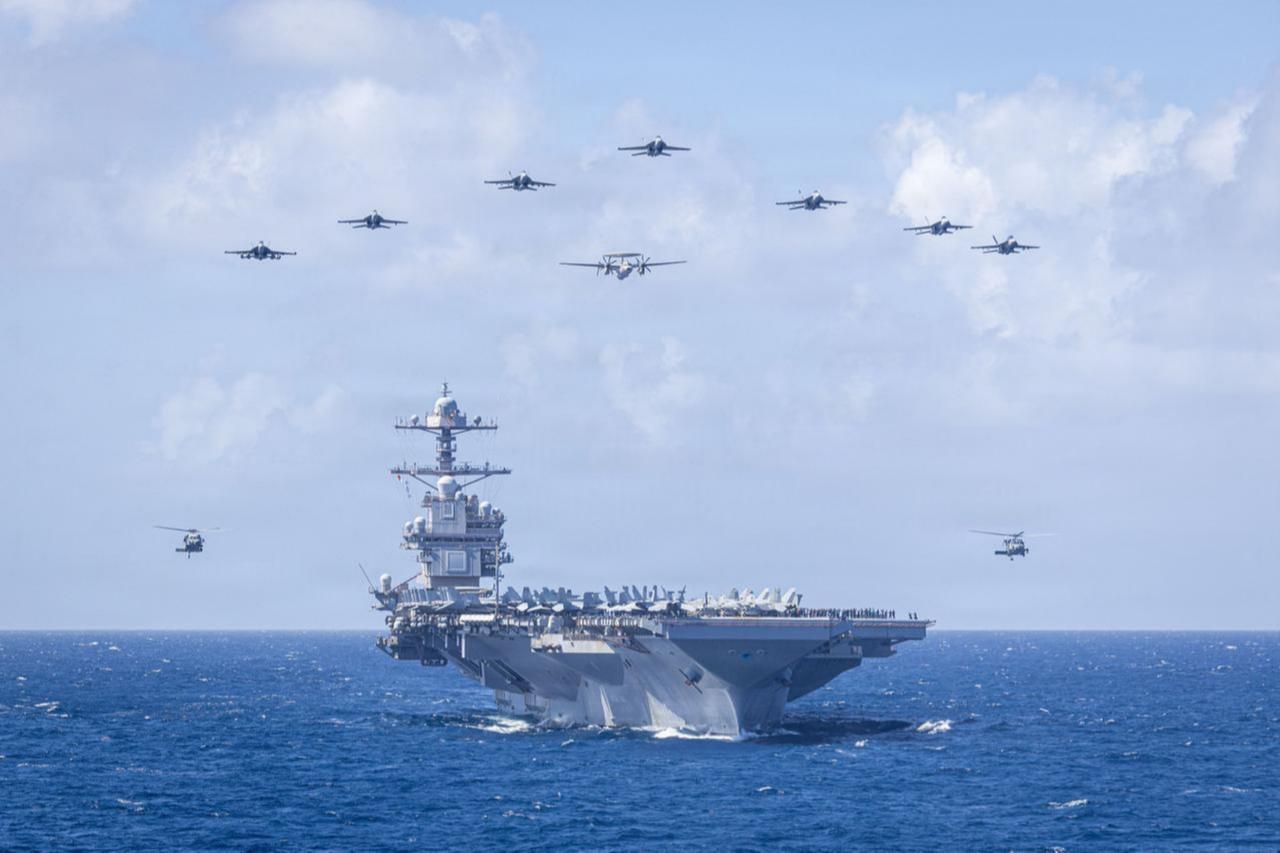
U.S. Central Command (CENTCOM) announced Sunday it would begin supporting Project Freedom on May 4, deploying guided-missile destroyers, more than 100 land and sea-based aircraft, multi-domain unmanned platforms and 15,000 service members to restore freedom of navigation for commercial shipping through the strait.
Trump described the operation as a "humanitarian gesture" for neutral countries caught up in a conflict they have no part in. "For the good of Iran, the Middle East, and the United States, we have told these countries that we will guide their ships safely out of these restricted waterways," Trump wrote on Truth Social.
Trump warned that any interference with the operation "will have to be dealt with forcefully."
As of April 29, more than 900 commercial vessels were located in the Gulf, according to maritime intelligence firm AXSMarine. Oil prices are currently approximately 50% above pre-conflict levels, largely due to supply disruptions in the strait.
Negotiations between the U.S. and Iran have been deadlocked since a Pakistan-mediated ceasefire came into effect on April 8.
Axios reported Sunday, citing two sources briefed on the proposal, that Iran set a one-month deadline for negotiations on a deal to reopen the strait, dissolve the U.S. naval blockade and end the war.
Trump said Sunday his representatives were engaged in "very positive" discussions with Iran. "These discussions could lead to something very positive for all," he said, without addressing what Tehran described as a 14-point plan focused on ending the war.
Iran said Sunday it had received a U.S. response and was reviewing it.
U.S. Treasury Secretary Scott Bessent framed the blockade in broader terms, telling Fox News: "We are suffocating the regime, and they are not able to pay their soldiers. This is a real economic blockade, and it is in all parts of government."
German Foreign Minister Johann Wadephul, in a call with Iranian Foreign Minister Abbas Araghchi, demanded the strait be reopened, saying Germany supported a negotiated solution but that Iran must "completely and verifiably renounce nuclear weapons and immediately open the Strait of Hormuz."
Iran blocked the Strait of Hormuz following the U.S.-Israeli strikes on Iran that began Feb. 28. The U.S. imposed a counter-blockade on Iranian ports on April 13.


 Set as preferred source
 Set as preferred source


 1 min read
 1 min read