Newsletters


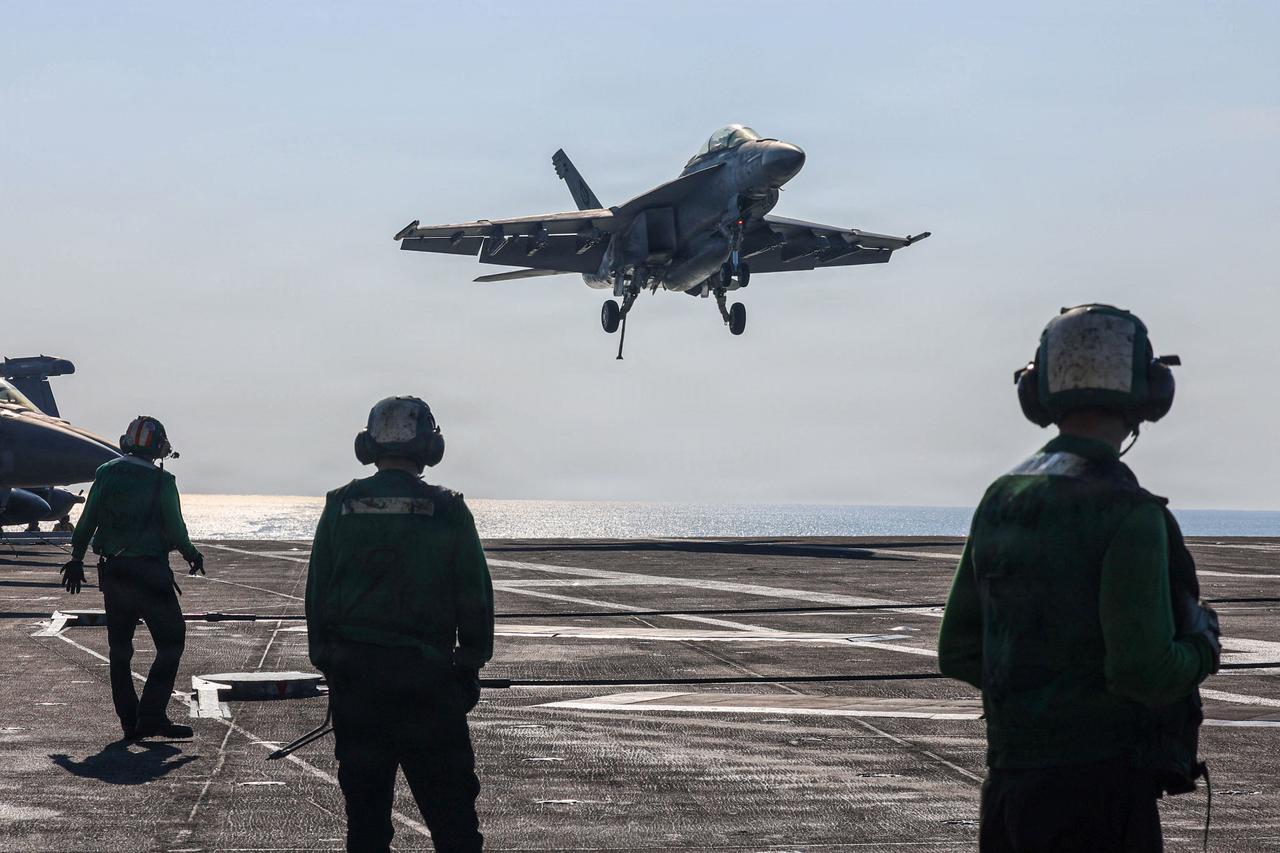


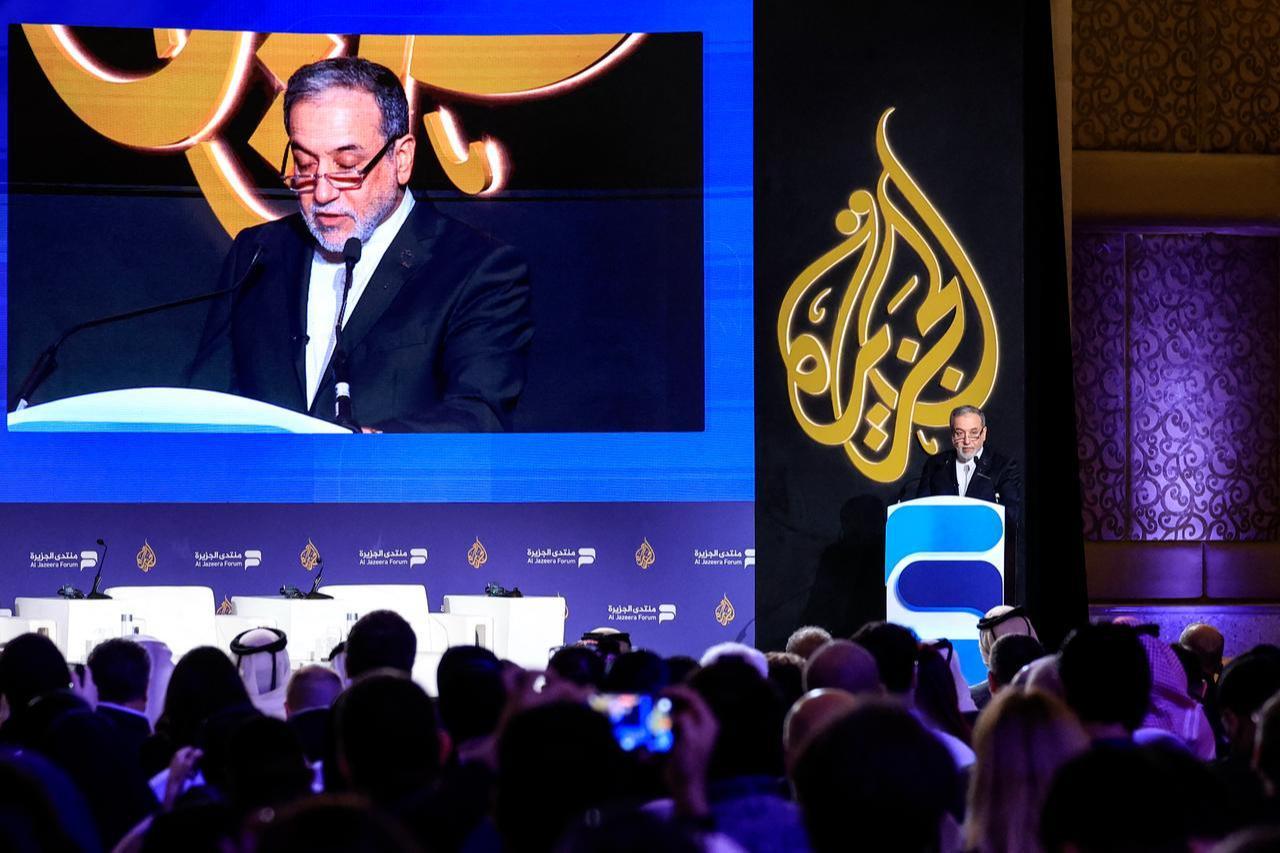
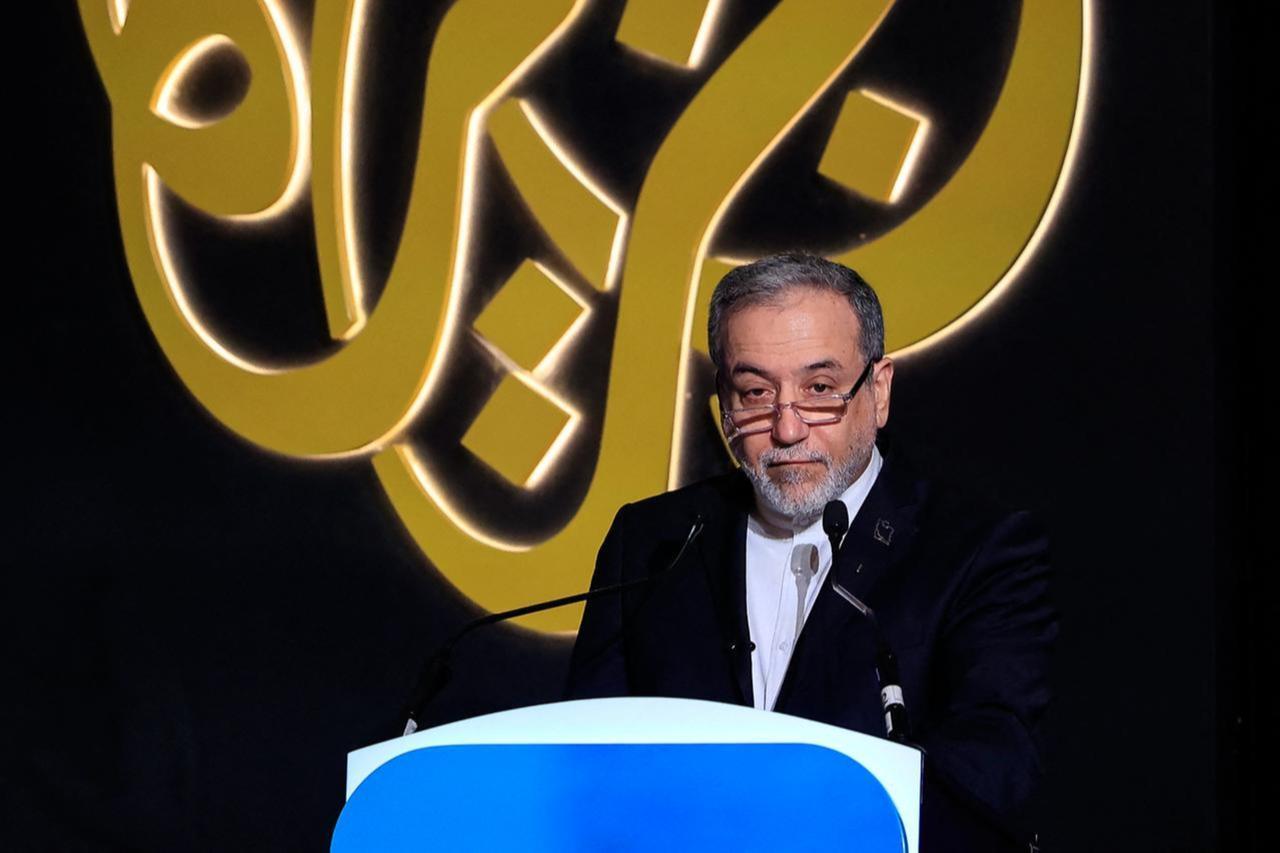
Iranian Foreign Minister Abbas Araghchi declared on Sunday that his country was not intimidated by the U.S. naval deployment in the Persian Gulf, asserting that uranium enrichment is Iran's right and Tehran is prepared to defend itself if attacked.
Speaking at the National Congress on Foreign Policy and Foreign Relations in Tehran, Araghchi responded defiantly to the U.S. military buildup in the region, two days after holding talks with U.S. envoy Steve Witkoff in Oman.
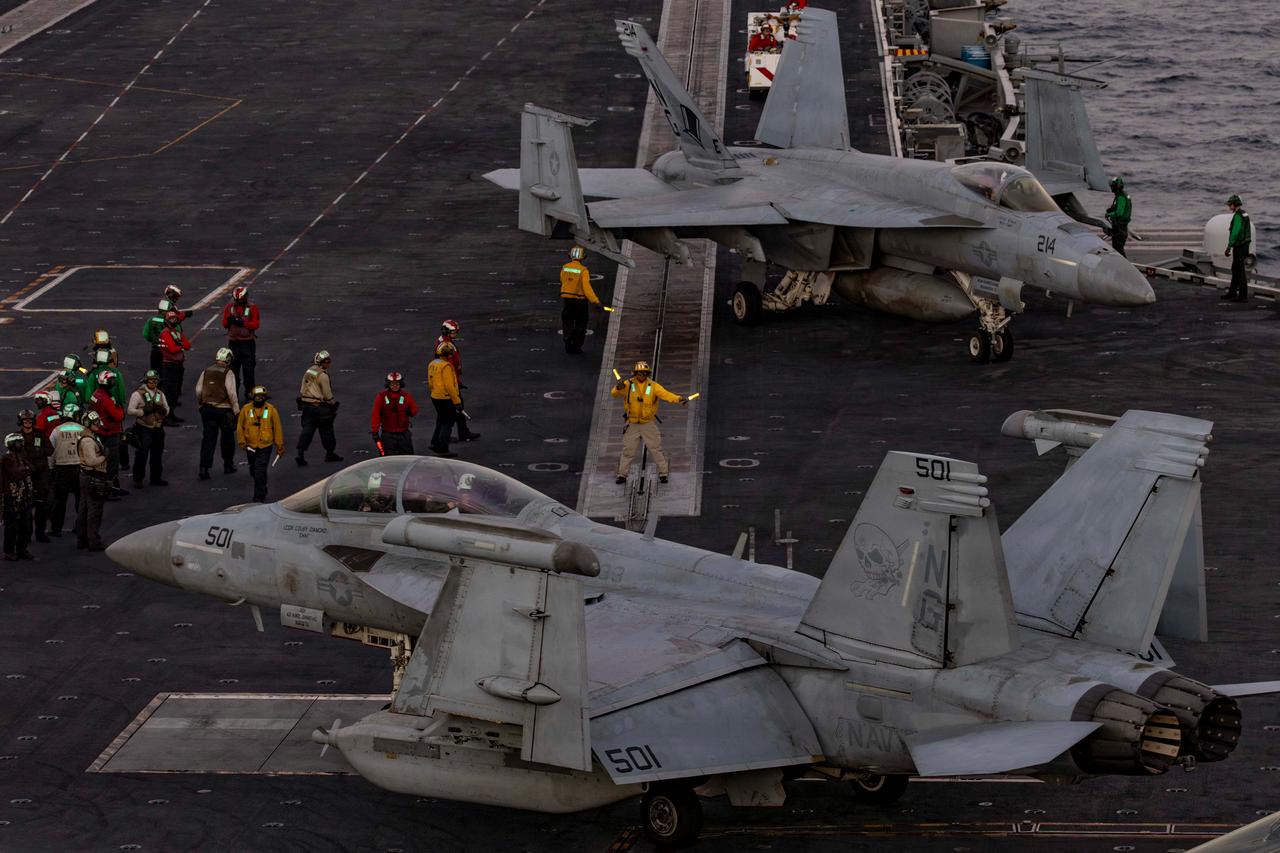
"Their military deployment in the region does not scare us," Araghchi said after Witkoff visited the U.S. aircraft carrier Abraham Lincoln stationed in the region.
"We are people of diplomacy, we are people of war—not in the sense that we seek war, but we are prepared for war to defend ourselves against aggression," the foreign minister said.

Araghchi emphasized that "Iran has paid a heavy price for its peaceful nuclear program and uranium enrichment and would not surrender this right even under military pressure."
"Why do we insist so much on enrichment and refuse to give it up even if a war is imposed on us? Because no one has the right to dictate our behavior," he said.
"Enrichment was meant to prove that Iran does not take orders from anyone. If anyone has questions, we will answer them—the path is diplomacy," Araghchi added.
The foreign minister noted that Iran's nuclear facilities had been bombed, referring to the June 2025 strikes by Israel and the United States.
"They know there is no choice but negotiation. I told the American team that they had tried other methods. Negotiation will only succeed when Iran's rights are acknowledged," he said.
 1 min read
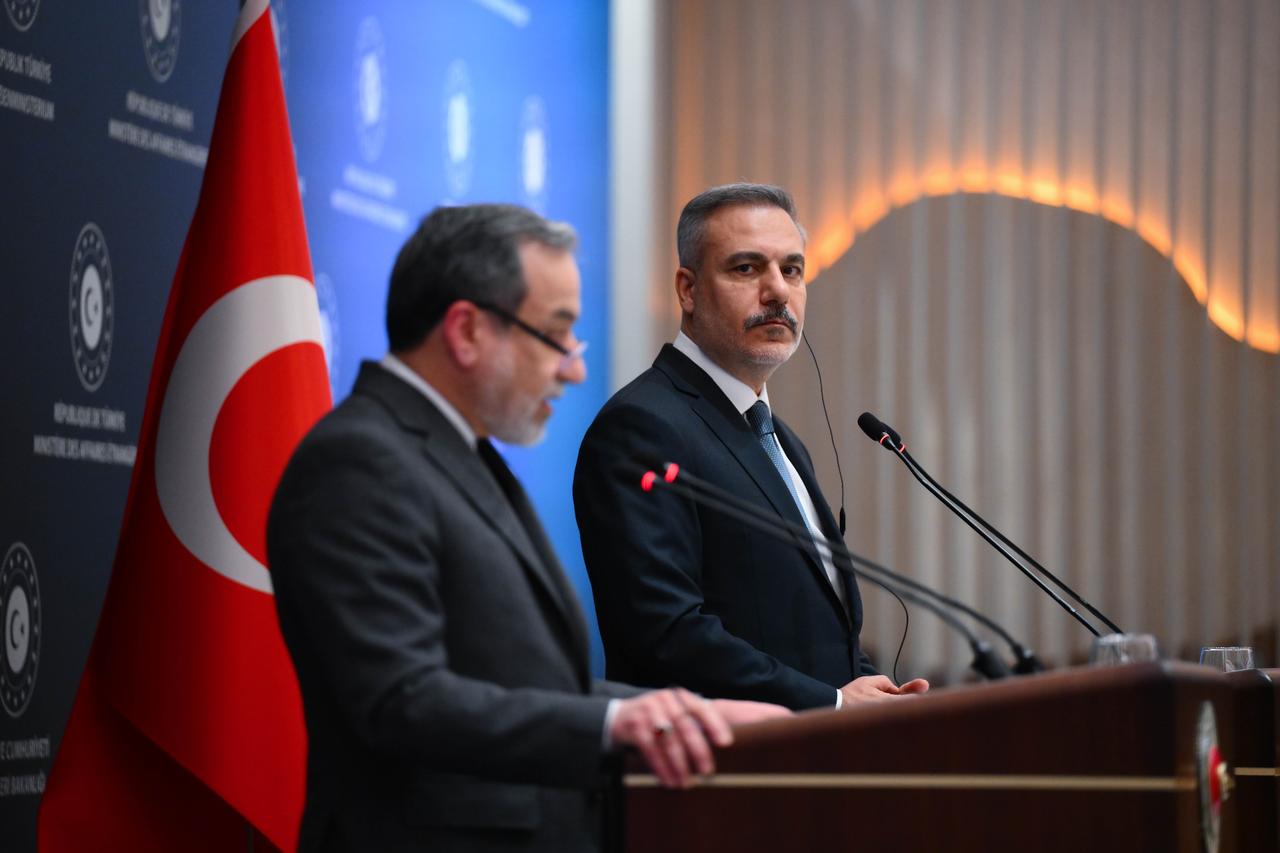
Araghchi also characterized Iran's strength as rooted in its ability to resist external pressure, stating that "they fear an atomic bomb, while Iran is not pursuing an atomic bomb. The secret of Iran's power is in saying no to the powers."
Referring to the 12-day war in June 2025, Araghchi said: "If we had not resisted in the 12-day war, we would have left a mark of shame on Iran that would have remained forever. Iran's refusal to surrender had to be proven."
Iranian President Masoud Pezeshkian said the talks with the United States were "a step forward."
"The Iran-U.S. talks, held through the initiatives of friendly governments in the region, are a step forward," Pezeshkian wrote on X.
He stated that dialogue has always been Tehran's fundamental strategy for the peaceful resolution of disputes.
"Our approach to the nuclear issue is based on the clear rights contained in the Non-Proliferation Treaty. The Iranian nation has always responded to respect with respect but does not accept the language of force," Pezeshkian said.
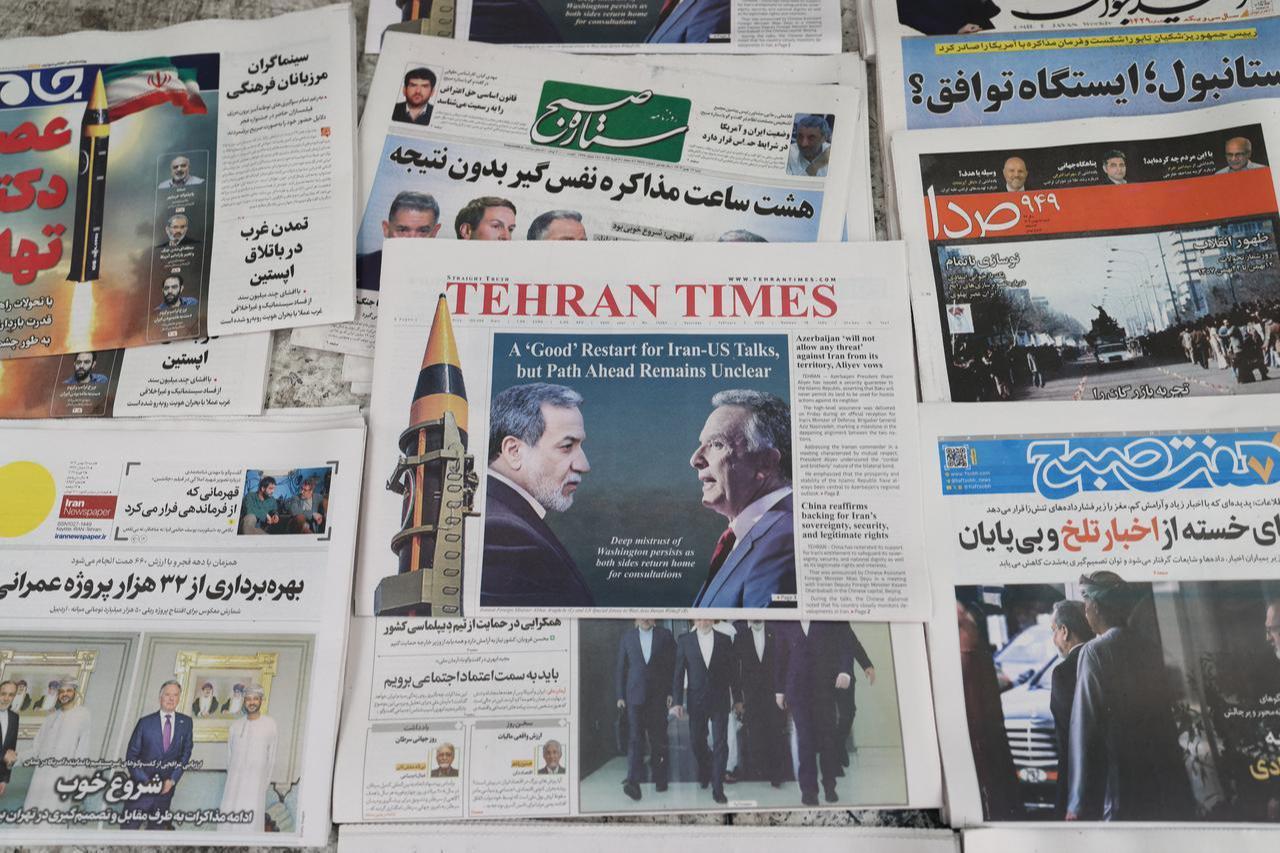
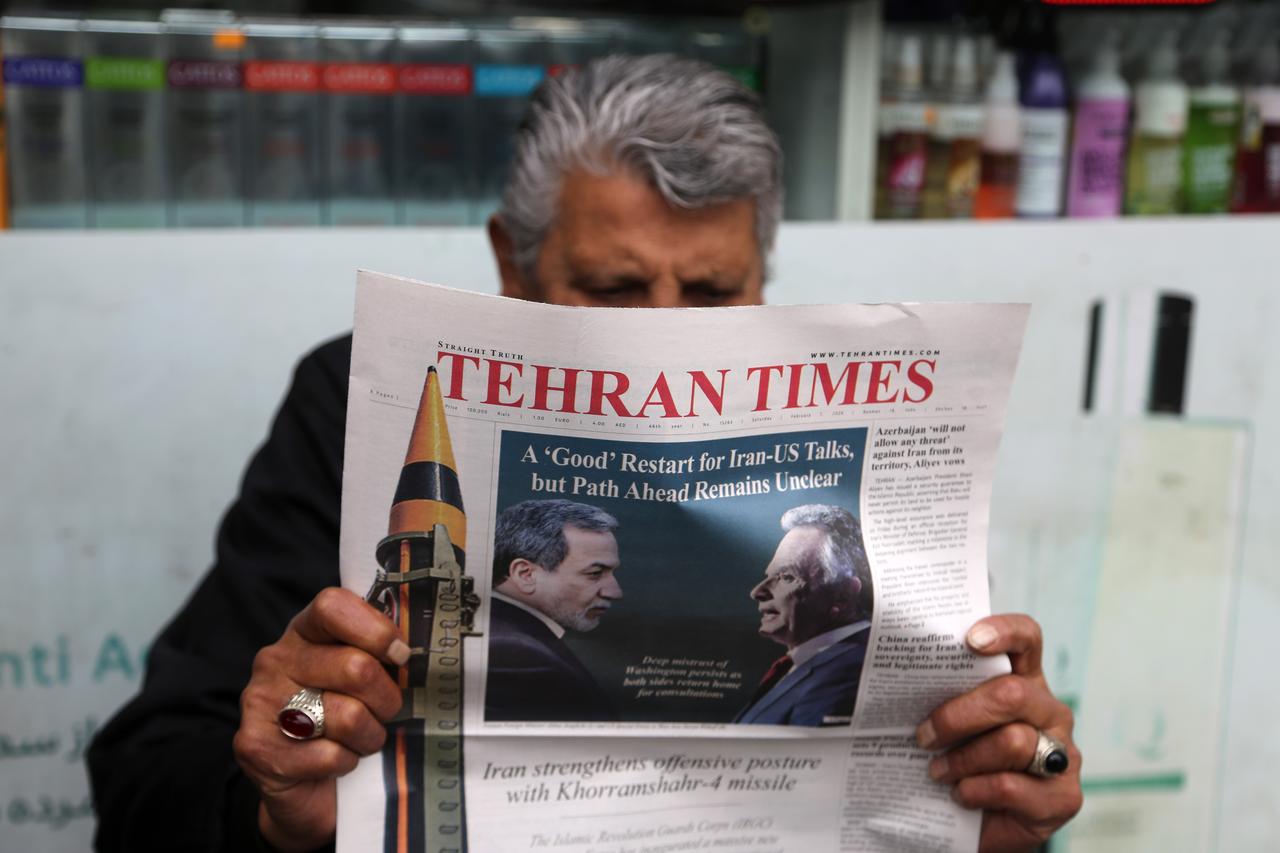
Nuclear negotiations between Iran and the United States resumed in Oman after being interrupted following the June 2025 attacks by Israel and the United States on Iran.
Iranian Foreign Ministry Spokesperson Ismail Baghaei said: "Negotiations between Iran and the U.S. in Muscat concluded with the parties agreeing to continue talks."
The Iranian delegation was led by Foreign Minister Araghchi, while the U.S. was represented by President Donald Trump's Special Envoy for the Middle East, Steve Witkoff.


 Set as preferred source
 Set as preferred source


 1 min read