Newsletters


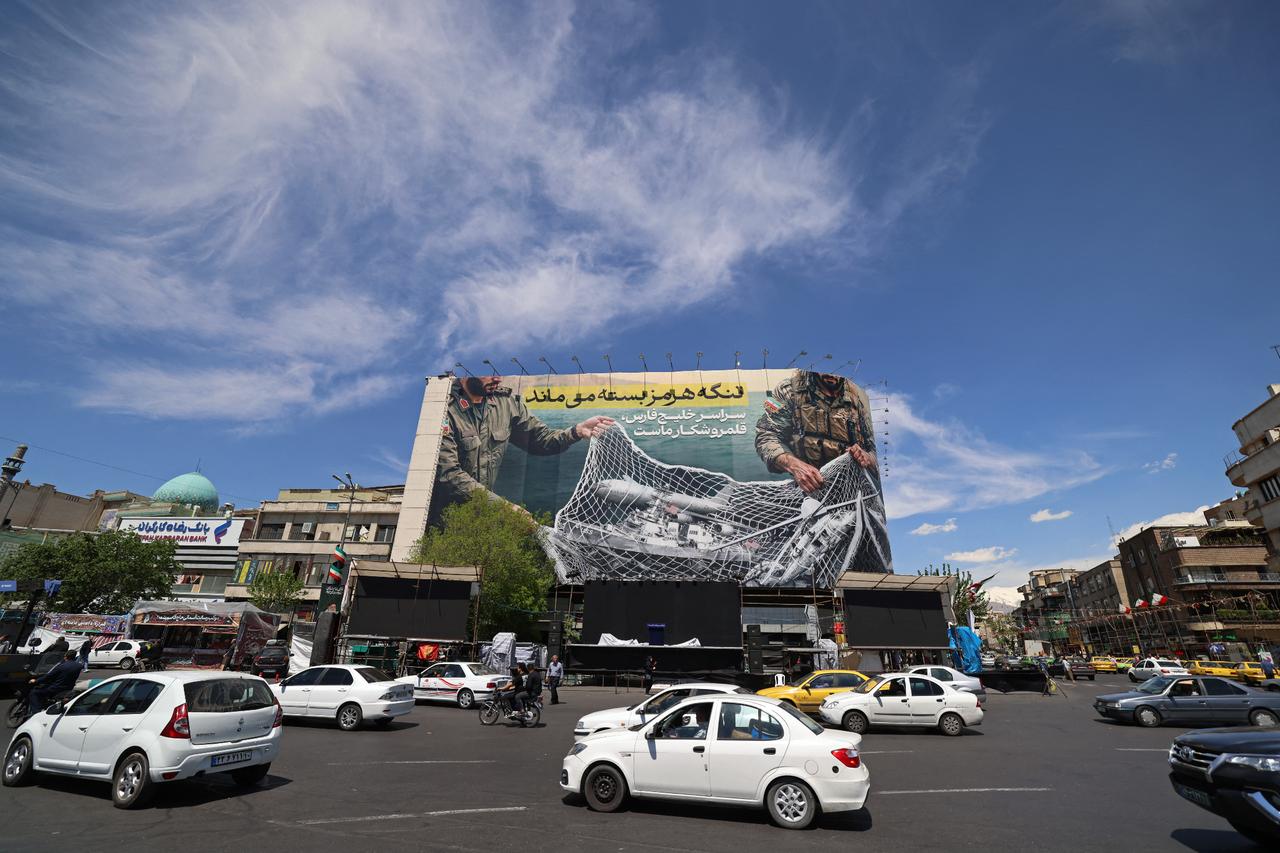


Iran is considering a short-term pause to shipments through the Strait of Hormuz to avoid testing the U.S. naval blockade and undermining a fresh round of peace talks, Bloomberg reported Tuesday, citing a person familiar with Tehran's deliberations.
Meanwhile, at least 21 ships transited the waterway on the blockade's first full day, as Iran's interior minister ordered border governors to counter the blockade threat using their full delegated powers.
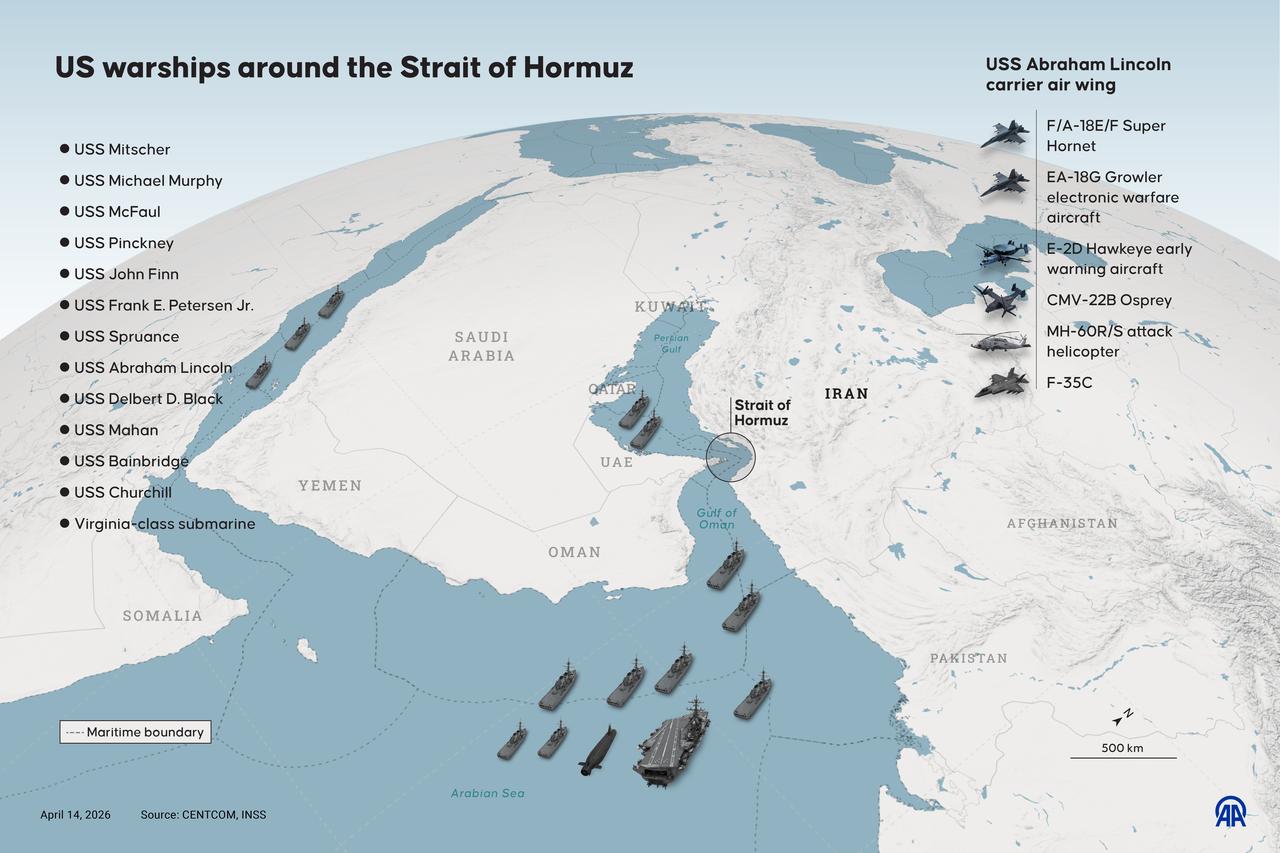

A person familiar with Tehran's private deliberations told Bloomberg that Iranian leadership is considering a short-term pause to shipments through the Strait of Hormuz as Washington and Tehran sort logistics for another face-to-face meeting.
"Holding back maritime activity for several days is seen as one possible, pragmatic step to prevent an incident that could undermine the fragile efforts to revive discussions," people familiar with the matter told Bloomberg.
"Iran's calculus remains fluid," the sources said.
The IRGC could shift course quickly, for example, by trying to show that the U.S. blockade can be challenged without consequence, a move that would risk undercutting the diplomatic track.
A pause, if implemented, would mark a notable diplomatic signal: Iran stepping back from its most powerful economic leverage to avoid foreclosing a new round of talks before the ceasefire expires April 21.
Simultaneously, Iran's Interior Minister Eskandar Momeni told Iranian media outlets that attempts at sanctions or maritime blockades "will lead nowhere."
Momeni instructed governors of border provinces to make full use of their delegated special powers to "neutralize the threat" of a maritime blockade and ensure adversaries fail on this front.
No further details were provided on how provincial authorities are expected to counter or mitigate the operation.
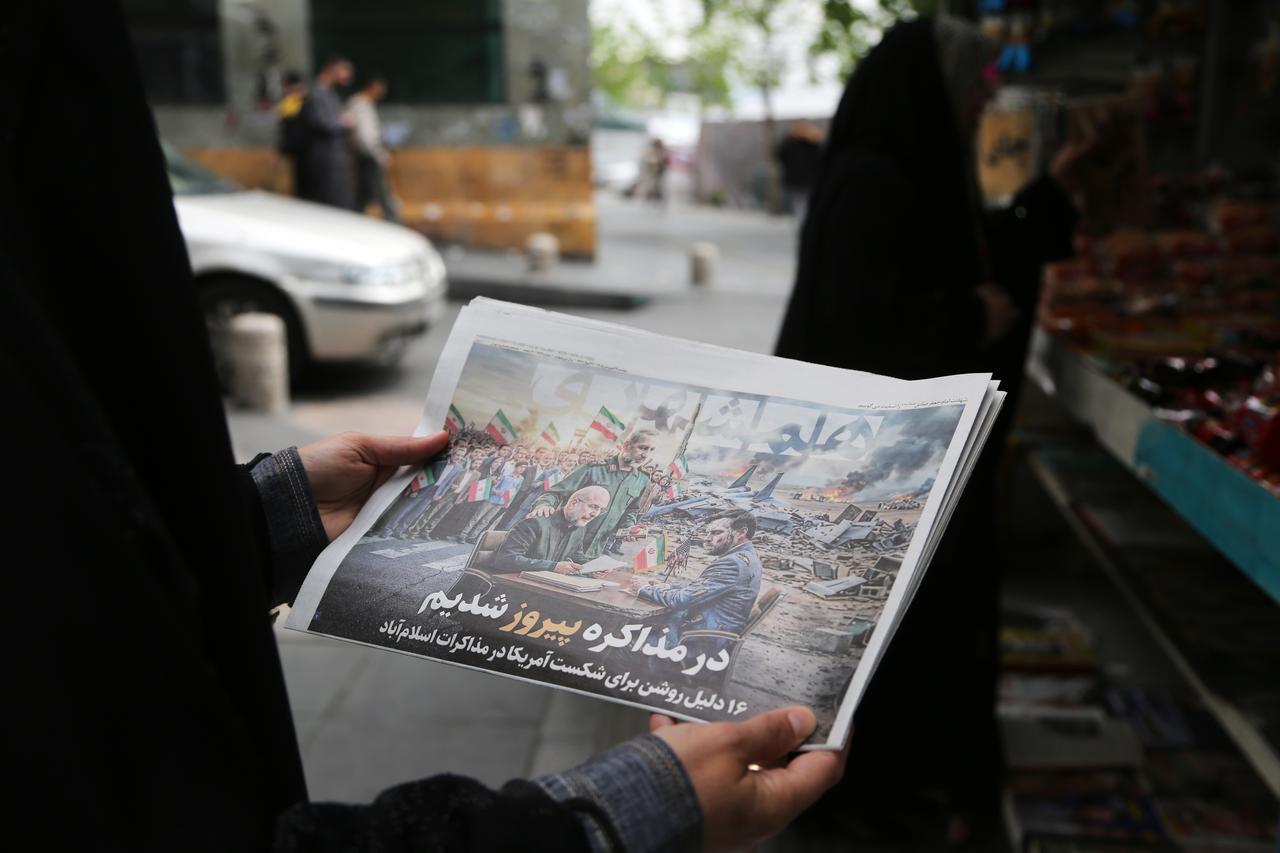
21 Ships Transit Hormuz on First Full Day of Blockade
Anadolu Agency data compiled from relevant sources showed that since the blockade began Monday at 1400 GMT, 14 vessels entered the Persian Gulf and seven exited through the Strait of Hormuz, a total of 21 ships.
As of 1300 GMT Tuesday, 13 vessels remained in the waterway.
Approximately 2,000 vessels were trapped on the Gulf side, with around 400 waiting to enter via Hormuz.
U.S. naval forces reportedly established the blockade along a line between Gwadar Bay and Ras al Hadd. TankerTraffic reported that some vessels are broadcasting fake AIS signals to conceal their identities.
MarineTraffic data showed U.S.-sanctioned vessels had also passed through the strait.


 Set as preferred source
 Set as preferred source


 1 min read

 1 min read