Newsletters


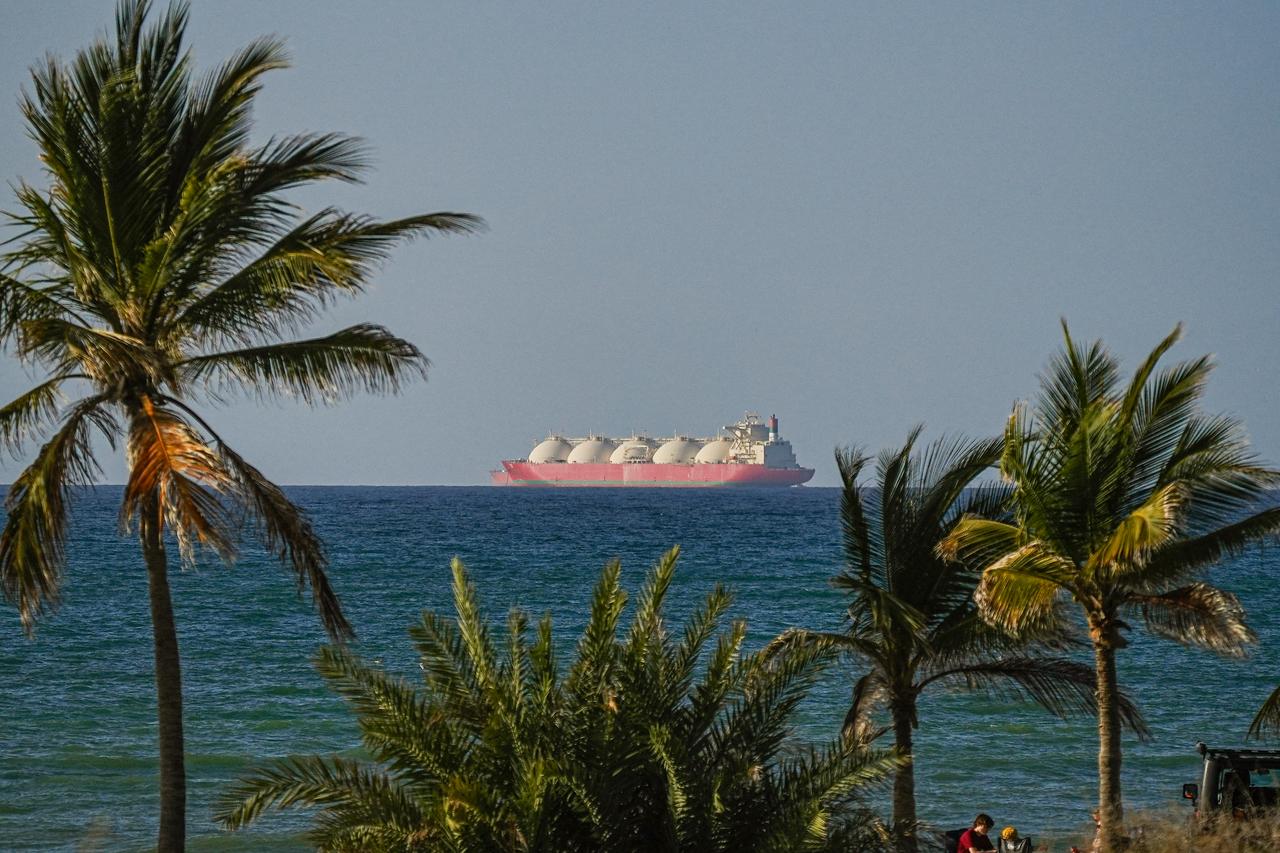


Several U.S.-sanctioned and Iran-linked vessels transited the Strait of Hormuz on the first day of the U.S. naval blockade of Iranian ports, according to ship-tracking data from Kpler, MarineTraffic and LSEG.
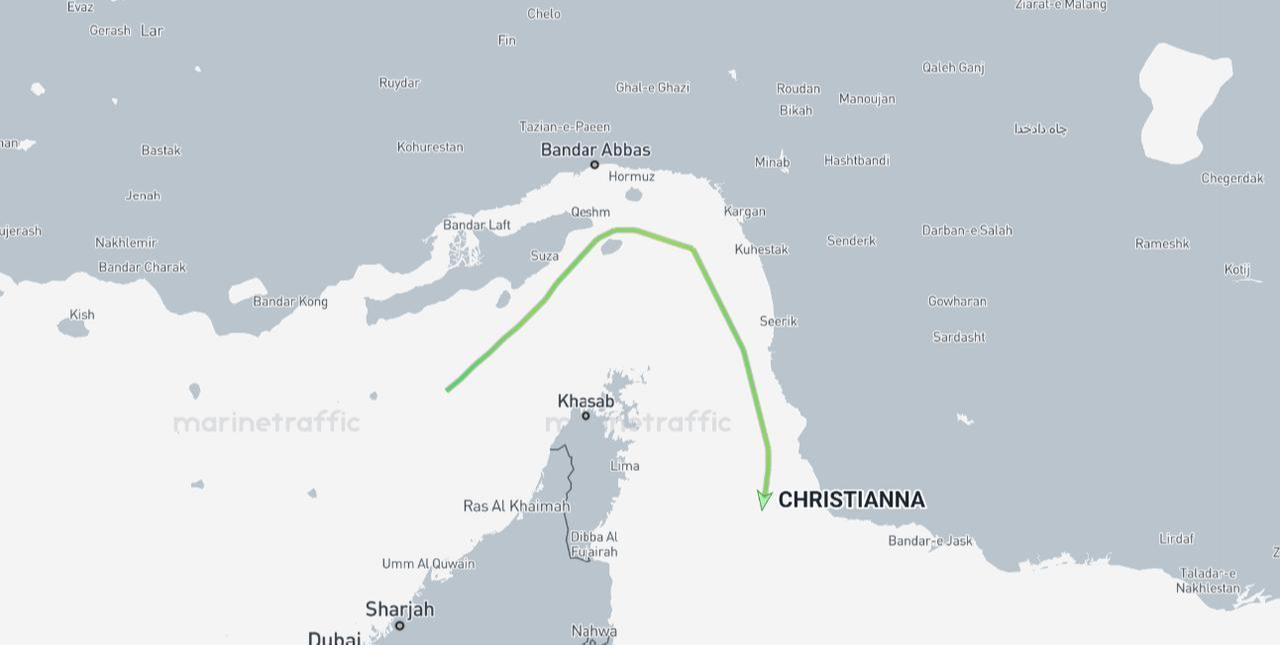
The Liberia-flagged bulk carrier Christianna transited the strategic strait after unloading corn at the Iranian port of Bandar Imam Khomeini, passing Iran's Larak Island around 4 p.m. GMT on Monday, Kpler said.
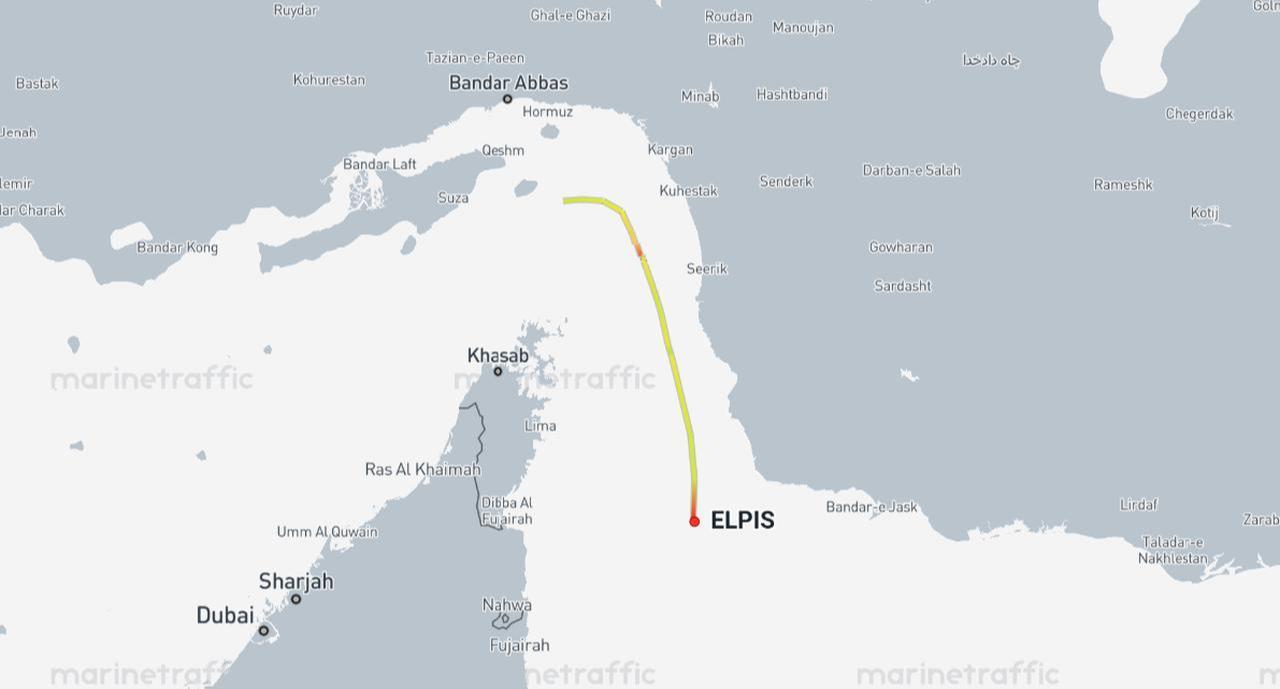
A second ship, the Comoros-flagged tanker Elpis, was near Larak Island around 11 a.m. GMT and cleared the strait about 4 p.m. GMT, the data showed.
The development raised questions about the enforcement of the naval blockade, as it remained unclear how American forces would intercept vessels violating the blockade.
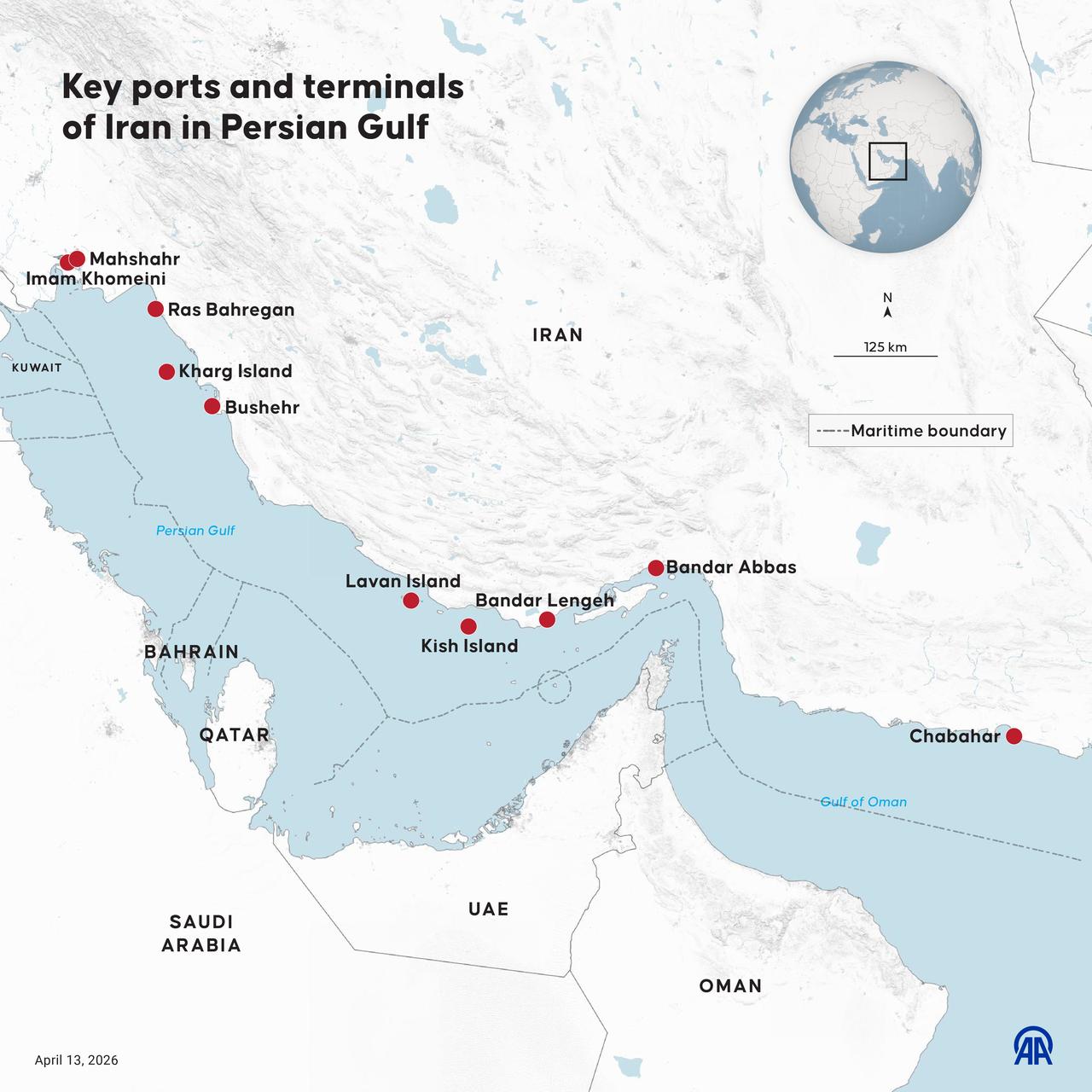

Ship-tracking data identified the following vessels crossing the Strait of Hormuz since the blockade took effect at 2 p.m. GMT Monday:
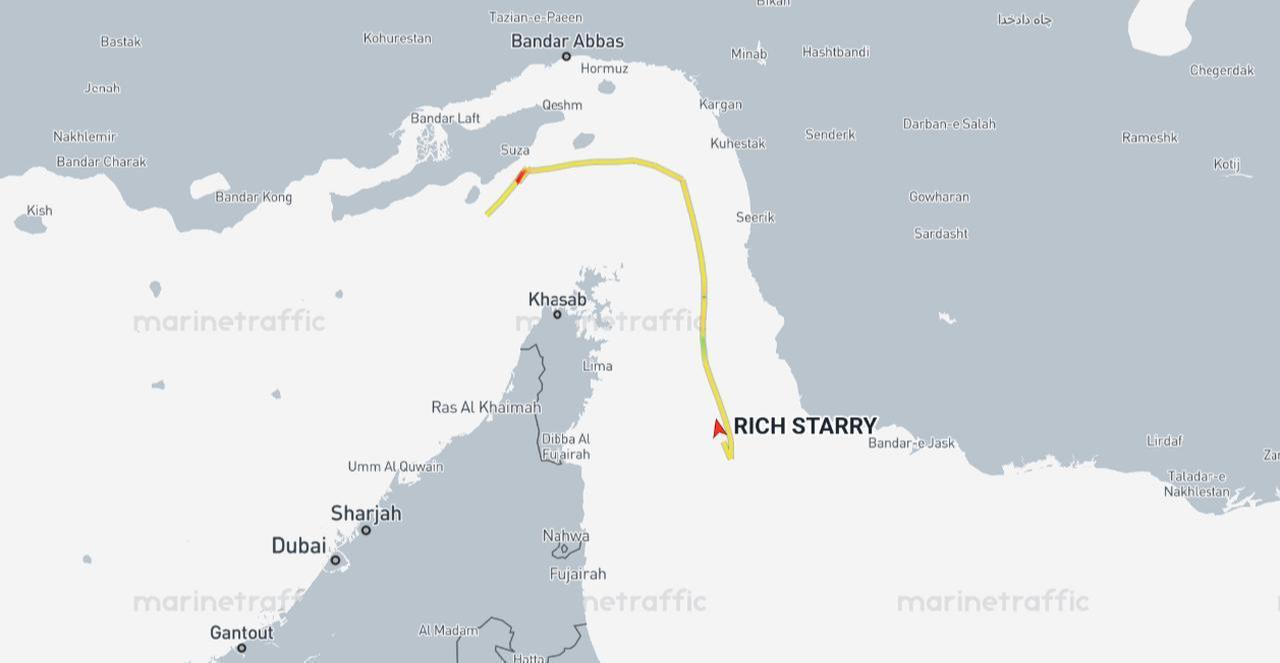
Rich Starry, a medium-range tanker carrying approximately 250,000 barrels of methanol loaded at the UAE's Hamriyah port, passed through the strait and into the Gulf of Oman.
The vessel, formerly named Full Star and operated under a false Malawi flag with Chinese owners and crew, was blacklisted by the U.S. Treasury Department in 2023 for involvement in shipping Iranian products. As its last port of call was in the UAE rather than Iran, it was not technically covered by the blockade.
Elpis, a methanol carrier under U.S. sanctions for brokering the sale and transportation of Iranian petroleum products, crossed the strait heading east after departing the Iranian port of Bushehr.
Kpler reported the vessel had previously sailed under the name Chamtang. Its destination was unknown.
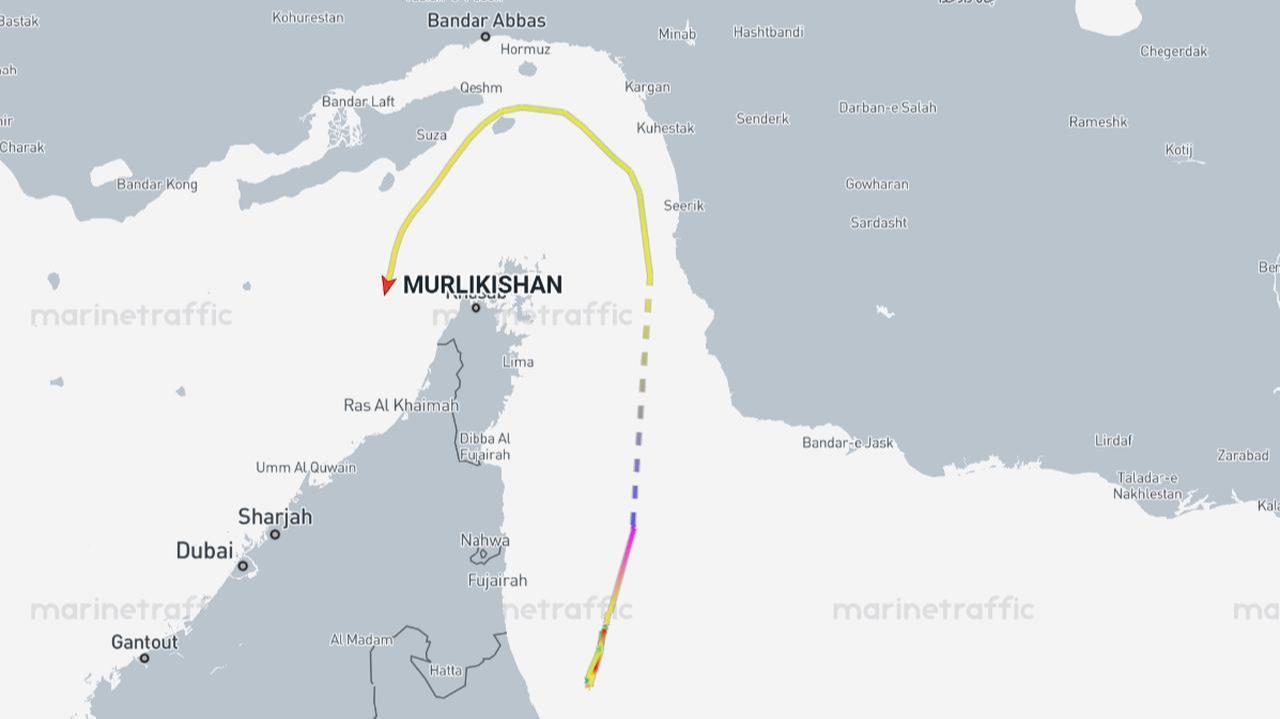
Murlikishan, an oil tanker formerly named MKA, entered the Persian Gulf via the strait early Tuesday, heading toward Iraq to load fuel oil.
The vessel is under U.S. sanctions for transporting Russian and Iranian oil. It was not carrying cargo at the time.
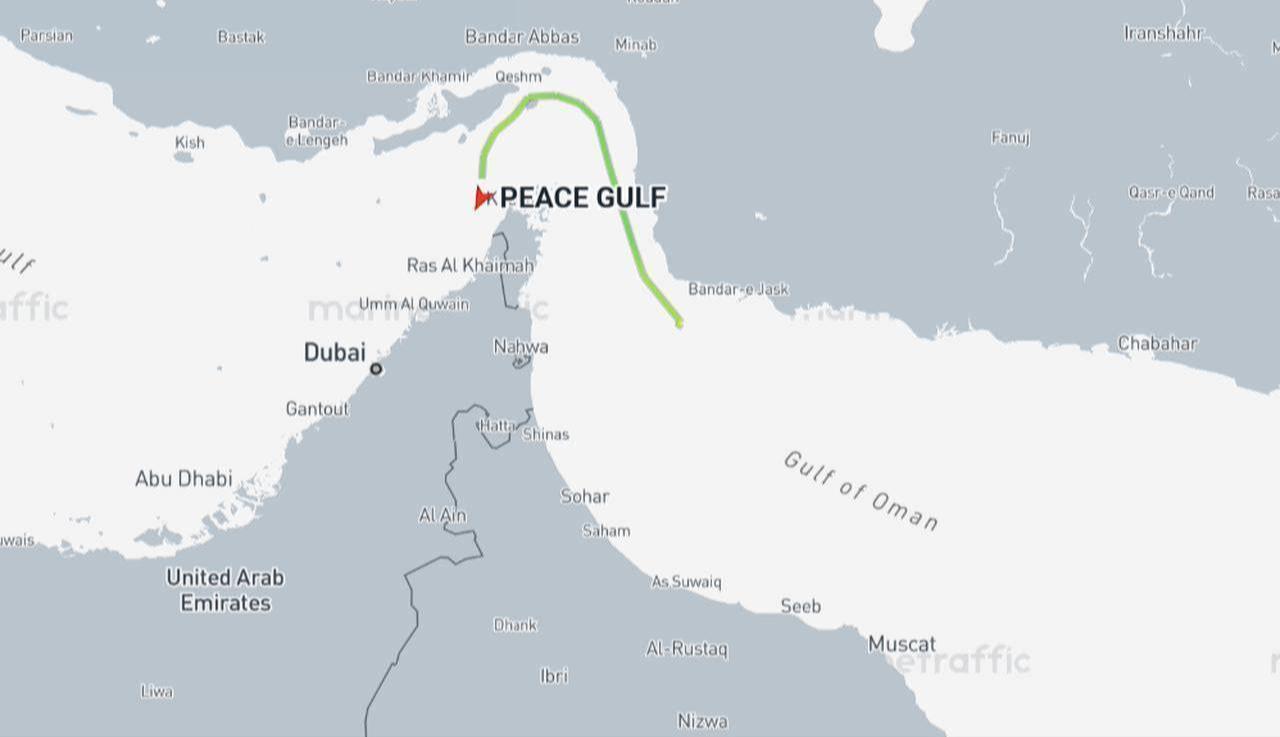
CENTCOM specified the blockade applies to "all maritime traffic entering and exiting Iranian ports and coastal areas" and does not impede transit to or from non-Iranian destinations.
As at least three of the vessels were heading to non-Iranian ports, they were not covered by the blockade's terms.
However, the passage of the Elpis, which departed directly from an Iranian port, without apparent interception, raised questions. It remained unclear whether vessels that had departed Iranian ports fell within a grace period around the deadline, had been authorized or had bypassed enforcement.
BBC Verify and other outlets noted that some vessels may have been "spoofing" their AIS tracking signals to conceal their location and port history, complicating the picture further.
Two vessels appeared deterred before the blockade began: the Chinese-linked bulk carrier Guan Yuan Fu Xing made an abrupt U-turn near the strait on its way from Oman; the Rich Starry initially turned back before eventually transiting hours later.
Overall, Hormuz crossings are currently a fraction of pre-war levels, when an average of 138 ships transited the waterway each day.


 Set as preferred source
 Set as preferred source


 1 min read
 1 min read