Newsletters


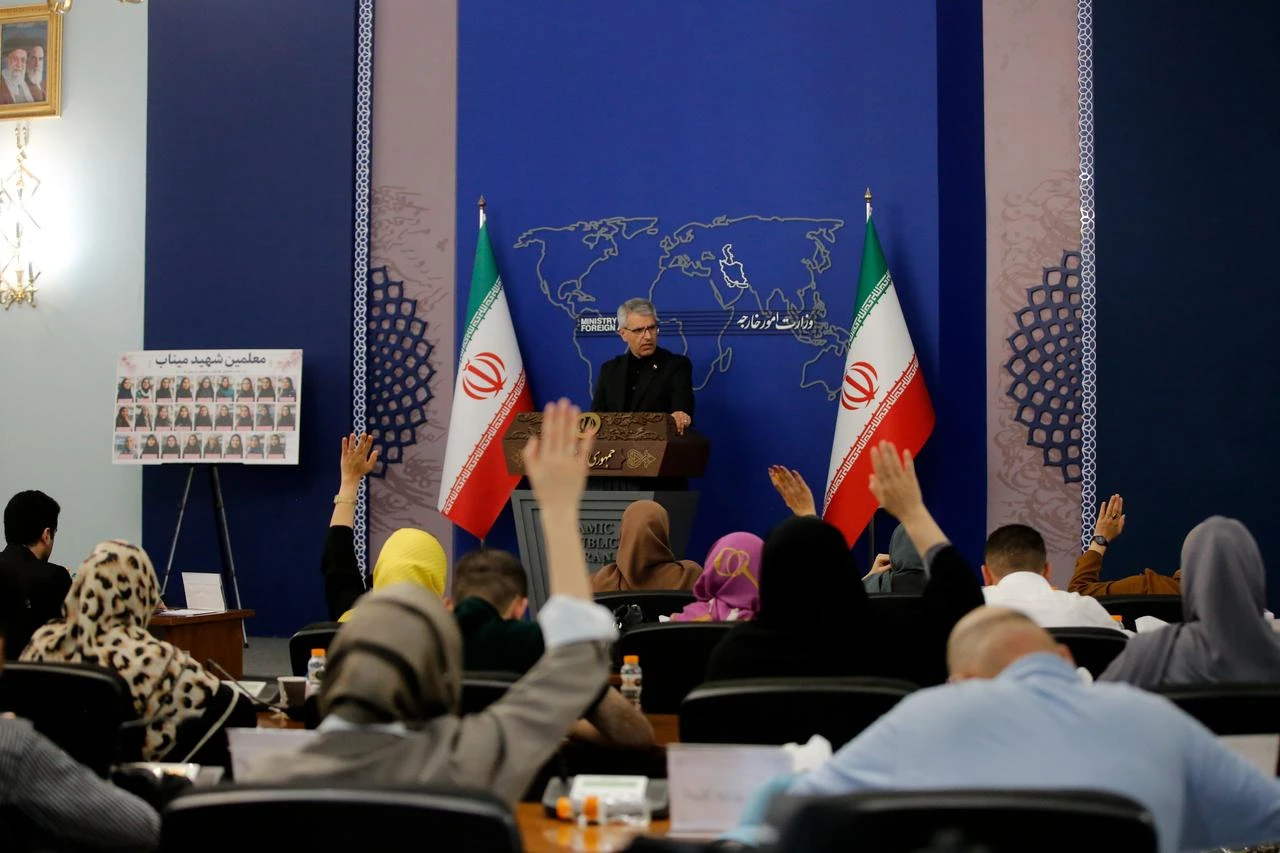
Iran's Foreign Ministry said Monday it is not currently hosting or attending any delegation for talks with the United States, while confirming that negotiations with Oman over Strait of Hormuz arrangements have been "pursued seriously" over the past week, spokesperson Esmaeil Baghaei told reporters.
Asked about reports of Qatari and Pakistani representatives arriving to begin Iran-U.S. negotiations, Baghaei said: "In these days, we are neither going to host a delegation from outside, nor are we going to be a guest anywhere."
He said diplomatic contacts continue more broadly, with Iran's foreign minister maintaining calls with regional and international counterparts aimed at preventing an escalation of insecurity and safeguarding Iran's national interests and security.
Baghaei separately said negotiations with Oman had been "pursued seriously" over the preceding seven to eight days.
Asked whether China is mediating between Iran and the U.S. on the Strait of Hormuz issue, Baghaei said Pakistan remains the mediator on Iran-U.S. matters, with Qatar assisting where necessary.
He said Iran maintains close, friendly relations with China and that Beijing shares Iran's concerns about what he called destructive U.S. unilateralism and regional instability, with Chinese officials using their good offices to help prevent escalation, but said this did not amount to China being added as a new formal mediator alongside existing ones.

"We are creating a temporary corridor in the Strait of Hormuz, not two or three separate routes. The proposed Hormuz route must meet the interests and considerations of both coastal states. The U.S. effort to open the southern route of Hormuz conflicted with the provisions of the understanding," Baghaei said.
"During this period, the negotiations have been centered around the idea that the southern route, i.e., the route that passes through Omani waters, and the northern route that passes through Iranian territorial waters, should become an intermediate route; a route that meets the considerations and interests of both coastal states. Therefore, now we are talking about a corridor that will have a return route, not two or three separate routes. This intermediate route is intended to be used temporarily until a decision is made on a fixed route to replace what is known in international shipping literature as the 'TSS'," he added.
"We will have to wait a while to see whether the negotiations with Oman can be connected to another process and lead to a reduction in tension in the region," Baghaei said.
The Iranian official added: "These negotiations are for an understanding on a safe shipping route between Iran and Oman. We will have to wait a while to see whether this stage and this process can be connected to another process that leads to a reduction in tension in the region."
"Since the content of this memorandum is still under negotiation, let me confine myself to the same explanations I gave. As a rule, in any understanding regarding shipping traffic between two coastal states, all issues related to the sovereignty and sovereign rights of the two countries, as well as issues of national security, national interests, and issues related to maritime services, are definitely considered and examined."
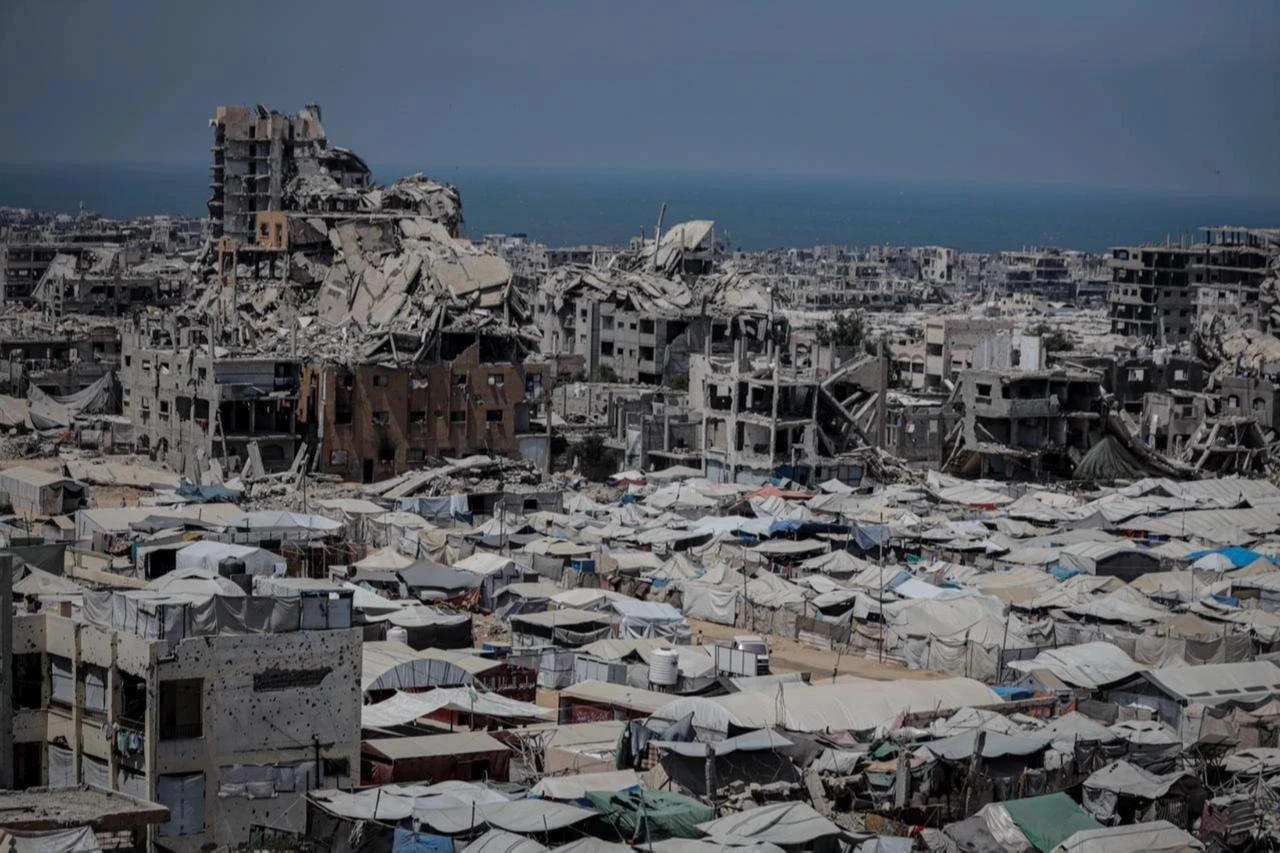
Asked about reports that a call between Saudi Crown Prince Mohammed bin Salman and President Trump had led to the cancellation of a threatened attack on Iran, and whether this reflected Saudi diplomatic intervention or Iranian deterrence, Baghaei welcomed regional states' growing sense of shared stake in the region's stability, saying the U.S. war against Iran amounted to a war against the whole region's security.
He said the past five months had shown that U.S. military presence and use of Gulf states' territory had increased insecurity for all regional countries, making it natural for those states to seek to prevent further escalation.
"We appreciate these efforts, but experience has proven to us that what can ultimately deter the enemy from escalating hostility against Iran is nothing other than (Iran's own) strength and deterrent capability," Baghaei said.
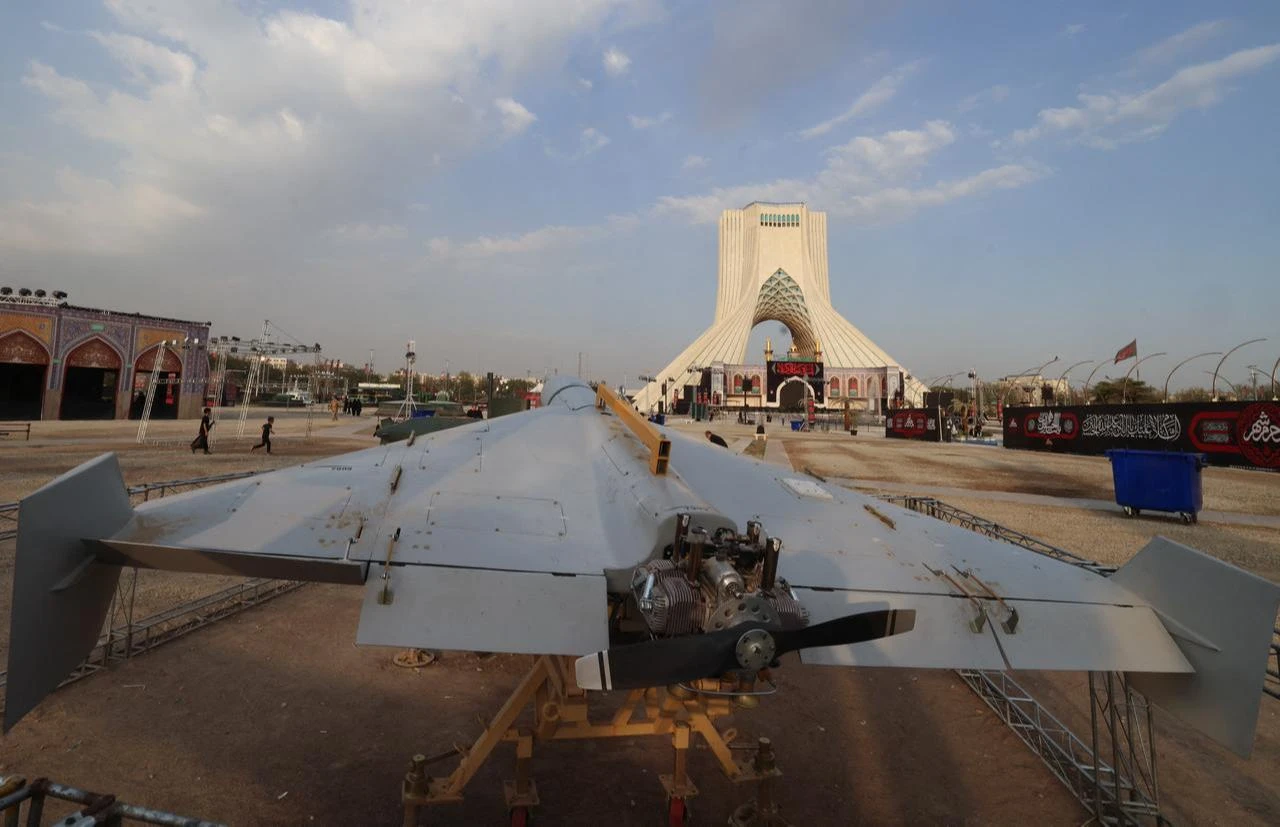
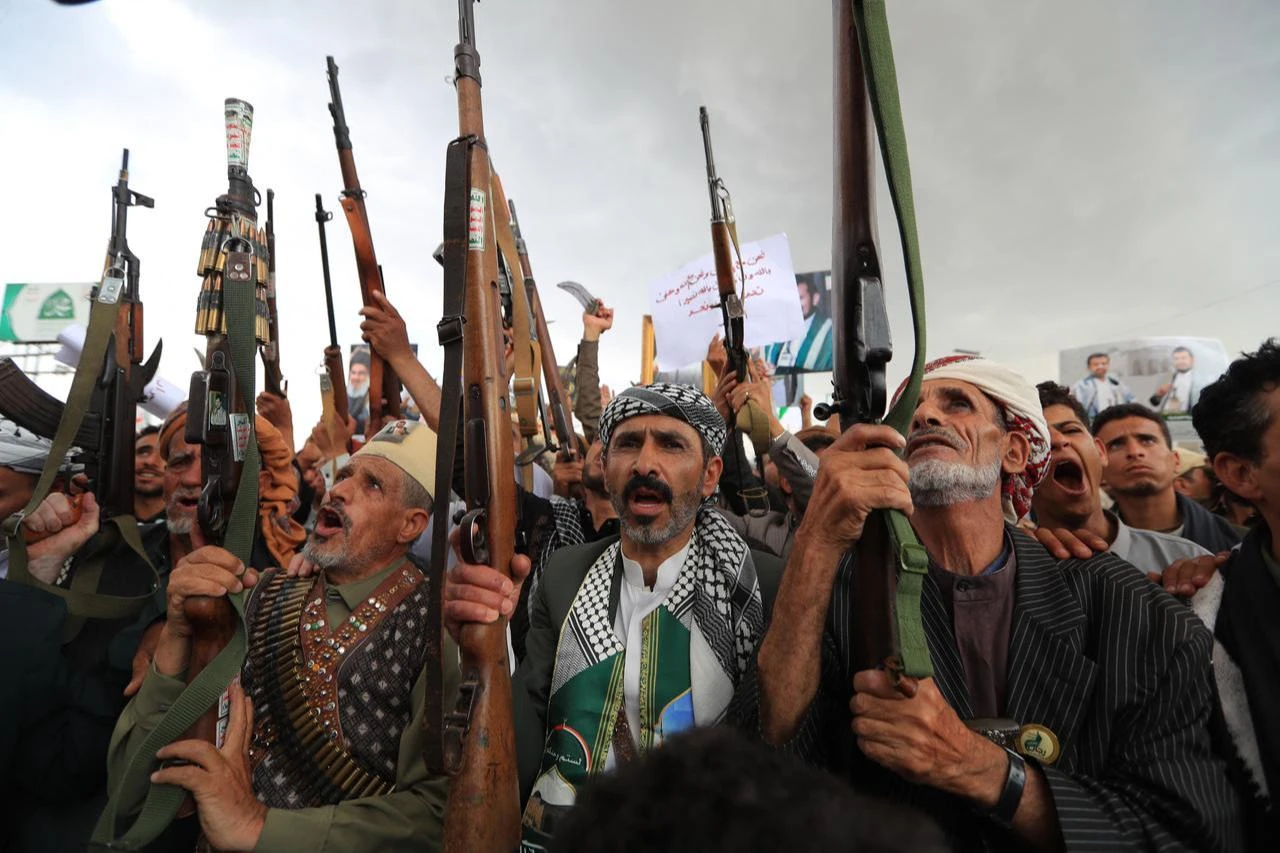
Asked about accusations that Iran is seeking to open new fronts and expand the war geographically, following recent Houthi attacks and an unproven claim of an Iraqi resistance drone strike on Saudi oil facilities, Baghaei rejected the accusation as a deliberate distortion of facts, saying Iran did not open any front when the war began five months ago despite the U.S. and Israel using regional states' territory against it from the outset.
He said the Yemen issue is a matter for Yemenis themselves to resolve, saying Iran has repeatedly stated the crisis should be resolved through dialogue based on a previously agreed-upon roadmap and that attempts to tie every regional development to the war imposed on Iran amount to an excuse to avoid accountability.
"They started this crisis themselves. A fire that is set will naturally spread," he said, arguing that responsibility for regional developments rests first with the U.S. and then with those he characterized as complicit with it.
Asked about Iran's response to a separate, earlier attack on an Iranian commercial vessel in Russian waters, Baghaei said Ukrainian officials, both in direct contact with Iran's foreign minister and in written messages, have insisted the strike was unintentional.
However, Baghaei said the evidence, including what he characterized as explicit remarks by Ukraine's president, indicated the attack was deliberate.
"We have heard the explanations of Ukrainian officials, and we are waiting to see whether, in practice, they will take action that supports and confirms their claim that this crime was unintentional," he said, adding that Iran would take "any necessary action" to hold Ukraine accountable and to prevent a repeat of what he called this error or crime.


 Set as preferred source
 Set as preferred source


 2 min read