Newsletters





An Iranian missile landed near the office of Israeli Prime Minister Benjamin Netanyahu in Al-Quds on Tuesday morning, according to Iran’s Tasnim news agency.
The report said in a X post that the missile struck a position "a few meters" from the building housing Netanyahu’s office. No sources were cited, and there has been no immediate confirmation from Israeli authorities.
The reported strike followed statements over the weekend from Iran’s Islamic Revolutionary Guard Corps (IRGC), which said it would "hunt down" and "kill" Netanyahu if he is "still alive." The warning came after unverified rumors circulated suggesting that Netanyahu had died. His office rejected those claims and said he remained alive.
Separately, Tasnim reported that Iranian operations targeting United States military facilities across the region caused widespread damage. The agency claimed that more than 80% of U.S. strategic radar systems in the region were destroyed or severely damaged, along with critical infrastructure at several bases.
The report said missile and drone units targeted command centers, control towers, air defense storage facilities, and logistics hubs in a coordinated operation, including Al Dhafra Air Base in the United Arab Emirates, Al-Udairi helicopter base and Ali Al Salem Air Base in Kuwait, and Sheikh Isa Air Base in Bahrain.


The showdown comes amid a broader military escalation that began on Feb. 28, when the United States and Israel launched large-scale strikes targeting Iran’s military infrastructure and leadership, killing Supreme Leader Ali Khamenei.
Iran responded with a wave of retaliatory actions, including ballistic missile and drone attacks on Israeli territory, U.S. military installations, and sites across Gulf countries, turning the confrontation into a region-wide conflict. The Islamic Revolutionary Guard Corps (IRGC) has led much of Iran’s response, relying on dispersed missile and drone operations rather than direct conventional warfare.
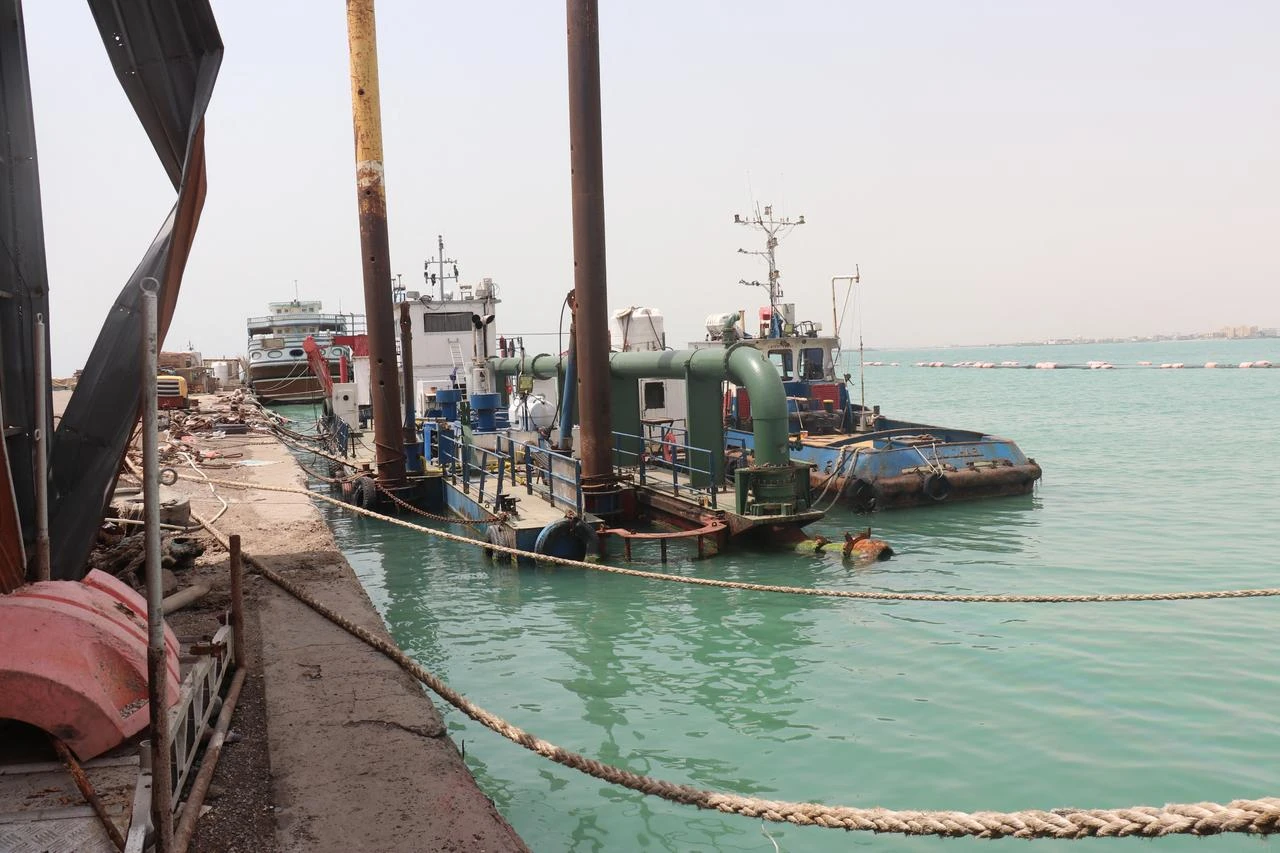
A key element of the escalation has been Iran’s move to effectively shut down the Strait of Hormuz, a narrow waterway that handles roughly 20% of global oil shipments. Following the closure, Iran launched repeated attacks on commercial vessels and energy infrastructure, while warning that ships attempting to pass could be targeted. Shipping traffic through the strait has dropped sharply, and energy markets have reacted with price spikes as supply routes remain disrupted.


 Set as preferred source
 Set as preferred source


 1 min read

 1 min read