Newsletters


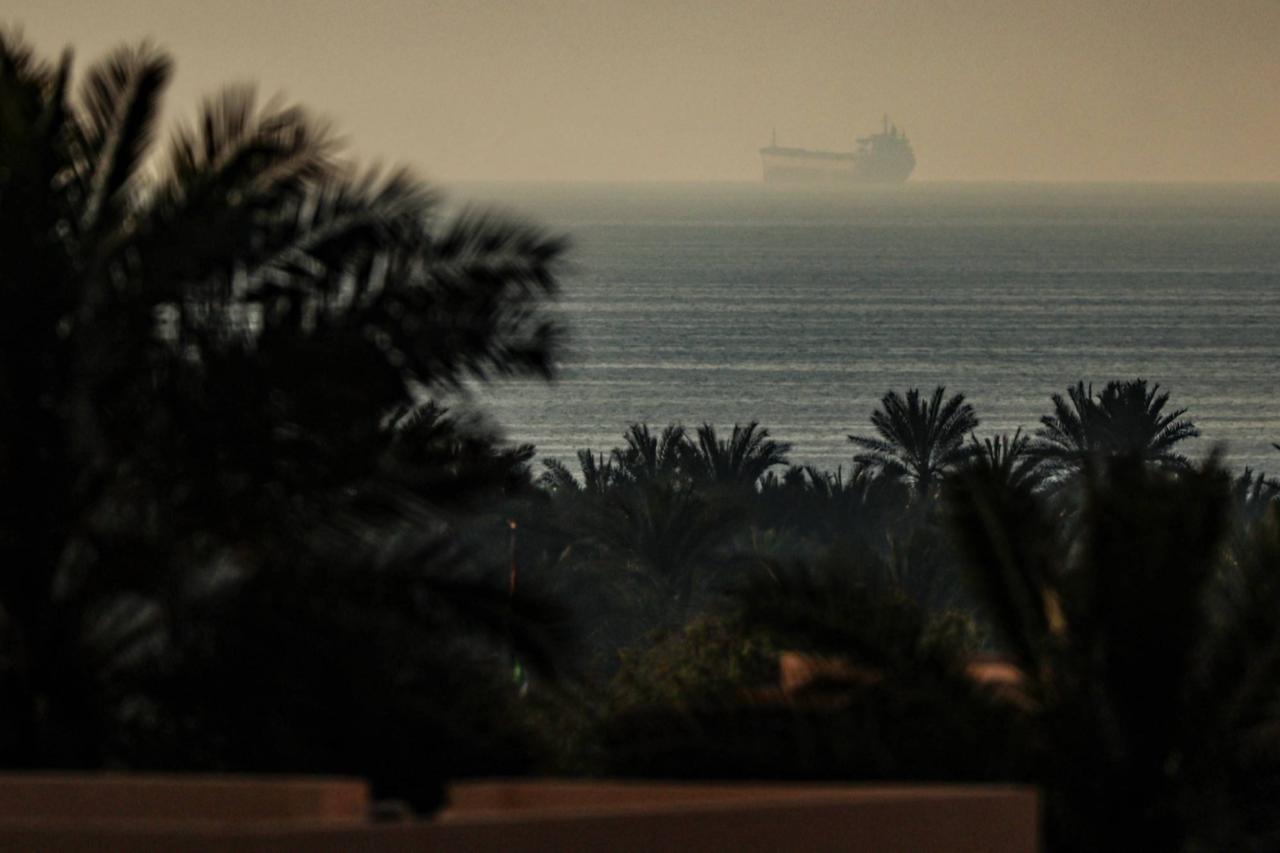


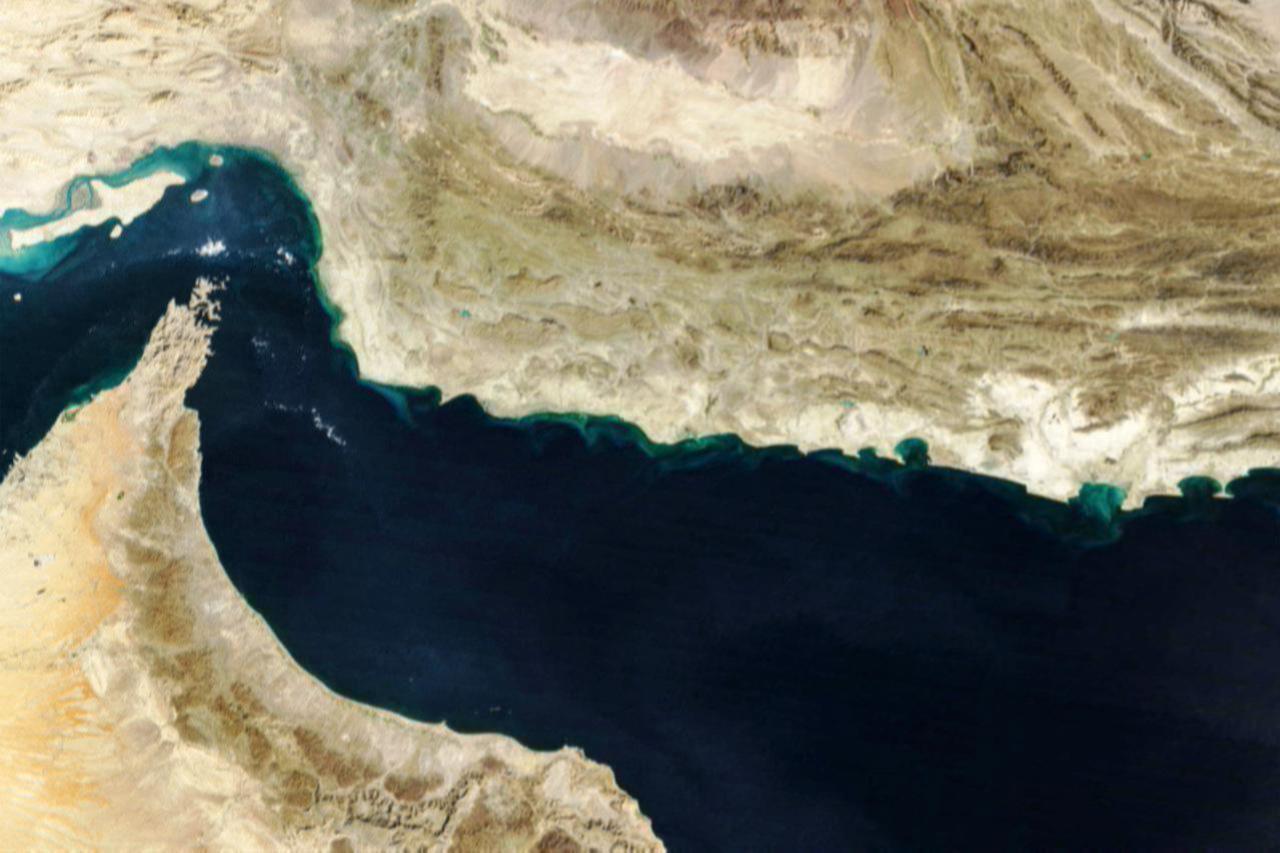
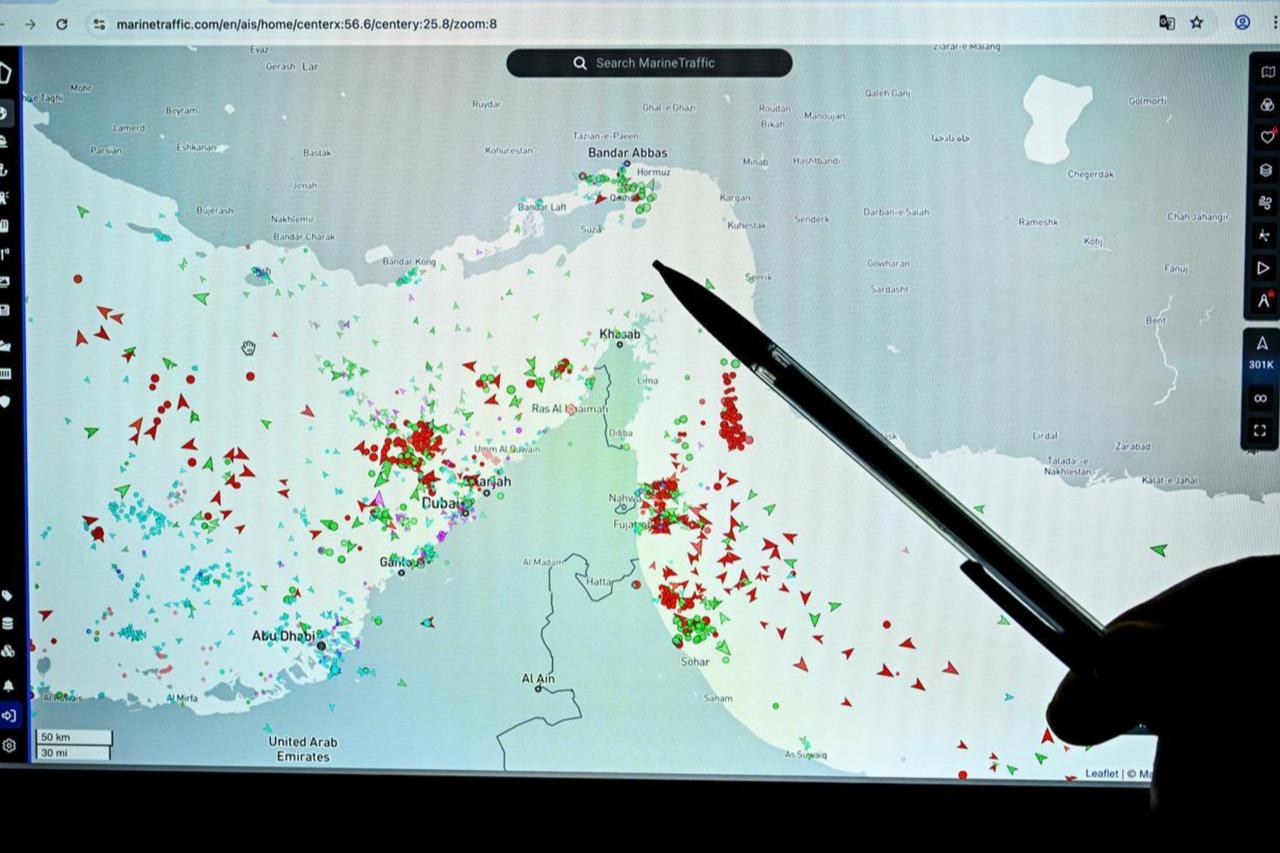
U.S. officials say at least a dozen Iranian naval mines have been deployed in the Strait of Hormuz amid ongoing tensions and diplomatic contacts with Tehran, according to a report by CBS News.
The assessment, based on current American intelligence, comes as the Trump administration presses Iran to maintain the free flow of commerce through the strategic waterway, CBS News reported, citing officials familiar with the matter.
U.S. officials who reviewed current intelligence assessments told CBS News that Iran has deployed at least a dozen underwater mines in the Strait of Hormuz, though another U.S. official said the number may be slightly lower.
The mines identified include the Iranian-manufactured Maham 3 and Maham 7 limpet mines, according to officials who spoke on condition of anonymity due to the sensitivity of national security information.

The Maham 3 is a moored naval mine equipped with magnetic and acoustic sensors that can detect nearby vessels without direct contact. It is capable of engaging targets within about 10 feet and uses an electronic timer to control activation.
The system includes one magnetic and two passive acoustic sensors that can be configured through coded inputs, according to the Collective Awareness to Unexploded Ordnance platform.
The Maham 7, first publicly displayed in 2015, is described as a “sticking mine” designed to rest on the seabed. It uses acoustic and three-axis magnetic sensors to detect vessels and is intended to target medium-sized ships, landing craft and smaller submarines.
The device can be deployed from surface vessels or dropped by aircraft and helicopters, including in shallow waters. Its shape is designed to scatter sonar waves, making it more difficult to detect by minesweeping systems, according to the same source.
President Donald Trump said Monday he would step back from earlier threats to “obliterate” Iranian power plants if the strait remained blocked, noting that discussions with Tehran were underway.
Trump said U.S. Middle East envoy Steve Witkoff and his son-in-law Jared Kushner had engaged in negotiations with Iran.
“That’ll be open very soon, if this works,” Trump said of the strait, adding that oil flows could be jointly controlled by “me and the Ayatollah, whoever the Ayatollah is.”
Iran’s foreign ministry denied that direct negotiations had taken place, while Iranian state media accused Trump of attempting to buy time.
A White House spokesperson, Anna Kelly, said the Department of War has destroyed more than 40 minelaying vessels to prevent Iran from disrupting energy flows, adding that multiple countries have agreed to assist in the effort.
Gen. Dan Caine said U.S. Central Command continues to target mine storage sites and naval ammunition depots.
“We continue to hunt and kill afloat assets, including more than 120 vessels and 44 mine layers, and the pressure will continue,” Caine said.
He also highlighted strikes on Kharg Island, where Iran maintains mine storage and deployment facilities. Adm. Brad Cooper has overseen more than 90 precision strikes in the area.
U.S. Central Command declined to comment when contacted by CBS News.
Earlier reporting by CBS News indicated that Iran was preparing to deploy naval mines in the Strait of Hormuz to disrupt shipping lanes. Officials said Iran has been using small vessels capable of carrying two to three mines each.
While no official figures are publicly available, estimates suggest Iran’s naval mine stockpile ranges from approximately 2,000 to 6,000 units, sourced from Iran, China or Russia, including older Soviet-era mines.
A 2019 Defense Intelligence Agency report assessed that Iran possessed more than 5,000 naval mines that could be rapidly deployed using high-speed boats configured as minelayers.
Trump wrote on Truth Social: “If Iran has put out any mines in the Hormuz Strait, and we have no reports of them doing so, we want them removed, IMMEDIATELY!”
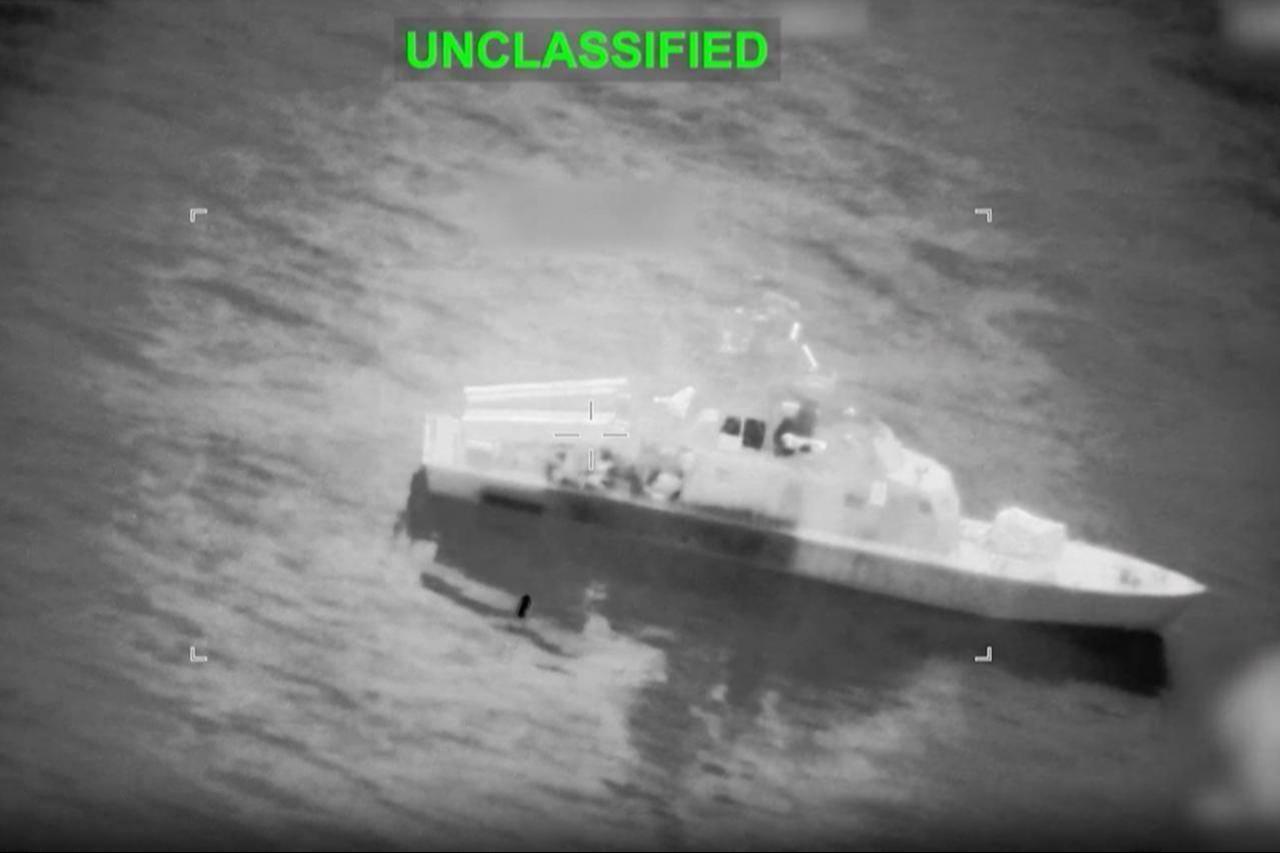
U.S. Central Command also released declassified footage showing airstrikes on 16 minelayers near the strait.
Other outlets, including Reuters, have also reported that Iran had laid mines in the area earlier this month.
The ongoing U.S.-Israel war with Iran, now in its fourth week, has had significant global economic effects. Before the conflict began on Feb. 28, about 20% of the world’s oil supply passed through the Strait of Hormuz.
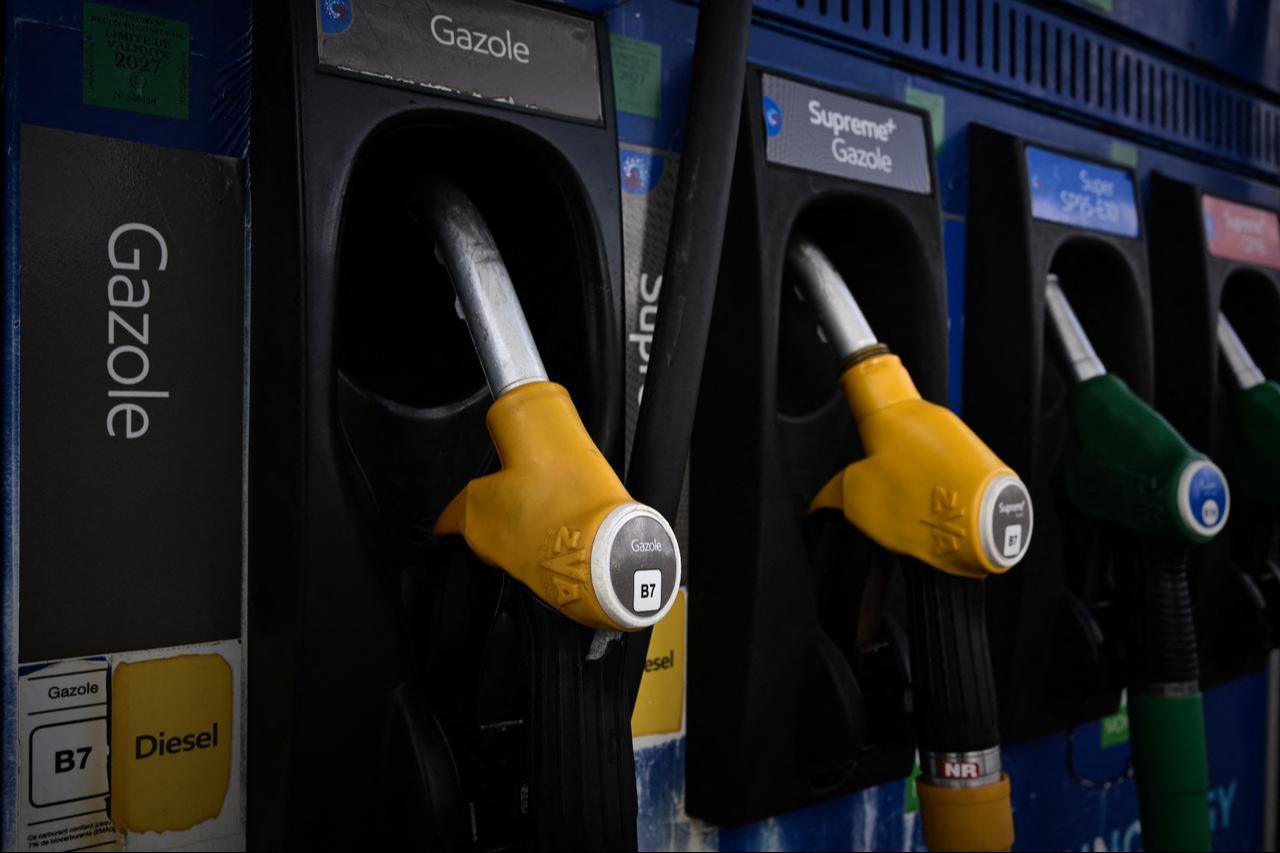
Domestic gasoline prices in the United States have risen by roughly one dollar per gallon on average, according to GasBuddy.com.
A recent CBS News poll found that 57% of Americans believe the conflict is going “very to somewhat badly,” while 43% said it was going “very to somewhat well.” Overall, 62% disapprove of Trump’s handling of the war, while 38% approve.
Financial markets reacted positively Monday after Trump said he would delay his ultimatum deadline. The Dow Jones Industrial Average rose more than 1,000 points, gaining 2.4% to 46,654.
The S&P 500 increased 2.1%, while the Nasdaq Composite climbed 2.4%, led by technology stocks.


 Set as preferred source
 Set as preferred source


 1 min read
 1 min read