Newsletters


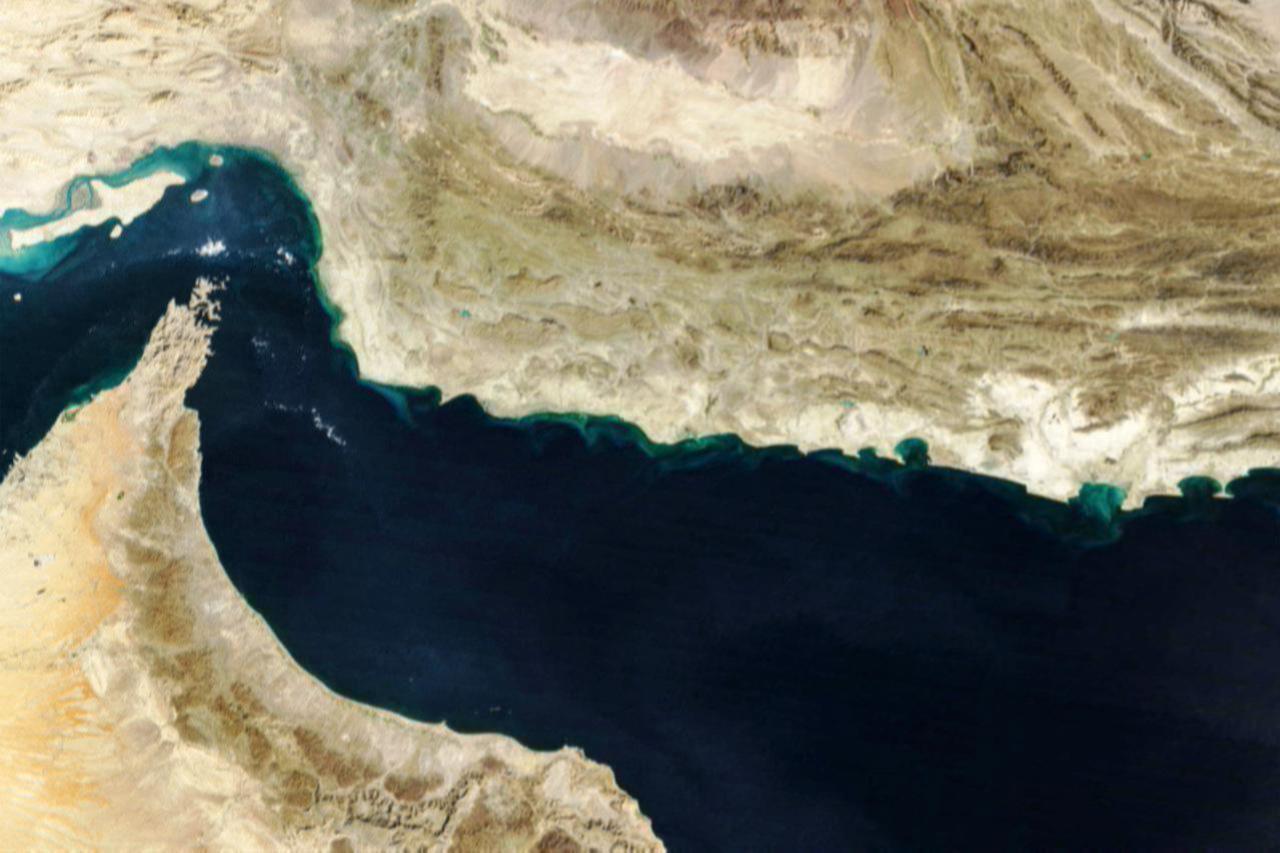


Sanctioned tankers and shadow fleet vessels now make up the overwhelming majority of shipping through the Strait of Hormuz, as the near-total blockade of the world's most important oil chokepoint enters its fourth week with crossings down 95 percent and Iran exercising case-by-case control over what little traffic remains.
From March 1 to March 23, commodities carriers made just 144 crossings of the 167-kilometre strait, according to analytics firm Kpler, a 95 percent plunge from normal peacetime volumes. Of those, 91 were oil and gas tankers, with more than half loaded and the majority heading eastward out of the waterway.
"Traffic through the Strait of Hormuz continues to be severely disrupted," shipping intelligence journal Lloyd's List said in its latest update on Monday.
The waterway, which in peacetime handles roughly a fifth of the world's oil and liquefied natural gas, has been functionally controlled by Iranian forces since the war erupted on February 28. What movement there is paints a picture of a trade route operating under coercion rather than commerce: more than 40 percent of all transiting vessels since the conflict began are under US, EU or UK sanctions, according to an AFP analysis of passage data. Among oil and gas tankers specifically, nearly 59 percent were sanctioned.
Since March 16, westbound traffic has been almost entirely made up of shadow fleet vessels, gas carriers and tankers, Bridget Diakun, an analyst at Lloyd's List Intelligence, told a Lloyd's List briefing, adding that they "absolutely dominate the traffic going through."
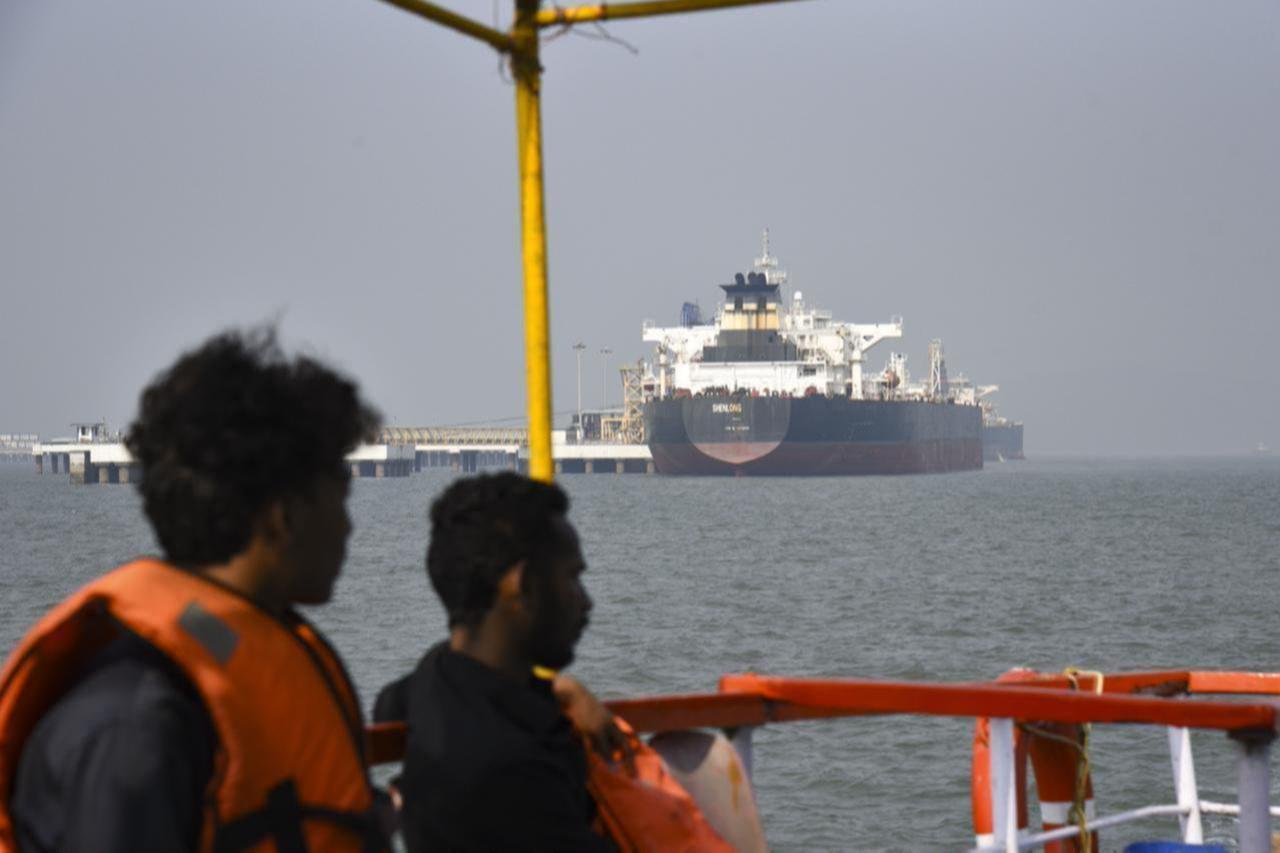

Monday's crossings offered a window into how the strait is now functioning. Two Indian-flagged tankers carrying liquefied petroleum gas, a China-bound methanol carrier and a Chinese-owned containership were among the vessels to pass through the waterway.
All appeared to use a purported Tehran-approved northern route that threads around Larak Island, just off the Iranian coast. Lloyd's List reported it has tracked more than 20 ships using the so-called corridor, with the majority Greek-owned but others flagged in India, Pakistan and Syria.
Iranian authorities are reportedly handling transit requests on a case-by-case basis, with some governments, including India, said to be negotiating for bulk passage arrangements. At least one vetted vessel paid a reported $2 million to pass safely through the strait, Lloyd's List reported last week.
The Panama-flagged Bright Gold, carrying around 40,000 tonnes of methanol, was due to arrive in China on April 13. A Chinese-owned containership, the Newvoyager, also transited after making a payment to Iranian authorities, though Lloyd's List said the exact amount and method could not be confirmed.
In a rare occurrence for non-Iranian vessels in the current climate, two of Monday's ships, the Bright Gold and the Indian tanker Pine Gas, kept their AIS transponders switched on.
The biggest share of vessels passing through the strait are owned or flagged in Iran, followed by Greek and Chinese carriers, according to Diakun.
"Although Iran is continuing to control the Strait and exit its own oil, everything else is largely still at a standstill," she noted.
JPMorgan commodities analysts said 98 percent of observable oil traffic through the strait was Iranian, averaging 1.3 million barrels a day in early March. Most of that crude was headed for Asia, principally China.
The disruption is now rippling through global energy markets beyond crude oil. Around 11 LNG tankers originally bound for Europe have been diverted to Asia since March 3, according to MarineTraffic's analysis of market data, amid restricted supply and rising spot prices.
Cichen Shen, Asia Pacific editor at Lloyd's List, said there were indications online that Chinese authorities were working on "some sort of exit plan" for large tankers stranded in the region.
The Strait of Hormuz, a narrow waterway between Iran and Oman at the mouth of the Persian Gulf, has long been considered one of the most strategically sensitive bottlenecks in global trade. Its near-total closure marks an unprecedented disruption to maritime commerce through the passage, which major oil-producing Gulf states, including Saudi Arabia, the UAE, Kuwait, Iraq and Qatar, depend on to export hydrocarbons to world markets.


 Set as preferred source
 Set as preferred source


 1 min read
 1 min read