Newsletters


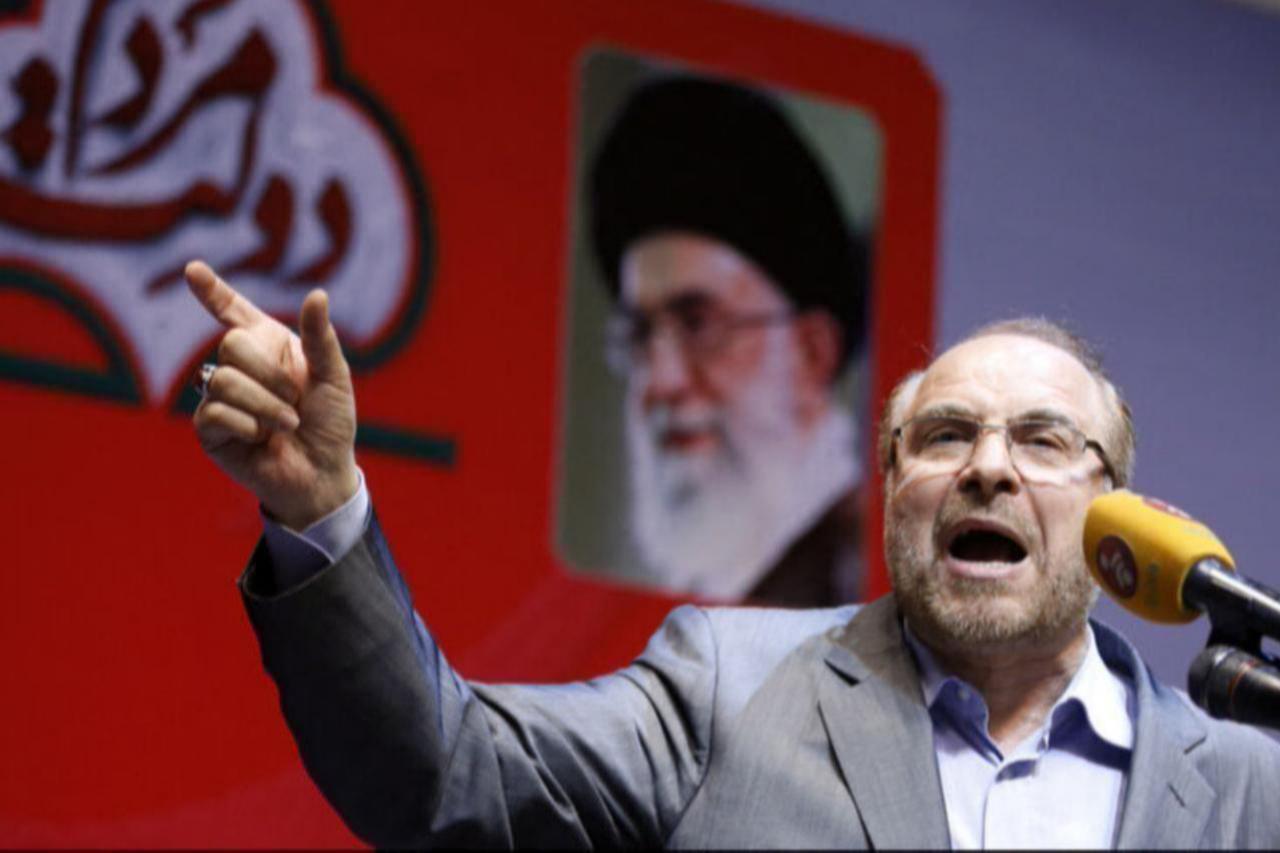


Pakistani Interior Minister Mohsin Naqvi met separately with Iranian President Masoud Pezeshkian and parliament Speaker Mohammad Baqer Ghalibaf in Tehran on Sunday, with both sides crediting Islamabad's mediation for the ceasefire that halted a conflict begun in February, while Iranian officials used the occasion to sharply criticize the United States' role in the region.
The 90-minute meeting between Pezeshkian and Naqvi was also attended by Iranian Interior Minister Eskandar Momeni and Foreign Minister Abbas Araghchi, reflecting the diplomatic weight Tehran attached to the visit.
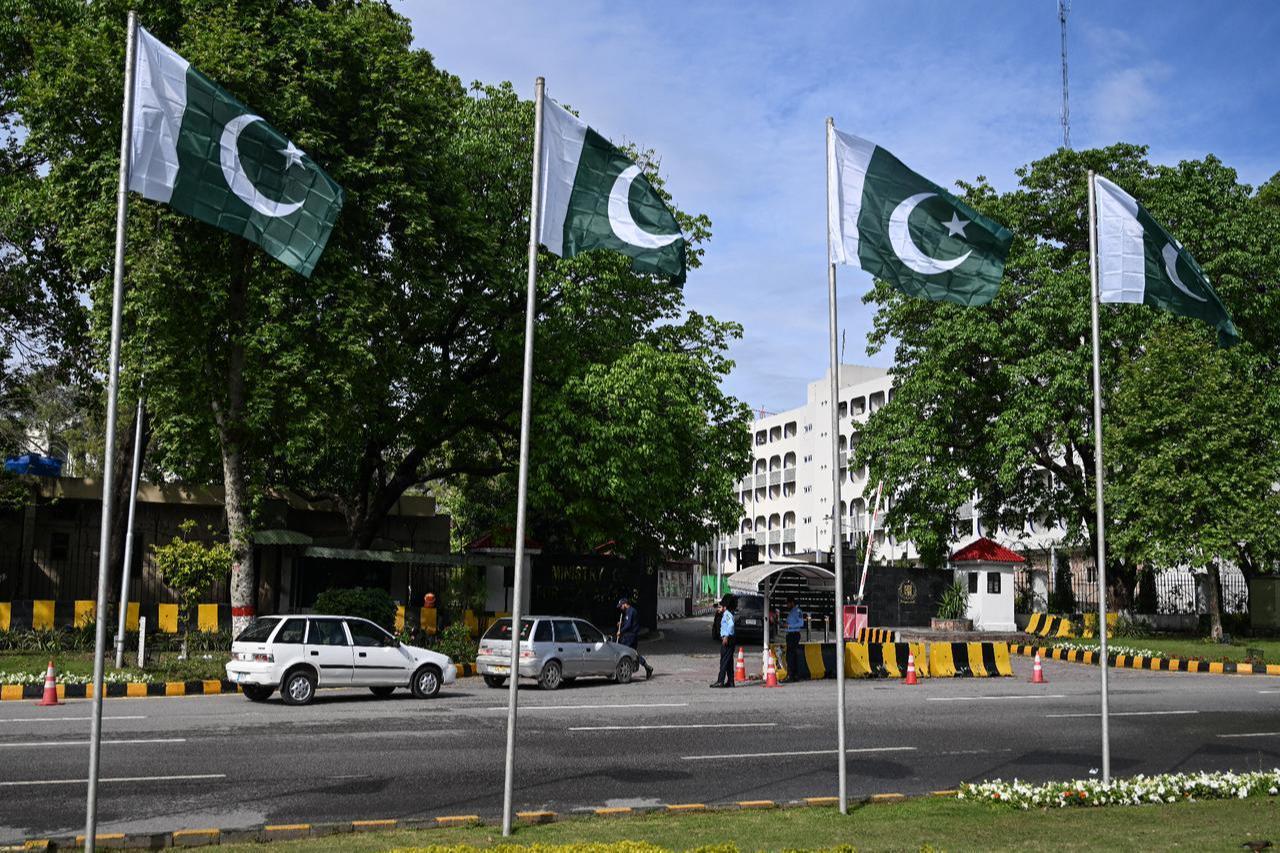

Pezeshkian thanked Pakistan, along with Afghanistan and Iraq, for refusing to allow their territories to be used for attacks against Iran, describing it as a significant act of solidarity. He said the U.S. and Israel had sought to arm separatist groups and foment internal instability inside Iran, but that the Iranian people's resolve had prevented their objectives from being achieved.
"The main objective of the United States and the Zionist regime in attacking the Islamic Republic of Iran was to create internal instability and attempt to weaken and overthrow the Islamic system," Pezeshkian said, adding that Iranians had demonstrated "cohesion, strength and loyalty" by standing behind the country during the conflict.
Naqvi, for his part, said the recent events had clarified the real nature of regional dynamics for public opinion, noting that "critical moments" reveal who genuine friends and enemies are.
In his separate meeting with Naqvi, parliament Speaker Ghalibaf argued that Washington's military and political footprint in the Middle East undermines, rather than ensures, stability. "Recent events showed that the U.S. presence in the region causes insecurity," he said, pushing back against what he described as a widespread but mistaken belief among some regional governments that American engagement brings security.
Ghalibaf said the antidote to that insecurity lies in closer cooperation among regional states themselves, and called for deeper bilateral ties with Pakistan. He also thanked Islamabad for its cooperation throughout the conflict, which began on February 28.
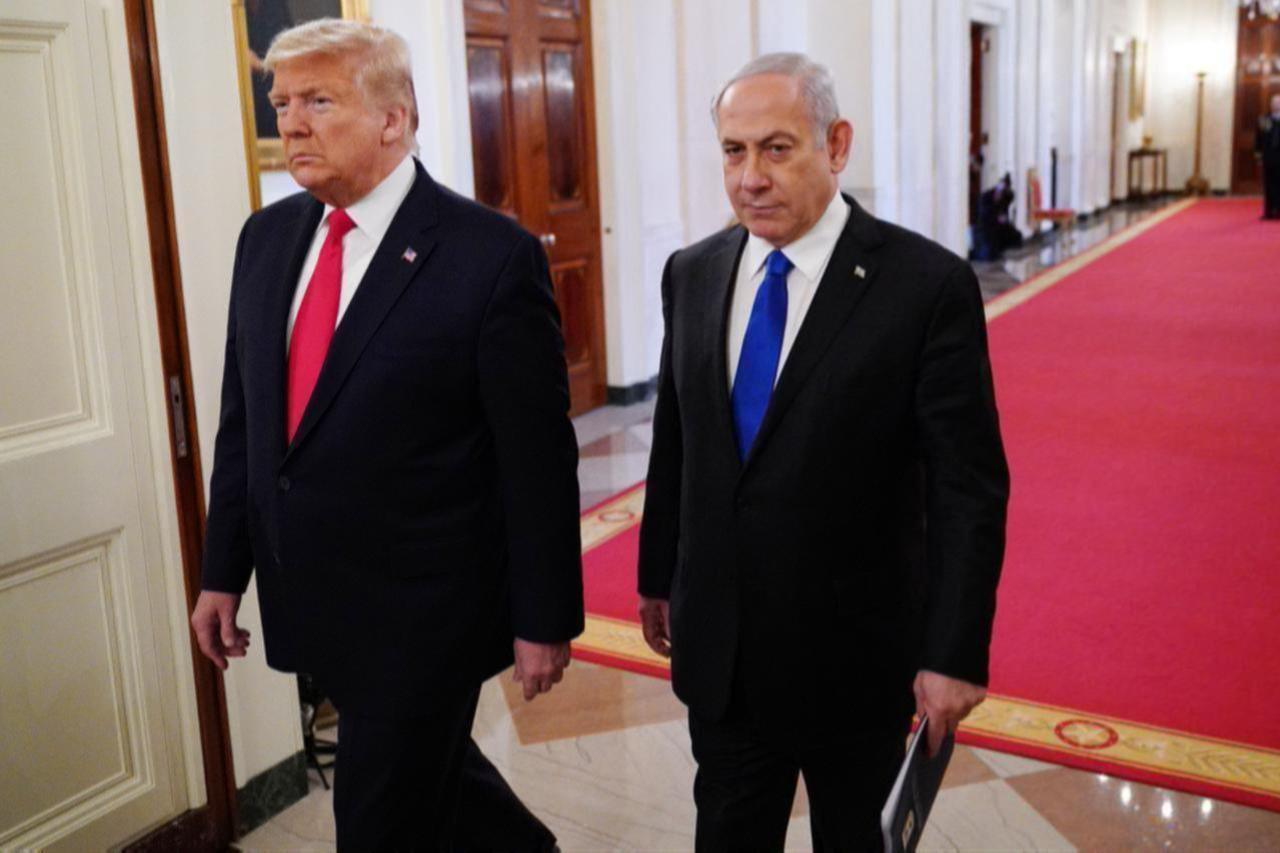
A ceasefire brokered through Pakistani mediation took effect on April 8, halting exchanges that had included U.S. and Israeli strikes on Iran, Iranian retaliatory strikes targeting Israel and U.S. allies in the Gulf, and the closure of the Strait of Hormuz, one of the world's most critical oil transit chokepoints. Subsequent talks in Islamabad, however, failed to produce a durable settlement. U.S. President Donald Trump later extended the truce indefinitely.
Naqvi said Pakistan hopes that ongoing negotiations will ultimately yield a concrete result, while Pezeshkian expressed the hope that diplomatic efforts would help secure a lasting peace.
Both Iranian officials framed closer coordination among Muslim-majority countries as a strategic imperative. Pezeshkian said greater unity would reduce the ability of outside powers, which he identified as the United States and Israel, to interfere in regional affairs, and noted that the current moment presents a clear opportunity to expand trade and economic ties between Iran and Pakistan.
Ghalibaf echoed the argument, saying the insecurity generated by extra-regional actors could only be countered by building stronger partnerships among countries in the region.


 Set as preferred source
 Set as preferred source


 1 min read
 1 min read