Newsletters


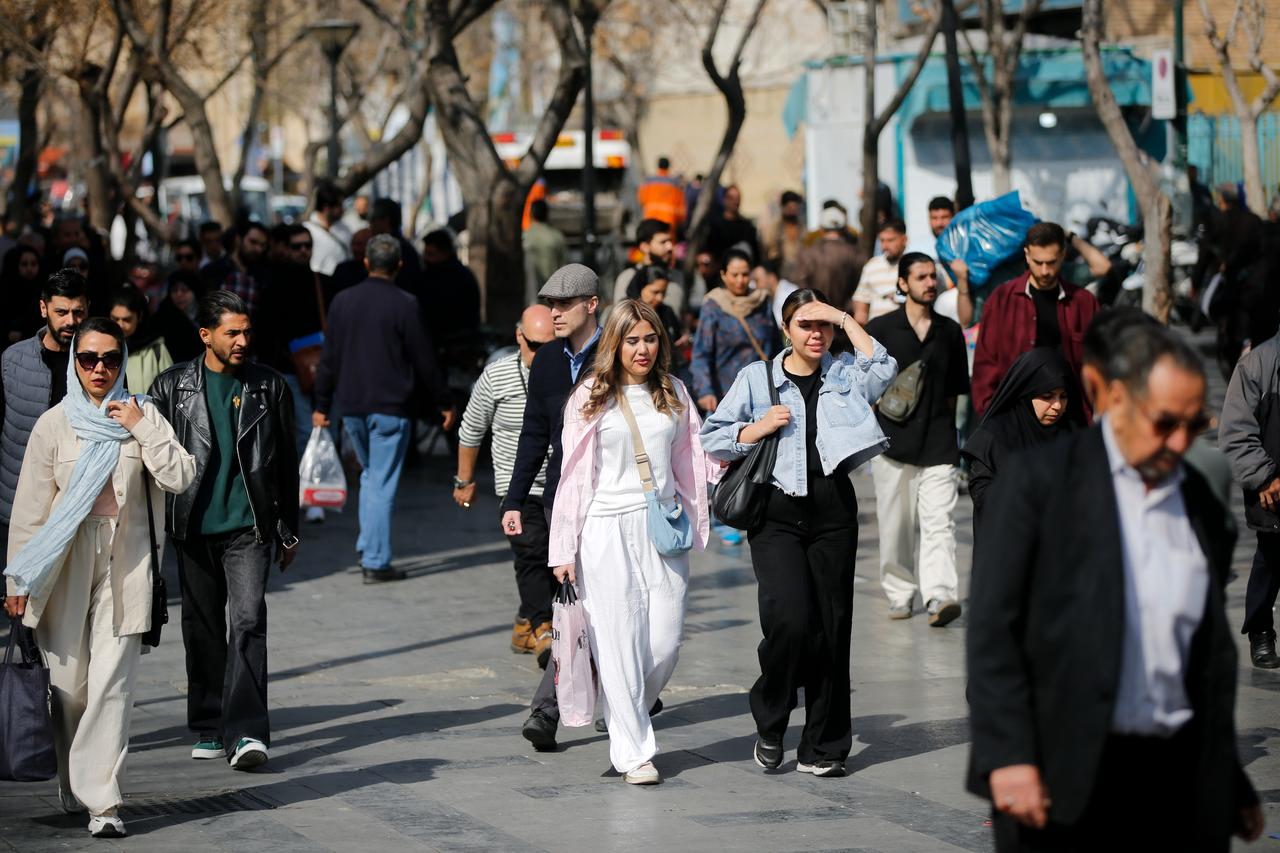


Iranians are living with a mix of hope and fear over the outcome of nuclear negotiations with the United States, as satellite imagery reveals the largest U.S. military buildup near Iran in more than two decades.
With a third round of talks scheduled for Thursday in Geneva, ordinary Iranians shared widely different expectations about whether diplomacy can prevent a war that many fear is approaching.
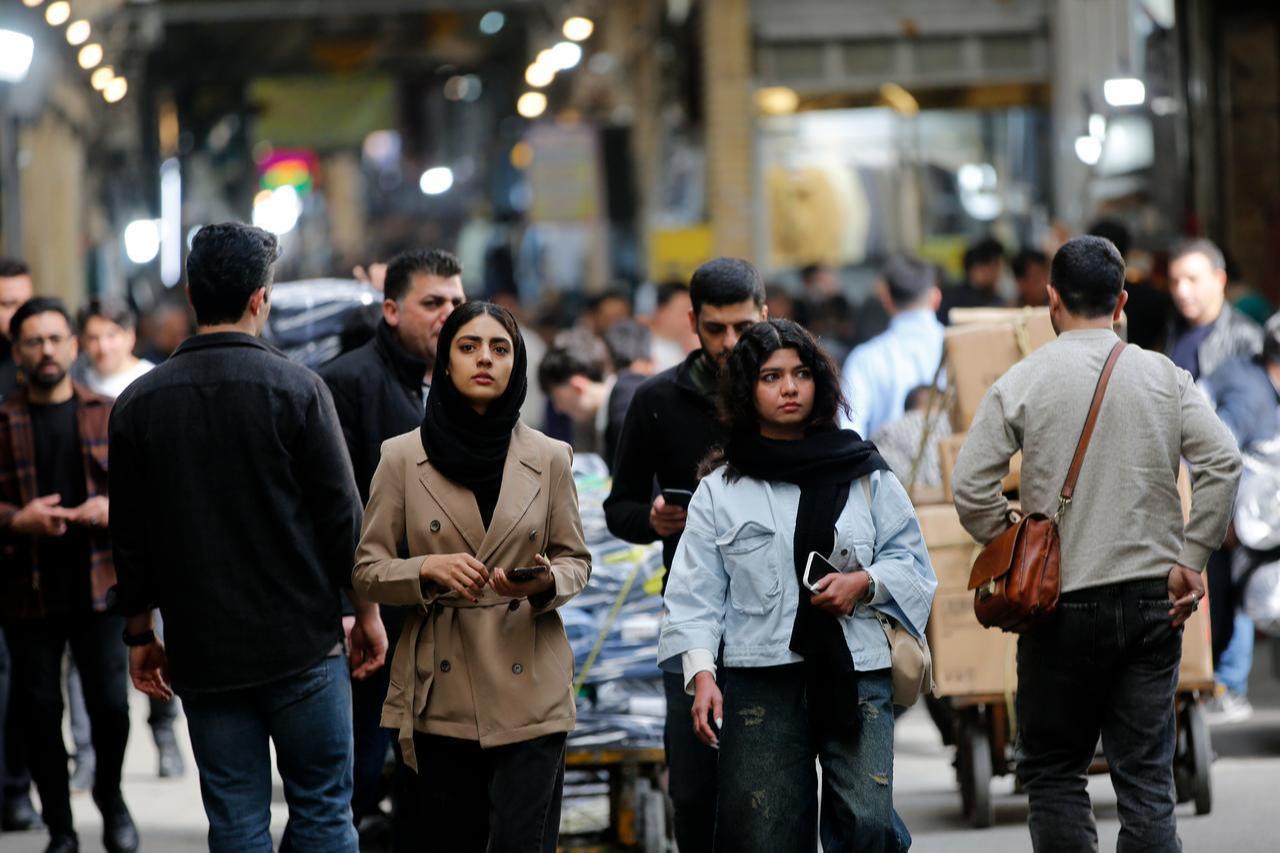

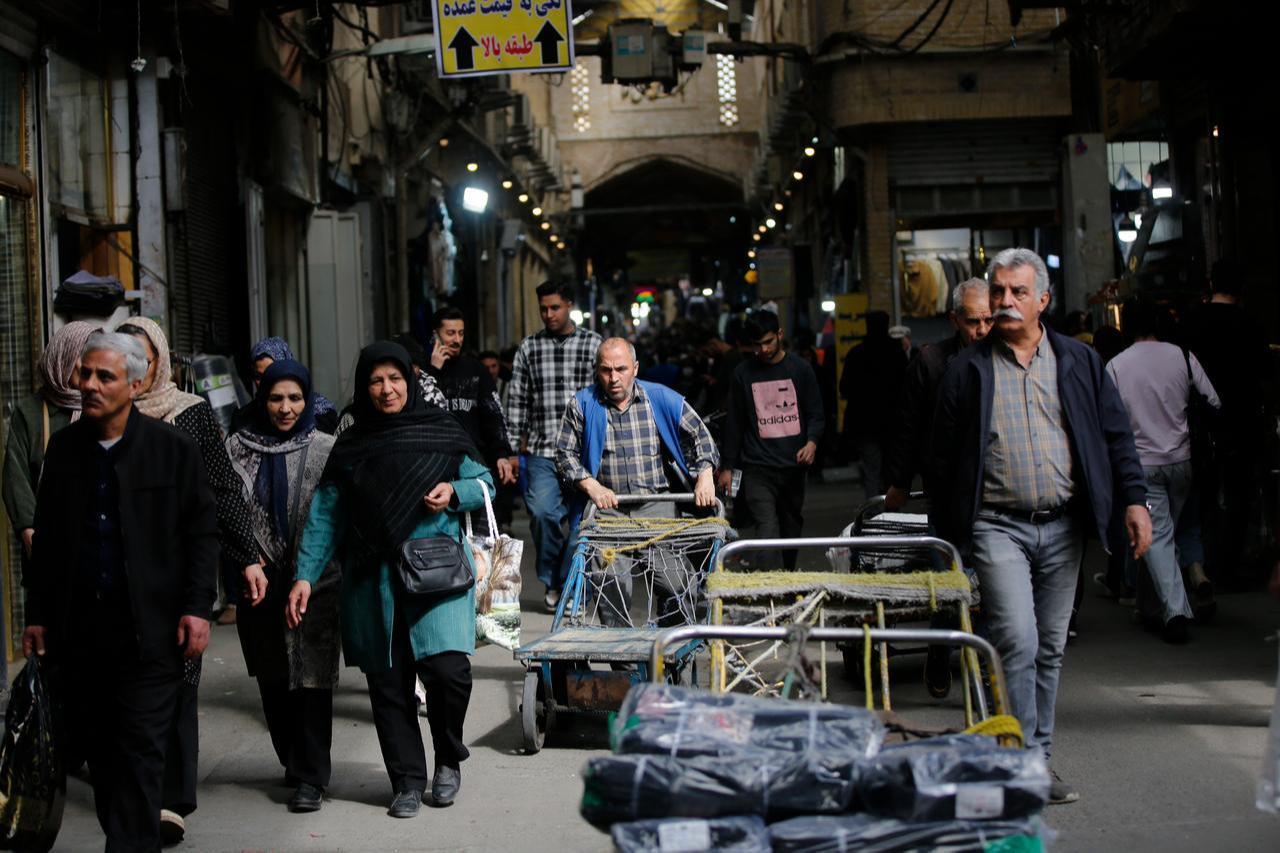
Arselan Nevruz, a 62-year-old retired Iranian, said diplomacy is the "only acceptable path forward."
"Nobody wants war. The only thing wanted is peace, friendship and tranquility. We are not enemies with anyone. The Iranian people welcome the negotiation process with respect," Nevruz told Anadolu Agency (AA) in central Tehran.
He argued that those who repeatedly use "enemy" rhetoric against the U.S. do so for personal gain.
"We support the negotiations and are generally against war. War produces extremely destructive results, and this would not be a war fought on equal terms," Nevruz said.
"War brings nothing but the destruction of a nation. The best option is peace with the U.S.," he added.
A university student speaking to AA, who asked not to be named, said the negotiations "lack transparency."
"I don't think an agreement will be reached because it seems difficult for the parties to make enough concessions on their red lines," the student said.
"In my view, the process so far could ultimately lead to a regional war. There could be a confrontation, even if limited. Given the current situation and the escalating level of tension, there is also a possibility of it turning into a regional war," the student added.
A 55-year-old retiree who also declined to give his name said the talks should have started much earlier.
"These negotiations should have started at least four to five years ago so that results could have been achieved by now," he said.
"I am not very optimistic about the current negotiations. I don't think the talks will produce a good outcome for the Iranian people. Still, I hope war doesn't break out and that in the end, whether through negotiations or with the least harm to the country and its people, we can reach the point that people want," he added.
The U.S. military has rapidly increased its presence near Iran, shifting more than 150 aircraft to bases in Europe and the Middle East since the second round of nuclear talks ended without a breakthrough on Feb. 17, according to flight tracking data and satellite imagery reviewed by The Washington Post.
The current U.S. military presence in the region is among the largest in more than two decades, since before the Iraq war in 2003.
Experts who reviewed the deployment said it has surpassed the buildup seen before the U.S. strikes against Iranian nuclear facilities in June last year and is indicative of a multiday campaign without a ground invasion, the Post reported.
More than 60 warplanes were visible in satellite imagery taken Friday at Muwaffaq Salti Air Base in Jordan, including more than a dozen F-35 fighter jets lined up on a tarmac.
The U.S. has deployed more than a third of its active E-3G Sentry early warning fleet to Europe and the Middle East in recent days.
A dozen F-22A Raptors have been photographed at Lakenheath air base in the United Kingdom and at least one F-16 Fighting Falcon was seen landing in the Azores.
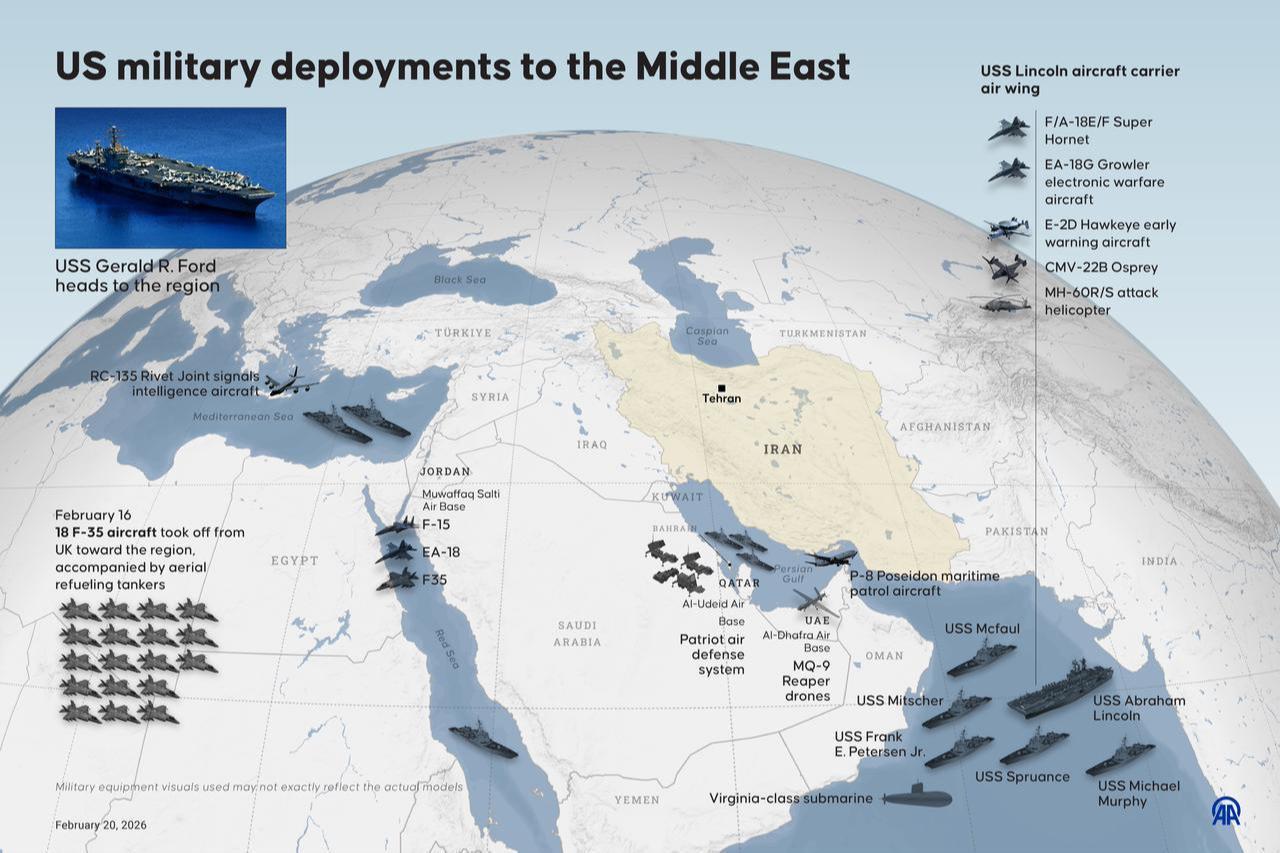
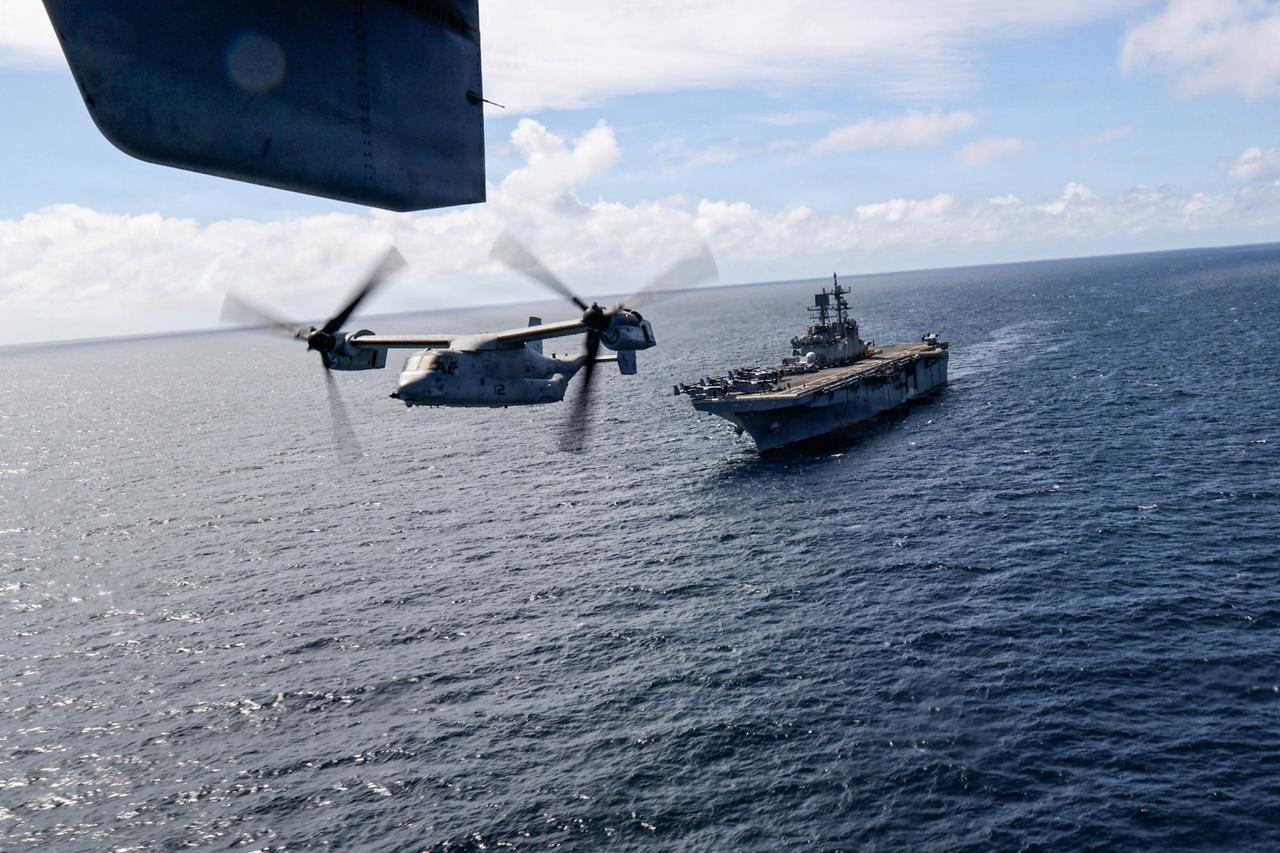
The USS Gerald R. Ford, the world's largest aircraft carrier, was spotted off the coast of Crete on Monday, making it the second aircraft carrier sent to the Middle East.
Its arrival means roughly a third of all active U.S. ships are now in the region.


 Set as preferred source
 Set as preferred source


 1 min read
 1 min read