Newsletters


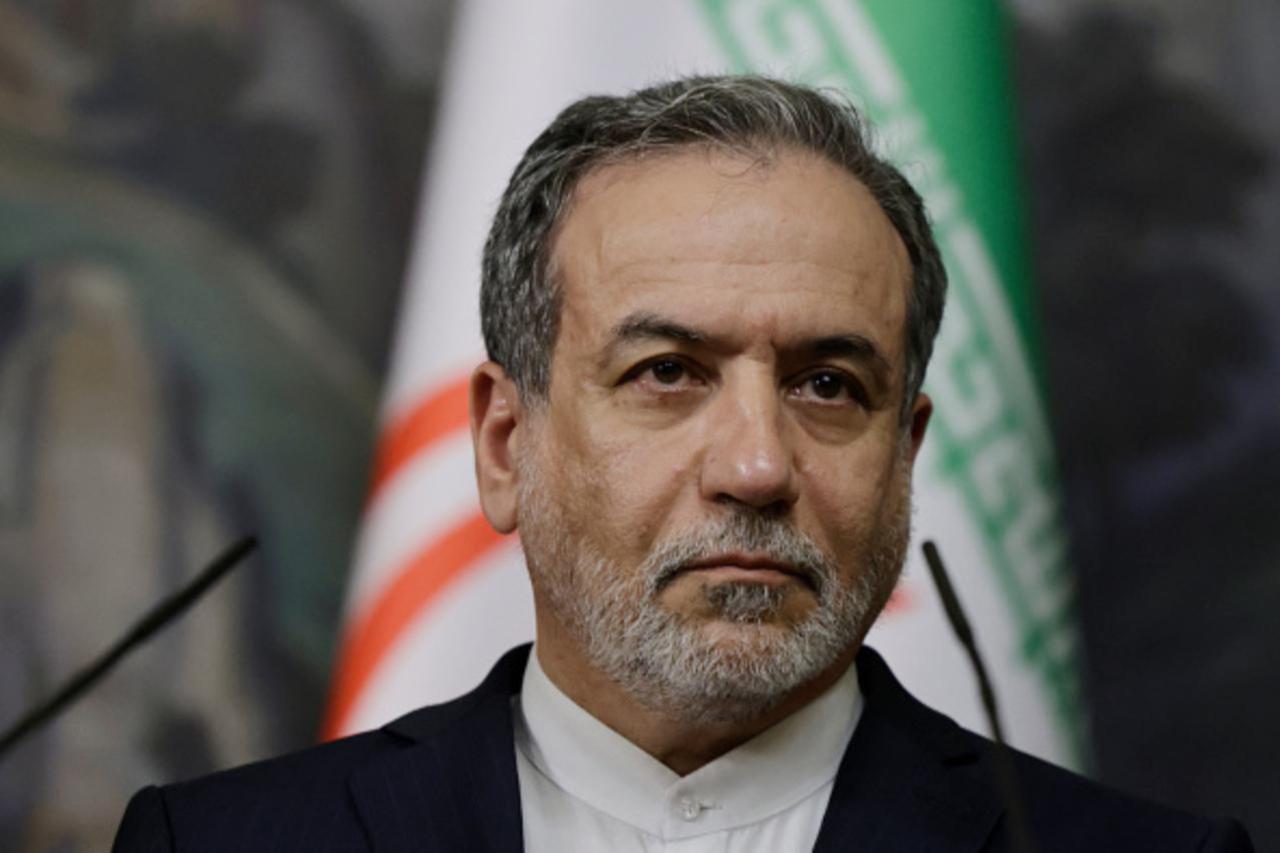


Iran's foreign minister cast doubt Saturday on Washington's commitment to diplomacy after wrapping up a visit to Pakistan, just as President Donald Trump abruptly called off his envoys' planned trip to Islamabad and declared he was done dispatching negotiators across the world.
The dual announcements, each arriving within hours of the other, deepened uncertainty around any path toward ending the war the United States and Israel launched against Iran on February 28, and left both sides publicly questioning whether the other was negotiating in good faith.
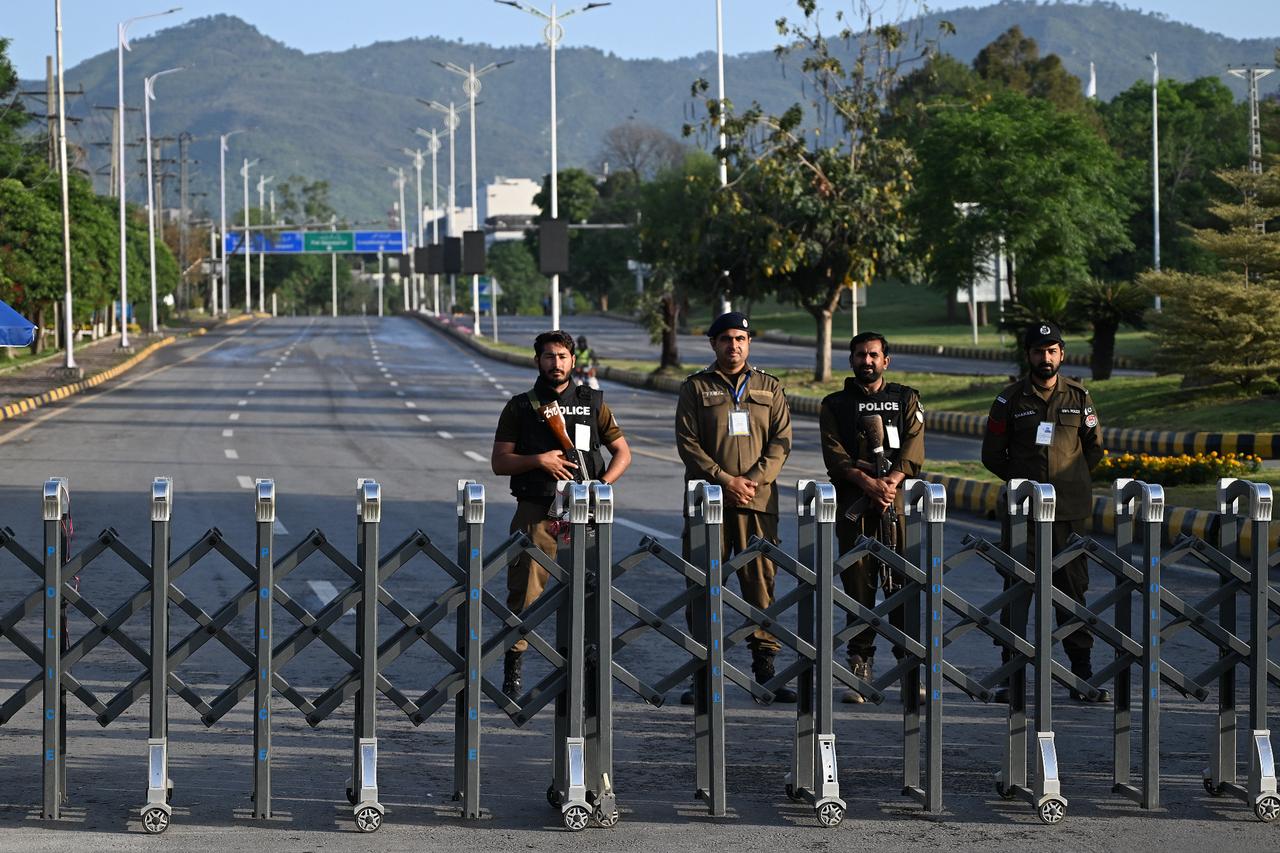
Foreign Minister Abbas Araghchi completed meetings in Islamabad with Pakistani Prime Minister Shehbaz Sharif, Foreign Minister Ishaq Dar, and army chief Asim Munir, a central figure in mediation efforts, before departing for Muscat. He later posted on X that his Pakistan visit had been "very fruitful" and that he had shared Iran's position on a "workable framework to permanently end the war."
But Araghchi stopped well short of optimism. "Have yet to see if the US is truly serious about diplomacy," he wrote.
Iranian state television had said before his departure that Araghchi had no plans to meet directly with American officials, and that Islamabad would serve as a bridge to convey Iranian proposals rather than as a venue for face-to-face negotiations.
After leaving Pakistan, Araghchi was expected to proceed to Russia to discuss further efforts to end the war.
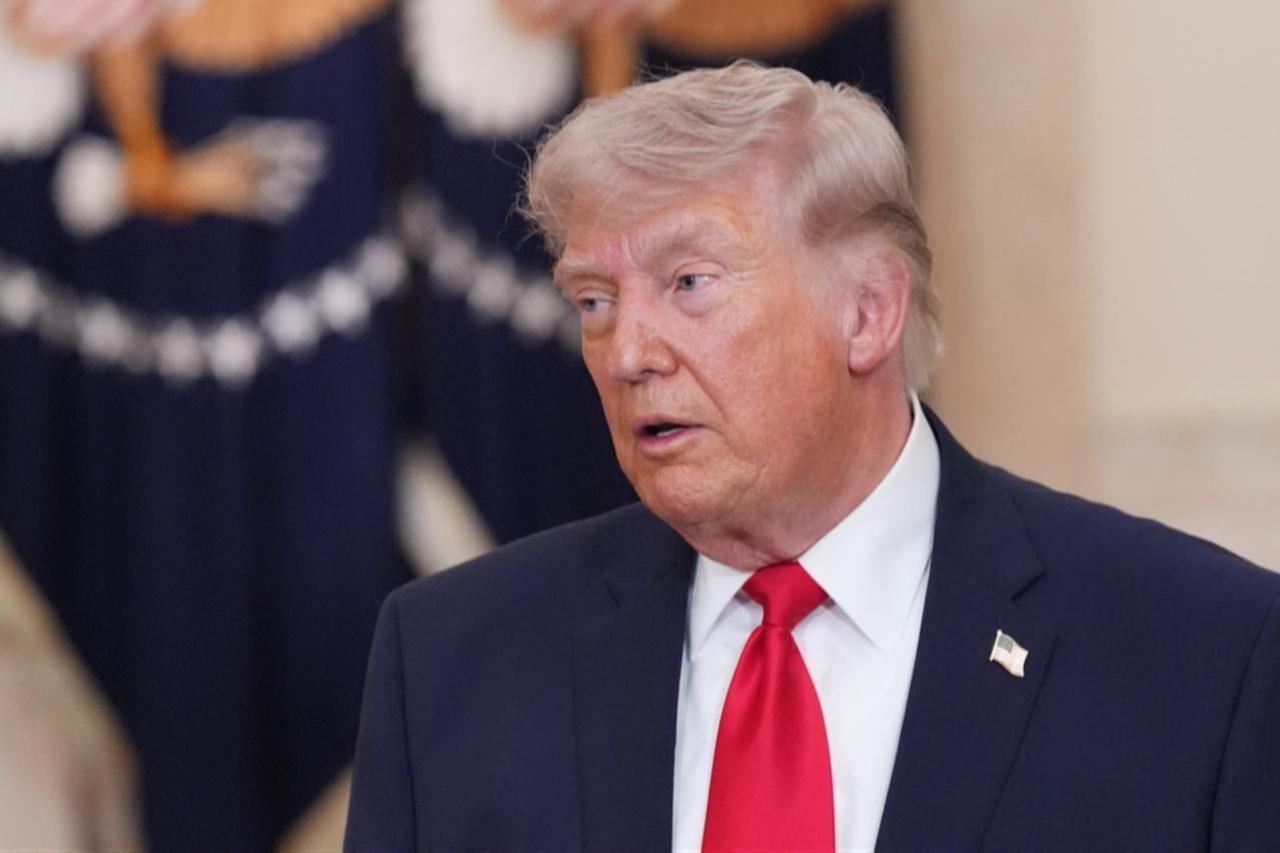

The White House had earlier indicated that Trump envoys Steve Witkoff and Jared Kushner were headed to Islamabad for an in-person conversation with Iranian counterparts that would, in its words, "hopefully move the ball forward towards a deal." Trump reversed that plan Saturday, telling Fox News he had instructed his team to stand down.
"We have all the cards. They can call us anytime they want, but you're not going to be making any more 18-hour flights to sit around talking about nothing," he said.
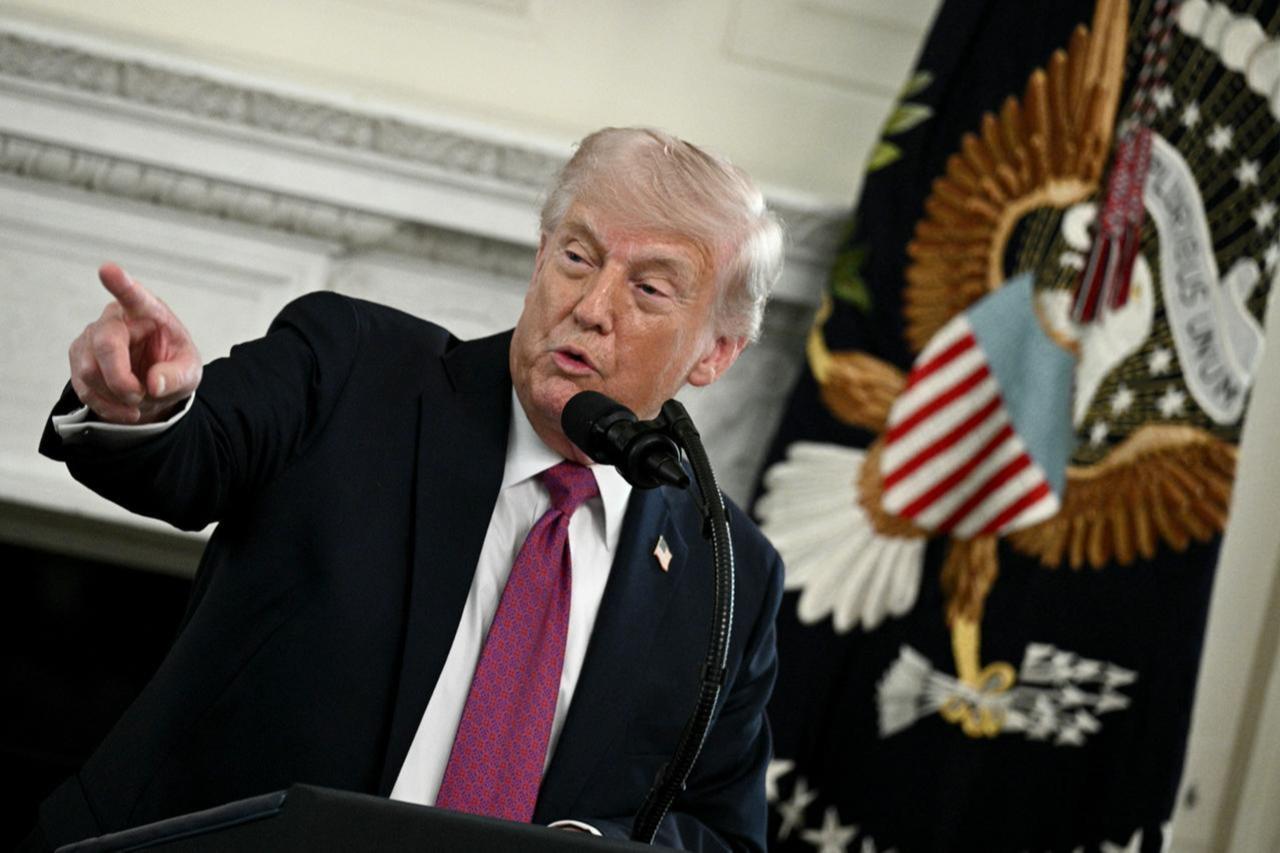
On his Truth Social platform, Trump cast doubt on Iran's chain of command. "There is tremendous infighting and confusion within their 'leadership.' Nobody knows who is in charge, including them," he wrote.
When asked by Axios whether canceling the talks meant a resumption of hostilities, Trump was more measured. "No. It doesn't mean that. We haven't thought about it yet," he said.
Underlying the diplomatic impasse is a standoff over the Strait of Hormuz, the narrow chokepoint through which a substantial share of the world's oil and gas passes. Iran's Islamic Revolutionary Guard Corps stated Saturday that closing the waterway was not a temporary posture but a permanent strategic objective.
"Controlling the Strait of Hormuz and maintaining the shadow of its deterrent effects over America and the White House's supporters in the region is the definitive strategy of Islamic Iran," the Guards said via their official Telegram channel.
The United States has responded with a naval blockade of Iranian ports, and Iran has allowed only a trickle of ships through the strait. Iran's military central command warned that if the U.S. naval blockade continued, Washington should "be certain that they will face a response."
European Council President Antonio Costa called for an immediate and unrestricted reopening of the waterway. "This is vital for the entire world," he said.
On the war's Lebanese front, Trump announced Thursday a three-week extension of the ceasefire and spoke optimistically about peace prospects following meetings with Israeli and Lebanese envoys. But the situation on the ground remained volatile.
Lebanese health authorities reported Saturday that Israeli strikes on the Nabatieh and Bint Jbeil districts in the south had killed six people, even as the ceasefire extension technically remained in force.
Mohammed Raad, who leads the parliamentary bloc of Hezbollah, urged the Lebanese government to pull out of direct talks with Israel and warned that any lasting peace deal of the kind Trump envisions would not command national consensus in Lebanon. Israeli Prime Minister Benjamin Netanyahu accused the group of trying to sabotage the peace process.
In the coastal city of Sidon, Ahmad Shumar, 74, was preparing to return to his hometown in the south alongside his family, a journey he had abandoned once before out of fear of Israeli strikes. "We are going home now, not knowing whether there will be war or peace -- we will see," he said, surrounded by bags and mattresses.


 Set as preferred source
 Set as preferred source


 1 min read
 1 min read