Newsletters


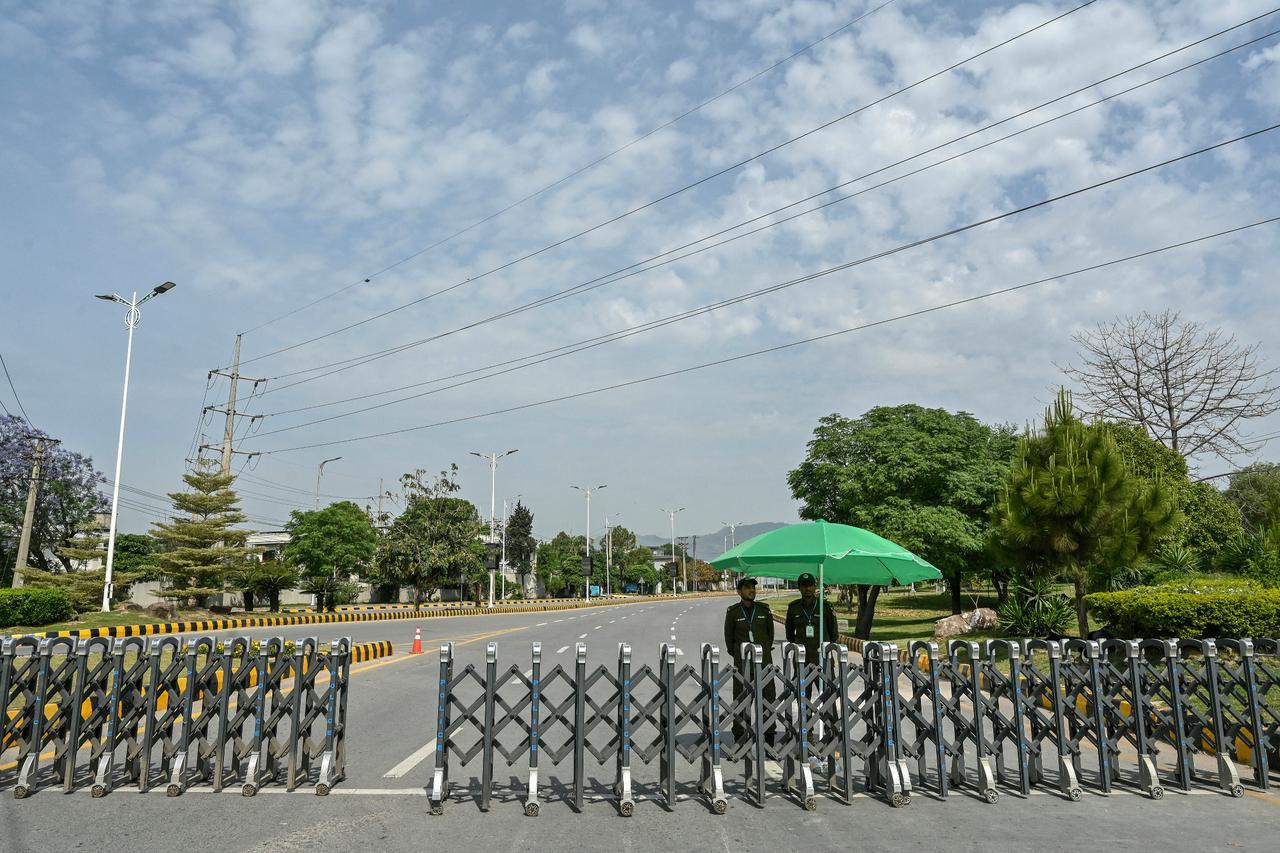


As Pakistan aims to facilitate new diplomatic talks between Iran and the United States, Iranian Foreign Minister Abbas Araghchi is scheduled to visit Islamabad.
According to official Pakistani sources cited by the AP, BBC, Reuters, and Anadolu Agency (AA), there is an anticipation of a potential breakthrough with Washington.
Reuters further reported that a U.S. logistics and security team has already arrived in the Pakistani capital to prepare for the engagement.
Two Pakistani officials told AP that Araghchi would travel to Pakistan to hold talks related to the ceasefire process between Iran and the U.S., accompanied by a small delegation, and would arrive as early as Friday.
Neither Iran nor the U.S. had formally confirmed the visit at the time of publication.
Iranian sources told BBC that Araghchi was expected in Islamabad Friday night.
Pakistani sources told Anadolu Agency that Araghchi's arrival was expected "late Friday" and that a breakthrough with the U.S. was anticipated.
Reuters was told by a Pakistani government source that "peace talks with the U.S. are likely to take place," and that the U.S. logistics and security team was already in Islamabad.
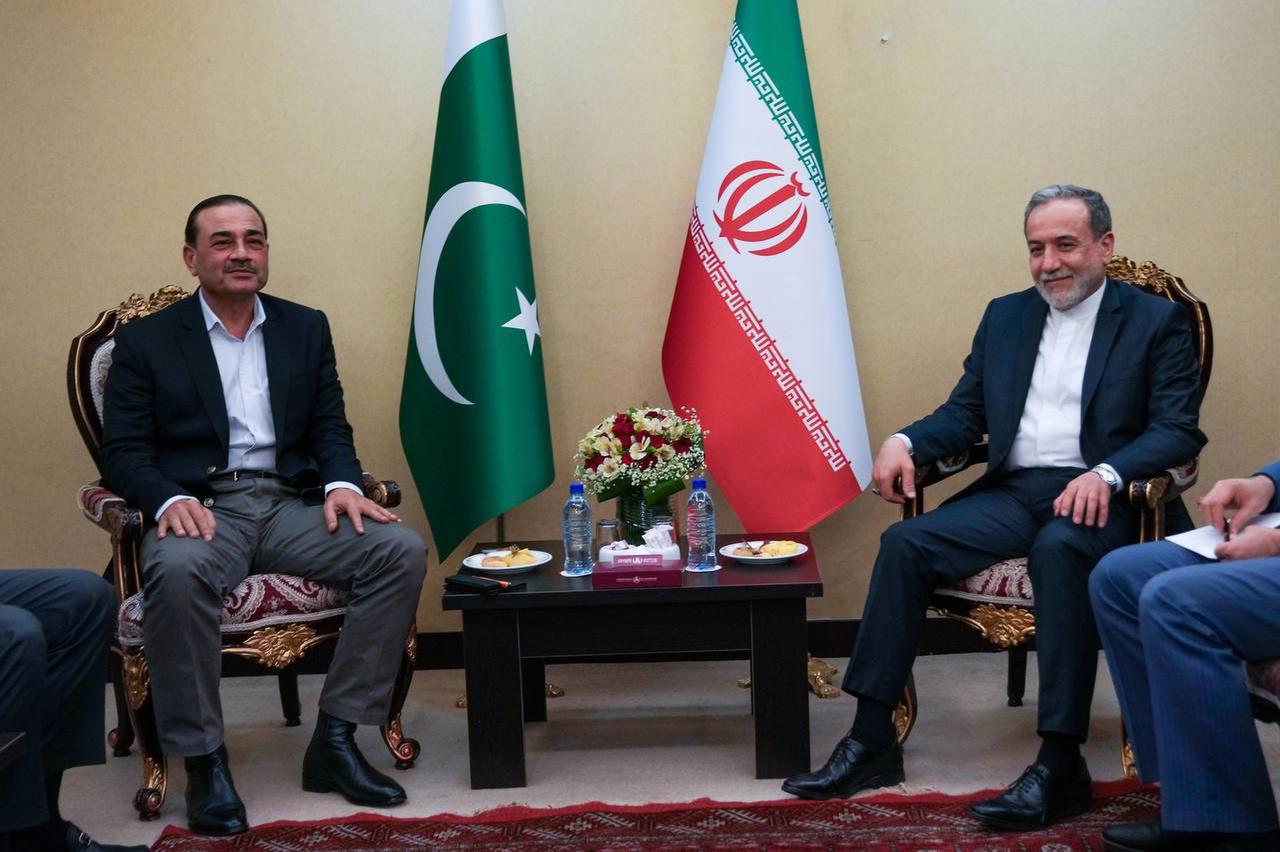
Araghchi had spoken earlier Friday with Pakistan's deputy prime minister and army chief to discuss "issues related to the ceasefire," though he did not specify whether he meant the U.S.-Iran or Lebanon-Israel ceasefire.

The first round of U.S.-Iran talks took place in Islamabad on April 11-12, lasting approximately 21 hours without agreement.
A second round had been planned but repeatedly failed to materialize, most recently when Iran gave Pakistani mediators a green light Monday evening, reversed it by Tuesday morning and Vance's plane sat on the tarmac at Joint Base Andrews before turning back.
The ceasefire, which originally expired on Wednesday, was extended to Sunday following a Pakistani request.
Tehran had pushed back against calls to send its representatives to Islamabad unless the U.S. lifts the naval blockade of Iranian ports.
Pakistan hosted the first round of the Islamabad talks on April 11–12, marking the highest-level direct engagement between Washington and Tehran.
The talks were held after Pakistan secured a two-week ceasefire on April 8.
U.S. President Donald Trump unilaterally extended the ceasefire on Tuesday, without giving a new timeframe, hours before it was set to expire.
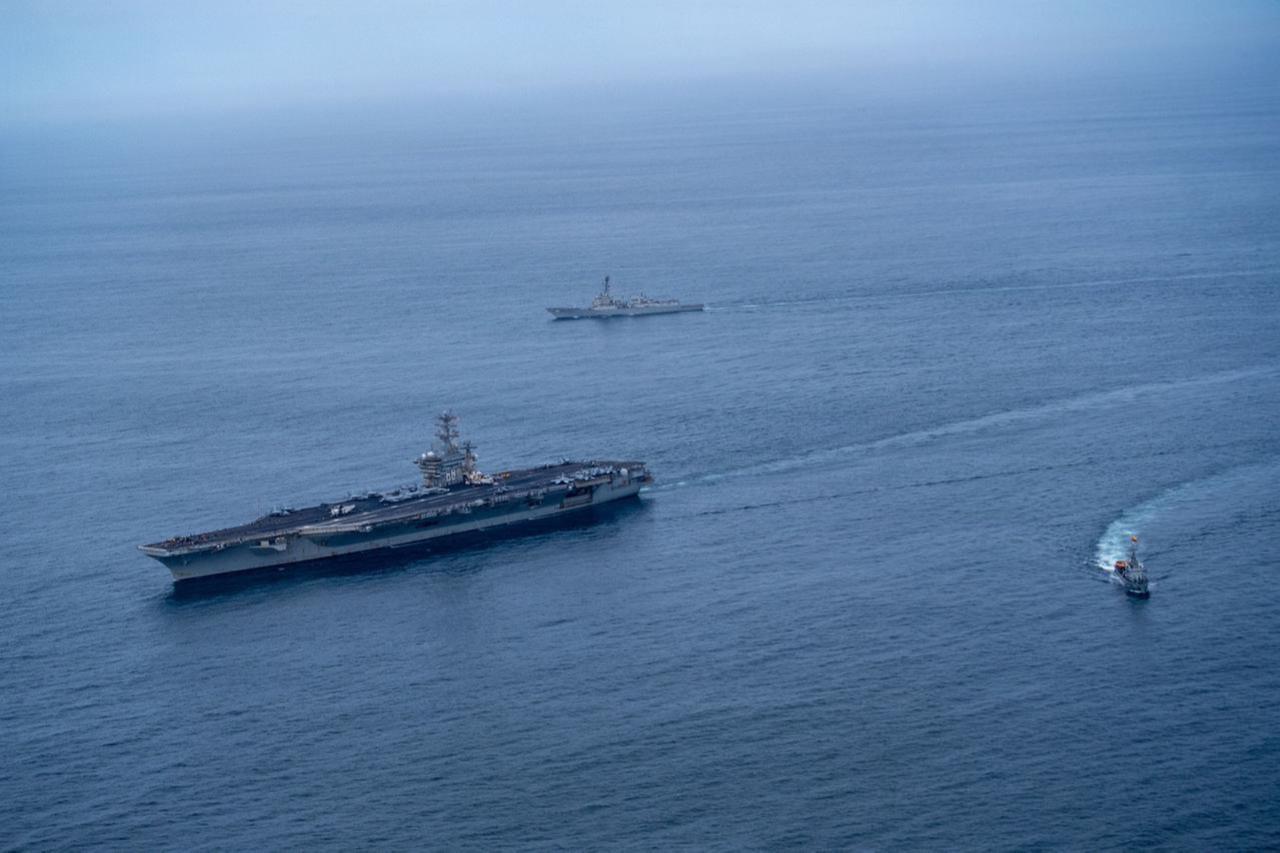
Since the war began, Tehran has maintained control of the Strait of Hormuz, followed by the U.S. naval blockade on April 13, hitting global energy supplies, mostly across Asia.


 Set as preferred source
 Set as preferred source


 1 min read
 1 min read