Newsletters


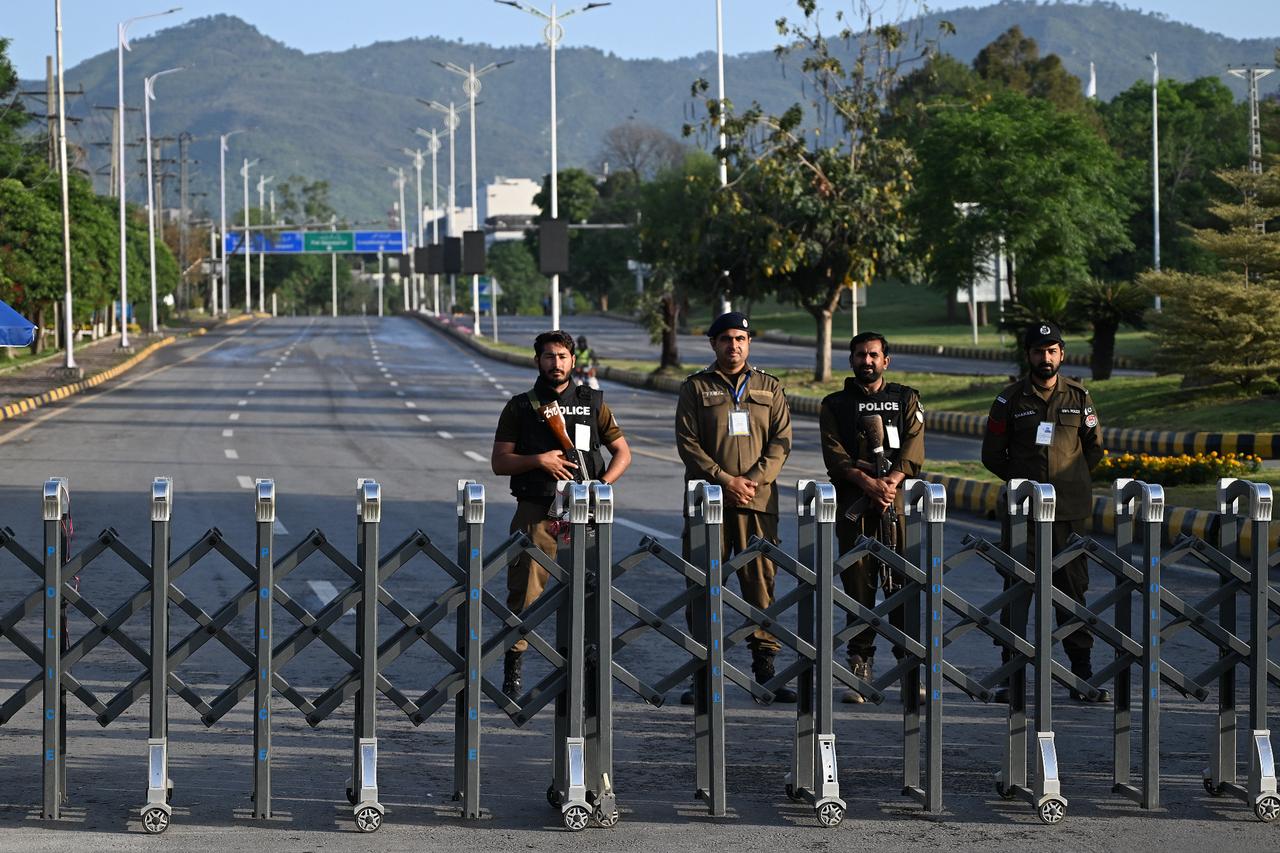


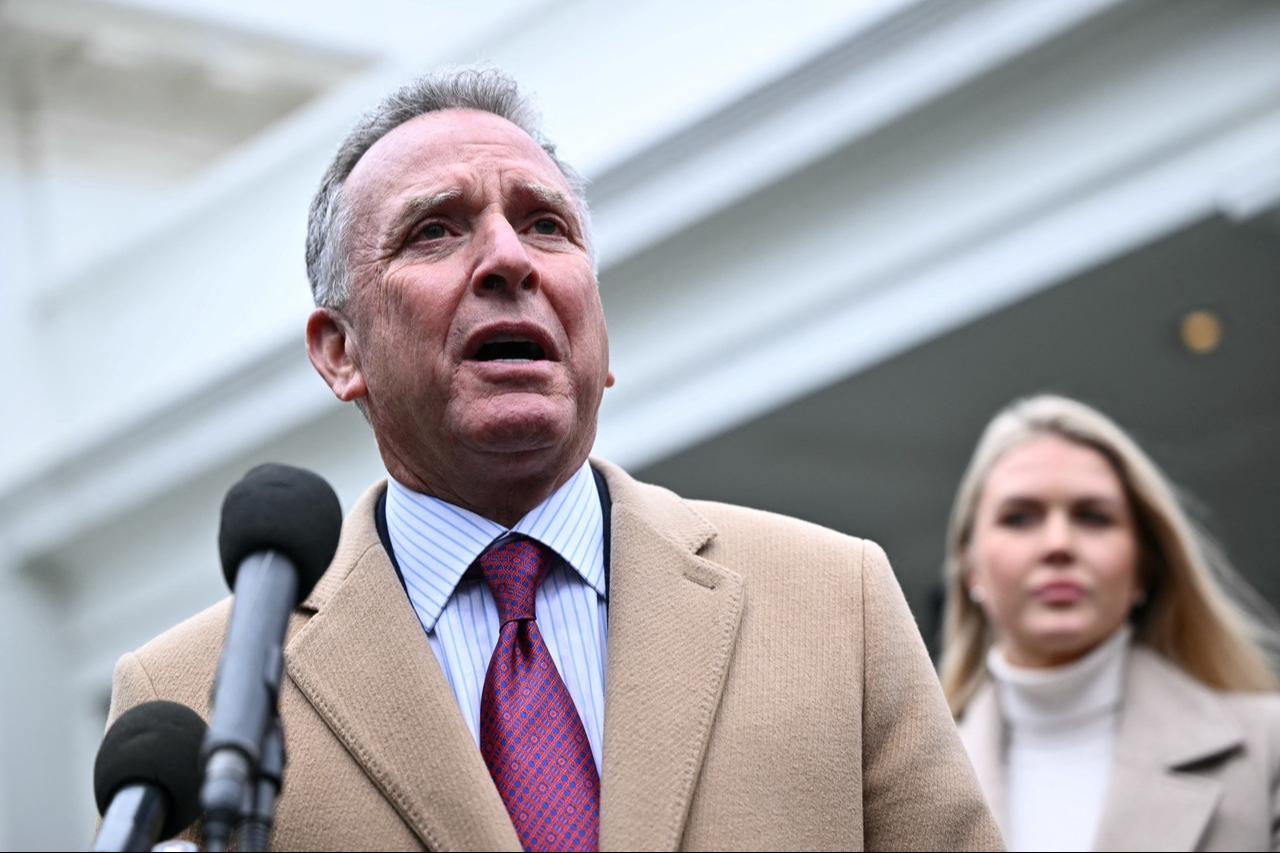
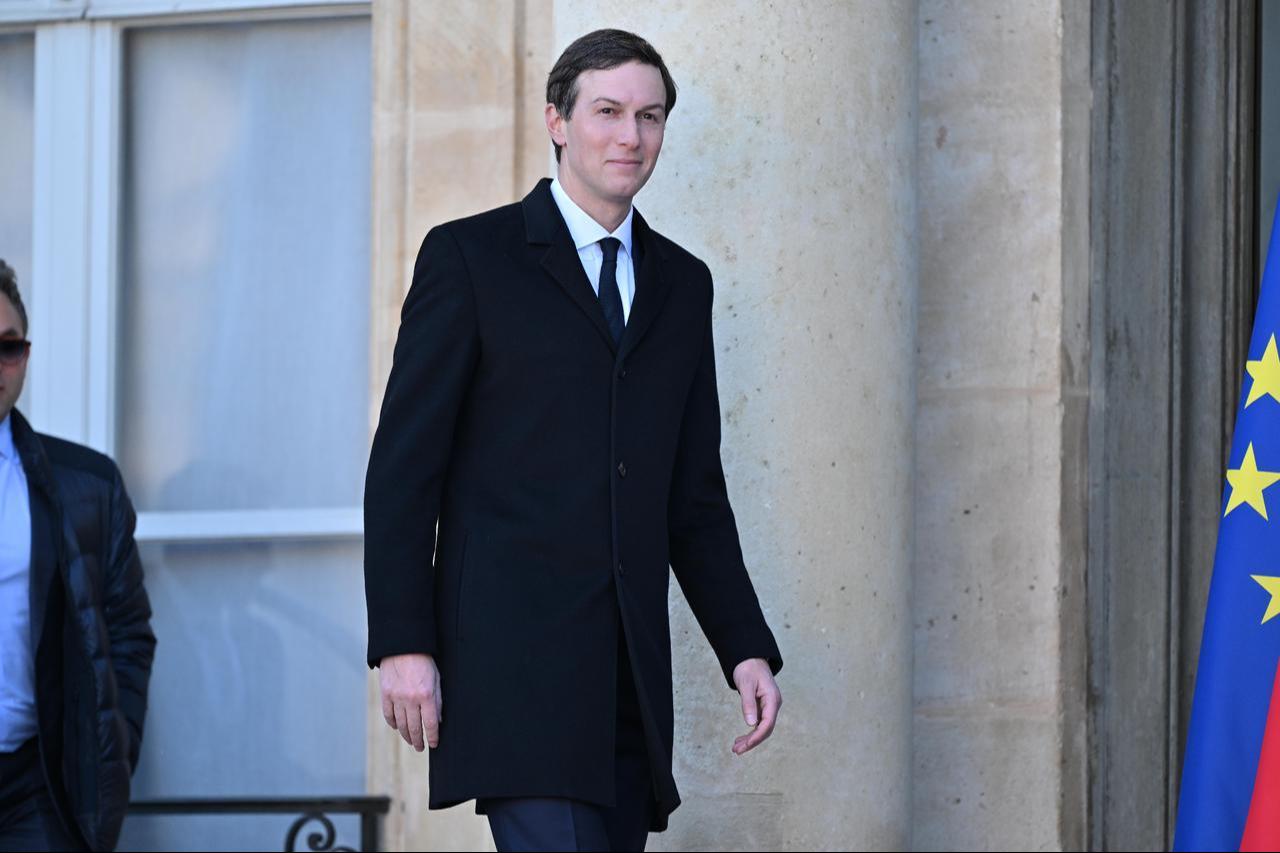
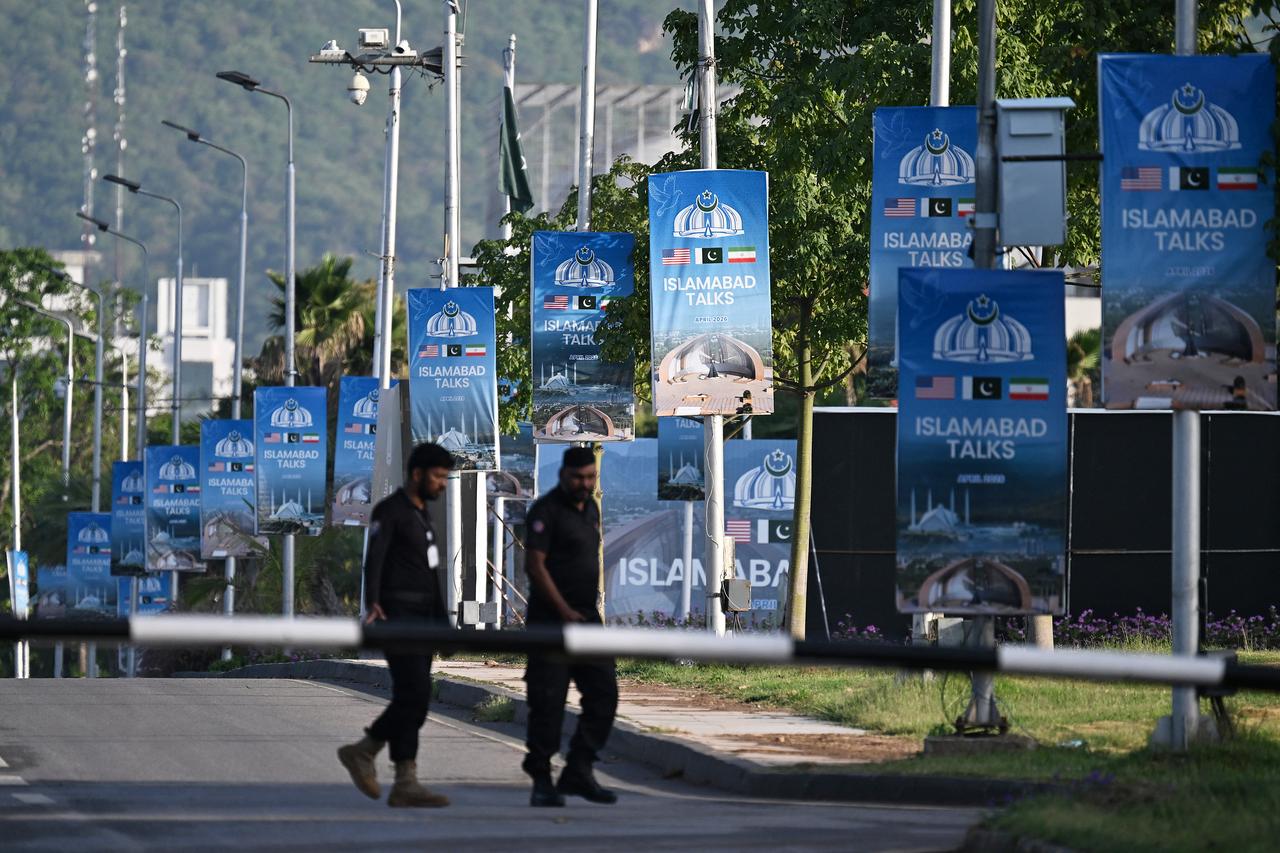
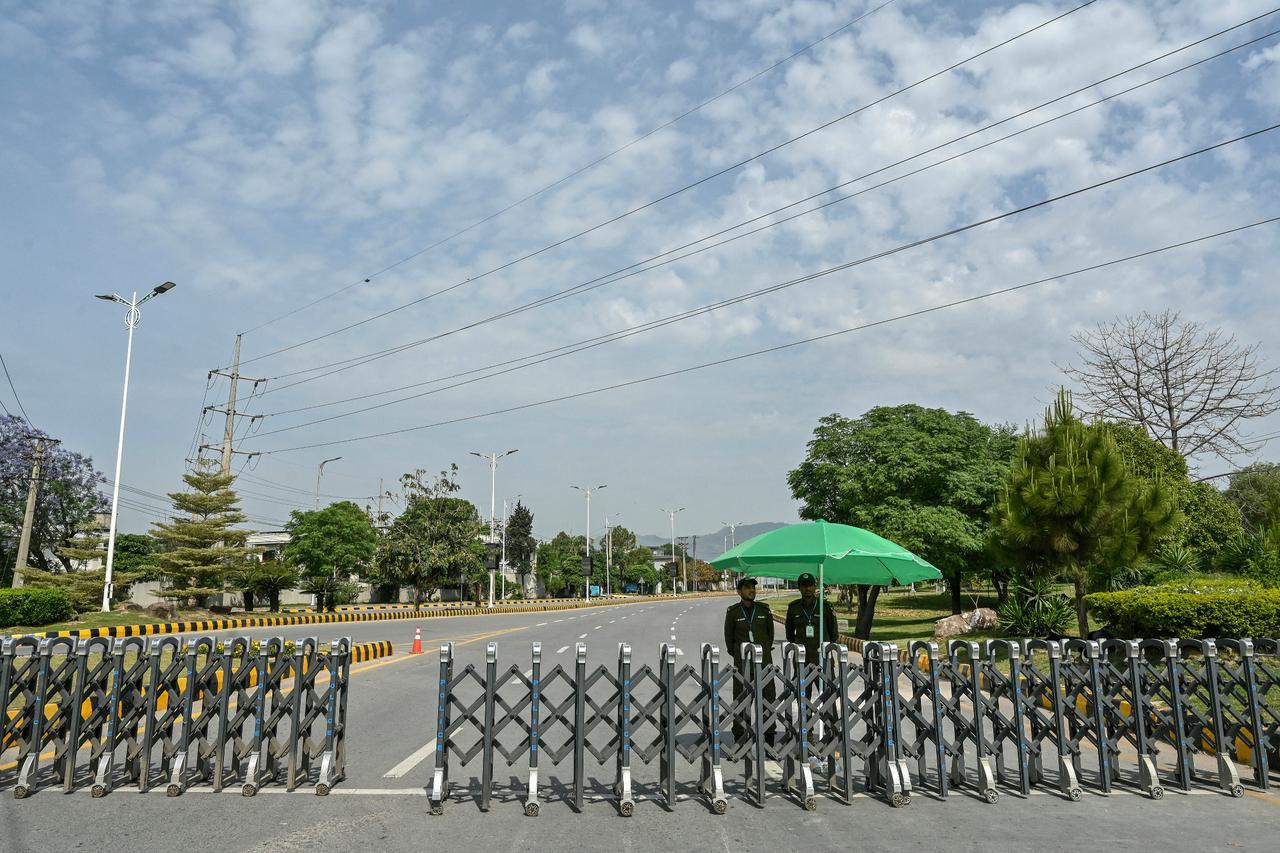
U.S. envoys Steve Witkoff and Jared Kushner headed to Pakistan on Saturday in an effort to restart peace negotiations with Iran amid a fragile ceasefire, though the prospect of direct talks remained uncertain.
White House Press Secretary Karoline Leavitt said Witkoff and Kushner would travel to Pakistan "to engage in talks" with representatives from the Iranian delegation.
"The Iranians reached out, as the president called on them to do, and asked for this in-person conversation," Leavitt said.
She said the talks would "hopefully move the ball forward towards a deal."
Leavitt said Vice President JD Vance, who led a first round of negotiations in Islamabad two weeks ago that ended without a deal, would not join for now but was on "standby to fly to Pakistan if necessary."

It remained unclear whether the Iranian side would meet directly with the U.S. envoys.
Iranian state television said Foreign Minister Abbas Araghchi had no plans to meet with the Americans and that Islamabad would act as a bridge to convey Iranian proposals to end the conflict.
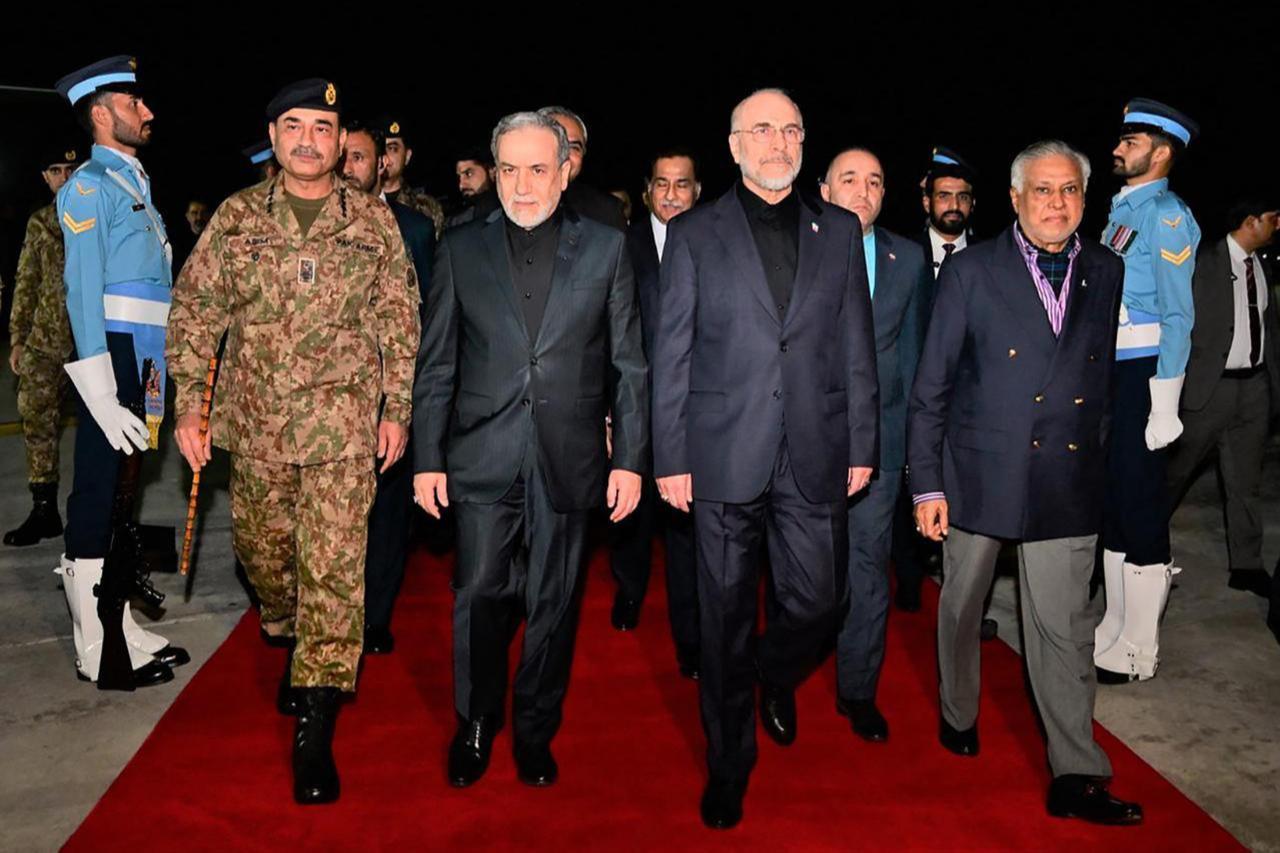
Araghchi arrived in Islamabad on Friday.
Pakistan's Foreign Ministry said he was visiting to discuss "ongoing efforts for regional peace and stability" with Pakistani officials, without directly referring to talks with Witkoff and Kushner.
An Iranian spokesman said Araghchi would visit Oman and Russia after Pakistan to discuss efforts to end the war launched against Iran by Israel and the U.S. on Feb. 28.
Efforts to bring the sides back to talks have stalled since the previous round, with Iran refusing to participate as long as a U.S. naval blockade on its ports remains in place.
Iran has also imposed a de facto blockade on the Strait of Hormuz, allowing only a limited number of ships to pass through the key waterway.
Oil prices fell on Friday amid hopes that renewed peace talks could end Tehran's disruption of trade through the strait.
European Council President Antonio Costa said Friday that the strait "must immediately reopen without restrictions and without tolling."
"This is vital for the entire world," Costa said.
The U.S. continued building up its forces in the Middle East with the arrival of a third aircraft carrier in the region, the USS George H.W. Bush.
Trump announced Thursday a three-week extension of the ceasefire in Lebanon.
Despite the announcement, Israeli strikes in southern Lebanon killed six people Friday, according to the Lebanese Health Ministry.
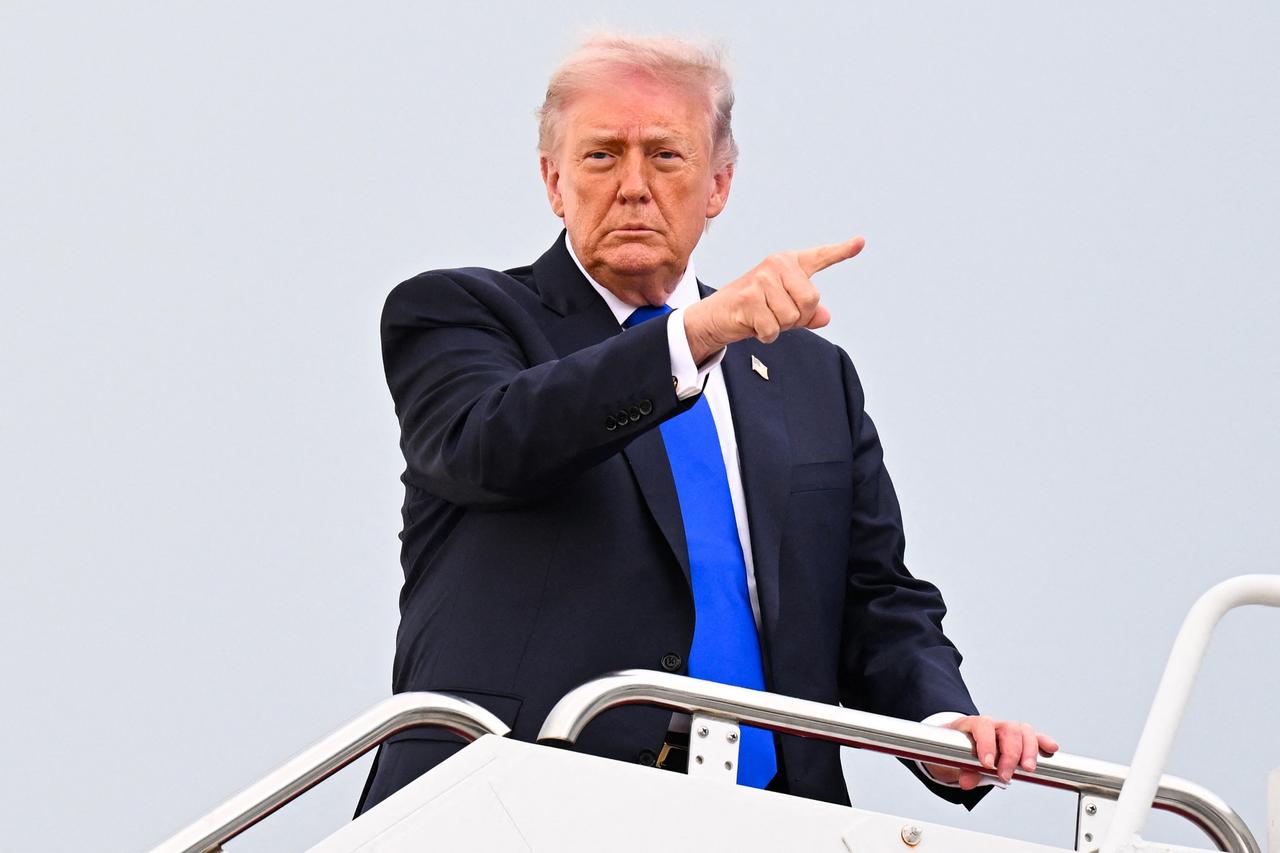
Trump voiced confidence over the prospect of lasting peace in Lebanon after meeting with Israeli and Lebanese envoys and expressed hope for a three-way meeting with Lebanese and Israeli leaders.
Israel and Lebanon have been officially at war for decades and, until last week, had not met so directly since 1993.
Mohammed Raad, head of Hezbollah's parliamentary bloc, urged the Lebanese government to withdraw from direct talks with Israel.
He warned that a lasting peace agreement of the kind sought by Trump "will in no way enjoy Lebanese national consensus."
Israeli Prime Minister Benjamin Netanyahu said Israel had started a process aimed at reaching what he described as a historic peace between Israel and Lebanon.
"We have started a process to reach a historic peace between Israel and Lebanon, and it's clear to us that Hezbollah is trying to sabotage this," Netanyahu said.


 Set as preferred source
 Set as preferred source


 1 min read
 1 min read