Newsletters


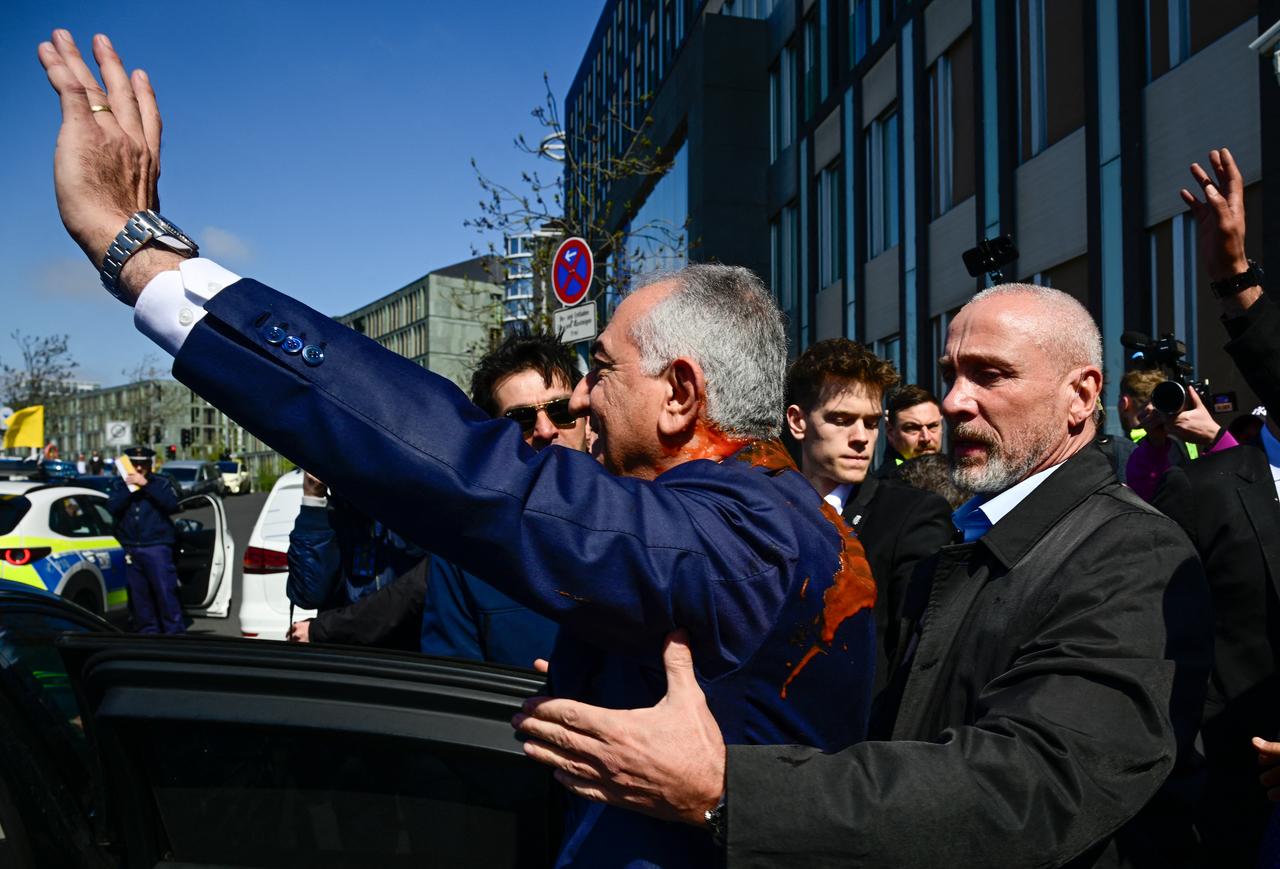
Reza Pahlavi, the exiled son of Iran's last shah, was splattered with red paint by an activist outside the Federal Press Conference in central Berlin on Thursday, hours after calling the U.S.-Israel military campaign against Iran a "humanitarian intervention."
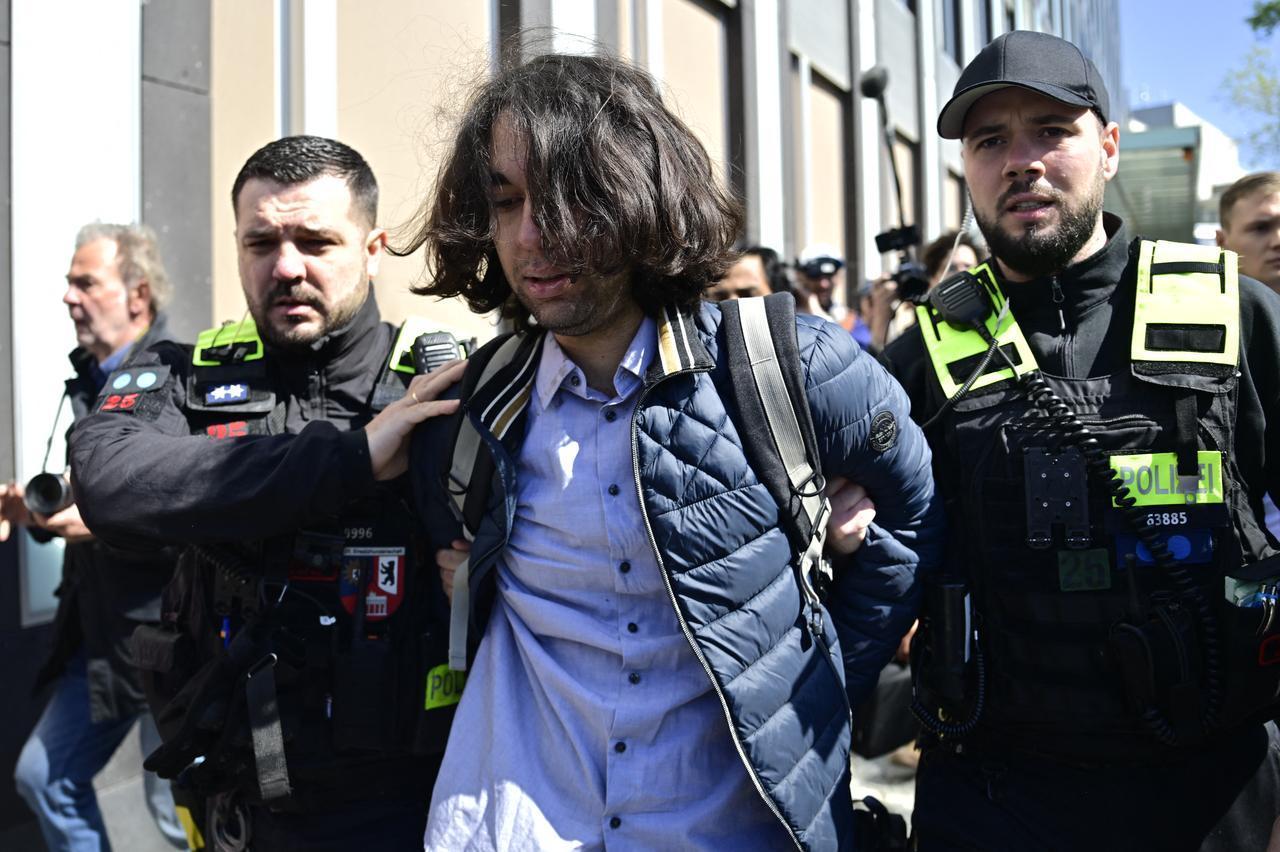
Declaring that ceasefire negotiations amounted to "appeasement," with police arresting the suspect as Pahlavi got into his vehicle and left the scene.
After leaving the Federal Press Conference building in central Berlin and walking toward a waiting car with security, an activist approached and threw red liquid, which struck the back of Pahlavi's neck and shoulders, video from the scene showed.
Police restrained the suspect immediately and took the person into custody.
Pahlavi entered his vehicle and left the area.

Earlier at the press conference, Pahlavi endorsed the U.S.-Israeli strikes unequivocally.
"The targeting of the regime's infrastructure and its elements of coercion was absolutely something that the Iranian people actually called for," he told reporters, describing the military campaign as a "humanitarian intervention" necessary to overthrow the current regime.
Pahlavi delivered his most categorical rejection yet of the diplomatic track.
"The whole narrative of ceasefire and negotiation is still based on thinking that you're going to deal with people who all of a sudden have become pragmatists. I don't see that happening," he said, condemning Iran's post-Khamenei leadership as "different faces of the same machine."
He said Iran had "slaughtered innocent citizens by the thousands" and threatened Europe with long-range missiles.
"No deal will solve this. No negotiations will solve this. It is in their DNA," he said.
He called on European governments that had not participated in the war to take other steps, from expelling Iranian ambassadors to helping Iranian citizens access the blockaded internet.
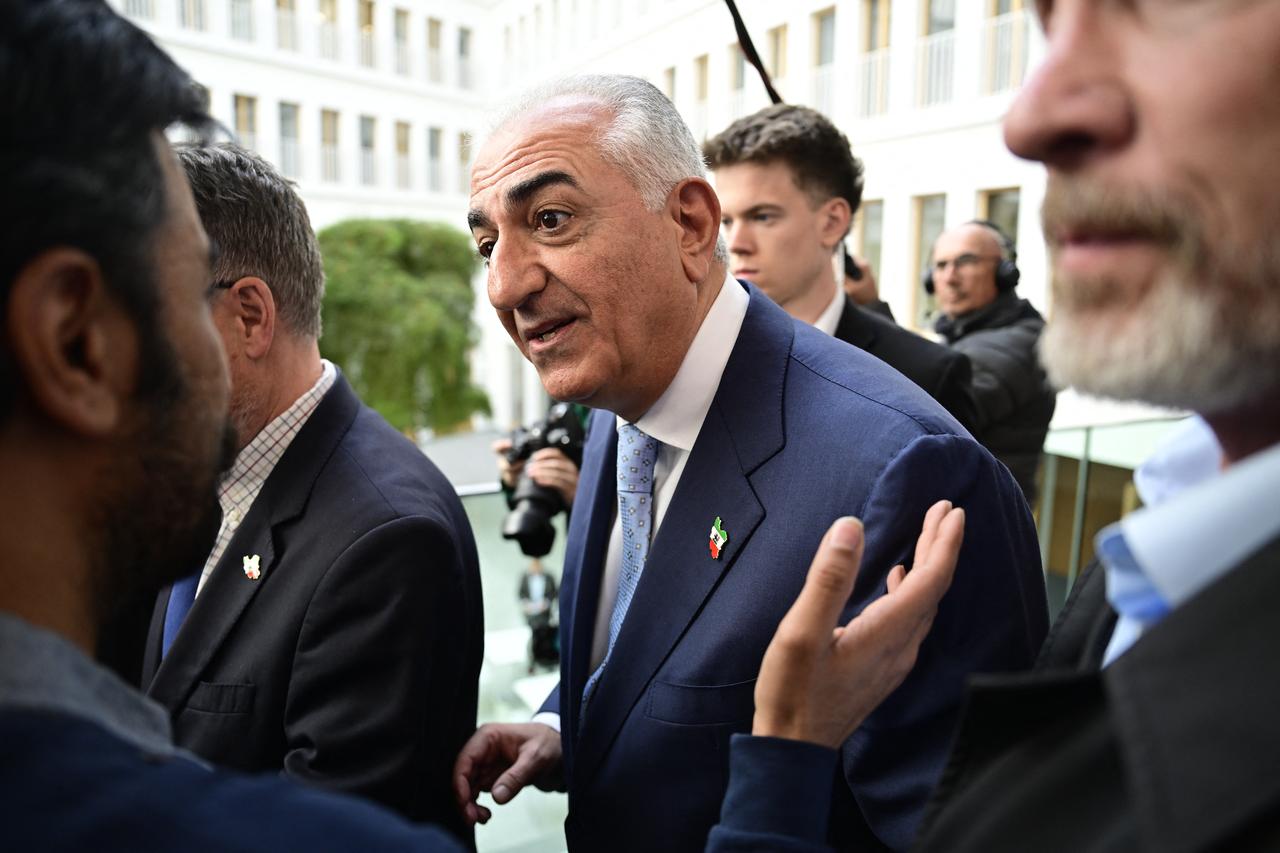
Pahlavi, 65, whose father Mohammad Reza Shah was overthrown in the 1979 Islamic Revolution, has repeatedly said he was ready to lead a transition if the Islamic Republic fell.
He was visiting Germany after stops in Sweden and Italy, and was greeted by both supporters and bitter opponents in Berlin.
German Chancellor Friedrich Merz's government was not scheduled to meet Pahlavi, though several lawmakers were to hold talks with him.
Trump has never officially met Pahlavi and has repeatedly expressed skepticism over his ability to lead Iran.
Pahlavi represents just one of several deeply divided factions in the Iranian diaspora.
He cited street chants of his family name during January rallies inside Iran and large pro-monarchy demonstrations in Munich and North American cities in February.
"Inside Iran, tens of millions of Iranians chanted my name, and they still do. Today's Gen Z in Iran are my biggest supporters," he said.
He voiced hope for a popular uprising: "The strategy is ultimately for people to be able to reclaim the streets."


 Set as preferred source
 Set as preferred source


 4 min read