Newsletters


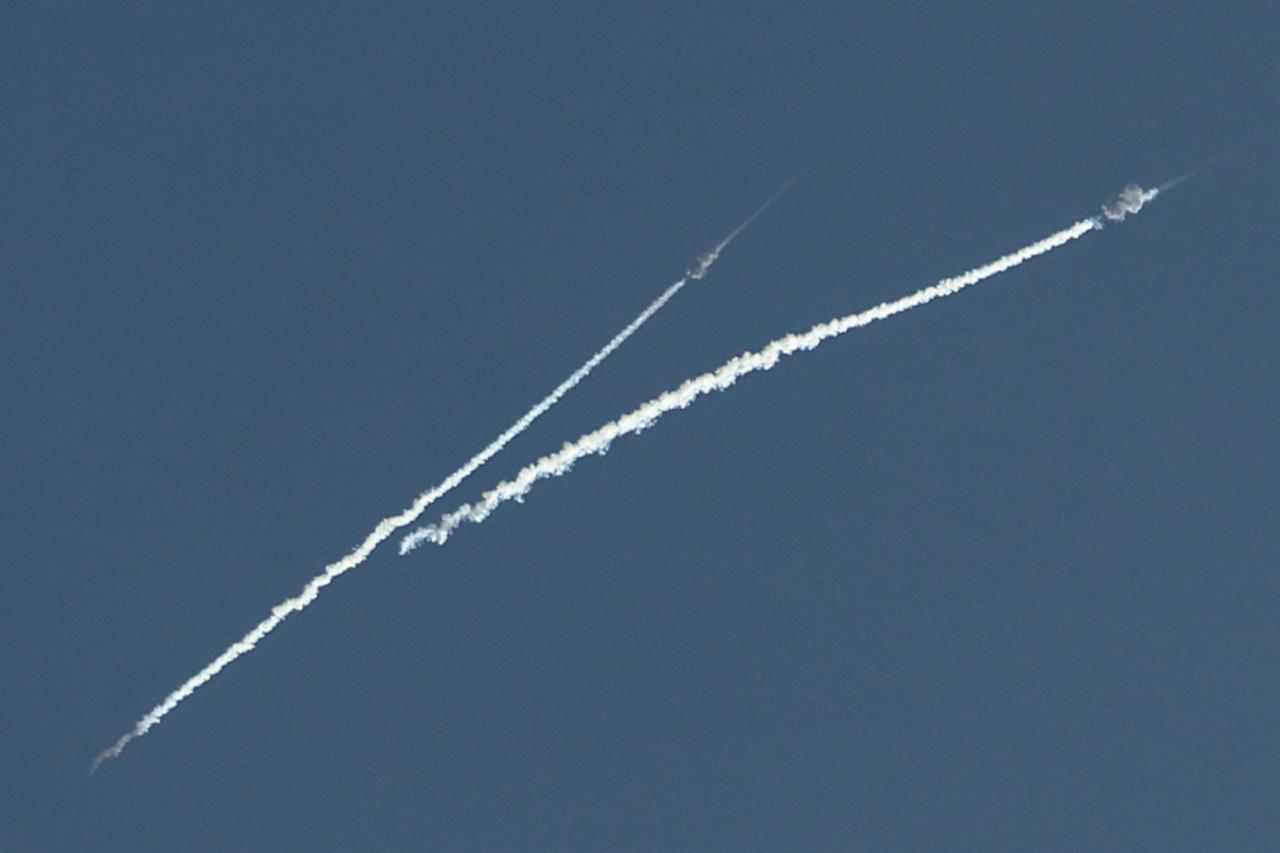


Iran will keep targeting sites in neighbouring Gulf states that it claims are being used in the US-Israeli aerial campaign against the country, the head of the Islamic republic's judiciary declared on Saturday, underscoring a deepening rift between Tehran and its regional neighbours even as its own president struck a more conciliatory tone.
Gholamhossein Mohseni Ejei, who sits on the interim leadership council formed after Supreme Leader Ali Khamenei was killed in the US-Israeli strikes that launched the conflict on Feb. 28, said evidence gathered by Iran's armed forces showed that "the geography of some countries in the region is openly and covertly at the disposal of the enemy."
He added that "the government and other pillars of the system are in agreement" that heavy attacks on those targets would continue.
The remarks reflect a consolidated position among Iran's post-Khamenei leadership, with parliamentary speaker Mohammad Bagher Ghalibaf echoing the stance. "As long as American bases exist in the region, countries will not see peace," Ghalibaf said, adding that all officials and the public were united on the matter.
Since the war began, Iranian strikes on Gulf countries have killed 13 people, seven of them civilians. Among the dead is an 11-year-old girl in Kuwait, who was struck by debris in a residential neighbourhood, a casualty that is likely to intensify regional anger toward Tehran.
Iran maintains it strikes only US assets or bases on Gulf territory, but some of its attacks have hit civilian infrastructure, a pattern that contradicts Tehran's stated policy and has drawn sharp criticism.
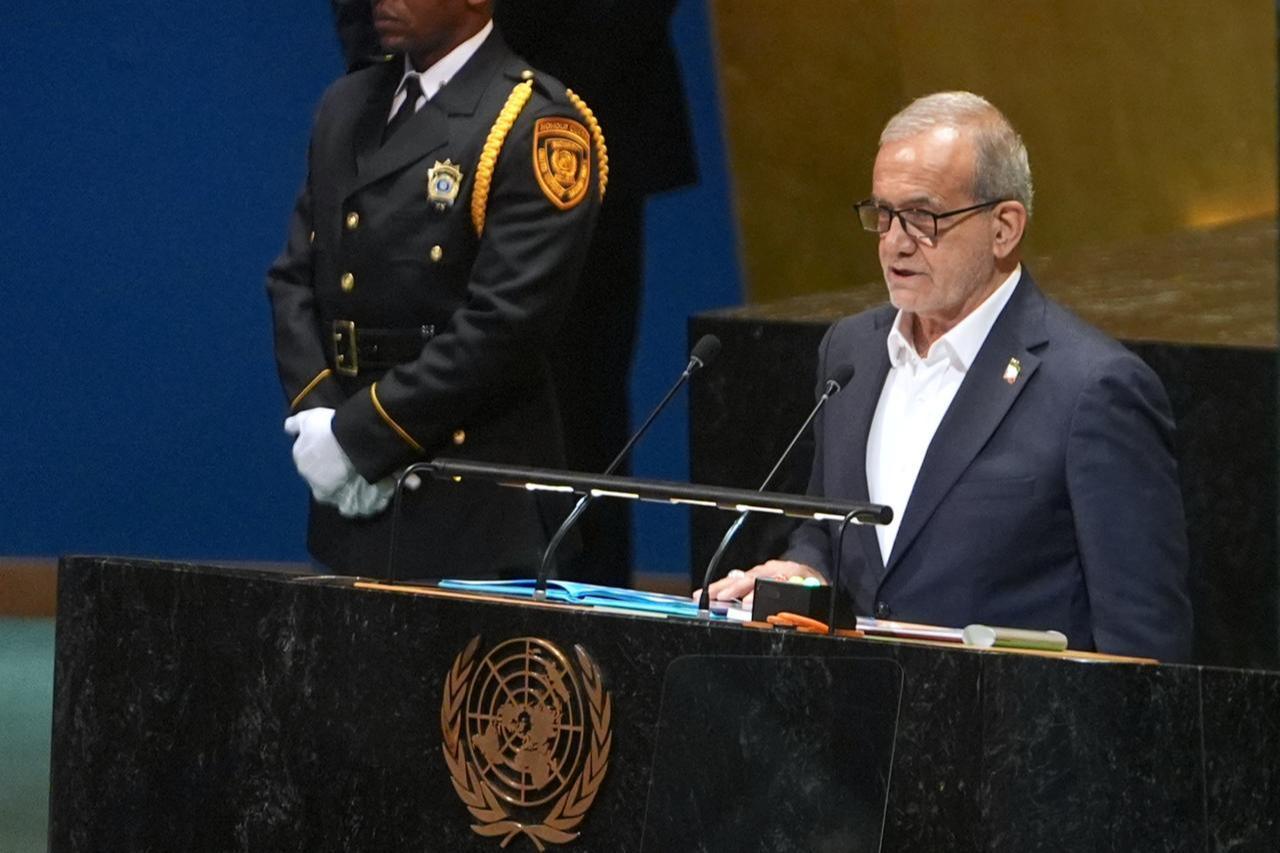

In a markedly different tone from the same day, Iranian President Masoud Pezeshkian apologised for the harm caused to neighbouring countries, promising restraint unless their territory was actively used to attack Iran.
The competing messages from Tehran's top officials illustrate the tension between hardline military imperatives and diplomatic damage control within the post-Khamenei power structure.
Gulf states have categorically denied that their territory has been used in strikes against Iran. Several had made clear even before the conflict erupted that they would not permit their soil to serve as a launchpad for attacks on their neighbour, a position they have reiterated since hostilities began.
The simultaneous emergence of Ejei's threat and Pezeshkian's apology lays bare the competing centres of authority now governing Iran.
With the supreme leader's office vacant and an interim council in place, the republic's foreign and military messaging appears increasingly uncoordinated, complicating diplomatic efforts and raising the stakes for Gulf capitals trying to navigate the crisis.


 Set as preferred source
 Set as preferred source


 2 min read
 1 min read