Newsletters


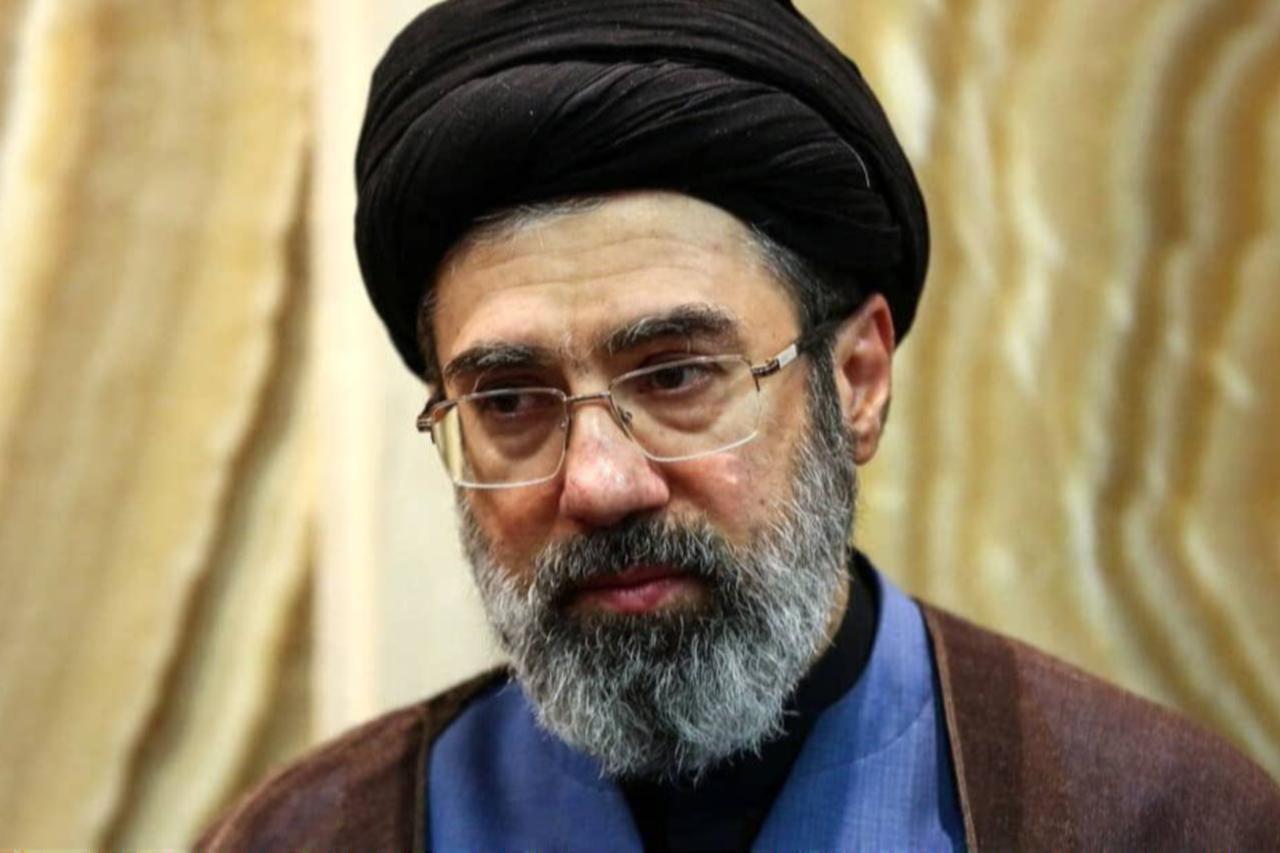


Iran's Supreme Leader Mojtaba Khamenei issued a defiant statement Thursday declaring that the management of the Strait of Hormuz "will certainly enter a new phase," while vowing full accountability for all war-related damages, even as a fragile two-week ceasefire between the United States and Iran held its first day and negotiations prepared to open in Pakistan.
The statement, released on the 40th day since the killing of his father, former Supreme Leader Ali Khamenei, described his death as "a heavy and historic blow" for the Iranian nation.
Khamenei said the current phase represents a continuation of his father's path and pledged that Iran "will certainly not leave the criminal aggressors who attacked our country unpunished," vowing to demand "compensation for each and every damage inflicted, and the blood price of the martyrs and the compensation for the wounded."
He warned that "our hands are on the trigger," and that any misstep by adversaries would be met with a decisive response.
The two-week truce, brokered by Pakistan and announced by U.S. President Donald Trump on April 8, appeared to be largely holding Thursday, with no new attacks reported in the Gulf. However, the Strait of Hormuz, which Tehran effectively closed in retaliation for the U.S.-Israeli war launched on February 28, showed little sign of meaningful reopening.
Only a handful of vessels were allowed through on the first day of the truce, and Iran has been charging transit fees reported to be upward of $1 million per ship. Iranian Foreign Minister Abbas Araghchi said safe passage would be possible "provided that the United States adheres to its commitments."
The ceasefire's durability remained in serious doubt over Israel's continued military offensive against Hezbollah in Lebanon. Iran accused the strikes, which killed hundreds, of being "a grave violation" of the agreement and warned of "strong responses." Israel and the United States maintained that Lebanon was not covered by the deal, a position at odds with mediator Pakistan, which said it was.
Israeli Prime Minister Benjamin Netanyahu separately announced plans to open direct negotiations with Lebanon on disarming Hezbollah, though a Lebanese official responded that there would be "no negotiations under fire."
 1 min read
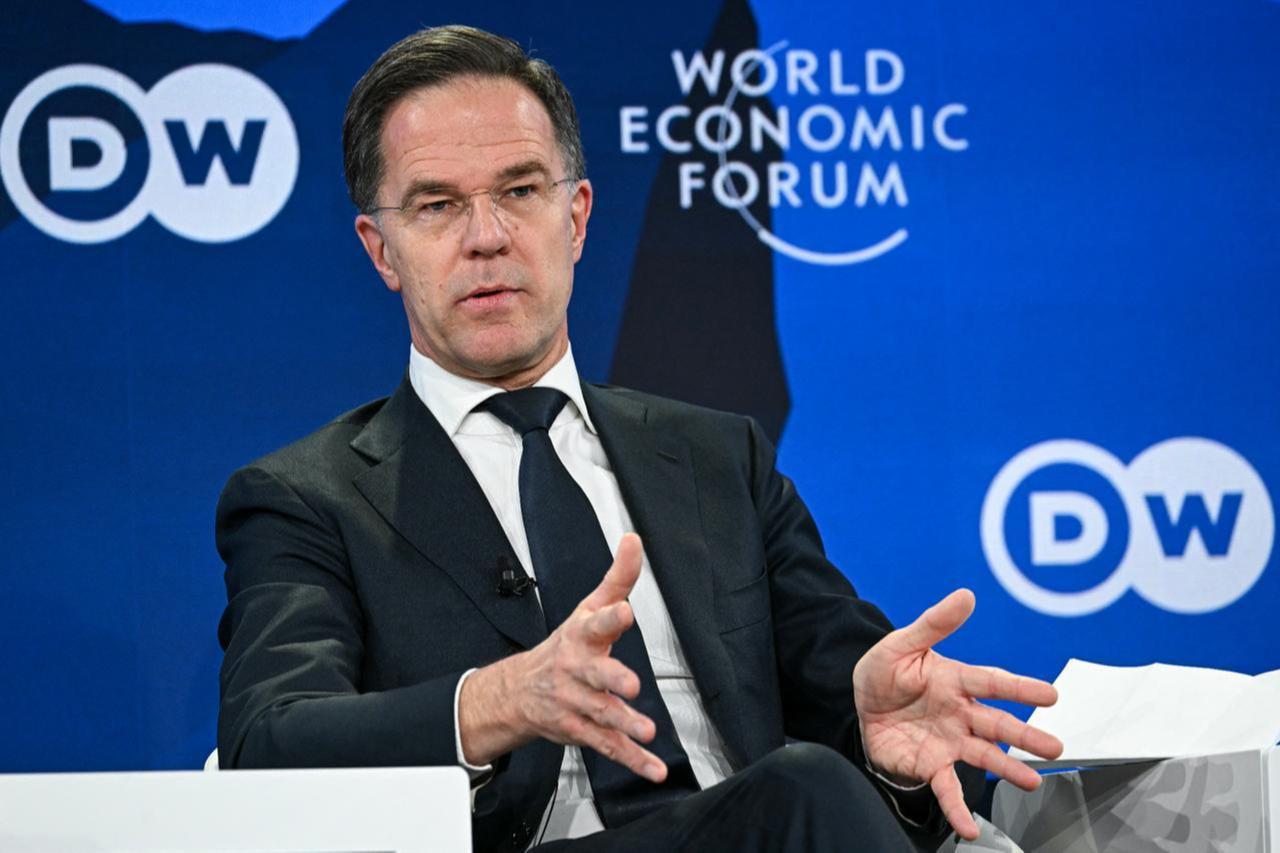
U.S. and Iranian delegations are expected to convene in Islamabad on Friday for the first round of direct negotiations under Pakistani mediation, with talks projected to continue for up to two weeks. The U.S. delegation is reportedly to be led by Vice President JD Vance, accompanied by special envoy Steve Witkoff. Pakistani Prime Minister Shehbaz Sharif welcomed both sides and said the goal is "a conclusive agreement to settle all disputes."
Iran has framed the talks as a continuation of the conflict by other means, not its conclusion, with Khamenei telling supporters the negotiations are proceeding "with complete distrust of the U.S."
The war, which began with joint U.S.-Israeli strikes on Iran on February 28, has killed at least 1,497 people in Lebanon alone and displaced up to 3.2 million Iranians, according to the United Nations refugee agency. Oil prices, which had surged past $100 a barrel during the conflict due to the Hormuz disruption, fell back to around $94 following the ceasefire announcement.


 Set as preferred source
 Set as preferred source


 1 min read