Newsletters


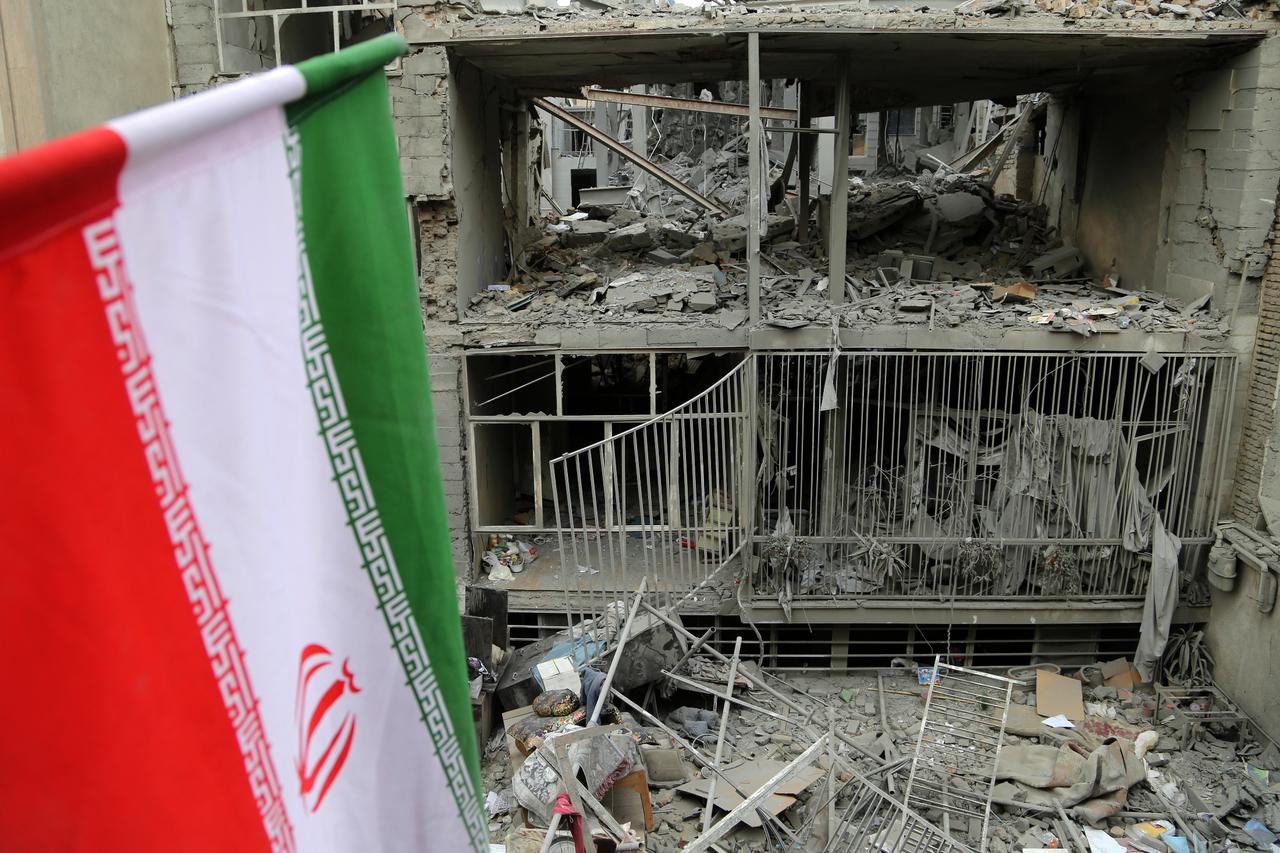


Iran’s new Supreme Leader Mojtaba Khamenei has rejected proposals to reduce tensions or reach a ceasefire with the United States, according to a Reuters report published Tuesday.
The report, citing a senior Iranian official, said the proposals were conveyed to Tehran by two intermediary countries.
Khamenei’s stance on retaliation against the United States and Israel was “very tough and serious” in his first foreign policy session, the official said, without clarifying whether he attended in person.
Reuters also reported that three sources said on March 14 that the Trump administration had rebuffed efforts by Middle Eastern allies to launch diplomatic negotiations aimed at ending the war.
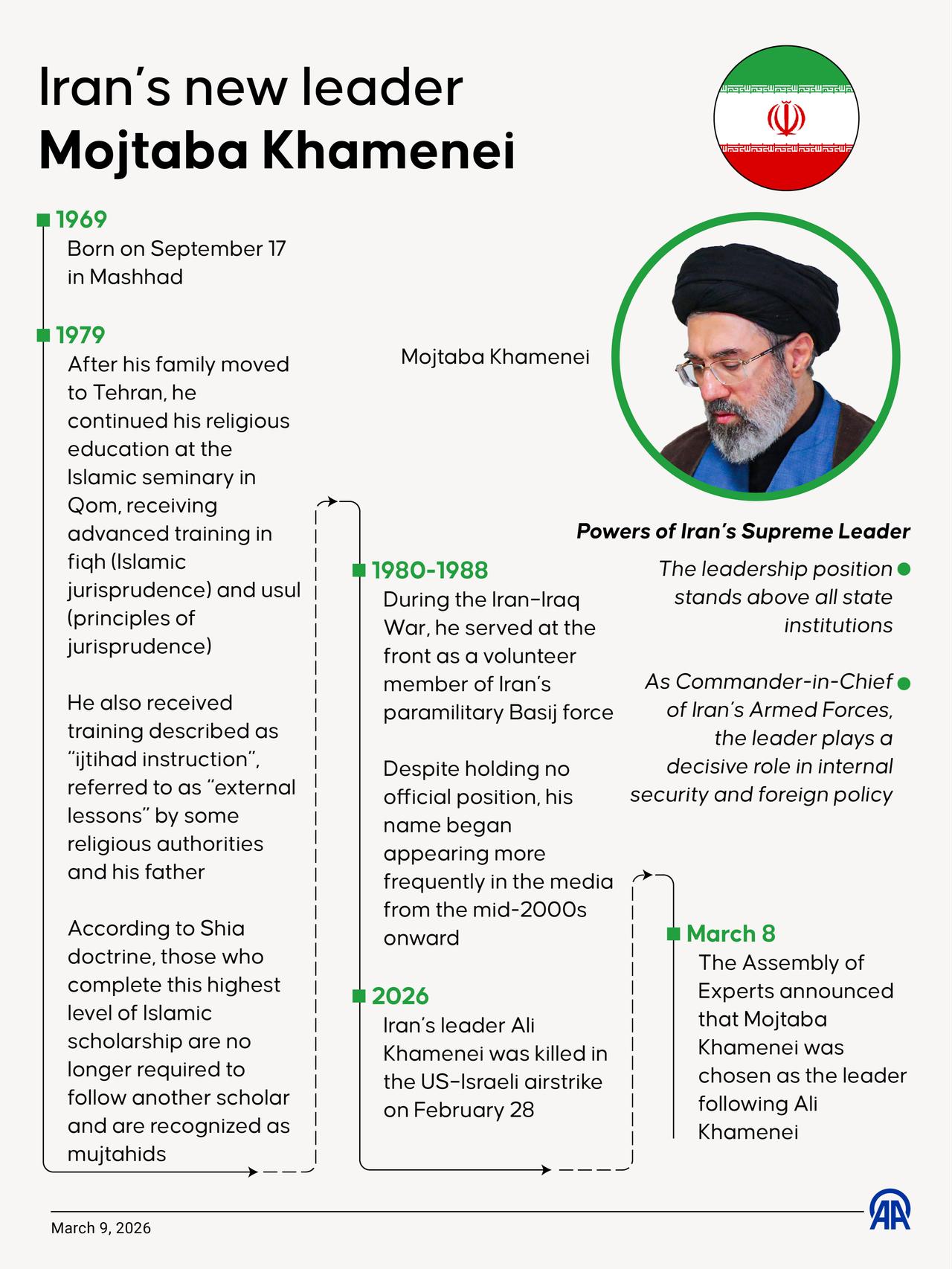

Meanwhile, U.S. intelligence assessments indicate that Iran’s leadership has become “more hardline” despite weeks of Israeli and U.S. attacks and is likely to “remain in place for now,” according to a report by The Washington Post.
The report, citing sources familiar with the matter, said U.S.-Israeli attacks since Feb. 28 have not created overt “cracks or defections” within Iran’s power structure.
Sources said that while the strikes have weakened Iran militarily, they have not triggered a breakdown within the government, instead contributing to a more “entrenched” system under the control of the Islamic Revolutionary Guard Corps.
The report said U.S. intelligence predicted Iran’s regime “will remain intact and possibly even emboldened, believing it stood up to Trump and survived,” before U.S. President Donald Trump “gave the go-ahead to jointly launch the war with Israel.”
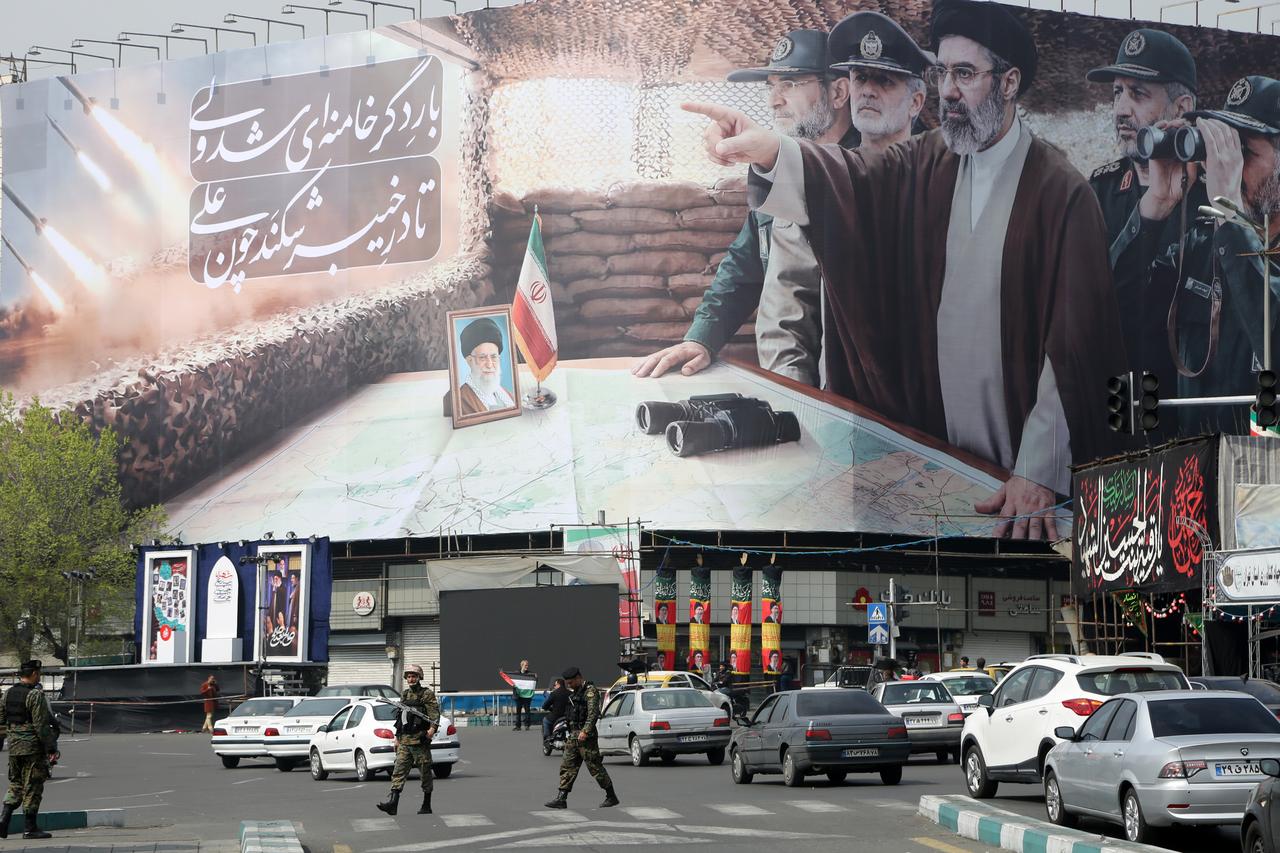
The developments come as Israel claimed that senior Iranian figures were killed in recent strikes.
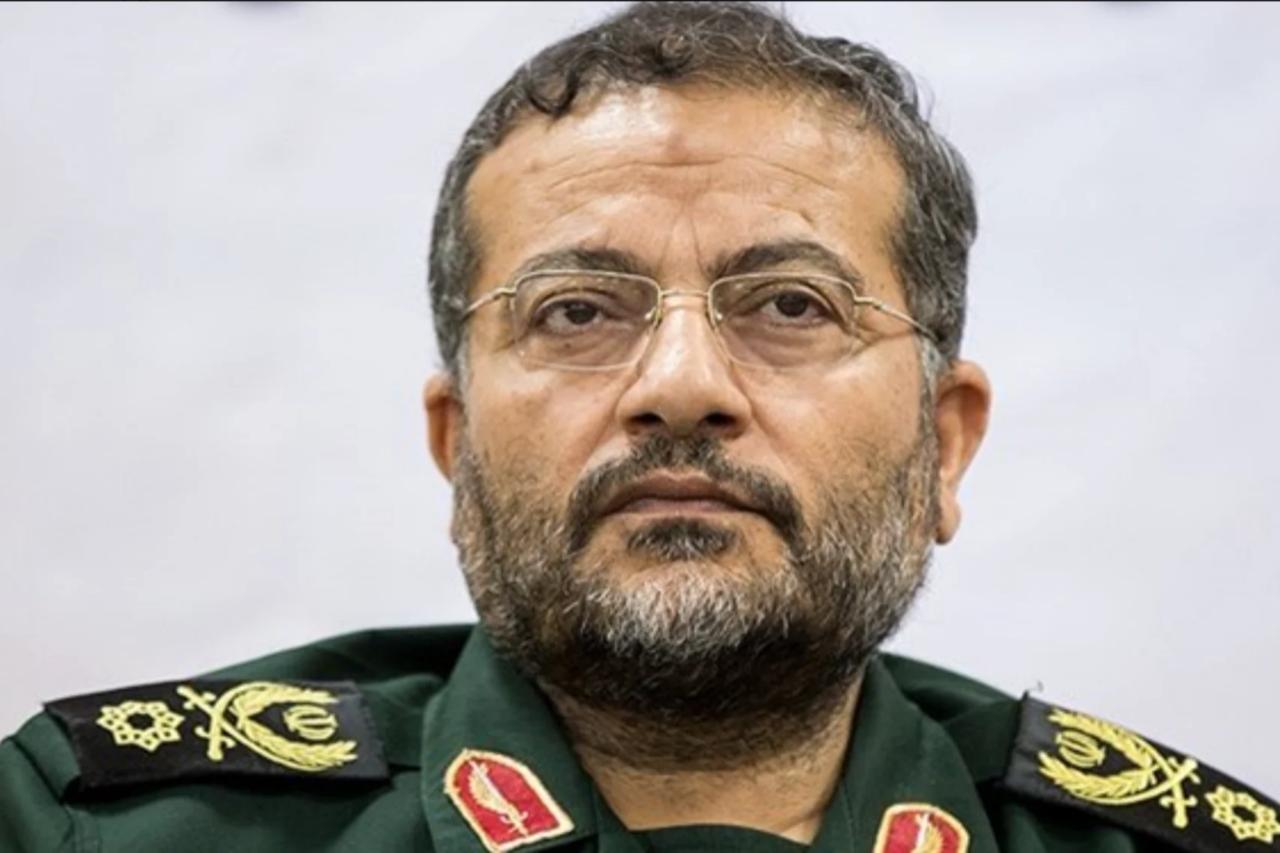
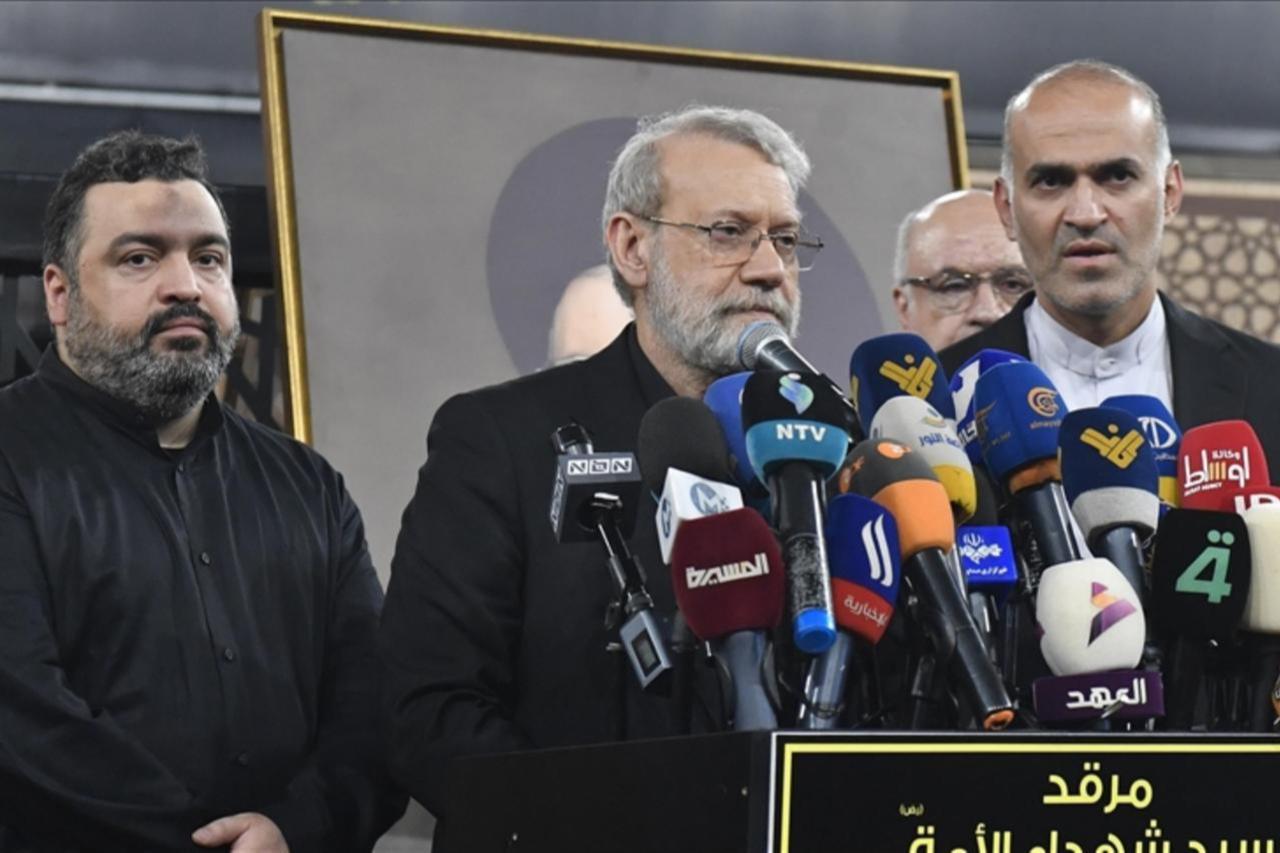
Israeli Defense Minister Israel Katz said Tuesday that Iran’s top security official Ali Larijani and Basij commander Gholamreza Soleimani were “eliminated” in overnight strikes.
Israeli media had earlier reported that Larijani, head of Iran’s Supreme National Security Council, was targeted in the attacks.
There was no immediate response from Iranian authorities to the claims.
 1 min read
The U.S.-Israeli war on Iran has entered its third week following the launch of joint attacks on Feb. 28.
The strikes have killed around 1,300 people, including then-Supreme Leader Ali Khamenei, according to Iranian authorities.
Iran has retaliated with drone and missile strikes targeting Israel, Jordan, Iraq and Gulf countries hosting U.S. military assets, causing casualties and damage to infrastructure while disrupting global markets and aviation.


 Set as preferred source
 Set as preferred source



 1 min read