Newsletters




The head of the International Atomic Energy Agency (IAEA) Rafael Grossi warned that inspectors have been barred from Iran’s most sensitive nuclear sites since last year's strikes, exacerbating an already "concerning" nuclear situation.
That left the agency unable to confirm whether Tehran's program remains peaceful, as the IAEA chief warned that a return to the negotiating table is essential regardless of the conflict's military outcome.
"Iran had not been giving, for quite some time, the IAEA access to places, clarifying activities and a number of things that led us to a place or a position where we lost the necessary continuity of knowledge to be able to confirm that everything in Iran was in peaceful use," Grossi said.
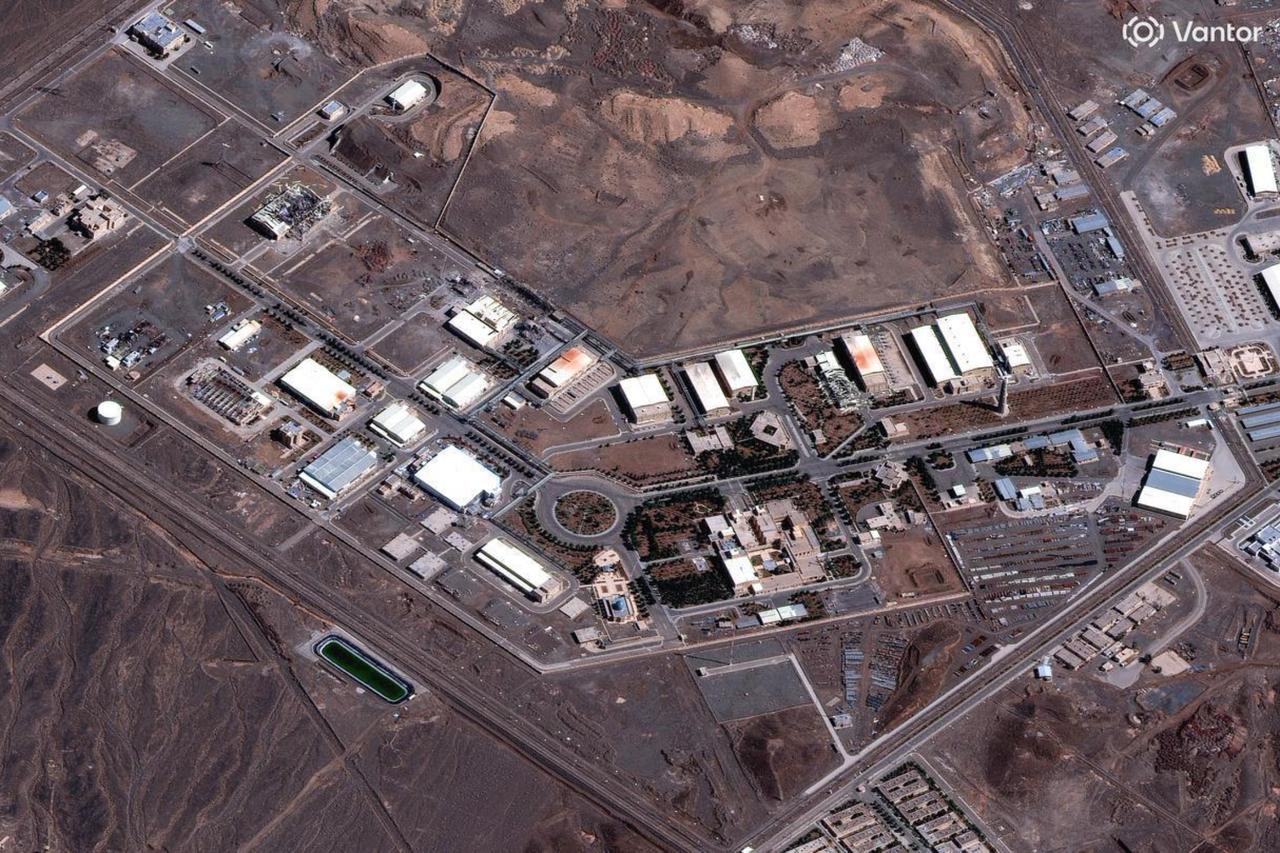
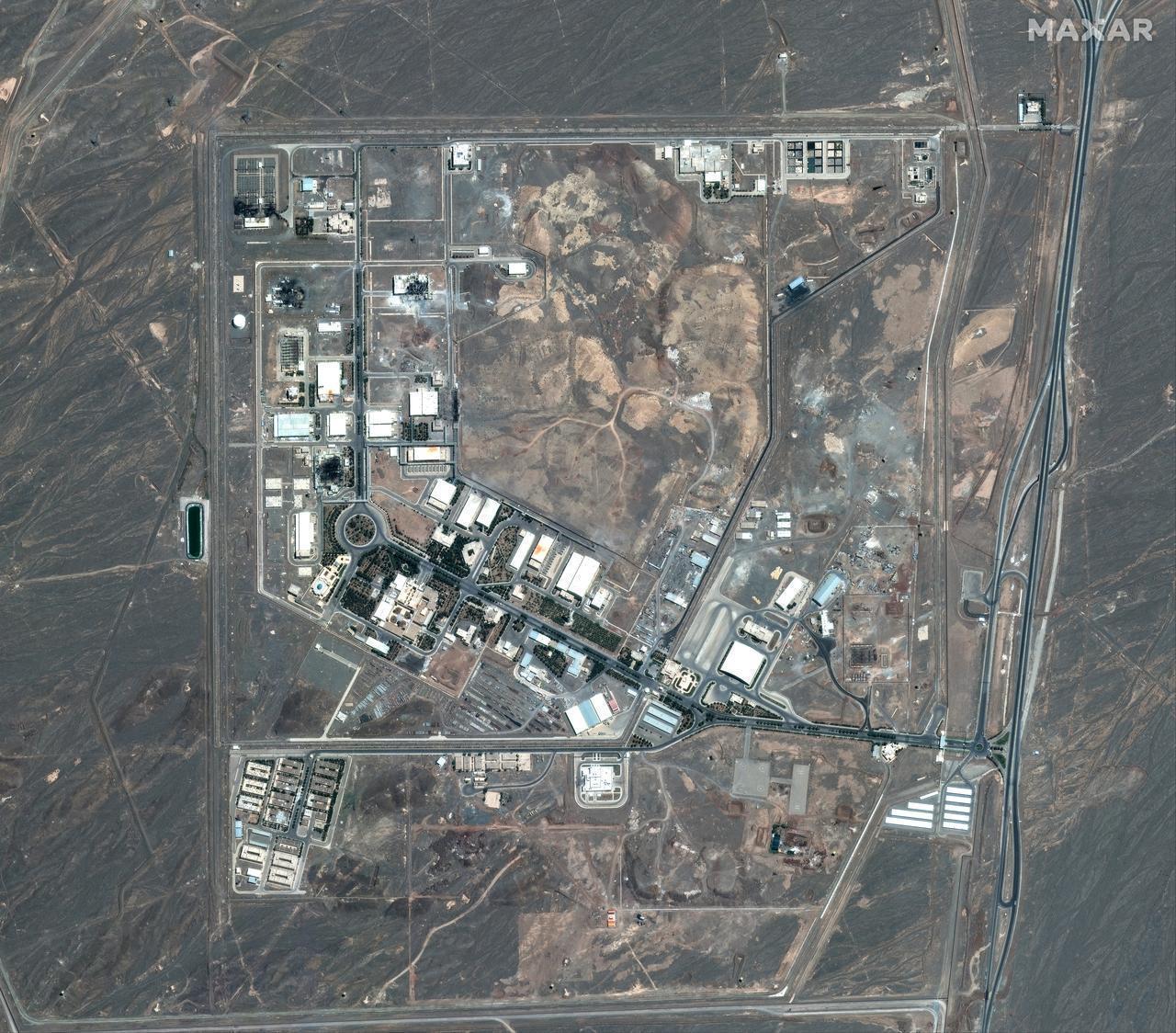
Grossi said Iran allowed inspectors to return only to facilities that had not been attacked after the June 2025 strikes. The three most significant nuclear sites, Isfahan, Fordow and Natanz, remained off-limits.
"No access to Isfahan, no access to Fordow, no access to Natanz, no access at all," Grossi said.
An agreement signed in Cairo was supposed to pave the way for inspectors' return but was "frustrated towards the end of the year."
Negotiations mediated by Oman's foreign minister, with the participation of U.S. envoy Steve Witkoff and Iranian Foreign Minister Abbas Araghchi, were underway when the war began on Feb. 28.
"That was a pretty intense exercise, which obviously did not come to fruition," Grossi noted.
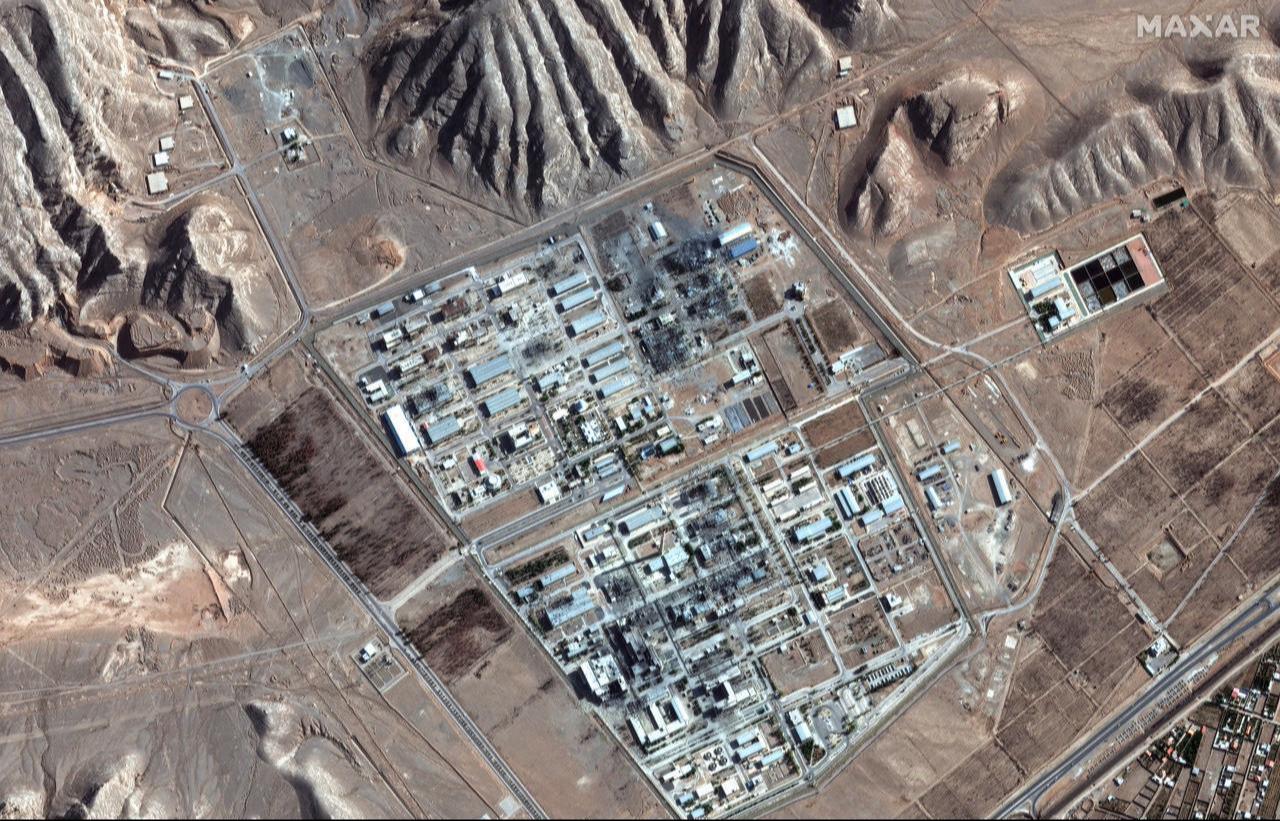

Grossi confirmed that most of Iran’s uranium enriched to a level nearly high enough for weapons grade is believed to remain at Isfahan, stored in gaseous form within cylinders inside an underground tunnel network.
Asked about the proportion at Isfahan, Grossi said, "The vast majority is in Isfahan and there is some somewhere else."
He indicated the proportion at Isfahan was "perhaps a little bit less" than 70% while some material is also at Natanz.
He said the material could be moved but would require careful handling.
"These are cylinders. This enriched uranium is in gas form inside the cylinders. So, it requires some precaution, but it can be moved," Grossi said.
He added that even if part of the stockpile were removed, "you could still have amounts that would be enough to manufacture a few warheads."
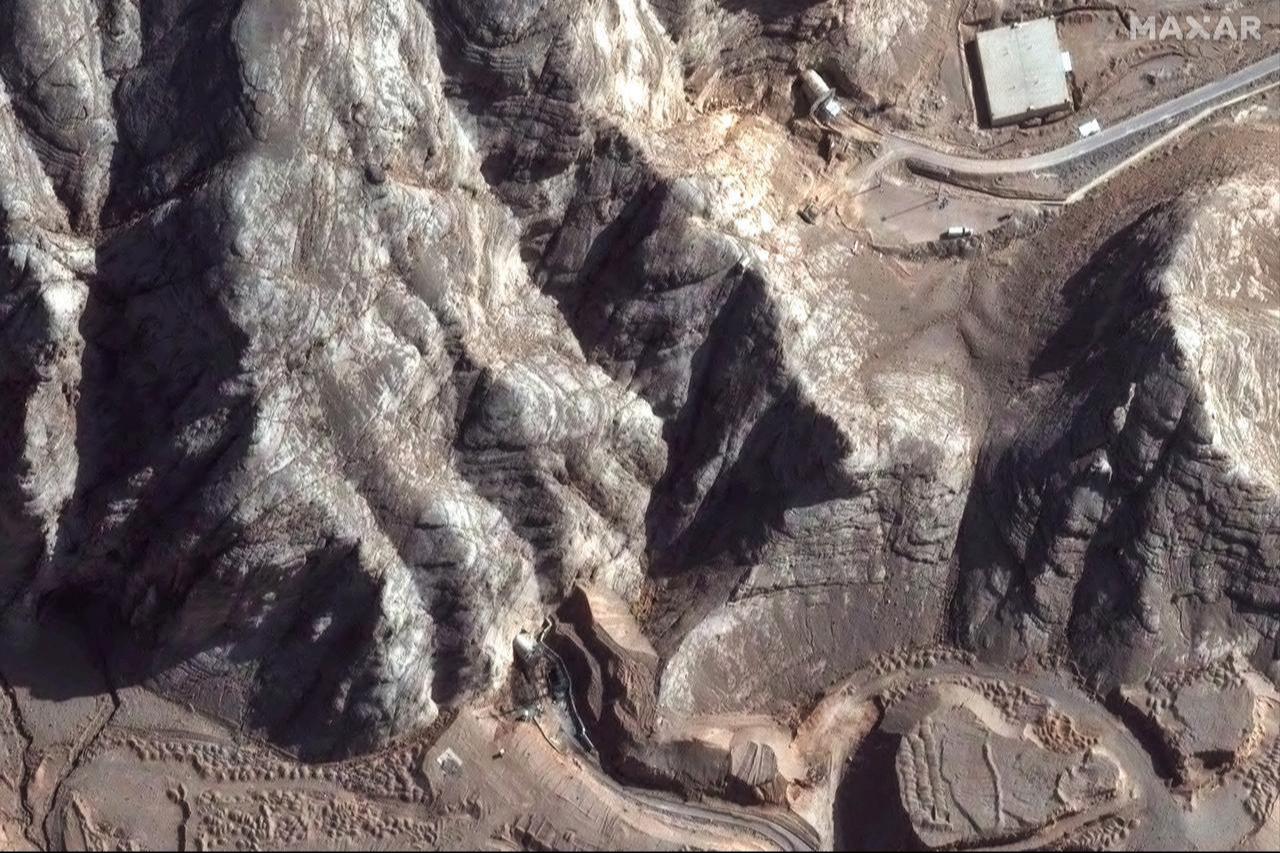
Grossi revealed that Iran had declared a new facility, and the IAEA requested access, which was granted.
"But we never made it to that place because the 12-day war started. And so, we were not able to see what kind of facility this was, whether it was an empty hole, or a place already fitted with centrifuges and cascades," he said.
On reports of nuclear activity at a site known as "Pickaxe Mountain" near Natanz, Grossi said, "They announced their intention to have nuclear activity there. That was not a secret either."
He confirmed the IAEA had not been given access to inspect the site.
Asked whether negotiations remained possible after the killing of senior Iranian leaders, Grossi replied simply, "They are necessary."
He warned that without a comprehensive diplomatic agreement covering material, facilities and future activities, the cycle of conflict would continue.
"Otherwise, we will be stumbling onto new moments of uncertainty or doubt, which could potentially lead to confrontation and war," he said.
Grossi stated he was in Washington for consultations with U.S. officials to "prepare the ground for hopefully future negotiation."
He confirmed engagement with both Washington and Tehran "has never stopped" but that in-person meetings were important to "assess what possibilities are to go back precisely to the negotiating table."
On the broader nuclear landscape, Grossi expressed concern.
"The nuclear factor in conflict is increasing in visibility and perhaps in value from the decision makers' point of view. So it is a concerning moment," he concluded.


 Set as preferred source
 Set as preferred source


 2 min read