Newsletters


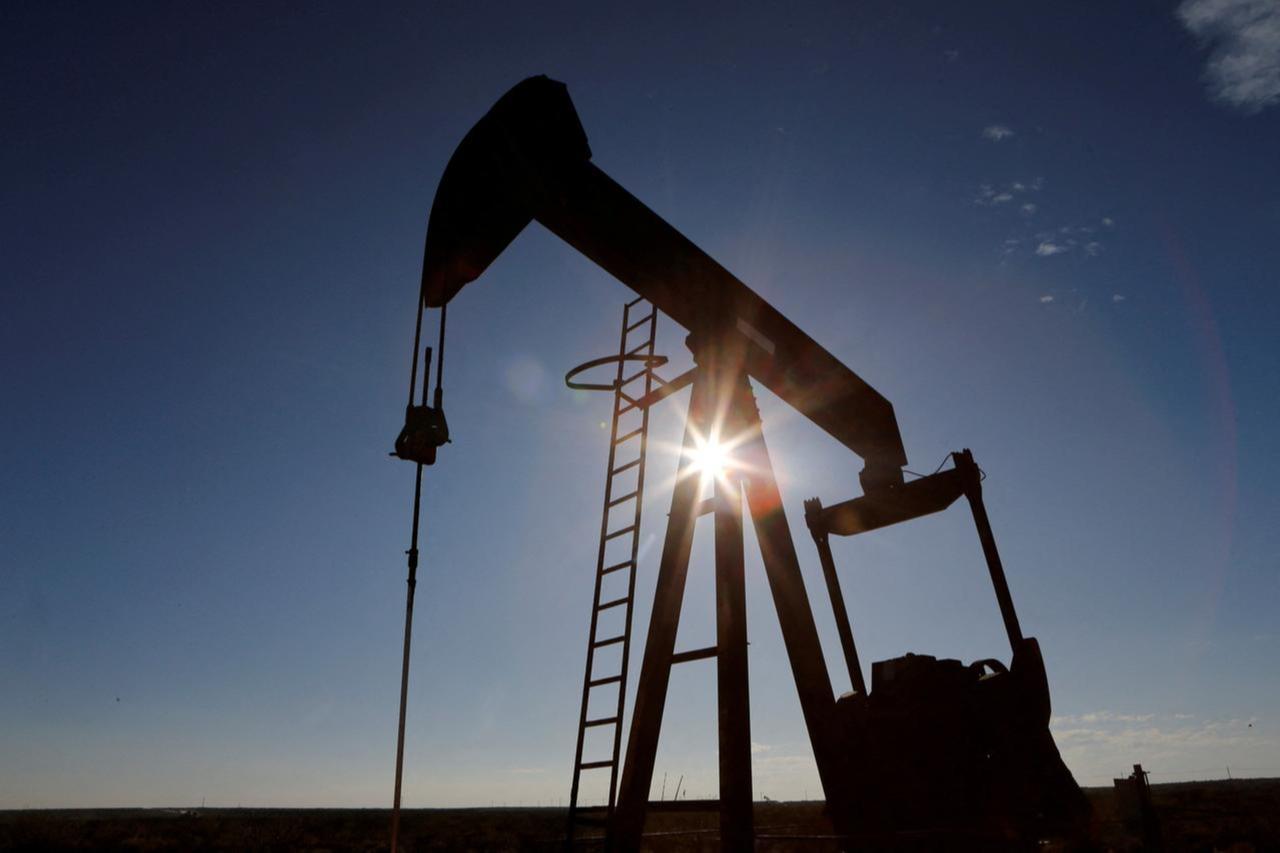


Brent crude oil surged more than 3 percent at the start of the week, breaking above $115 a barrel, as the now five-week-old war involving Iran showed no signs of a near-term resolution and investors braced for a prolonged disruption to global energy flows.
The benchmark settled at $112.57 on Friday before extending gains Monday, marking its highest level since July 2022. The conflict, which began after the United States and Israel launched joint air strikes on Iran on February 28, has sent crude futures soaring, with Brent briefly trading within reach of $120 a barrel at peak volatility.
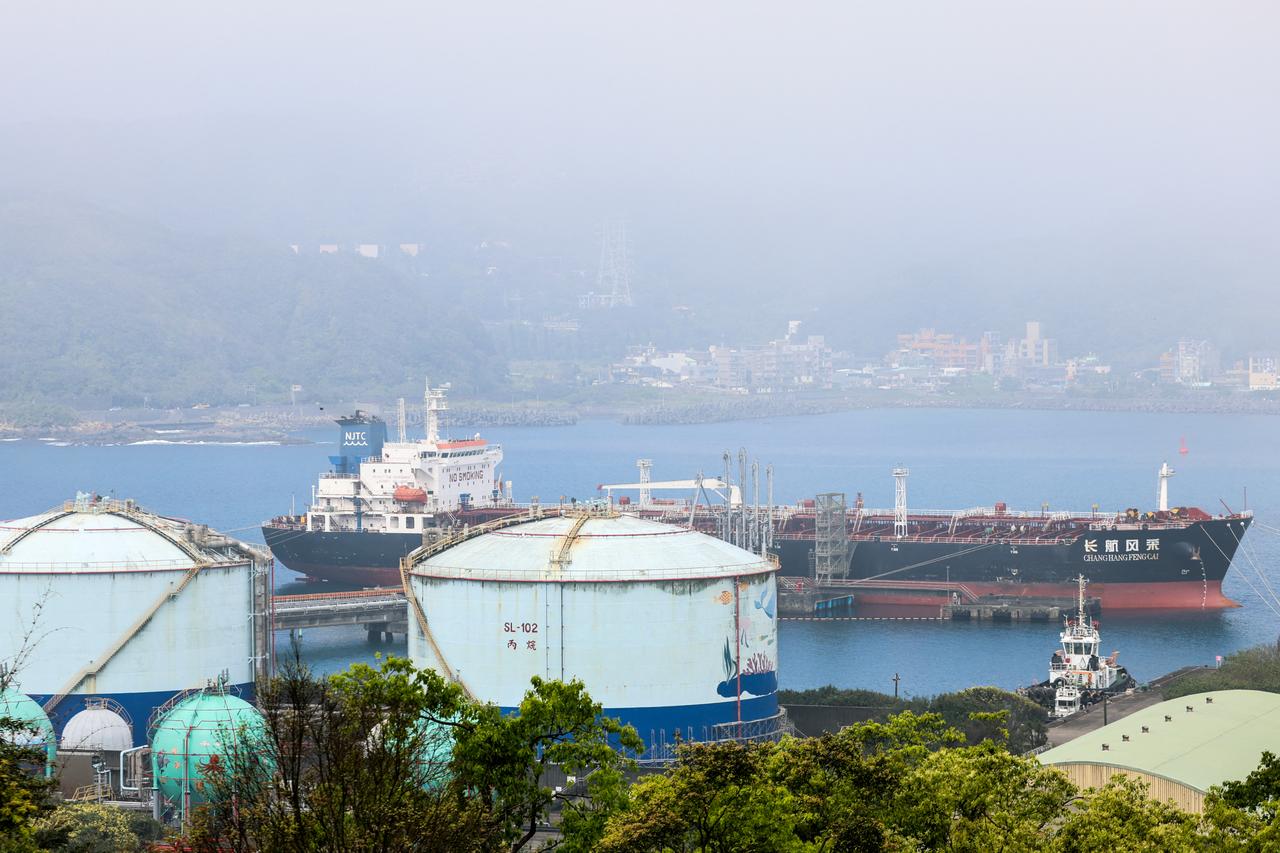
The immediate catalyst is the effective closure of the Strait of Hormuz, the narrow chokepoint through which roughly a fifth of global energy flows. Tehran's move to restrict tanker traffic through the passage has removed a volume of supply that markets cannot easily replace. With nearly 20 million barrels per day of crude and product exports disrupted and limited alternatives to bypass the world's most critical oil transit chokepoint, producers and consumers globally are feeling the strain.
Brent prices have risen roughly 50%since hostilities began, with the gains accelerating after Iran-backed Houthi militants in Yemen entered the conflict and additional U.S. troops were deployed to the region, deepening investor doubt about a swift end to the fighting. Goldman Sachs estimates the conflict has added between $14 and $18 per barrel in geopolitical risk premium to crude prices.
The shock has radiated well beyond crude. Heating oil has climbed more than 59 percent over the past month, while gasoline is up nearly 40 percent. Disruptions to LPG and naphtha supplies are already forcing petrochemical plants to curb production, aggravating the loss of Gulf petrochemical flows, while widespread flight cancellations in the Middle East are expected to reduce global jet fuel demand by around one million barrels per day in March and April.
Natural gas markets have so far proven more resilient, with prices up just 0.27 percent over the past month, though reduced liquefied natural gas flows through the Strait of Hormuz have pushed European and Asian gas prices higher. Urals crude, Russia's primary export grade, has surged nearly 80 percent over the past month to above $105 a barrel, as buyers cut off from Middle Eastern supplies turn to alternative sources.


 Set as preferred source
 Set as preferred source


 1 min read
 1 min read