Newsletters


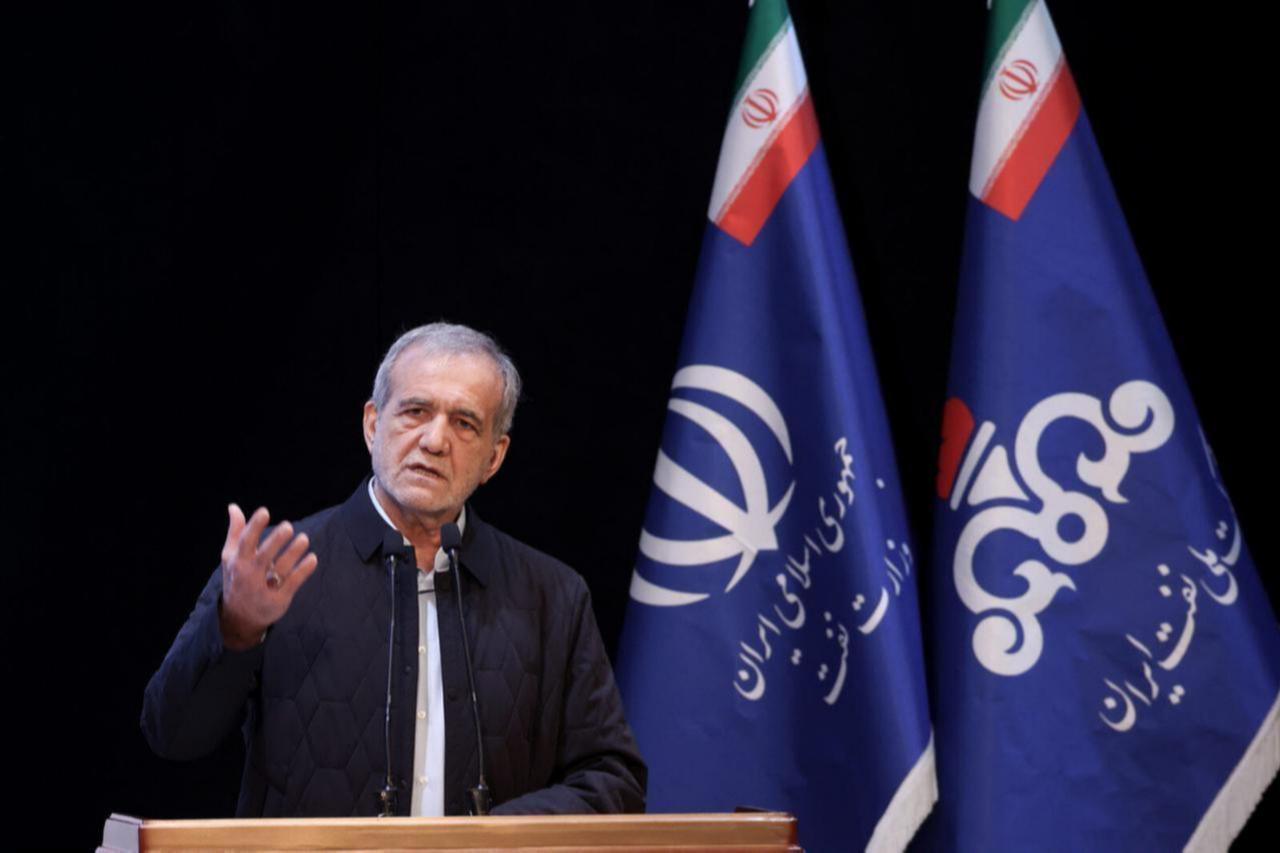


Iranian President Masoud Pezeshkian said Saturday that the country would not yield to foreign pressure and called for national unity, as mass protests continued at home and U.S. military activity in the region increased.
Speaking at a ceremony in Tehran honoring Paralympic medalists, Pezeshkian described Iran as facing mounting external pressure while urging resilience and cohesion across society.
"The world cowardly and through bullying tries to force us to submit to them, but know that just as you did not bow to difficulties, we will not bow to these problems," he said. "Despite all the hardships they imposed and the wounds they opened in society, we must heal these wounds."
Pezeshkian stressed the need for collective action, saying Iran must stand united to overcome its current challenges.
"We are one nation and must come together as a single body, stand against all these challenges, and put aside our differences and problems. We must be together and heal these wounds," he said.
He also acknowledged economic strain and existing shortcomings, pledging that the government would continue efforts to address them.
"We will do our best to eliminate existing shortcomings and deficiencies, and we hope we can overcome these problems," he added.
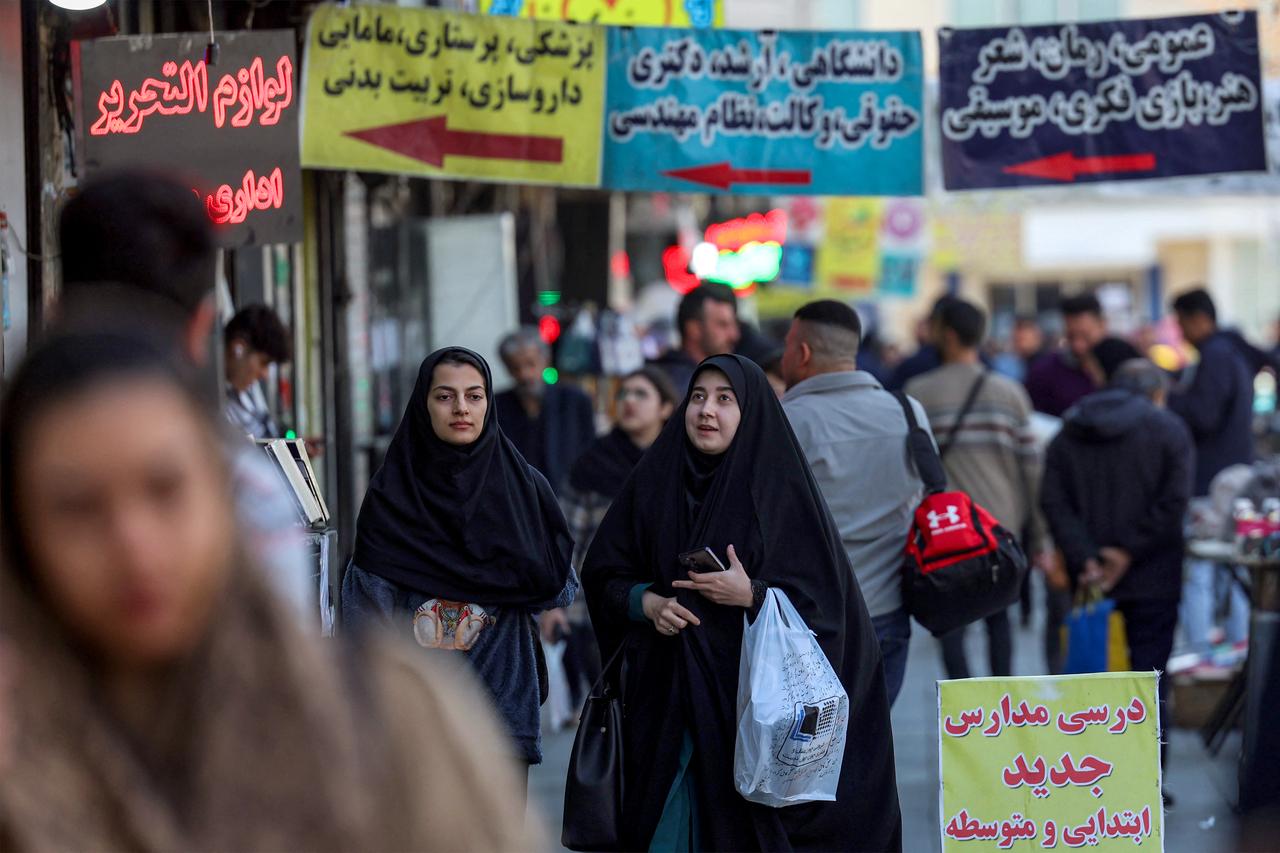

Pezeshkian’s call takes place as mass protests continue in Iran, with the U.S.-based Human Rights Activists News Agency (HRANA) reporting 7,015 deaths in its latest update, while U.S. President Donald Trump ramps up military pressure and warns of military action if nuclear talks fail.
Recent deployments include the USS Gerald R. Ford aircraft carrier entering the Mediterranean Sea, while satellite imagery showed F-15E, F-35A and F-16 fighter jets stationed at bases in Jordan, signaling an expanded U.S. military presence tied to tensions with Iran.
Trump said he was considering a limited strike and remained prepared to act if negotiations did not succeed, as Pentagon officials reviewed contingency plans that included leadership targets.
Amid these developments, Iranian Foreign Minister Abbas Araghchi and Qatar’s Prime Minister and Foreign Minister Mohammed bin Abdulrahman Al Thani held a phone call to review nuclear diplomacy and broader regional developments. Both sides emphasized maintaining coordination and keeping diplomatic channels open.
Engagement between Tehran and Washington continues through direct talks and regional mediation, including efforts facilitated by Oman and Qatar, as both sides weigh possible terms for a nuclear agreement.


 Set as preferred source
 Set as preferred source


 1 min read
 1 min read