Newsletters




Iranian Foreign Minister Abbas Araghchi said the U.S. has not requested that Tehran reduce its uranium enrichment to zero in ongoing negotiations over Iran’s nuclear program.
Speaking on MSNBC’s Morning Joe program, Araghchi dismissed speculation that Washington had demanded a complete halt to enrichment.
“We have not offered any suspension, and the U.S. side has not asked for zero enrichment,” he said.
Asked whether the U.S. had sought a permanent suspension of enrichment, Araghchi responded, “Yes,” indicating that no such demand had been made.
“What we are now talking about is how to make sure that Iran’s nuclear program, including enrichment, is peaceful and would remain peaceful forever,” he added.
He also said the next step in the talks would be to present a draft of a possible agreement to Washington “in the next two, three days.”
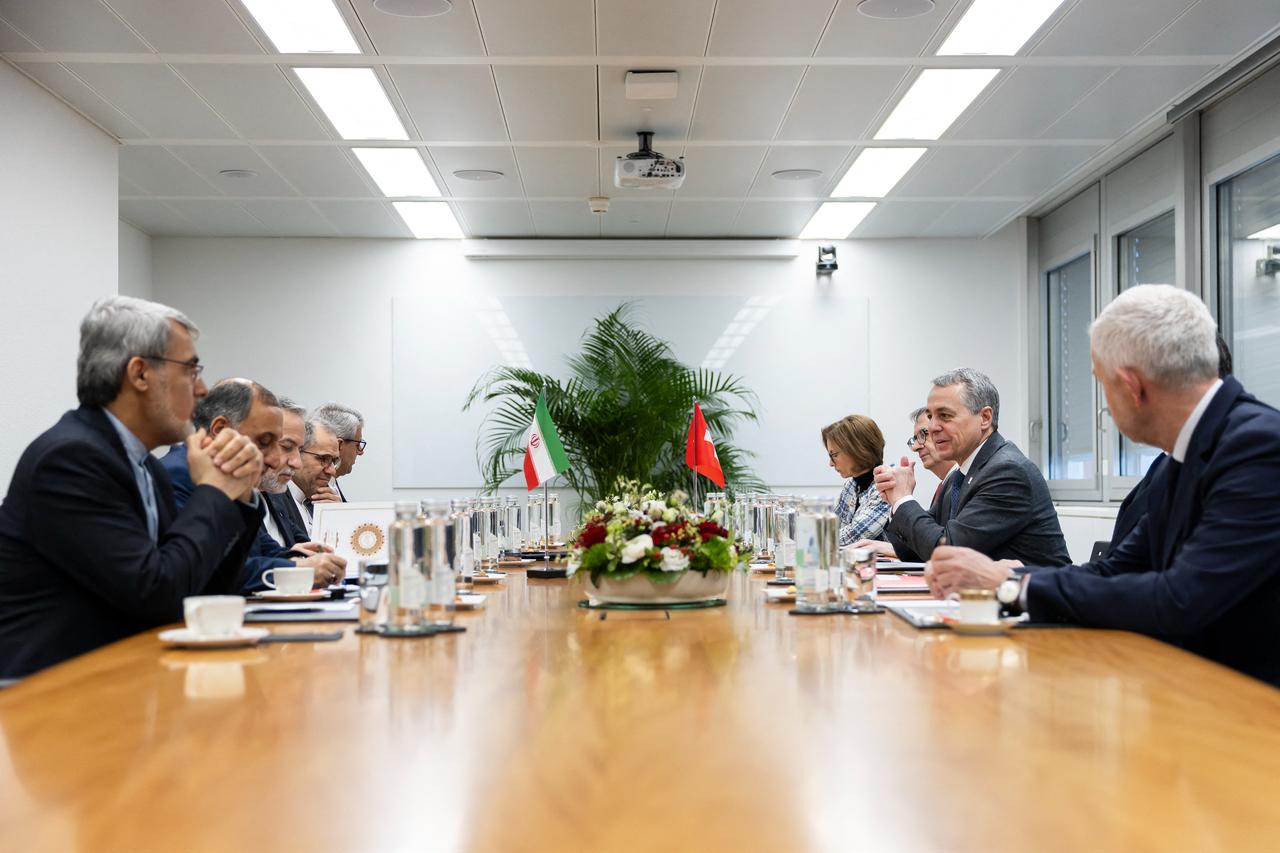
Iran and the U.S. are holding indirect negotiations over Tehran’s nuclear program. The two sides concluded a second round of Oman-mediated talks Tuesday in Geneva, Switzerland.
An initial round of discussions took place on Feb. 6 in Muscat, Oman, marking the first such talks since previous negotiations collapsed during the 12-day Iran-Israel war last June, in which the U.S. struck Iranian nuclear facilities.
Araghchi’s remarks contrast with statements from senior U.S. officials, including President Donald Trump, who has repeatedly said Iran must not be allowed to enrich uranium at any level.
On Thursday, Trump said it would become clear within 10 days whether a meaningful agreement could be reached with Iran, warning that “bad things happen” if a deal is not achieved. He later extended the timeline to 15 days.
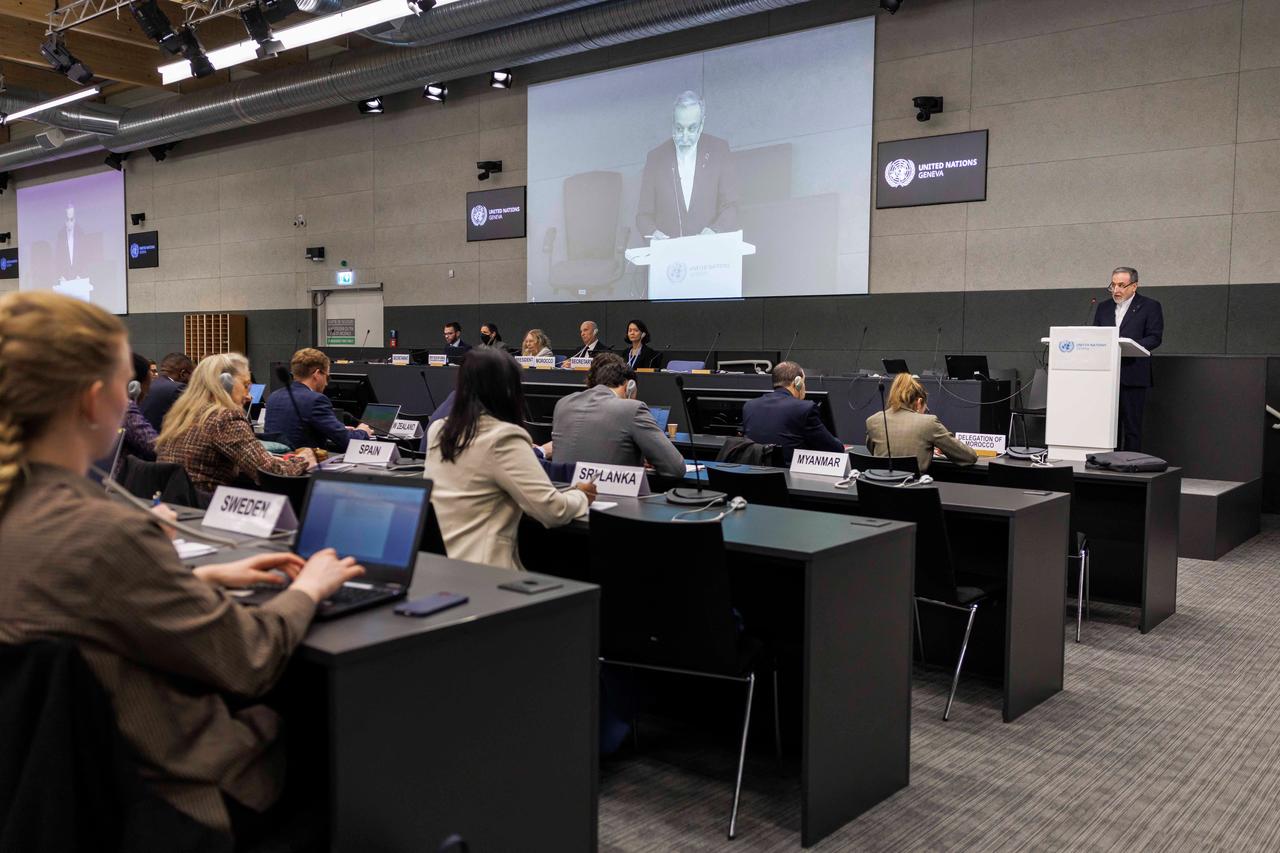

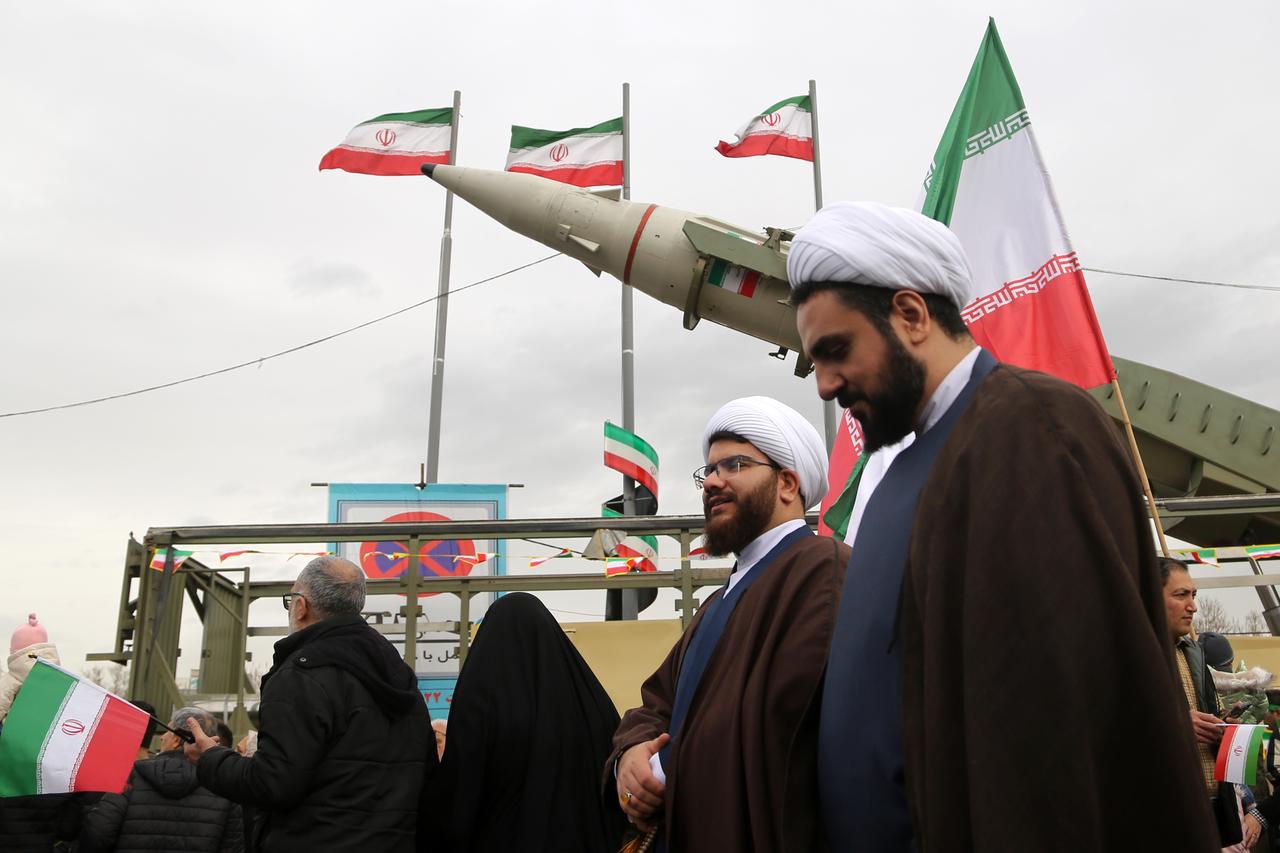
Washington has called for zero enrichment and has also sought to address Iran’s ballistic missile program and its support for militant groups in the region.
Western countries accuse Iran of seeking nuclear weapons, while Tehran denies military ambitions and insists on its right to civilian nuclear technology.
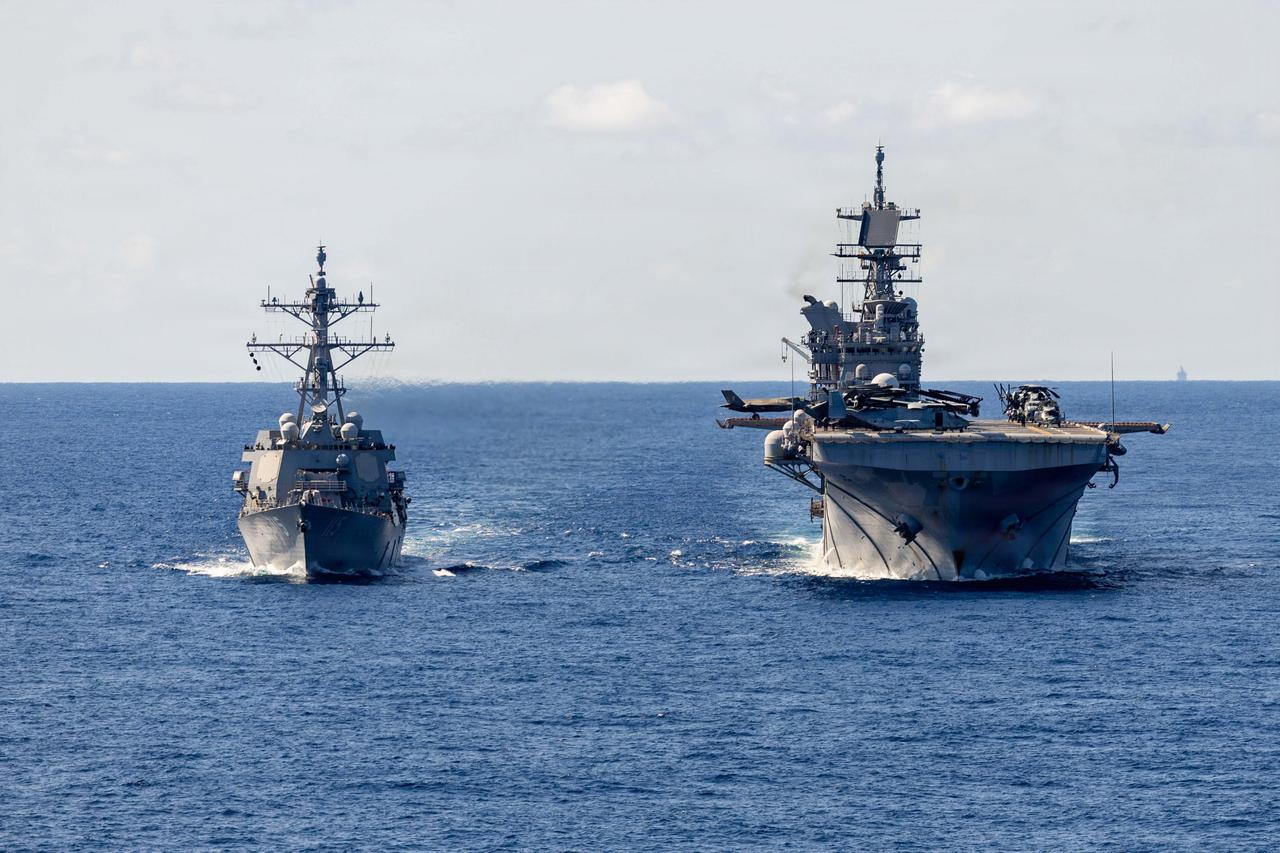
Trump has increased pressure on Iran, deploying significant naval forces to the region. After sending the aircraft carrier USS Abraham Lincoln and escort ships to the Gulf in January, he ordered a second carrier, the USS Gerald R. Ford, to head to the Middle East.
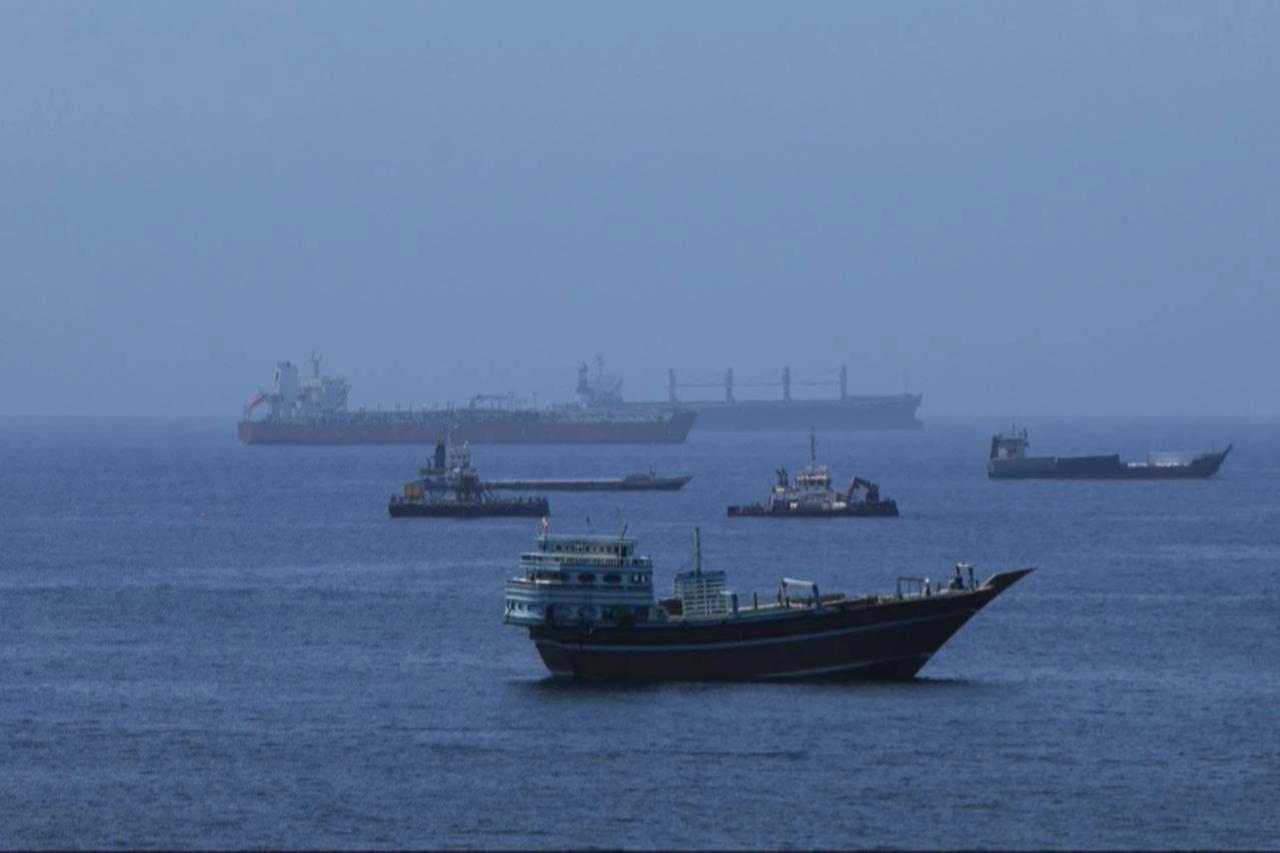
Meanwhile, Iranian naval forces conducted military drills in the Gulf and around the Strait of Hormuz this week.


 Set as preferred source
 Set as preferred source


 1 min read
 1 min read