Newsletters


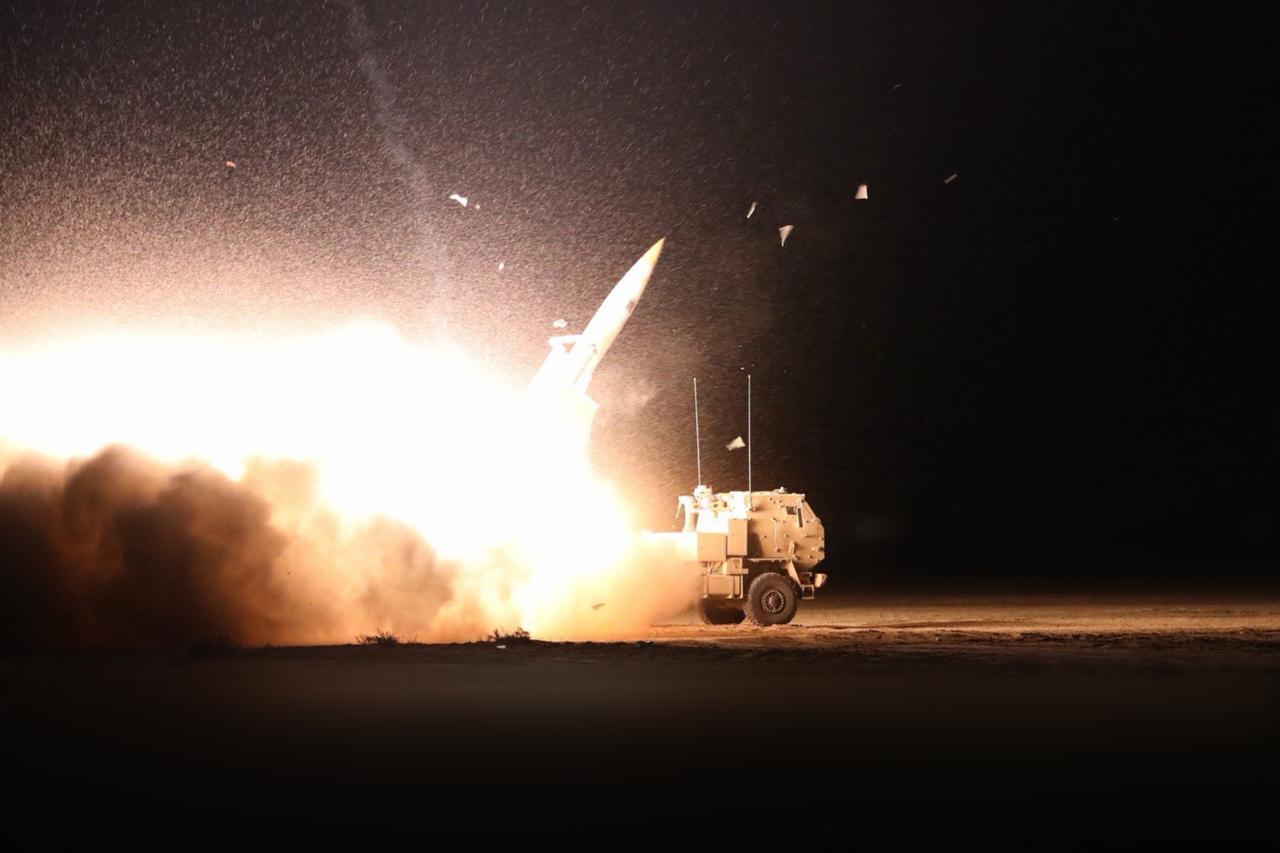


Iranian President Masoud Pezeshkian told French President Emmanuel Macron in a phone call on early Monday that the latest U.S. attacks on Iranian islands were launched from the territories of Gulf countries.
The Islamic Revolutionary Guard Corps (IRGC) Navy commander warned that striking Kharg Island's oil infrastructure would create "another dangerous and unprecedented equation for global energy rates."
The United Arab Emirates (UAE) also rejected Iranian accusations as reflecting a "confused policy."
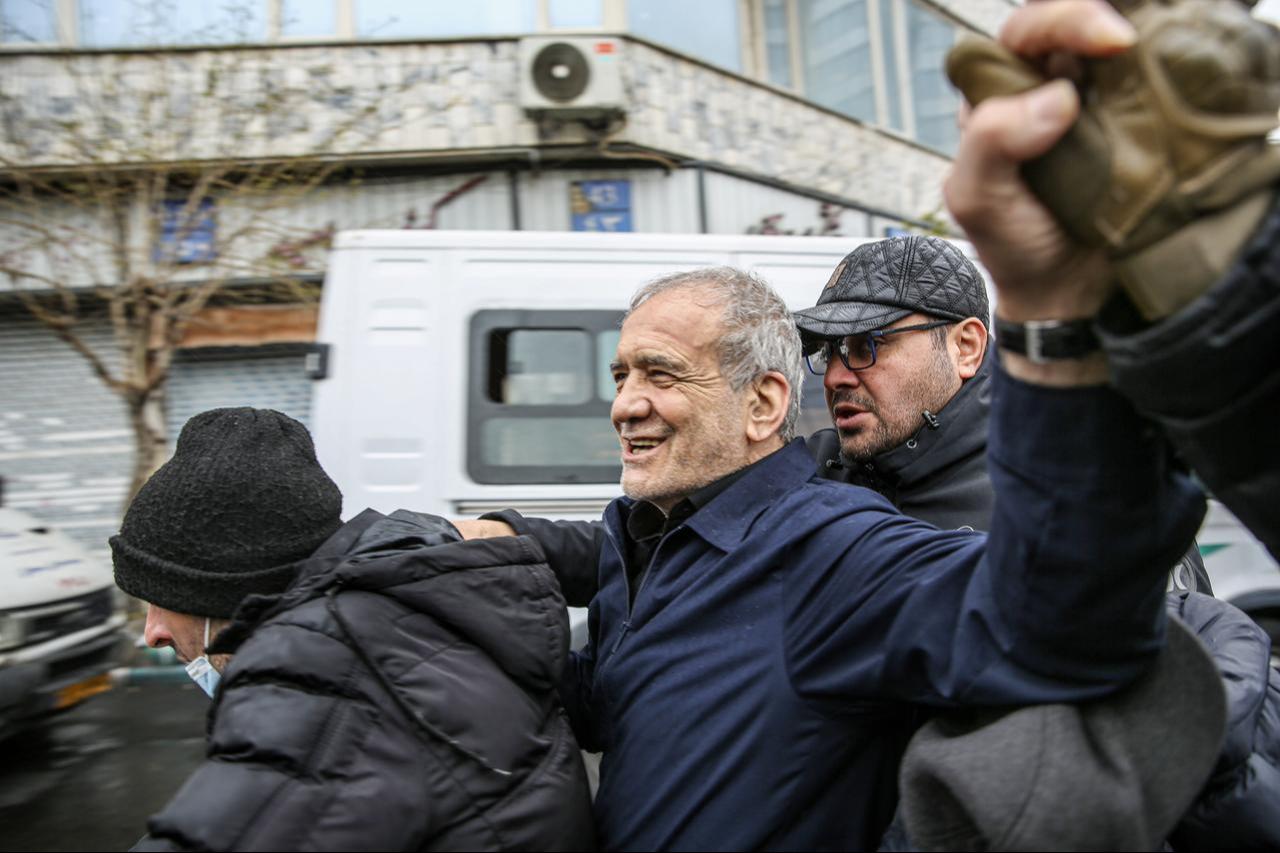

According to remarks reported by the Iranian Students News Agency (ISNA), Pezeshkian said in his call with Macron that the roots of insecurity in the region lie in "hostile actions by Israel and the United States," and that Iran and its armed forces "had not sought escalation or conflict" but would firmly defend its territorial integrity and national security.
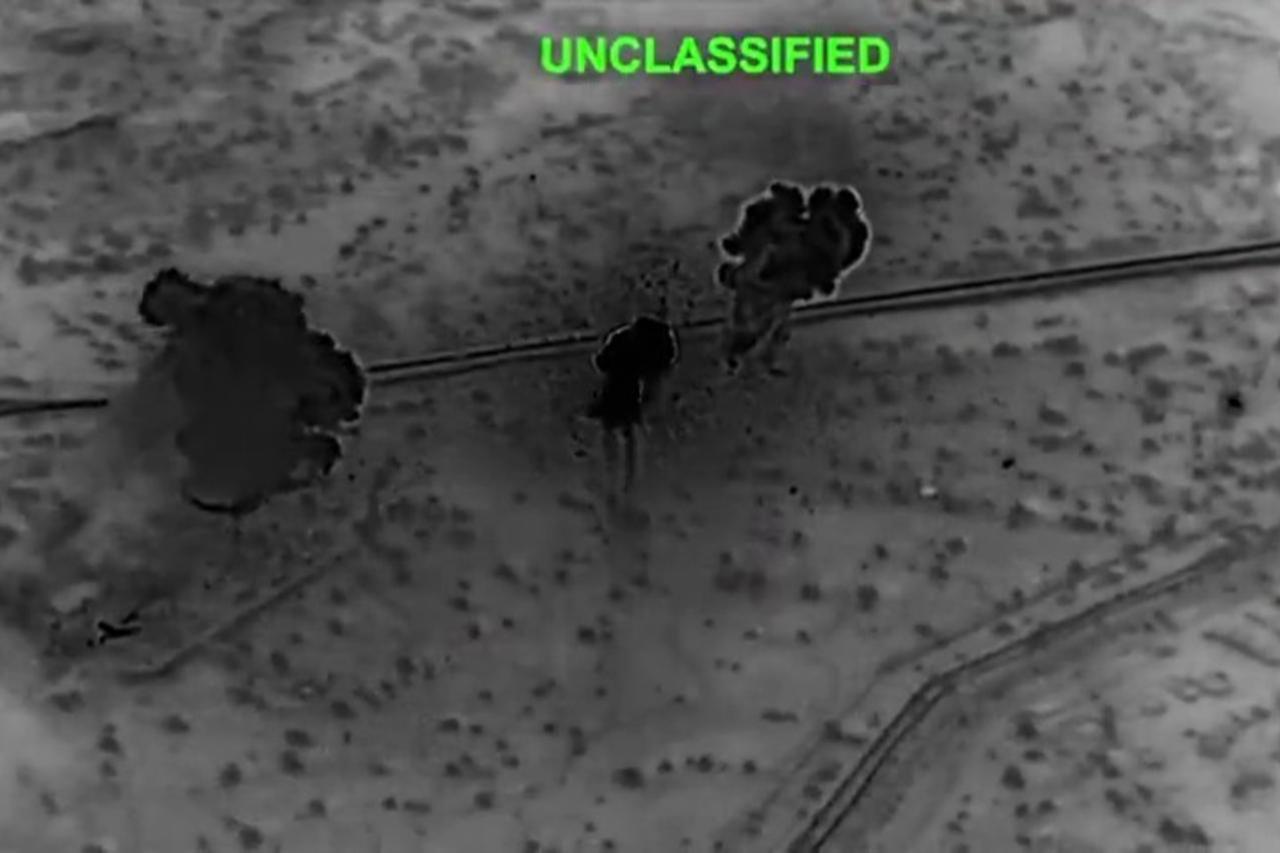
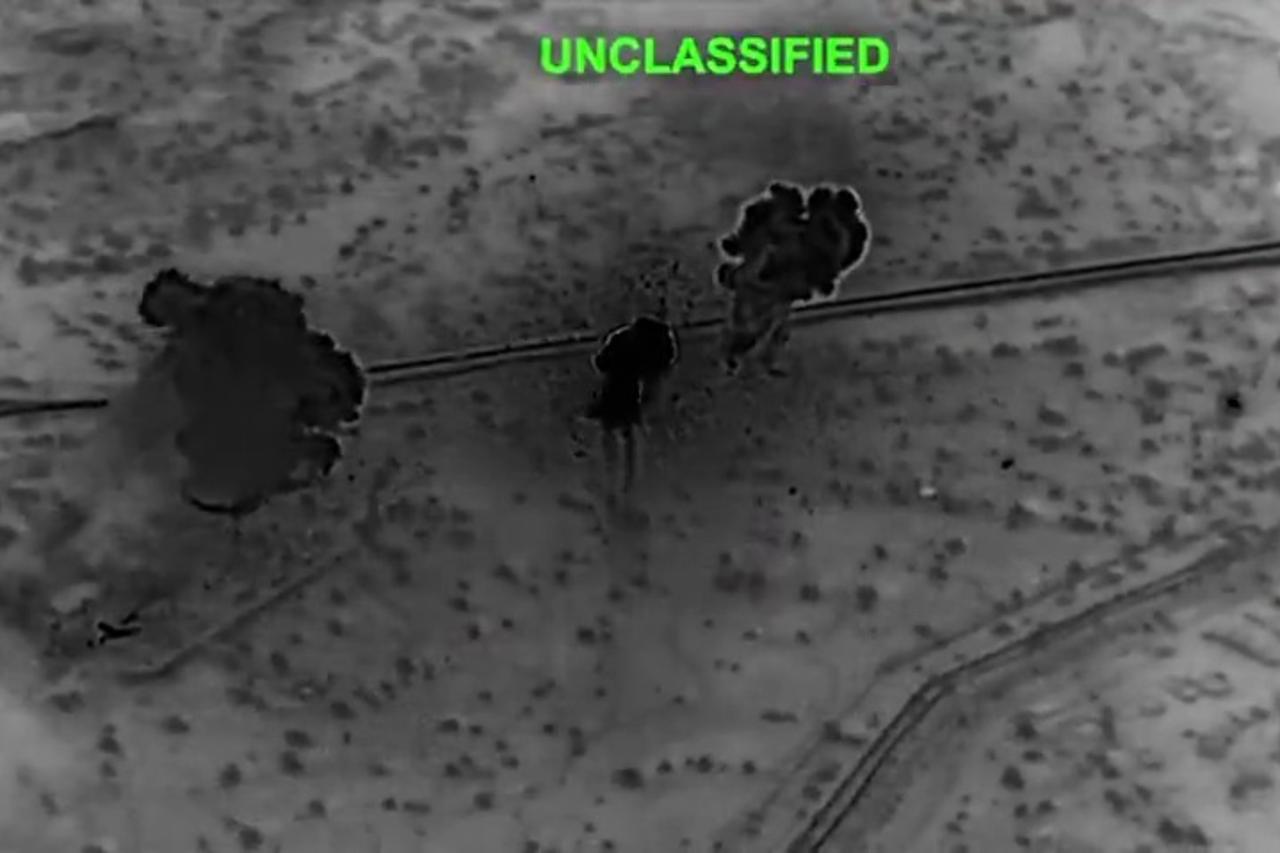
Pezeshkian was referring to recent U.S. strikes on Kharg Island and Abu Musa Island. Iranian Foreign Minister Abbas Araghchi had earlier said in an interview with MS Now TV that Friday night attacks were "tracked by our forces, and now it is clear that they were fired from the UAE. This is unacceptable."
Macron called on Iran to immediately end its attacks on countries in the region, whether direct or through proxies in Lebanon and Iraq, and said France is acting within a strictly defensive framework.
"The uncontrolled escalation we are witnessing is plunging the entire region into chaos with major consequences today and for years to come. The populations in Iran, as everywhere in the region, are the victims," Macron said in a post on X.
Macron added that a new political and security framework is necessary for lasting peace.
"Such a framework must guarantee that Iran never acquires nuclear weapons while addressing the threats posed by its ballistic program as well as its regional and international destabilization activities," he said.
He also stressed that freedom of navigation in the Strait of Hormuz must be restored "as quickly as possible," and urged Pezeshkian to allow French nationals Cecile Kohler and Jacques Paris, detained in Iran since May 2022 and later convicted of espionage, to return to France safely.
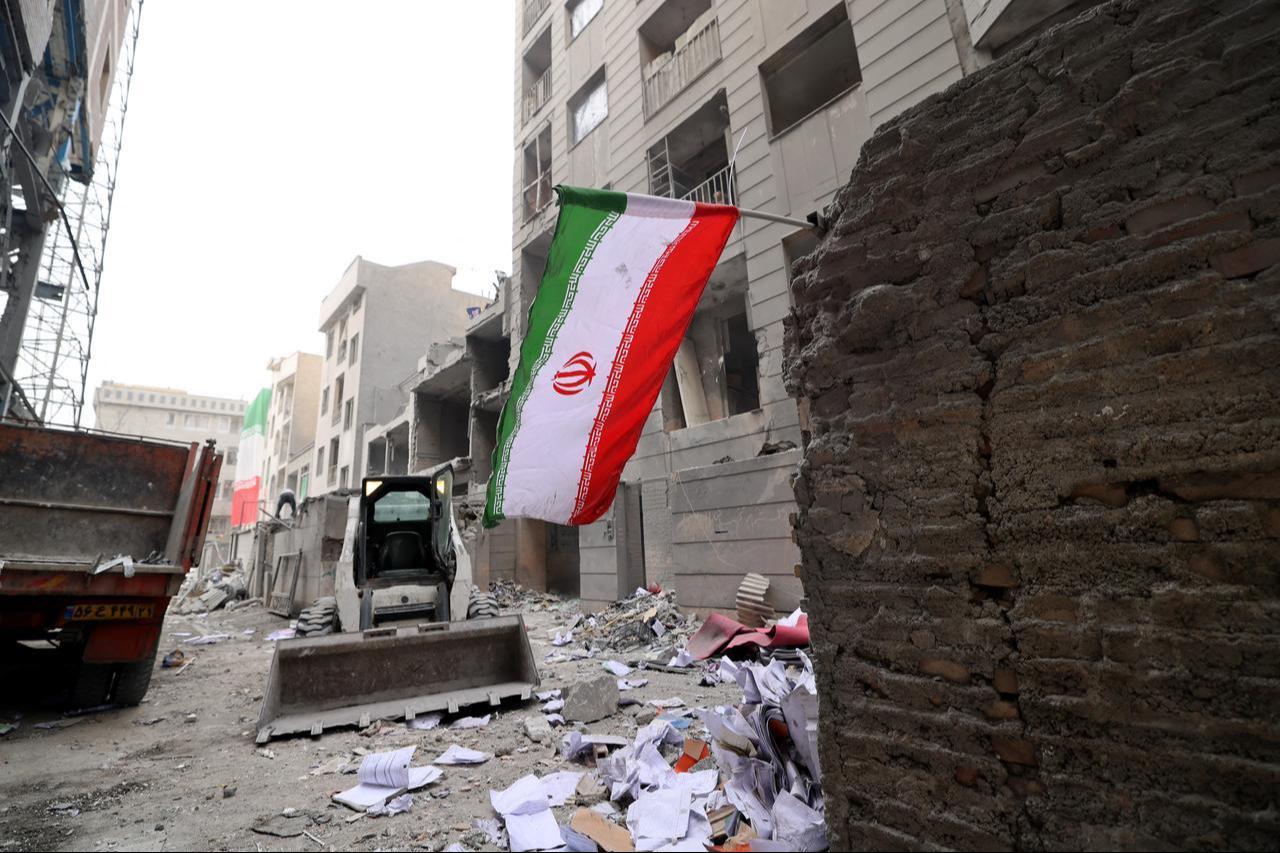
IRGC Navy Commander Alireza Tangsiri warned early Monday that any attack on Kharg Island's oil infrastructure would significantly alter global energy markets. "You tested Iran once with the Strait of Hormuz," Tangsiri said on X.
"If the smart control of the strait sketched a new index for oil prices, an attack on Kharg will create another dangerous and unprecedented equation for global energy rates and distribution," he added.
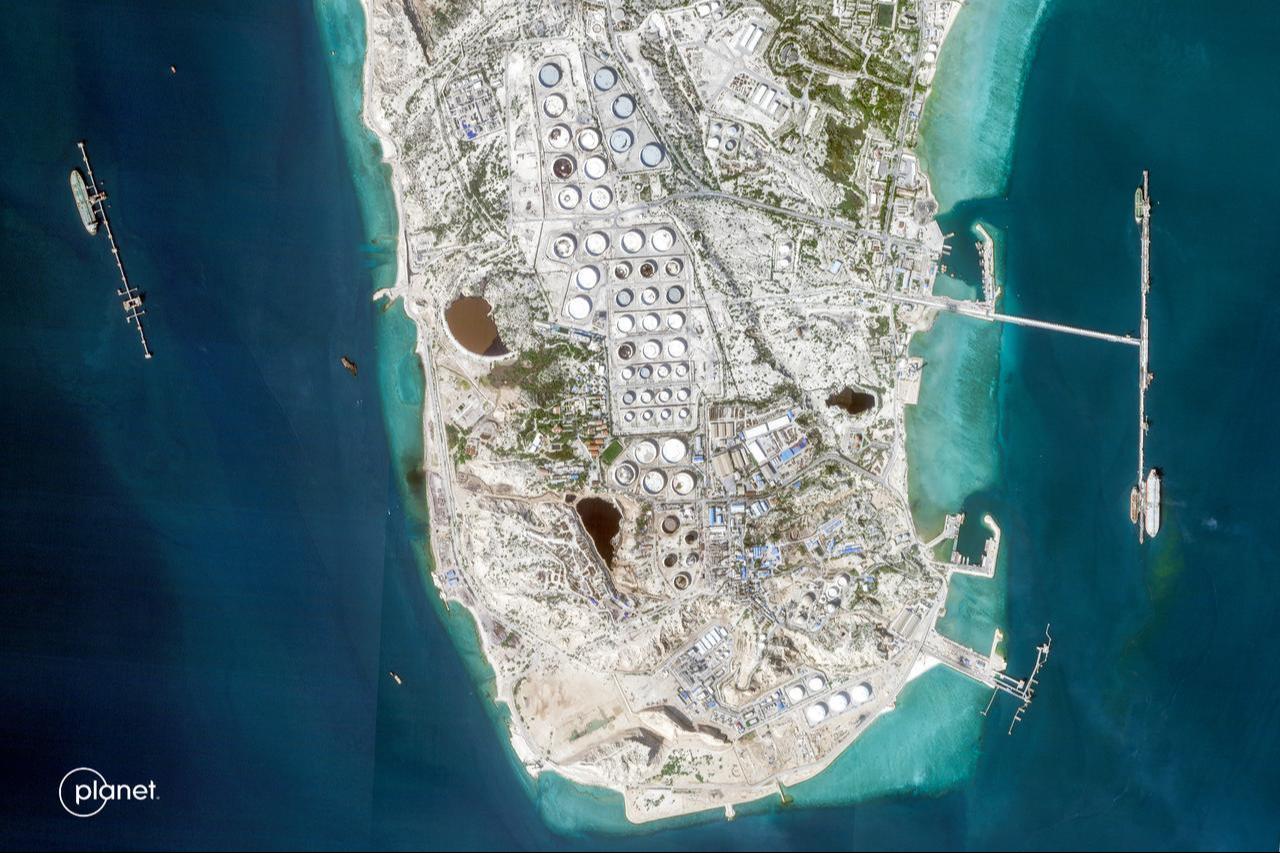
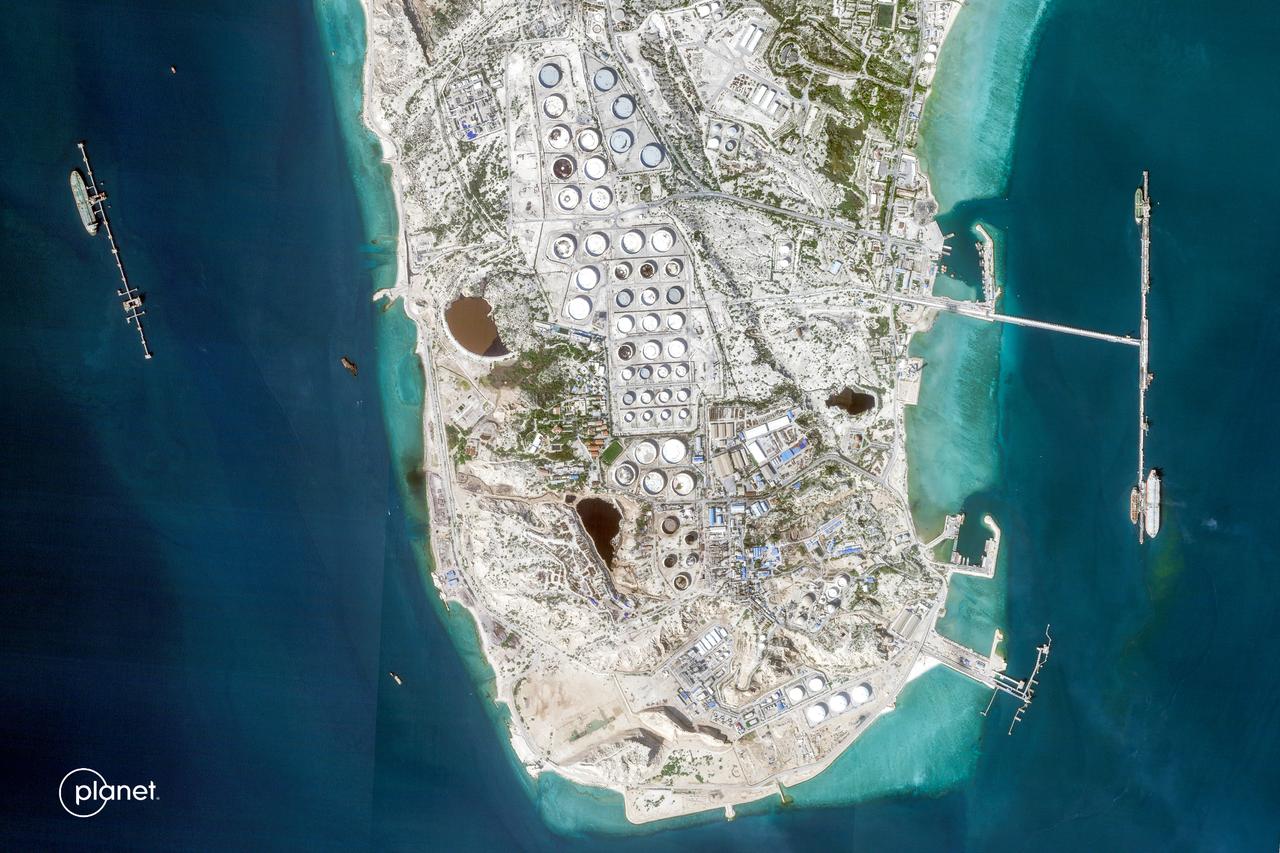
Kharg Island is Iran's main oil export hub, handling 90% to 95% of the country's crude exports, with an average of 1.54 million to 1.7 million barrels per day in 2025.
The island serves as a key component of Iran's energy system and a vital source of government revenue.
U.S. President Donald Trump said Friday that the U.S. destroyed all military targets on Kharg Island and threatened to attack the island's oil infrastructure if Iran continued to block ships in the Strait of Hormuz.
Anwar Gargash, senior diplomatic adviser to UAE President Mohamed bin Zayed Al Nahyan, dismissed Araghchi's claims that U.S. attacks were launched from UAE territory, calling them a reflection of "confused policy" that came after "1,909 brutal Iranian attacks" against the UAE.
"Tehran's actions had misidentified the target, lost the compass, and abandoned wisdom," Gargash said on X.
He stressed that the UAE retains the right to defend itself against "terrorist aggression" but continues to exercise restraint and prioritize reason and diplomacy while seeking an exit from the current escalation for Iran and the region.
Gargash said Araghchi's justification "condemns his own country, deepens its isolation, and exposes its aggression," adding that Iran's foreign minister is aware the UAE made sincere mediation efforts between Washington and Tehran until the last moment before the war began.
Iran has effectively closed the Strait of Hormuz since March 1, following the launch of joint attacks by Israel and the U.S. on Feb. 28, which have so far killed around 1,300 people, including then-Supreme Leader Ali Khamenei.
Iran has retaliated with drone and missile strikes targeting Israel, Jordan, Iraq and Gulf countries hosting U.S. military assets.


 Set as preferred source
 Set as preferred source


 1 min read
 1 min read